Trump’s Approval and Policy Reception: A Comprehensive Analysis
Introduction
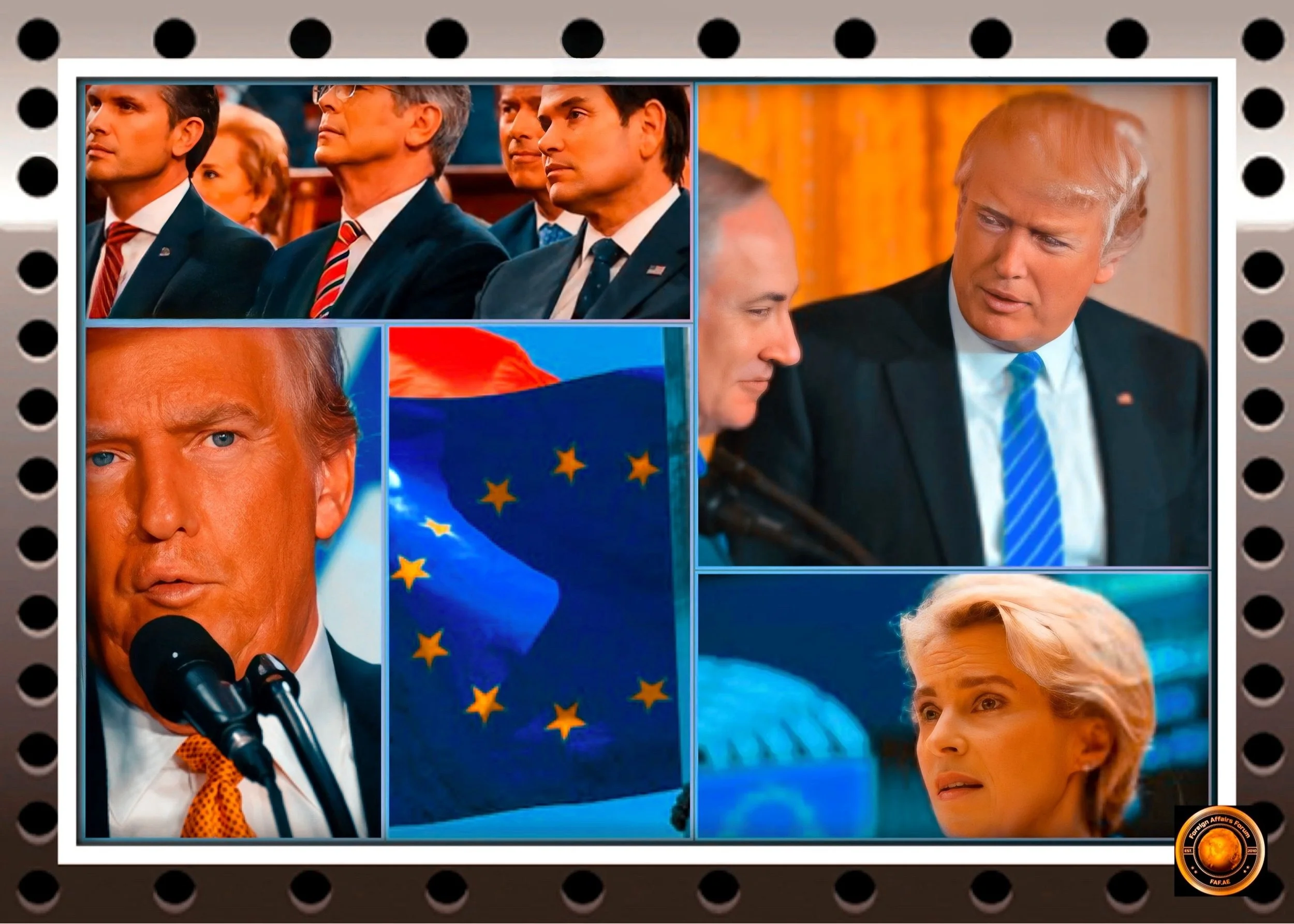
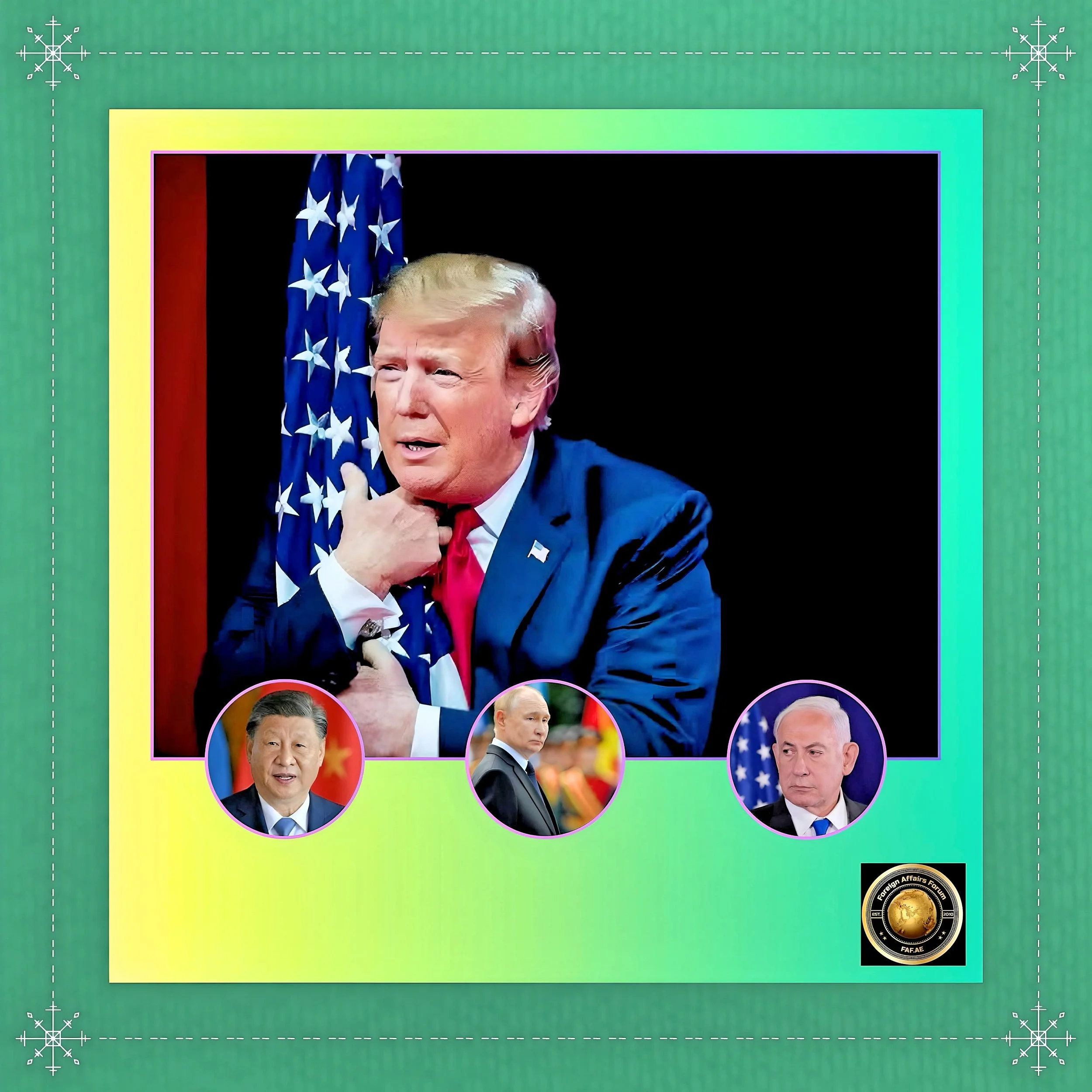
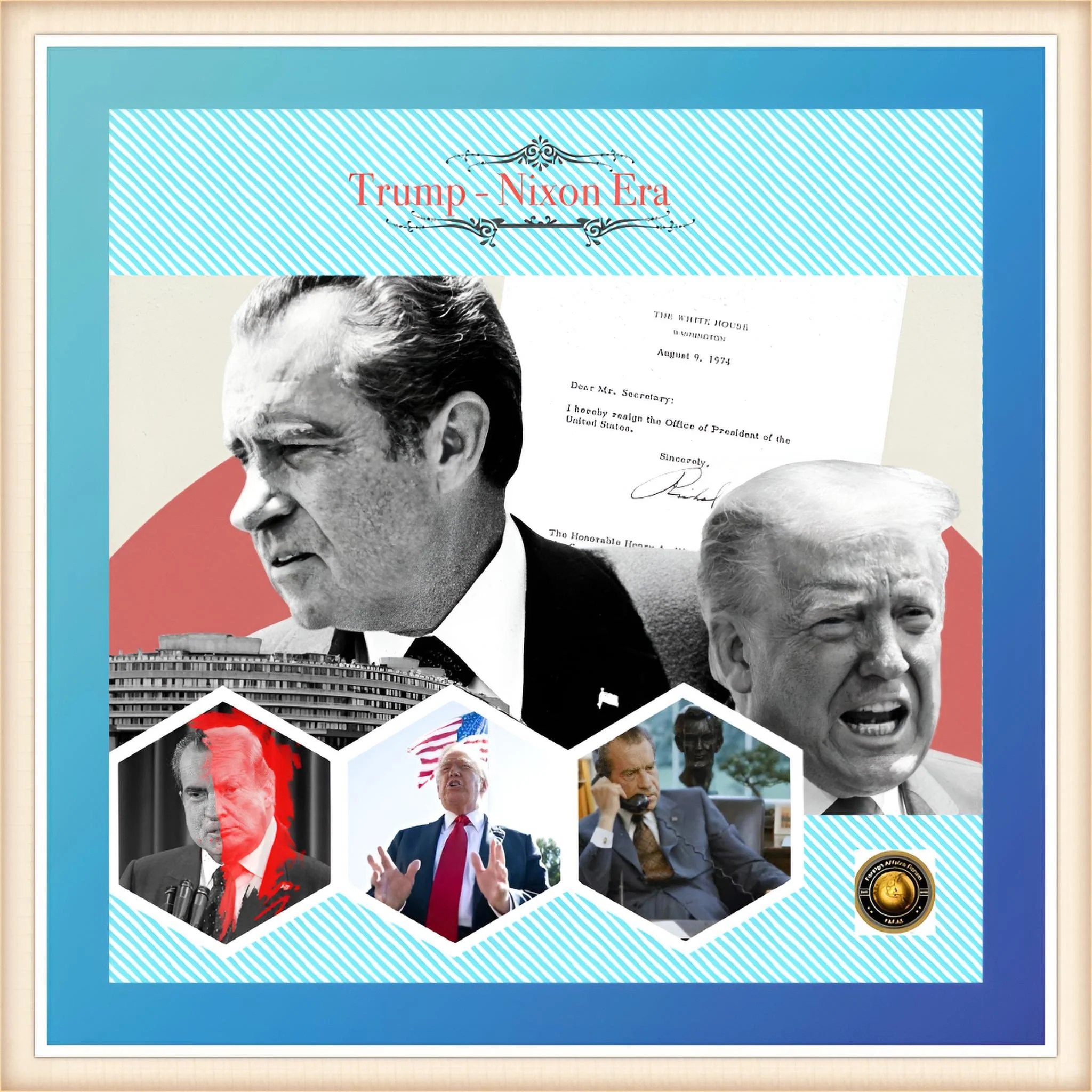
As of April 2025, President Donald Trump faces a complex reception of his policies and leadership, with approval ratings showing mixed results amid economic concerns and foreign policy shifts.
FAF report analyzes his current standing, policy achievements according to supporters, and the views of his base both domestically and internationally.
Current Approval Ratings: A Fluctuating Landscape
President Trump’s approval ratings show considerable variation across different polling organizations, though most indicate a gradual decline since his January 2025 inauguration:
A Reuters/Ipsos poll conducted in early April 2025 found Trump’s approval rating at 43%, representing the lowest level since his return to office.
This marks a decrease of 2 percentage points from late March and 4 points below the 47% approval he received shortly after his January inauguration.
Other polls reveal similar patterns with some variations:
The Neapolitan News/RMG Research poll (April 2-10, 2025) showed Trump at 49% approval with 48% disapproval but noted this was his lowest rating from their surveys since his term began
A YouGov poll from early April demonstrated a more negative picture, with 41% approval versus 54% disapproval
CNN’s March polling placed Trump at 45% approval, with 54% disapproving
NBC News reported in mid-March that Trump’s 47% approval rating equals his best-ever mark as president, though a majority (51%) still disapproved
While these numbers represent a decline from his initial post-inauguration ratings, they remain comparable to or slightly better than much of his first term’s approval figures.
However, the economic aspects of his presidency are receiving notably lower ratings than his overall performance.
Economic Policies: Mixed Reception Amid Bold Changes
Trade and Tariff Initiatives
The cornerstone of Trump’s second-term economic approach is his “America First Trade Policy,” outlined in a Presidential Memorandum signed on January 20, 2025.
This policy will leverage America’s market power to secure better trade deals and re-shore production through tariffs.
Supporters of these policies, particularly in manufacturing sectors, have praised this approach:
The Steel Manufacturers Association President Philip K. Bell called Trump “a champion of the domestic steel industry,” noting that the reinstated Section 232 steel tariffs have “already started creating American jobs and bolstering the domestic steel industry.”
Similarly, the Coalition for a Prosperous America Chairman described Trump’s baseline tariff as “a game-changing shift that prioritizes American manufacturing, protects working-class jobs, and safeguards our economic security.”
Agricultural interests have also voiced support, with the National Cattlemen’s Beef Association praising Trump for “taking action to address numerous trade barriers that prevent consumers overseas from enjoying high-quality, wholesome American beef.”
However, these policies have also triggered economic concerns. The Reuters/Ipsos poll found that approximately half of Americans (52%) believe that increasing tariffs on automobiles and auto parts would adversely affect them personally, with a similar proportion believing tariffs would cause more harm than benefit.
Economic Performance Claims
The Trump administration points to his first term as evidence of economic success, highlighting that from 2016 to 2019, real median household incomes grew by 10.5%—an average annual growth rate of 3.4%, contrasting with the 0.3% average annual growth rate from 2001 to 2016.
Foreign Policy Approach: Bold Realignments
Trump’s foreign policy has involved significant departures from conventional approaches, particularly regarding international institutions and alliances:
Ukraine and Russia Relations
The administration has pursued direct negotiations with Russia over Ukraine, with Defense Secretary Hegseth stating in February 2025 that a return to Ukraine’s pre-2014 borders was “an unrealistic objective.”
Trump initiated direct phone calls with both Putin and Zelenskyy, prompting both concern and hope for resolution.
Middle East and Iran
In February 2025, Trump reinstated the “maximum pressure” campaign against Iran, imposing heightened economic sanctions targeting Iran’s oil exports.
While described as a means to force diplomatic negotiations, this approach has contributed to economic challenges within Iran, including sharp currency depreciation and political instability.
International Organizations
The administration has significantly scaled back U.S. involvement with the United Nations, withdrawing from the Human Rights Council and the UN climate damage fund while halting funding for UNRWA.
It has also rejected the UN’s 2030 Sustainable Development Goals, citing sovereignty concerns.
Trump’s Supporter Base: Views and Expectations
Trump’s core supporters maintain distinct perspectives on his leadership and policies:
According to Pew Research data, 86% of Trump supporters viewed him as a candidate who would “change Washington for the better” prior to the election.
His base prioritized economic issues (93% rated it very important) and immigration (82% said it was very important).
Trump supporters demonstrated strong confidence in his policy clarity, with 94% saying he had clearly explained his approach to illegal immigration, and large majorities expressing similar confidence regarding his economic and foreign policy positions.
The NBC News poll in March 2025 indicated that Republican voters are “standing in lockstep with Trump and the expansive agenda he and congressional leaders are pushing in Washington,” contributing to more registered voters seeing the U.S. as heading in the right direction than at any point since early 2004—though a majority still says the country is on the wrong track.
International Perception
Current detailed data on international perceptions of Trump’s second term is limited in the search results.
Historical data from his first term showed generally low international confidence in Trump, though with some notable exceptions:
About half or more people in Kenya, Nigeria, India, and Poland expressed confidence in Trump during his first term.
His negotiations with North Korea over nuclear weapons garnered majority approval from people in Japan, South Korea, Israel, the UK, the Netherlands, Australia, Poland, and Germany.
Overall, Trump’s signature foreign policies during his first term received limited international support, with particularly strong disapproval for his tariff policies, withdrawal from climate agreements, and border wall construction.
Conclusion
President Trump’s second term has begun with bold policy initiatives that have generated both strong support and significant opposition.
His approval ratings, while fluctuating between polls, show a general decline since taking office in January 2025, particularly regarding economic policies.
His core supporters remain enthusiastic about his leadership approach and policy clarity, especially on immigration and economic issues.
The administration’s economic and foreign policy decisions represent substantial departures from conventional approaches, earning praise from specific industry sectors and criticism from others.
As these policies continue to develop, their long-term impacts on the economy, international relations, and domestic politics remain to be seen.