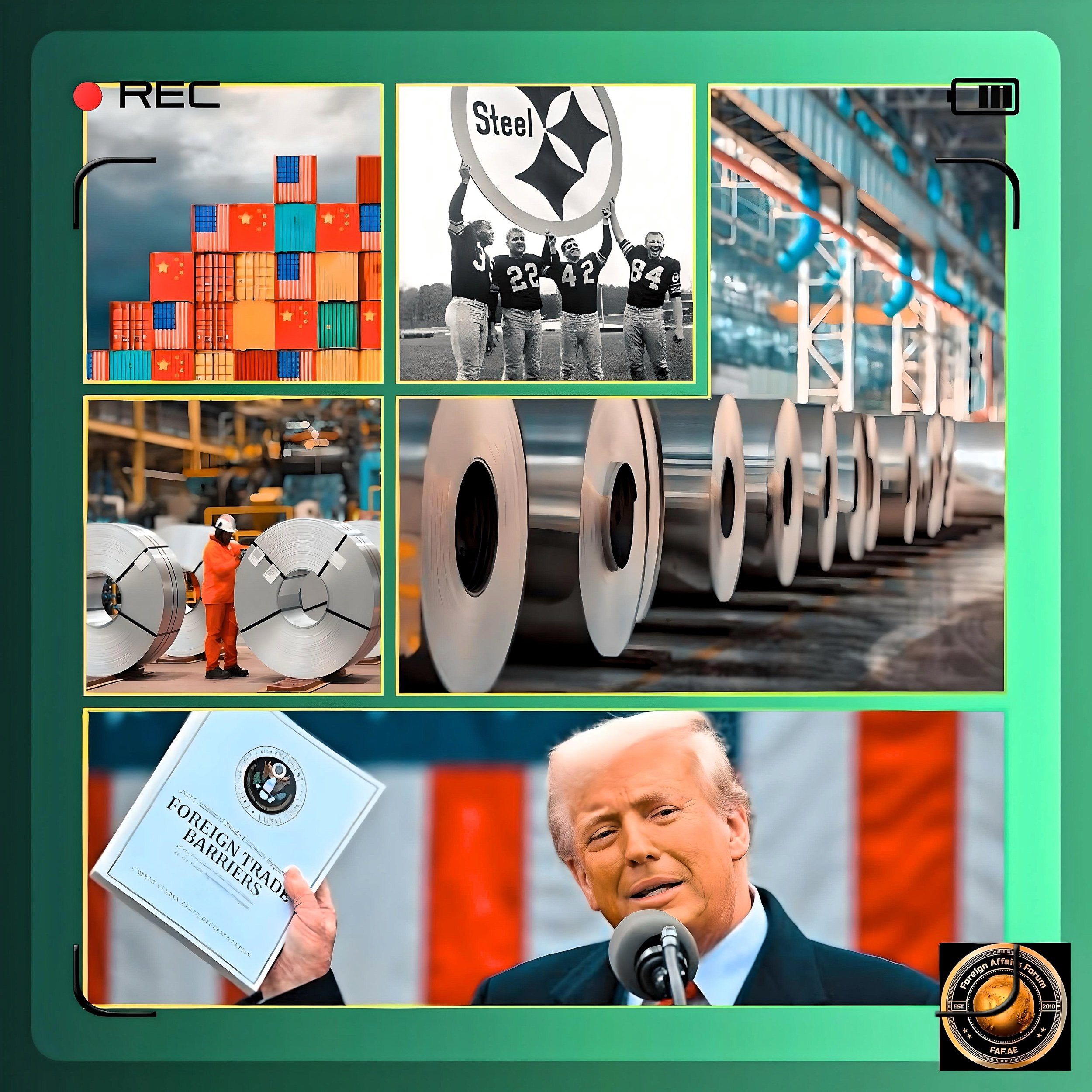
The Economic Impact of Tariffs on Protected Sectors in the United States: A Comprehensive Analysis
Introduction
The implementation of tariffs on steel, aluminum, and other goods under recent U.S. administrations has sparked significant debate about their economic consequences.
While these measures aim to protect domestic industries from unfair foreign competition, their effects ripple across the economy, creating both localized benefits and broader challenges.
FAF examines tariffs' multifaceted outcomes, focusing on their impact on protected sectors, downstream industries, employment, and long-term economic growth.
Evidence from recent trade policies reveals that tariffs have bolstered domestic production and employment in targeted industries but simultaneously increased costs for consumers and manufacturers reliant on imported materials.
Retaliatory measures and supply chain disruptions further complicate the net economic benefit, underscoring the delicate balance between protectionism and global trade dynamics.
Impact on Domestic Production and Prices
Revival of Steel and Aluminum Manufacturing
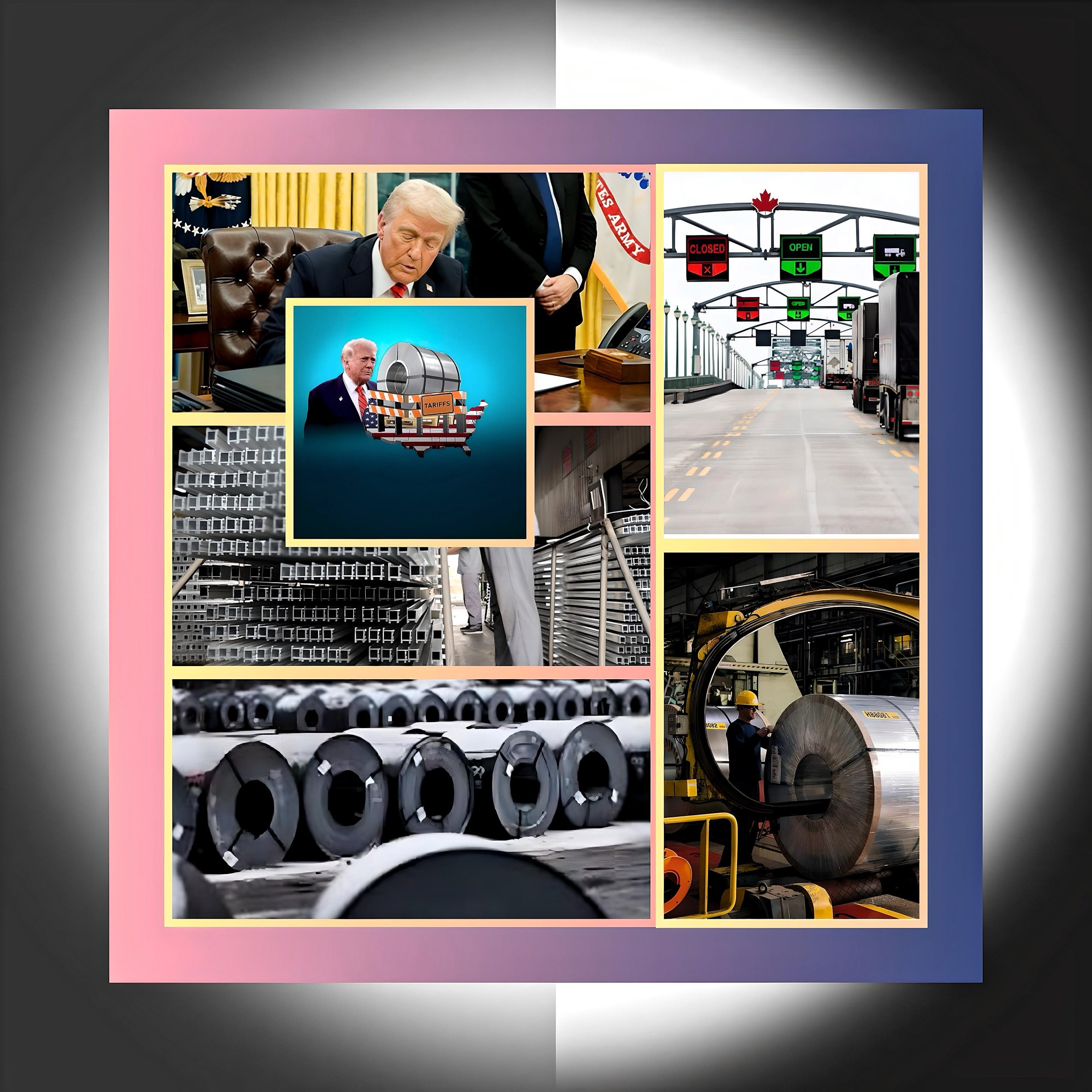
The 25% tariff on steel imports in March 2025 marked a pivotal shift for the U.S. steel industry, which had been facing years of declining prices due to oversupply and foreign competition.
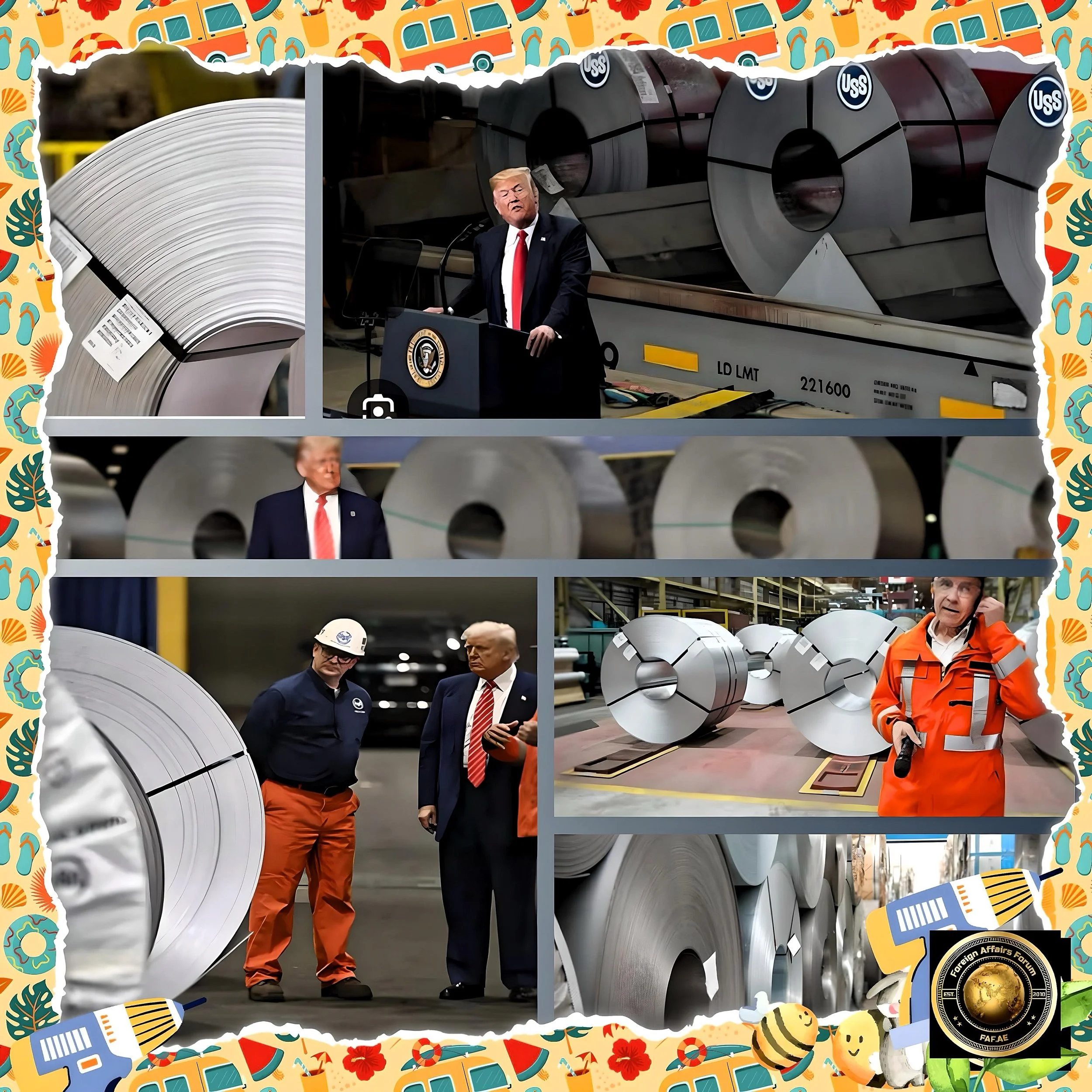
Domestic producers such as Nucor Corporation and Steel Dynamics gained a pricing advantage by raising the cost of imported steel, enabling them to increase profit margins and reinvest in capacity expansion.
Hot-rolled coil (HRC) prices, which had plummeted by 40% in 2024 to $900 per short ton, rebounded by 30% in early 2025, directly attributed to reduced import competition and anticipatory stockpiling by manufacturers.
Similarly, aluminum tariffs aimed to reduce reliance on foreign smelters, though domestic aluminum production faced constraints due to limited smelting infrastructure and energy costs.
Price Stabilization and Market Confidence
Tariffs provided immediate price stabilization for domestic metals. Cleveland-Cliffs, a major steel producer, reported that the tariffs allowed it to negotiate higher contract prices with automotive and construction clients, securing long-term revenue streams.
This price recovery was critical for an industry that had seen profitability erode amid global oversupply, particularly from Chinese state-subsidized firms. However, the aluminum industry’s reliance on Canadian imports—which accounted for a significant share of U.S. supply—highlighted the complexity of entirely reshoring production.
The Aluminum Association noted that Canadian aluminum imports supported 13 U.S. downstream jobs for every Canadian smelter job, illustrating the interconnectedness of North American supply chains.
Employment Effects in Protected Sectors
Job Creation in Metals Production
The steel and aluminum tariffs were explicitly designed to revive employment in regions historically dependent on heavy manufacturing.
By March 2025, U.S. steelmakers had announced plans to reopen idled plants in Indiana and Ohio, creating an estimated 2,000 direct jobs.
These gains, however, were concentrated in specific geographies and represented a partial recovery from the sector’s decades-long decline.
The Aluminum Association emphasized that $10 billion in domestic investments since 2016—primarily in midstream processing and recycling—had sustained approximately 160,000 jobs. However, primary aluminum smelting employment remained stagnant due to high energy costs.
Offsetting Losses in Downstream Industries
While protected sectors saw employment gains, downstream industries faced significant headwinds.
A 2025 study by the Richmond Fed estimated that tariffs caused a 1.8% decline in employment—equivalent to 220,000 jobs—in industries reliant on imported steel and aluminum, such as automotive manufacturing and construction.
For example, automakers faced a 10-15% increase in material costs, which forced some to delay expansion projects or automate processes to offset expenses.
The Tax Foundation further projected that retaliatory tariffs on U.S. agricultural exports could eliminate 600,000 full-time jobs nationwide, eclipsing gains in protected sectors.
Reinvestment and Industrial Growth
Capital Expenditures in Steel Production
Tariffs incentivized domestic steel producers to modernize facilities and expand output. Nucor Corporation announced a $1.2 billion investment in a new electric arc furnace in Texas, aiming to capitalize on higher prices and demand for low-emission steel.
Similarly, Steel Dynamics allocated funds to increase production of high-strength steel used in renewable energy infrastructure, aligning with federal incentives for green manufacturing.
These investments, however, were contingent on sustained tariff enforcement as companies weighed the risks of policy reversals or global trade reconciliations.
Aluminum Recycling and Secondary Markets
In the aluminum sector, tariffs accelerated investments in recycling infrastructure, which required less energy than primary smelting.
The Aluminum Association reported a 12% increase in recycled aluminum production since 2025, driven by demand from beverage can manufacturers seeking to avoid tariff-related costs.
This shift underscored the industry’s adaptation to trade barriers, though it did not fully offset the need for primary aluminum imports, particularly for aerospace and defense applications.
Costs to Downstream Industries and Consumers
Increased Input Prices and Inflationary Pressures
The downstream effects of tariffs were starkest in industries reliant on steel and aluminum.
Under the 2025 tariffs, automakers faced a 0.34% increase in input costs, translating to an average vehicle price hike of $300–$500.
Construction firms reported a 5–7% rise in material expenses, delaying projects in states like Florida and California.
Consumers bore the brunt of these increases, with the Tax Foundation estimating that tariffs raised annual household expenses by $600–$800 through higher prices for goods ranging from appliances to packaging.
Supply Chain Disruptions and Adaptation
Manufacturers dependent on just-in-time inventory systems struggled to adapt to volatile metal prices and lead times.
A 2025 survey by S&P Global found that 50% of automotive suppliers had diversified their sourcing to Mexico and Vietnam to circumvent tariffs, though this entailed significant retooling costs.
Smaller firms, lacking the capital for such shifts, were disproportionately affected, with some exiting the market entirely.
Retaliatory Tariffs and Trade War Risks
Retaliation from Key Trading Partners
The immediate consequence of U.S. tariffs was retaliatory measures from affected nations.
Canada imposed 25% tariffs on $20 billion of U.S. goods, targeting agricultural exports like dairy and pork, while the EU levied tariffs on $28 billion of American machinery and chemicals.
These actions eroded the competitiveness of U.S. exporters, particularly farmers in the Midwest, who faced a 15% decline in soybean exports to the EU in Q2 2025.
Escalation into Broader Trade Conflicts
Economists warned that prolonged tariffs risked spiraling into a global trade war. The Richmond Fed’s analysis suggested that a 25% tariff on all Chinese imports could reduce U.S. GDP by 0.65%, with automotive and electronics sectors experiencing the steepest declines.
Historical parallels to the 2018–2019 trade war underscored these risks: U.S. GDP growth slowed by 0.25% during that period, and 170,000 jobs were lost despite temporary gains in steel employment.
Long-Term Economic Implications
Net Losses in National Welfare
While tariffs generated $229–$263 billion in federal revenue in 2025, their broader economic impact was decidedly negative.
The Tax Foundation estimated a 0.2% reduction in long-term GDP growth due to reduced capital investment and productivity losses in supply chains.
Furthermore, the shift toward domestic production often resulted in higher-cost, lower-quality inputs, diminishing the competitiveness of U.S. manufacturers in global markets.
Strategic Recommendations for Policymakers
Experts advocated for targeted subsidies and tax incentives to mitigate these challenges and support metal producers without distorting global trade flows.
The Aluminum Association urged negotiators to preserve tariff exemptions for Canadian aluminum, which provided a stable supply for downstream industries. Others proposed bilateral agreements to address overcapacity in Chinese steel production, reducing the need for unilateral tariffs.
Conclusion
The economic benefits of tariffs for protected U.S. sectors are real but narrowly concentrated. Steel and aluminum producers have capitalized on reduced import competition, achieving higher prices, reinvestment, and localized job growth.
However, these gains are overshadowed by systemic costs: inflationary pressures on consumers, job losses in downstream industries, and the destabilizing effects of retaliatory trade measures.
As the U.S. navigates the complexities of global trade, policymakers must weigh the short-term advantages of protectionism against the long-term risks of economic isolation.
A balanced approach—combining strategic tariffs with multilateral negotiations and domestic innovation incentives—offers the most viable path to sustaining industrial competitiveness while safeguarding broader economic interests.