Dying American Dream
Introduction
Beijing's message to America: We're not afraid of you. You aren't who you think you are — and we aren't who you think we are - Beijing.Forum
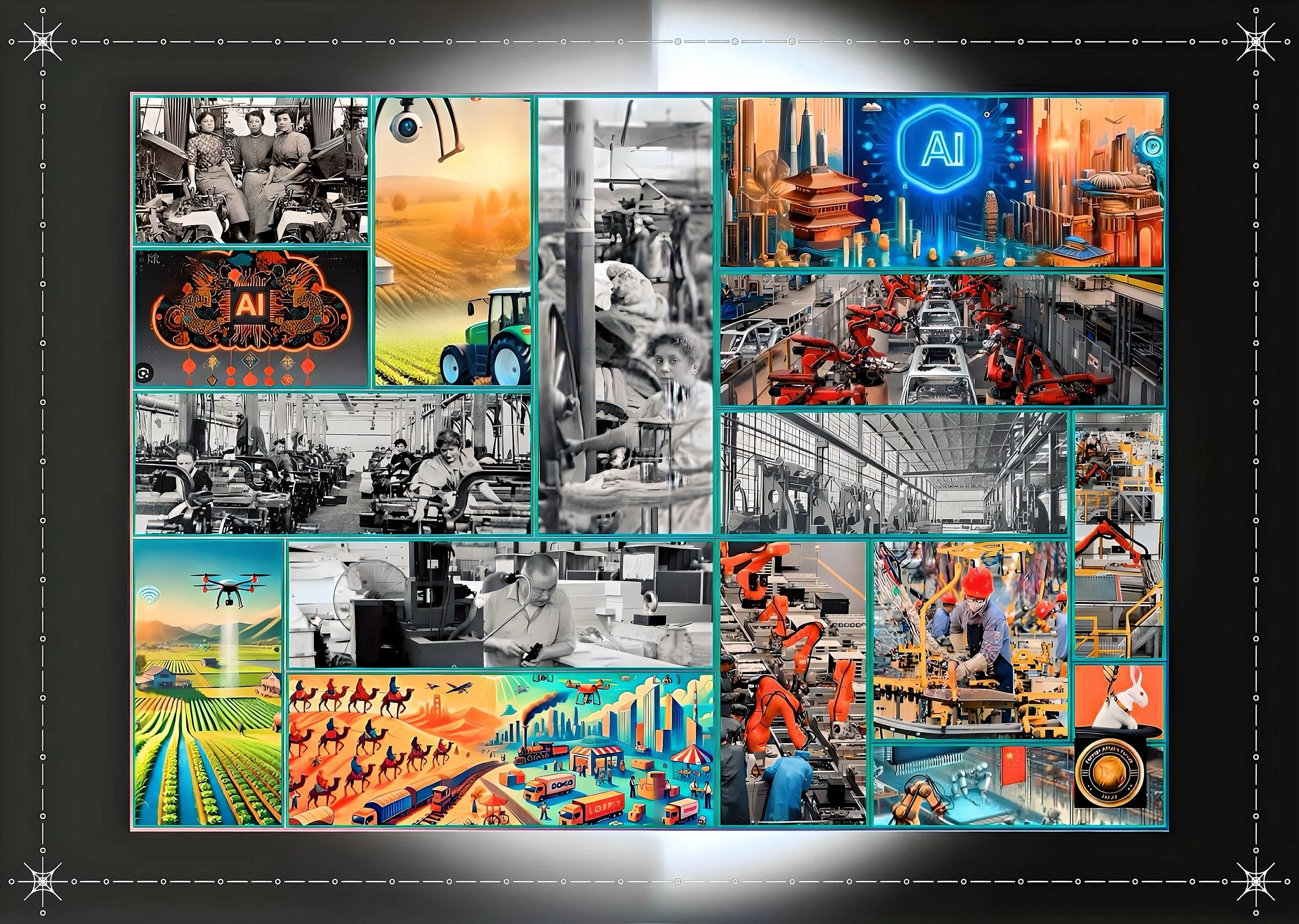
The juxtaposition of China’s technological ascendancy against American innovation challenges presents a striking narrative about global technological leadership.
Recent developments at Huawei’s massive new Shanghai research campus reveal a concerning reality about the shifting landscape of global technological supremacy, raising profound questions about America’s future competitiveness in this crucial arena.
The Rise of Huawei’s Technological Megacampus
Huawei’s Lianqiu Lake Research and Development Center represents an extraordinary statement of China’s technological ambitions.
Located approximately 30 miles southwest of Shanghai’s city center in the Yangtze River delta, this sprawling 160-hectare (395-acre) campus dwarfs comparable American innovation hubs like Apple Park, which measures just 175 acres.
The sheer scale of this facility is difficult to comprehend – covering an area equivalent to 225 football fields, it stands as physical evidence of China’s determination to lead global technological innovation.
Construction of this massive complex was completed in remarkably short order. It took just over three years to build 104 individually designed buildings, which now house laboratories and workspaces for up to 35,000 scientists, engineers, and other workers.
The campus features an extensive internal transportation network, including a Disney-inspired monorail system connecting its eight distinct districts.
Beyond the workplace facilities, Huawei has incorporated approximately 100 cafes and numerous fitness centers, intentionally creating an environment designed to attract top-tier talent from China and abroad.
The first employees began occupying the campus in October 2023, and staffing is expected to increase significantly—approximately 20,000 additional personnel are anticipated to arrive around the Lunar New Year in February 2025, with the workforce projected to reach 30,000 by the end of 2026.
Local officials have responded to this development by launching new bus routes for Huawei staff and constructing a subway station specifically to serve the campus. Real estate values in the surrounding area have risen dramatically in anticipation of the campus’s full operation.
A Strategic Response to American Sanctions
This development is particularly significant because it is positioned as a direct response to American sanctions.
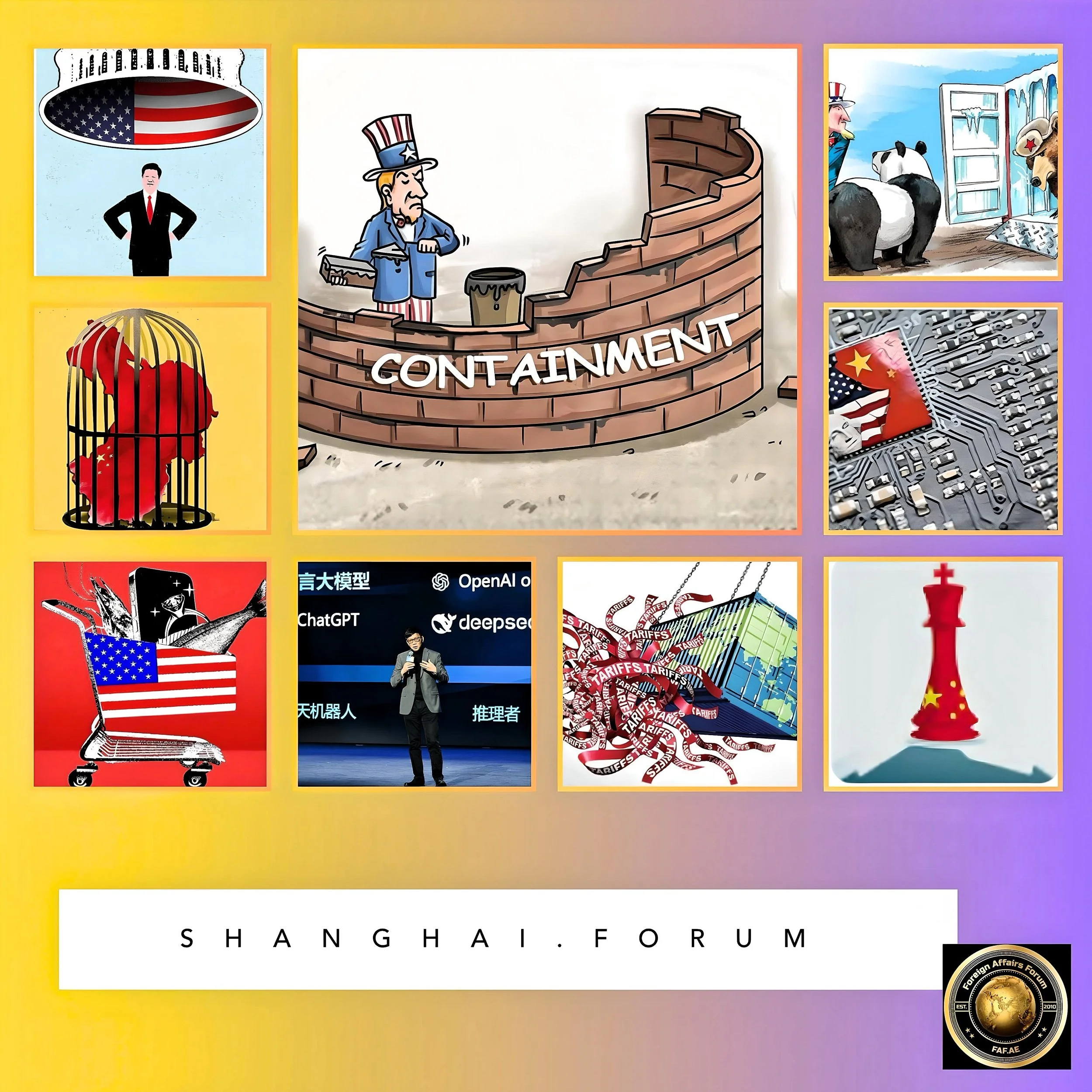
The Lianqiu Lake campus represents Huawei’s strategic counter to the U.S. government’s attempted technological containment of the company.
In 2019, the United States imposed severe restrictions on exporting American technology to Huawei, citing national security concerns.
These sanctions specifically targeted semiconductors and other critical components, effectively attempting to choke off Huawei’s ability to produce cutting-edge technology.
Rather than capitulating to these pressures, Huawei – with substantial support from the Chinese government – has chosen to innovate around these restrictions.
The Lianqiu Lake campus serves as the centerpiece of this strategy, housing Huawei’s work on domestically developed semiconductors, wireless networks, the Internet of Things, smartphones, automobiles, and energy solutions.
Most notably, the site includes facilities dedicated to developing chip lithography machines, which have historically been imported to China but have become targets of sanctions from U.S. allies like the Netherlands.
China’s Technological Resilience and Innovation
Despite the significant challenges posed by U.S. sanctions, Huawei has demonstrated remarkable resilience and innovative capacity.
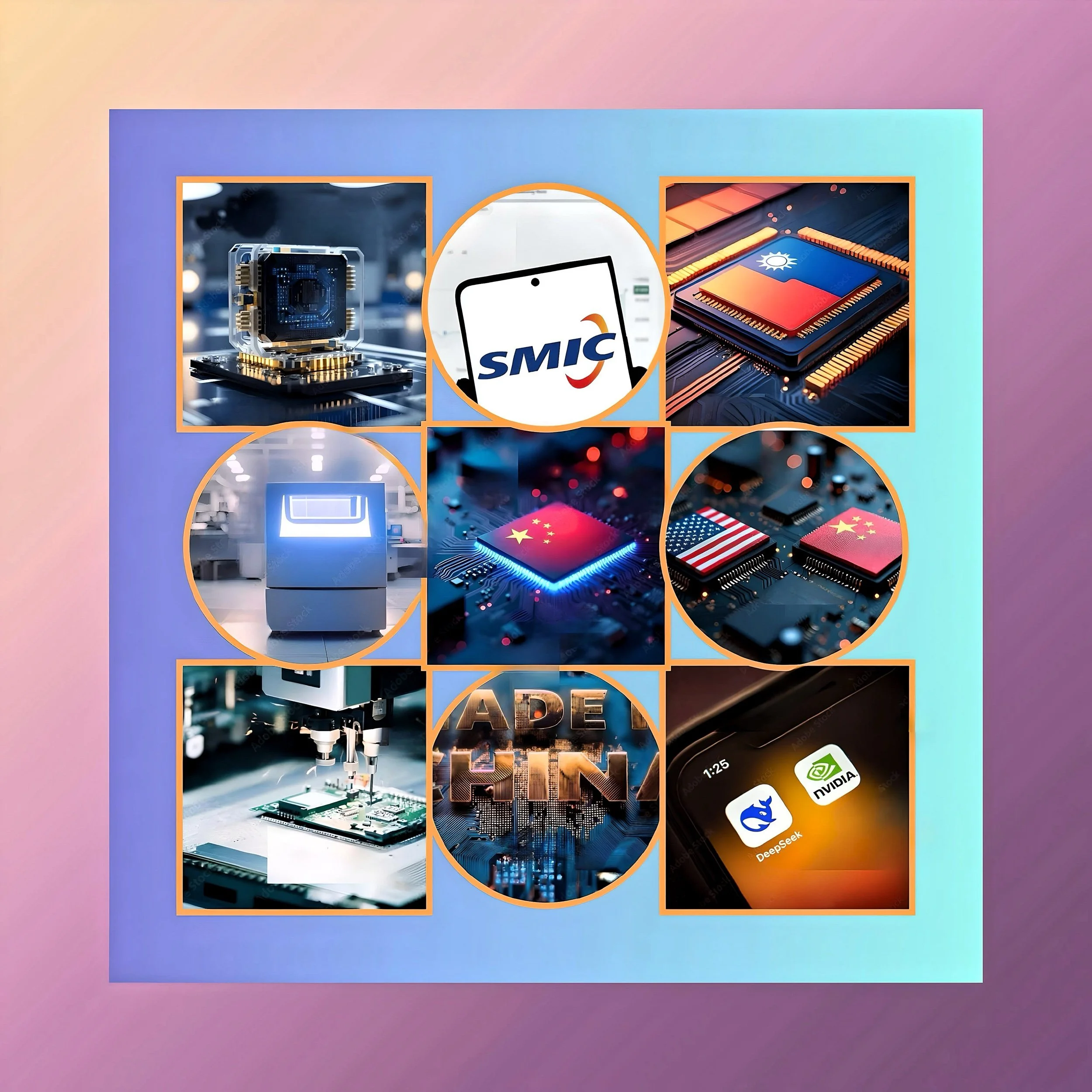
In 2023, the company surprised global competitors and analysts by successfully releasing the Mate 60 Pro smartphone, which was equipped with advanced semiconductors manufactured domestically despite international restrictions.
This technological breakthrough featured the HiSilicon 9000s SoC (System on Chip), representing the first advanced SoC from design to chip manufacturing produced entirely within China.
Huawei’s innovation has continued to accelerate. The company recently unveiled the Mate XT Ultimate Design, a groundbreaking triple-screen foldable phone that creates three displays through an innovative dual-folding hinge system.
When fully unfolded, this device offers a 10.2-inch screen – comparable to an iPad – while setting records for thinness at just 3.6 millimeters.
Beyond hardware innovations, Huawei has developed its mobile operating system, Hongmeng (also known as Harmony), to compete with established platforms from Apple and Google.
The company has also aggressively expanded into other technological domains, including artificial intelligence applications for electric vehicles, self-driving cars, and autonomous mining equipment. In 2024 alone, Huawei reportedly installed 100,000 fast chargers across China for electric cars – a stark contrast to America’s relatively modest deployment of charging infrastructure, which had only 214 operational chargers across 12 states as of a recent count, despite a $7.5 billion congressional allocation in 2021.
The Concept of Tomorrow: Comparing Visions
The comparison between Huawei’s research campus and Disney’s Tomorrowland offers a provocative lens through which to view competing future visions.
Like its counterparts in other Disney parks worldwide, Shanghai Disneyland's Tomorrowland presents a themed entertainment environment that “features numerous attractions that depict views of the future.”
These attractions, such as the “Jet Packs” ride, offer visitors an imagined experience of future technologies in a carefully crafted environment designed primarily for entertainment.
In contrast, Huawei’s campus represents an actual engine of future technological development – not a simulation or entertainment venue but a working laboratory where next-generation innovations are being researched, designed, and manufactured.
While Disney’s Tomorrowland presents an American-designed vision of the future as a form of entertainment, Huawei’s campus is actively creating the technological realities that will shape tomorrow’s world.
This contrast echoes the sentiment expressed by a U.S. businessman quoted in the original article: “There was a time when people came to America to see the future.
Now they come here to China.” This observation points to a potentially troubling shift in global perceptions of technological leadership and innovation.
The Intelligent Campus Paradigm
Huawei’s vision extends beyond individual products to encompass entire technological ecosystems.
The company has actively promoted the concept of “intelligent campuses” through various white papers and initiatives. In March 2024, Huawei unveiled its “Intelligent Campus 2030” report, which outlines a comprehensive vision for future campus development with integrated technologies.
According to this vision, future campuses will become “fully perceptible, collaborative, and constantly online smart buildings capable of self-learning, self-troubleshooting, and making decisions and executing them independently.”
This approach integrates artificial intelligence, big data, cloud computing, and various IoT technologies to create environments that are simultaneously more efficient, sustainable, and responsive to human needs.
Huawei’s implementation of these concepts in its campus facilities demonstrates the company’s commitment to leading in specific technological products and comprehensive technological integration.
The company claims to have helped over 1,000 customers build secure, green, digital, and intelligent campuses worldwide, positioning itself at the forefront of this emerging technological paradigm.
U.S.-China Technological Competition: The Broader Context
The development of Huawei’s research campus must be understood within the broader context of technological competition between the United States and China.
This competition has intensified recently, with both nations viewing technological leadership as crucial to economic prosperity and national security.
The U.S. sanctions against Huawei reflect growing concerns about technology transfer, intellectual property protection, and potential security risks. In May 2024, the United States further escalated these restrictions by revoking some export licenses that allowed companies to ship goods to Huawei.
These actions have drawn criticism from Republican lawmakers who argue that continued sales of advanced technology to Chinese companies undermine American security interests.
However, there are legitimate questions about whether a strategy focused primarily on restriction and containment can succeed in the long term.
Huawei’s demonstrated ability to develop alternative supply chains and indigenous technologies suggests that economic decoupling may be increasingly difficult.
Moreover, China’s massive investments in research and development, exemplified by facilities like the Lianqiu Lake campus, indicate a long-term commitment to technological self-sufficiency and leadership.
Some observers have expressed concerns about America’s ability to maintain its technological edge in this competitive environment.
A sentiment captured in a Reddit post titled “America’s best days are in the past and not in the future” reflects a growing anxiety about American decline relative to rising powers like China.
While such views are certainly debatable, they point to the need for serious reflection on American innovation policy and technological strategy.
Conclusion: Implications for the Future
The emergence of Huawei’s massive research campus in Shanghai represents more than just an impressive architectural achievement or corporate expansion. It symbolizes a potentially significant shift in the global technological landscape – one in which China is increasingly positioned as a leader rather than a follower in innovation.
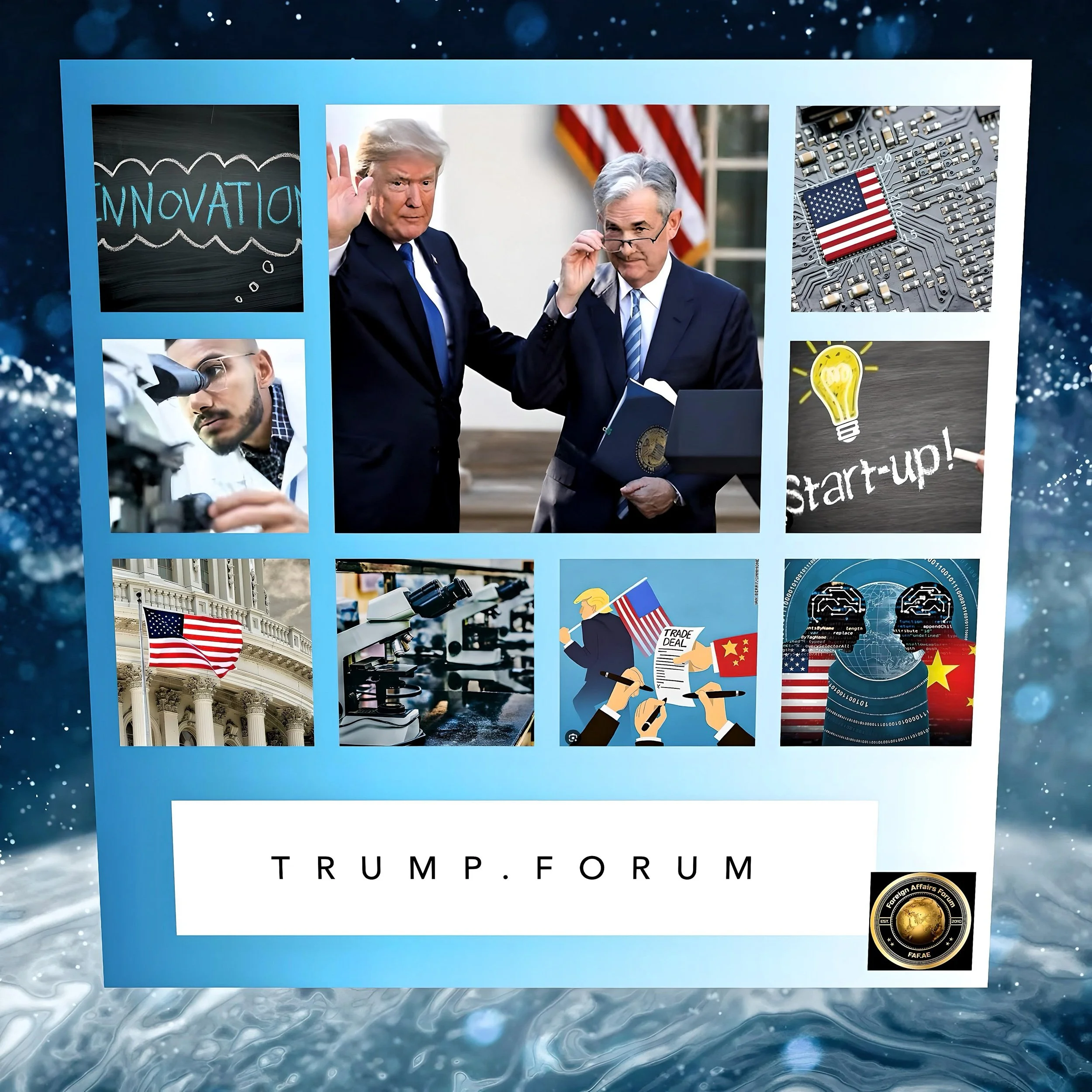
This development raises important questions for American policymakers, business leaders, and citizens. How should the United States respond to China’s technological rise?
Is a strategy focused primarily on restriction and containment sufficient, or should there be greater emphasis on domestic innovation, education, and infrastructure development? What role should public-private partnerships play in fostering American technological competitiveness?
The comparison between Disney’s fictional Tomorrowland and Huawei’s very real research campus provides a powerful metaphor for this moment in technological history.
While America has long excelled at imagining future technologies and crafting compelling visions of tomorrow, maintaining leadership requires translating those visions into reality through sustained investment, education, and innovation.
As we move deeper into the 21st century, the global competition for technological leadership will only intensify.
The decisions made today by governments, corporations, and educational institutions will shape who visits “Tomorrowland” as a tourist and build tomorrow’s world.