U.S.-India Tariff Dynamics and Tesla’s Strategic Entry: Implications for Bilateral Trade
Introduction
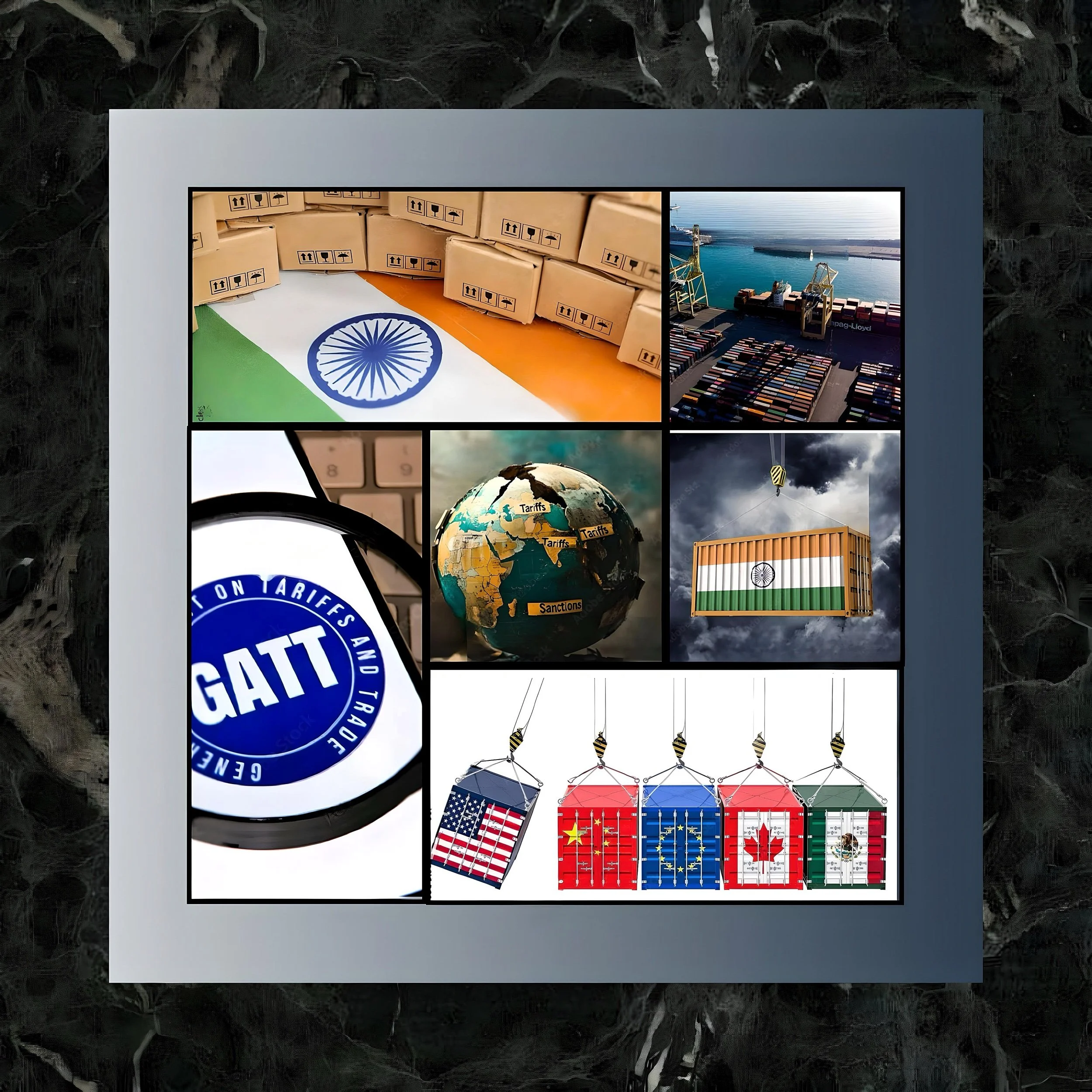
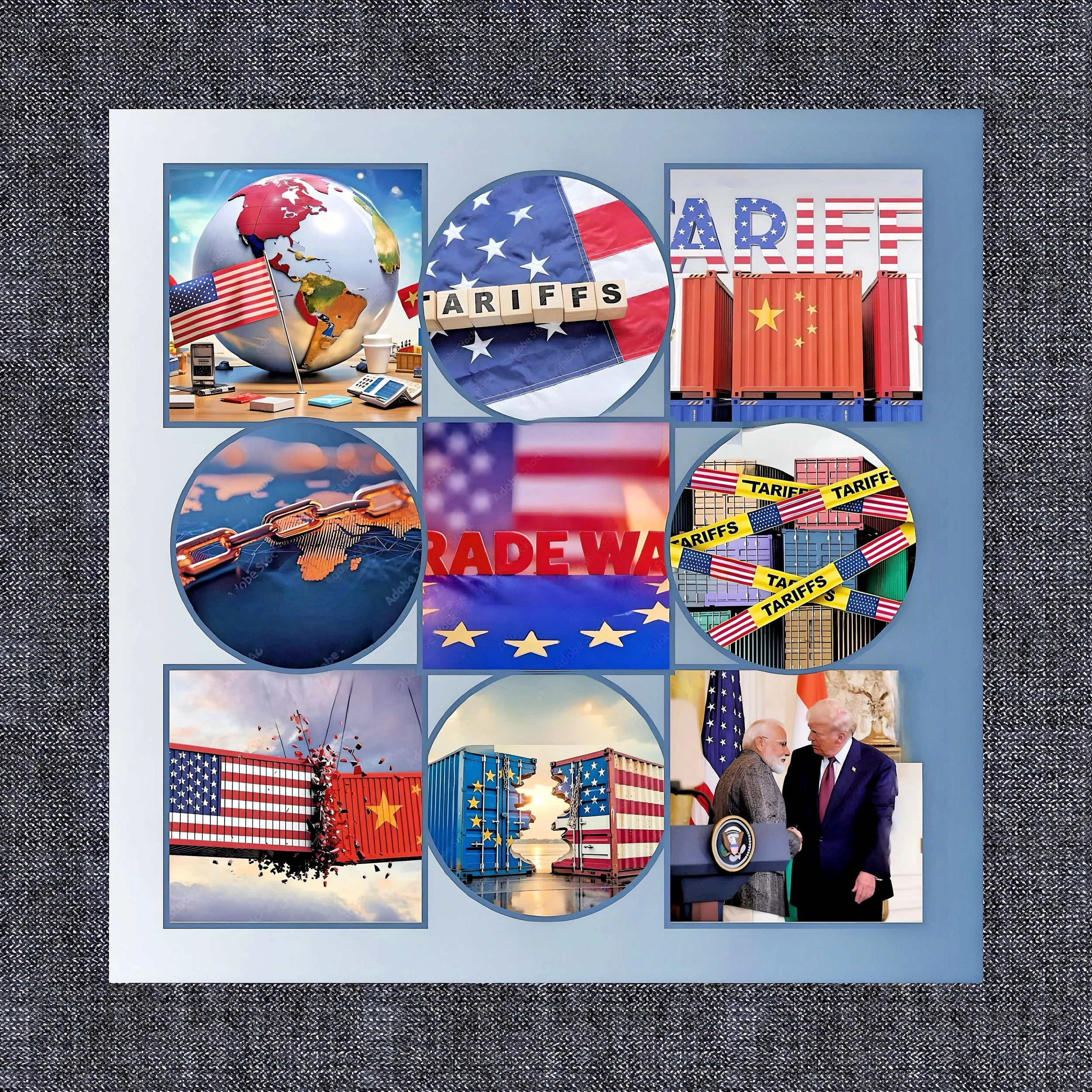
The U.S.-India trade relationship is at a critical juncture, as the Trump administration's reciprocal tariffs are set to take effect on April 2, 2025.
These measures, targeting sectors like automobiles, pharmaceuticals, and agriculture, aim to mirror India’s historically high tariffs, which average 17% compared to the U.S.’s 3.3%.
While negotiations for a Bilateral Trade Agreement (BTA) continue, India has adopted a cautious approach, offering tariff reductions on select goods to avoid escalation.
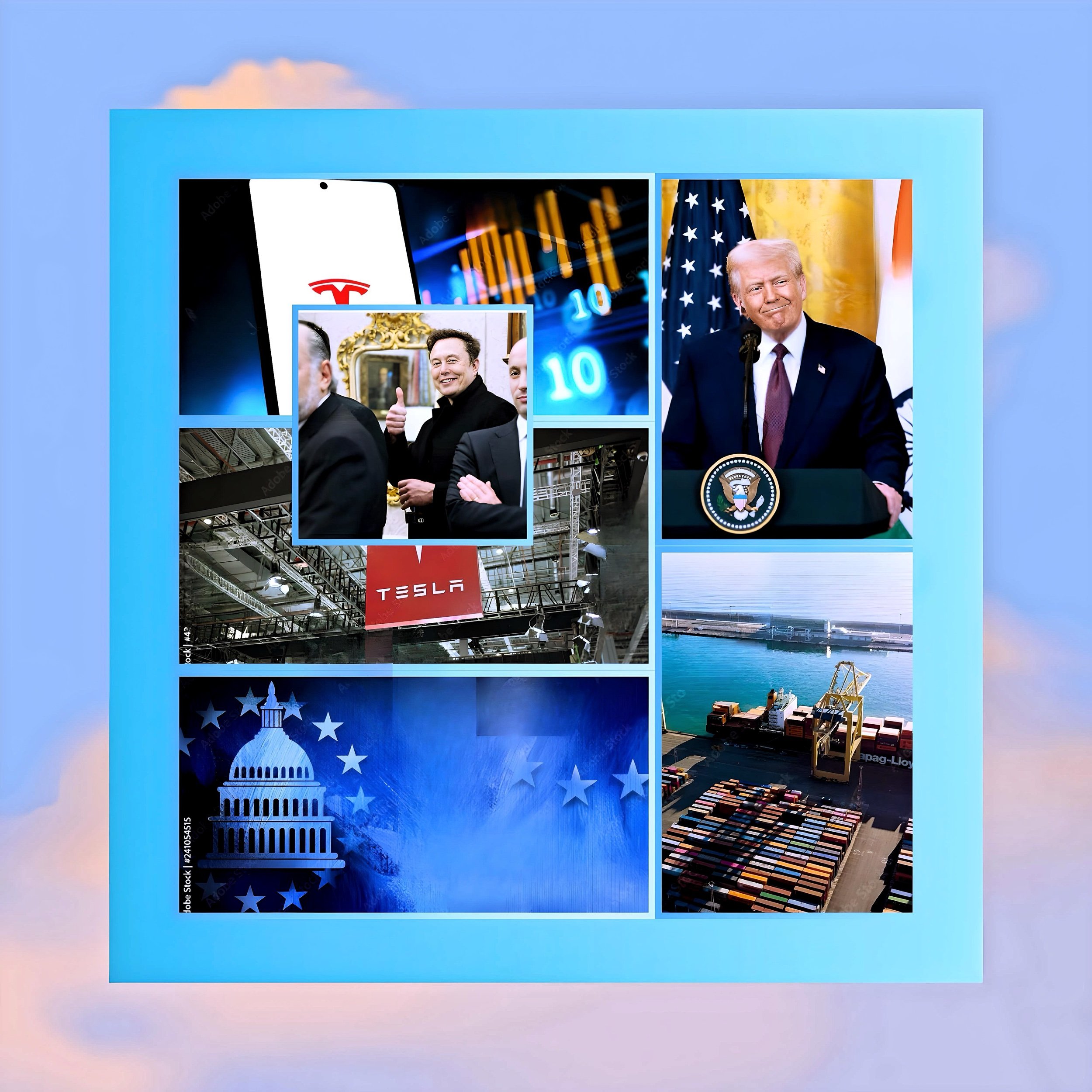
Meanwhile, Tesla’s impending entry into India under a revised electric vehicle (EV) policy highlights opportunities for economic collaboration despite lingering trade tensions.
Current Status of U.S. Tariffs on Indian Goods
Implementation Timeline and Key Announcements
The U.S. Department of Commerce confirmed that reciprocal tariffs on Indian imports will commence on April 2, 2025, following President Trump’s March 4 address to Congress.
These tariffs aim to address what Trump terms “unfair” trade practices, mainly targeting India’s automotive and agricultural sectors.
However, Trump claimed on March 7 that India had agreed to “cut tariffs way down,” though Indian officials have neither confirmed nor denied this assertion. They have emphasized ongoing negotiations through the proposed BTA.
Key Sectors and Products Under Tariff Pressure
Automobiles
The U.S. will impose a 25% tariff on Indian auto imports, mirroring India’s existing duties on U.S. vehicles, which previously reached 110% for cars priced above $40,000.
India has reduced tariffs to 70% for internal combustion engine (ICE) vehicles and introduced a separate EV policy allowing 15% tariffs for manufacturers investing $500 million locally.
Pharmaceuticals and Semiconductors
High-value pharmaceutical exports, constituting 21.9% of India’s consumer goods exports to the U.S., face 25% or higher tariffs.
Semiconductors, critical to India’s electronics manufacturing ambitions, are under scrutiny via Section 232 investigations.
Agriculture
U.S. exports of almonds, apples, and walnuts could face tariffs matching India’s current rates of up to 65% (trade-weighted).
India’s agricultural tariffs, designed to protect domestic farmers, remain contentious in trade talks.
Steel and Aluminum
Existing U.S. tariffs on steel (25%) and aluminum (10%) will expand, with aluminum tariffs rising to 25% by March 12, 2025.
India’s Response: Strategic Restraint and Negotiations
Limited Retaliation and Economic Rationale
Due to asymmetric trade dependencies, India has refrained from imposing reciprocal tariffs on U.S. goods.
The U.S. is India’s largest export destination, absorbing 18% of its exports ($45.7 billion trade surplus in 2024).
Retaliatory measures risk destabilizing sectors like IT services (contributing $194 billion annually) and pharmaceuticals, which rely heavily on U.S. market access.
Proactive Concessions in Select Sectors
Automobiles
India reduced ICE vehicle tariffs to 70% and introduced an EV policy allowing 15% tariffs for companies committing to local manufacturing.
This policy directly benefits Tesla, which plans to invest $3–5 billion in a Maharashtra or Gujarat facility.
Electronics and Chemicals
The 2025 Union Budget streamlined tariffs on semiconductors, solar cells, and medical devices.
Agriculture
India may lower duties on U.S. walnuts and apples, though domestic farmer protests over minimum support prices (MSP) complicate this.
Diplomatic Channels Over Escalation
India is prioritizing WTO-compliant negotiations, and the BTA framework to address grievances, including the U.S.’s 2019 revocation of India’s Generalized System of Preferences (GSP) status.
Commerce Minister Piyush Goyal’s ongoing U.S. visit underscores efforts to finalize a trade deal by fall 2025.
Tesla’s Entry into India
Regulatory Breakthroughs and Investments
Revised EV Policy and Manufacturing Commitments
Under India’s March 2024 EV policy, Tesla can import 8,000 vehicles annually at 15% tariffs if it invests $500 million in local manufacturing and achieves 50% domestic value addition within five years.
The company has leased a 4,003 sq. ft. showroom in Mumbai’s Bandra Kurla Complex at a record ₹881/sq. Ft., signaling market readiness.
Strategic Benefits for India
Job Creation
Tesla’s manufacturing hub is expected to generate 10,000+ direct jobs and boost ancillary industries like battery production.
Technology Transfer
Local sourcing of components (e.g., Sundram Fasteners, Motherson Group) will enhance India’s EV supply chain.
Export Potential
India could become a regional export hub for Tesla, leveraging lower production costs to serve Southeast Asian and Middle Eastern markets.
U.S. Gains: Diversification and Market Access
Tesla’s Indian operations will reduce reliance on Chinese manufacturing amid U.S.-China trade tensions.
The U.S. automaker gains access to India’s 3.8 million annual vehicle market, the third-largest globally.
Why India Avoids Retaliatory Tariffs
Export Reliance
The U.S. accounts for $129.2 billion in bilateral trade, with Indian exports ($87.4 billion) far exceeding imports ($41.8 billion). Retaliation risks sectors like textiles ($12.9 billion exports) and gems/jewelry ($10.3 billion).
Strategic Alignment
India seeks U.S. support in defense and technology. Recent LNG and defense equipment import agreements (e.g., the $3.5 billion GE Aerospace deal) underscore this interdependence.
WTO Compliance
Rather than imposing tariffs, litigation through the WTO approves India to avoid violating international trade norms.
Conclusion
Balancing Protectionism and Collaboration
The U.S.-India tariff standoff reflects broader tensions between protectionist policies and globalized trade.
While the April 2 deadline looms, India’s calibrated concessions—such as Tesla’s preferential EV terms—demonstrate a pragmatic approach to preserving economic ties.
For the U.S., Tesla’s Indian manufacturing base offers a strategic counterweight to China while tapping into a burgeoning EV market.
The success of ongoing negotiations will hinge on reconciling Trump’s “America First” agenda with India’s developmental priorities, ensuring that reciprocal tariffs catalyze cooperation rather than conflict.
This analysis synthesizes developments up to March 8, 2025, with Tesla’s India entry and tariff negotiations remaining fluid.