The Long-Term Economic Implications of India’s Strategic Silence
Introduction
India’s strategic silence—whether in response to geopolitical tensions, domestic economic challenges, or global trade disputes—has emerged as a defining feature of its policy approach in the mid-2020s.
While often framed as pragmatic diplomacy, this calculated restraint carries profound implications for the nation’s economic trajectory.
FAF examines the interplay of domestic vulnerabilities, international trade dynamics, and geopolitical positioning to evaluate how India’s reticence could reshape its economic future.
Structural Vulnerabilities Amplified by Domestic Silence
Middle-Class Erosion and Consumption Slowdown
India’s middle class, estimated at 99 million pre-pandemic, has shrunk by a third due to COVID-19 disruptions.
Despite Nestlé India’s warnings of a “shrinking” middle class and HSBC’s projection of long-term GDP growth settling at 6.5%, public discourse remains muted.
This silence deprives policymakers of pressure to address structural inequities, such as:
Wage stagnation
Agricultural labor migration to low-productivity sectors has suppressed income growth.
Tax policy inadequacies
Income tax relief in FY25 budgets excluded 80% of Indians earning below taxable thresholds, failing to stimulate demand.
Without vocal advocacy from affected demographics, reforms to boost consumption—such as universal essential income trials or SME credit guarantees—risk being deprioritized, perpetuating a cycle of subdued domestic demand.
Regulatory Uncertainty and Investor Caution
Under Madhabi Puri Buch, the Securities and Exchange Board of India (SEBI) imposed stringent regulations in 2024–25, triggering a 40% drop in equity trading volumes and ₹2.81 lakh crore in FPI outflows.
While intended to curb market “froth,” the lack of public debate over these measures exacerbated investor anxiety. Key consequences include:
Valuation challenges
MSCI India’s forward P/E ratio of 24.3x (104% premium over EM peers) deters value-focused foreign investors.
Ownership shifts
Foreign portfolio ownership in NSE-listed firms fell to 17.5% in 2025, the lowest in 11 years, increasing reliance on volatile domestic liquidity.
Silence on regulatory roadmap clarity risks cementing India’s reputation as an “investment conundrum,” delaying the return of patient capital.
Geopolitical Ambiguity and Trade Corridor Risks
IMEC vs. INSTC: A Fragmented Connectivity Strategy
India’s simultaneous pursuit of the U.S.-backed India-Middle East-Europe Economic Corridor (IMEC) and Russia-Iran International North-South Transport Corridor (INSTC) reflects strategic hedging.
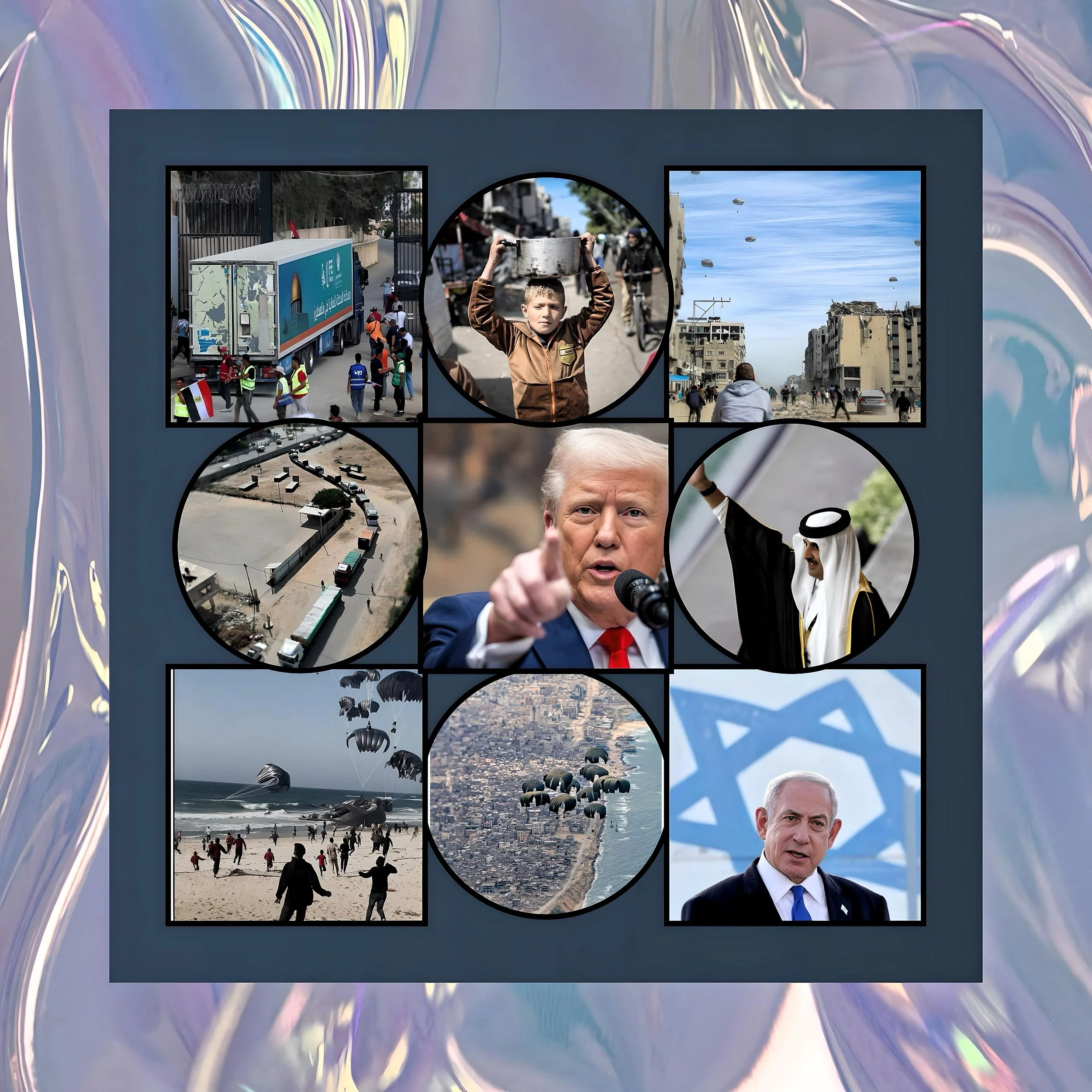
However, silence on Gaza and reluctance to condemn Hamas attacks have strained IMEC’s Arab-Israeli normalization pillar:
IMEC setbacks
Saudi Arabia’s post-Gaza outreach to Iran and frozen normalization talks with Israel jeopardize $100 billion infrastructure pledges.
INSTC dependencies
While Iran assures non-involvement in Hamas operations, U.S. secondary sanctions risk disrupting Chabahar Port expansions critical for Central Asian access.
This dual-track ambiguity could leave India without a viable trade corridor by 2030, ceding Eurasian influence to China’s Belt and Road Initiative (BRI).
U.S. Tariff Reciprocity and Export Erosion
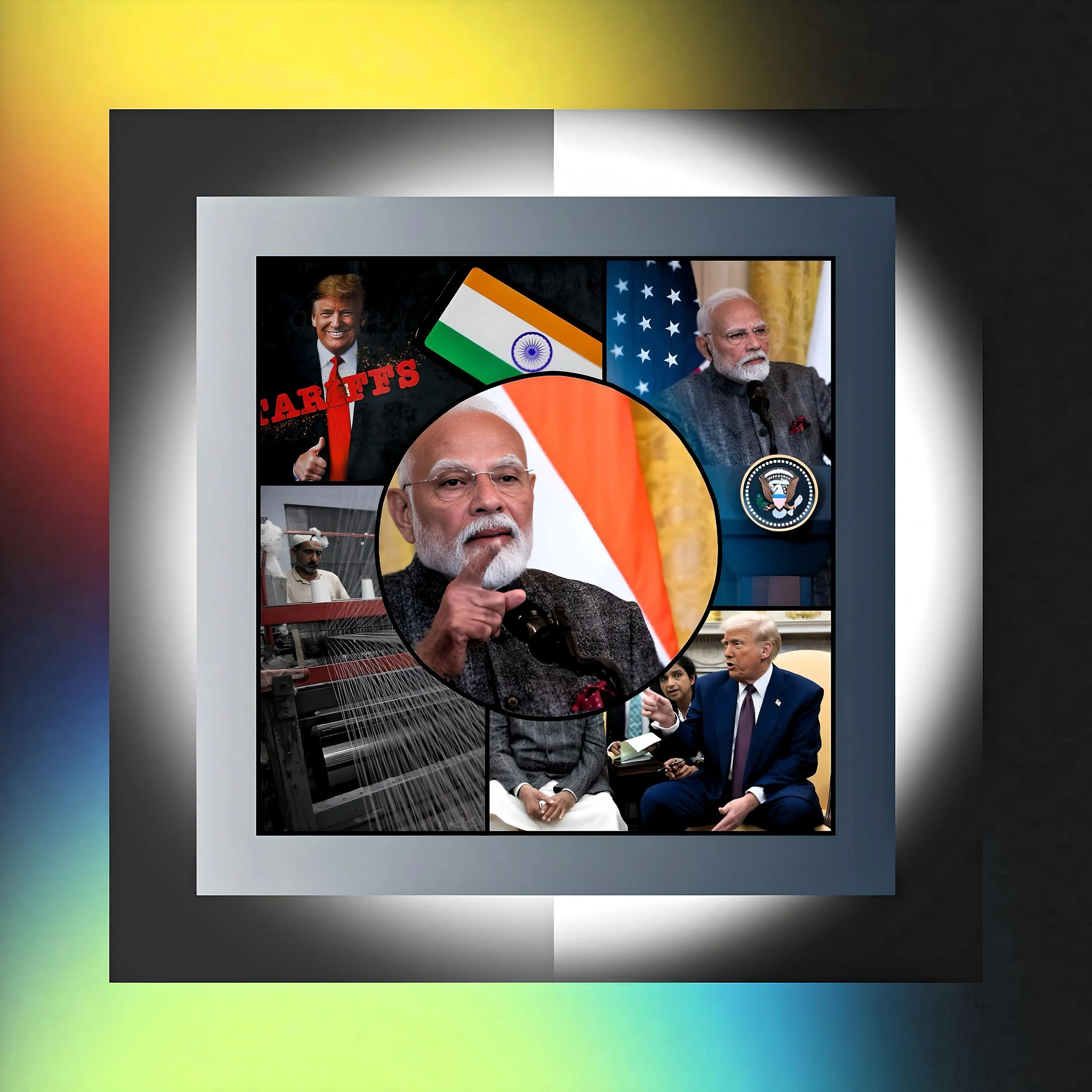
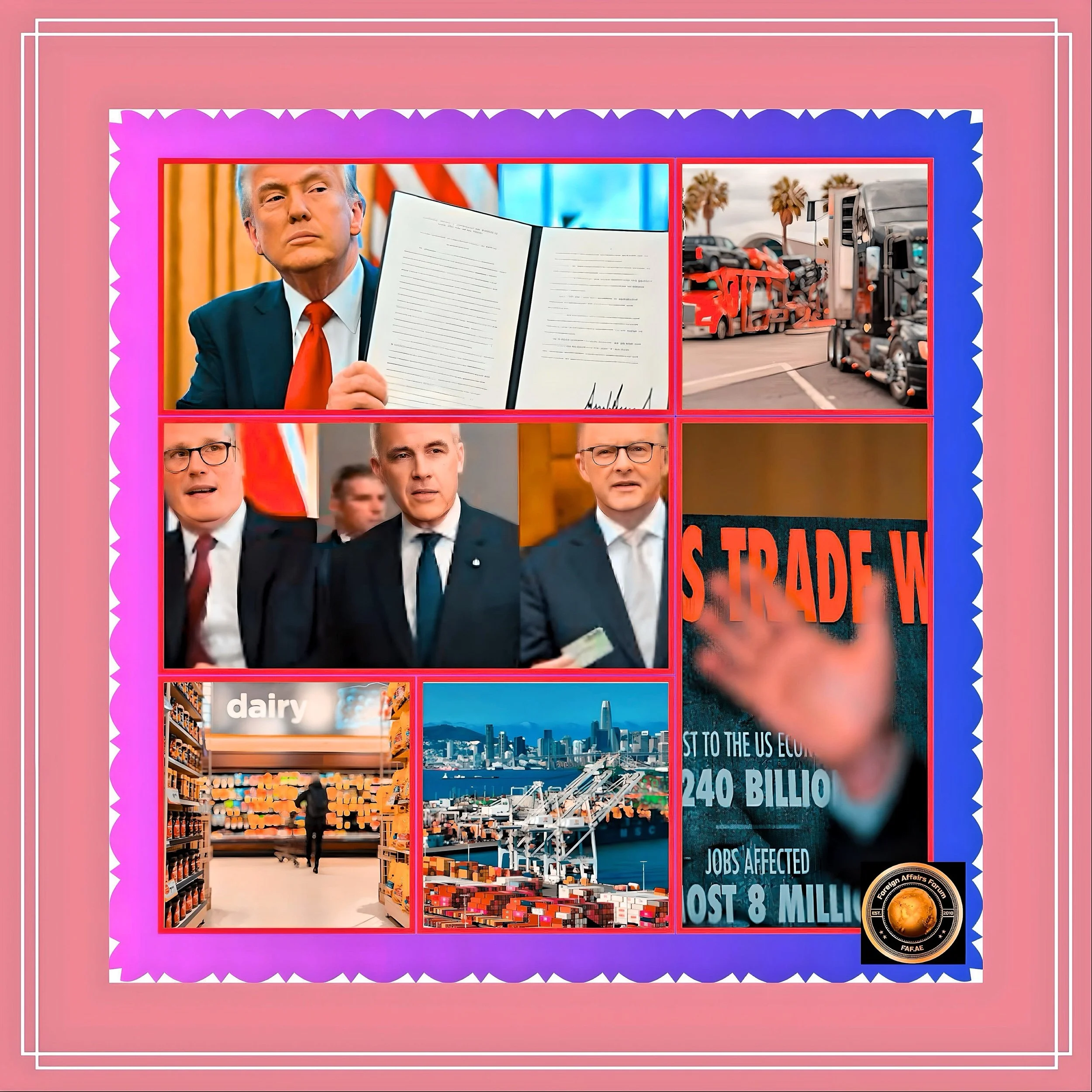
The Trump administration’s 2025 reciprocal tariffs—targeting India’s 7.07% average tariff differential—threaten $3.5 billion in annual exports across textiles, pharmaceuticals, and auto components.
India’s muted response contrasts with Canada’s and Mexico’s vocal protests, risking
Sectoral contractions
A 1% U.S. tariff hike reduces Indian exports by 0.33%, potentially idling 500,000 textile workers.
Diversification delays
Over-reliance on U.S. markets (15% of exports) leaves limited bandwidth to cultivate EU or ASEAN alternatives amid global slowdowns.
Without assertive trade diplomacy, India’s export-GDP ratio—already 22%—could stagnate further.
Institutional Inertia in Economic Diplomacy
Trade Policy Paralysis
India’s delayed 2023 Trade Policy document, described as a “dry recitation” lacking strategic vision, epitomizes institutional stagnation. Critical gaps include:
FTA stagnation
Only 13% of India’s trade occurs under FTAs vs. 35% for Vietnam, delaying access to EU and GCC markets.
Supply chain myopia
The $10 billion semiconductor subsidy pales about U.S. and EU efforts, deterring firms like Intel from diversifying beyond China.
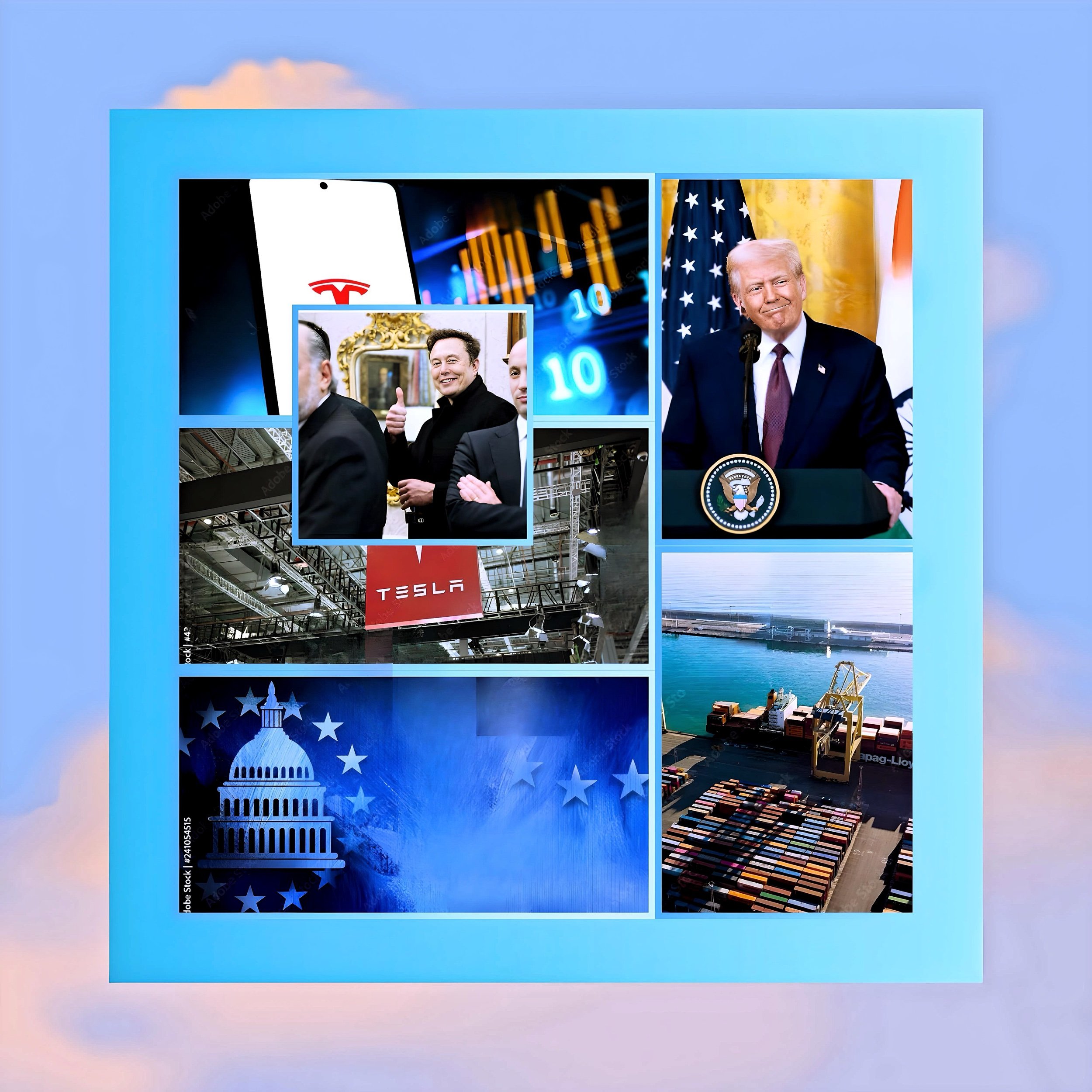
This policy vacuum cements India’s exclusion from reshoring initiatives, with Apple allocating 85% of its 2025 iPhone production to China and Vietnam.
Defense-Energy Tradeoffs
Modi’s 2025 commitment to purchase U.S. F-35s and LNG—framed as a tariff conflict resolution—exposes fiscal tradeoffs:
Debt pressures
A $15 billion defense import surge could widen the current account deficit beyond 2.5% of GDP, pressuring INR.
Energy dependency
Doubling U.S. LNG imports (to 14% of needs) risks price volatility as Henry Hub gas fluctuates post-Ukraine.
Silence on these tradeoffs may prioritize short-term tariff relief over sustainable energy security.
The Innovation Deficit and Human Capital Erosion
Education-Skill Mismatches
Despite a median age of 28.4, India’s 15–24 unemployment rate hit 23.2% in 2024 due to:
STEM graduate surplus
1.5 million engineering graduates annually face 55% underemployment rates.
Apprenticeship gaps
0.1% of firms offer formal training vs. Germany’s 20%, stifling Industry 4.0 readiness.
Without public demand for education reforms, India’s demographic dividend risks becoming a liability.
R&D Underinvestment
India’s 0.7% GDP expenditure on R&D trails China’s 2.4% and the U.S.’s 3.1%, reflected in:
Patent deficiencies
56,244 patents filed in 2024 vs. China’s 1.2 million.
Tech import dependency
Electronics imports hit $89 billion 2024, negating “Make in India” gains.
Silence on innovation funding perpetuates commodity-driven growth, leaving AI and semiconductor sectors underdeveloped.
Conclusion
The Cost of Calculated Restraint
India’s strategic silence, while avoiding immediate confrontation, incubates long-term risks: stagnant exports from tariff passivity, innovation stagnation due to muted reform advocacy, and corridor irrelevance from geopolitical hedging.
To avert a mid-2030s growth plateau (4–5% GDP), India must
Amplify domestic discourse
Empower civil society and industry bodies to vocalize structural reform needs.
Clarify trade red lines
Publish a coherent FTA roadmap targeting 30% trade coverage by 2030.
Leverage swing state status
To counter BRI/IMEC fragmentation, formalize “non-aligned” supply chain blocs with Africa and ASEAN.
As economist Kaushik Basu notes, “Silence in democracy isn’t neutrality—it’s complicity in stagnation.” India’s economic future hinges on replacing tactical quiet with strategic articulation.