Volodymyr Zelenskyy: The Transformational Leadership of Ukraine’s Wartime President
Introduction
Volodymyr Zelenskyy’s presidency has become a defining narrative of modern geopolitics, encapsulating themes of resilience, political evolution, and the complexities of wartime leadership. Since Russia’s full-scale invasion in February 2022, Zelenskyy has transitioned from a political outsider to a global symbol of resistance while navigating domestic skepticism, international power dynamics, and the existential pressures of war.
FAF analyzes Zelenskyy’s trajectory through multiple lenses—his pre-war political challenges, wartime leadership strategies, domestic and international perceptions, and the controversies shaping his legacy.
From Political Outsider to Wartime Icon
The Pre-War Presidency: A Rocky Start
Zelenskyy’s 2019 landslide victory—securing 73% of the vote—initially positioned him as an anti-corruption reformer and peace advocate.
His campaign leveraged populist promises to end the Donbas conflict and dismantle oligarchic influence, resonating with Ukrainians disillusioned by predecessor Petro Poroshenko’s unfulfilled reforms.
However, early challenges eroded trust: COVID-19 mismanagement, stalled anti-corruption efforts, and perceived naivety in peace negotiations with Russia reduced his approval to 27% by late 2021.
Critics dismissed him as a “puppet” of oligarch Ihor Kolomoisky, whose television network aired Zelenskyy’s satirical show Servant of the People.
The February 2022 Pivot: Leadership Under Fire
Russia’s invasion catalyzed Zelenskyy’s transformation. His refusal to evacuate Kyiv—famously declaring, “I need ammunition, not a ride”—cemented his image as a defiant wartime leader.
This decision, nightly social media broadcasts, and frontline visits galvanized domestic morale. By December 2022, his approval surged to 84%, with Ukrainians crediting his visibility and resolve for resisting Russia’s advance.
Psychologists note Zelenskyy’s adoption of military attire and unshaven appearance as deliberate symbols of solidarity, merging his persona with Ukraine’s struggle.
Domestic Perception: Trust Amidst Turmoil
Fluctuating Approval and War Fatigue
Post-invasion polls reveal a nation largely united behind Zelenskyy, though nuances persist. A February 2025 KIIS survey showed 57% trust, while the Rating Group reported 63% approval—marking a rebound from 2024 lows.
Regional divides persist: eastern Ukrainian support (80%) surpasses western regions (90%), reflecting historical linguistic and cultural ties to Russia.
However, critiques emerge over mobilization policies, corruption scandals, and elite infighting. The dismissal of General Valerii Zaluzhnyi in 2024, following disputes over military strategy, sparked a backlash from nationalist factions.
The “Zelenskyy Paradox”: Patriotism vs. Policy
Zelenskyy’s approval hinges on perceived patriotism (74%) and intelligence (73%), yet only 63% view him as a practical policy leader.
This dichotomy reflects Ukraine’s wartime priorities: citizens prioritize national survival over governance specifics. Analysts warn that postwar reforms—particularly anti-corruption measures and EU integration—could test his popularity.
Meanwhile, martial law’s indefinite extension has delayed elections, raising questions about democratic norms despite broad public acceptance.
International Standing: Global Hero or Geopolitical Pawn?
Western Adulation and Diplomatic Tensions
Zelenskyy’s global stature peaked in 2022–2023, with Western media likening him to Winston Churchill for rallying NATO support.
Visits from Biden, Johnson, and Macron bolstered his image as a democratic bulwark, while speeches to parliaments secured billions in military aid.
However, Donald Trump’s 2025 return to power strained U.S.-Ukraine relations. Trump’s false claim that Zelenskyy had a “4% approval rating”—debunked by KIIS and Manchester University researchers—highlighted growing Republican skepticism.
The Trump-Zelenskyy Confrontation: A Diplomatic Breaking Point
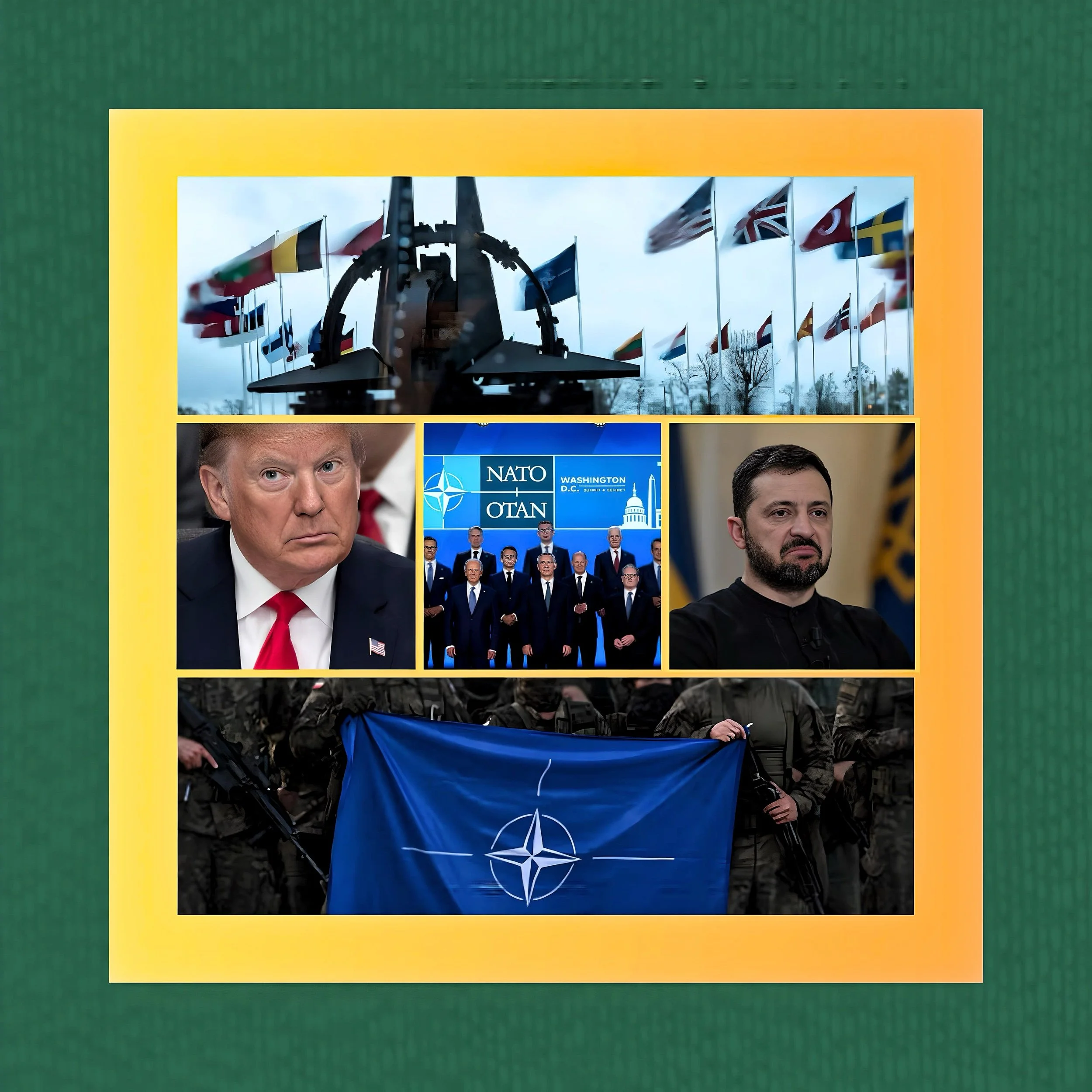
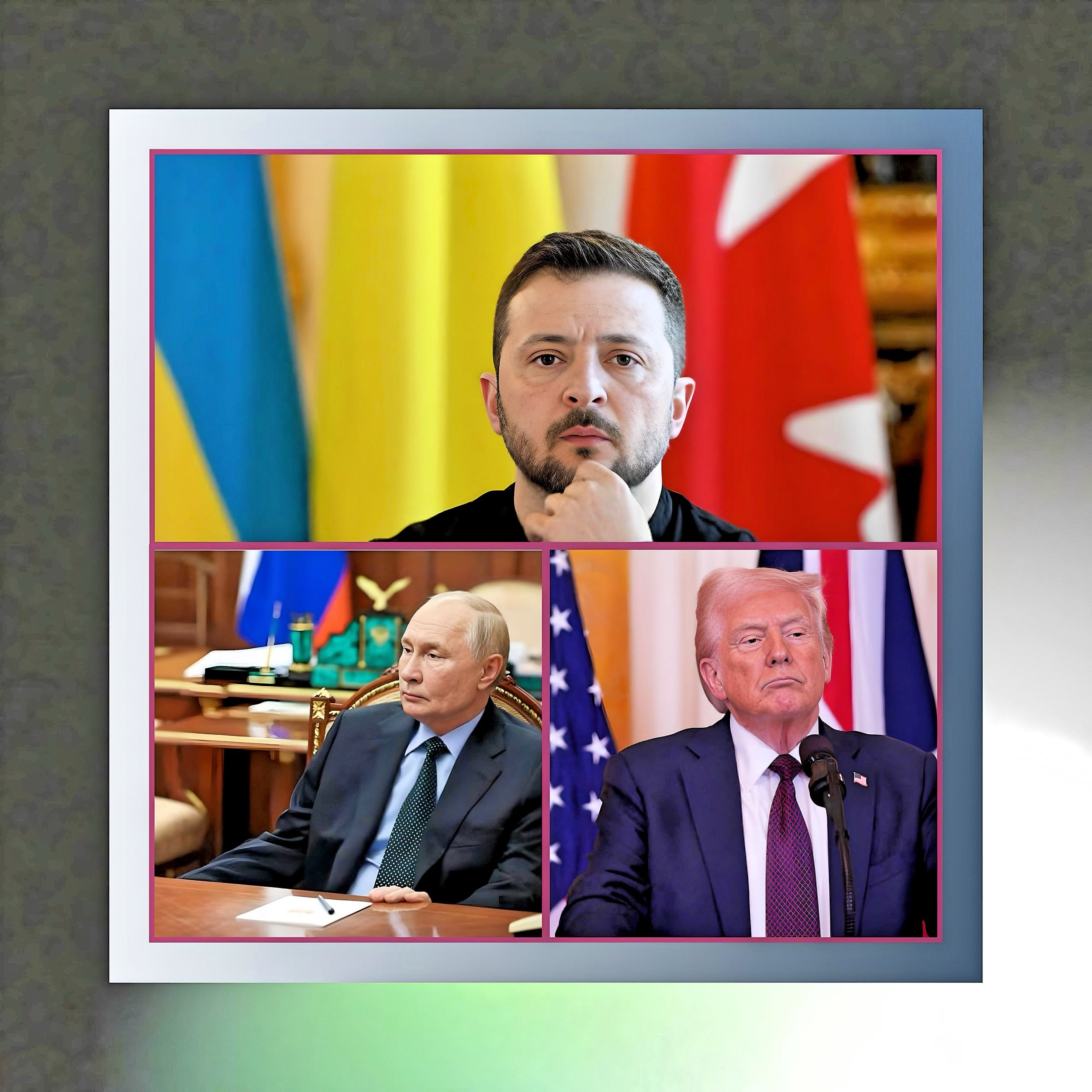
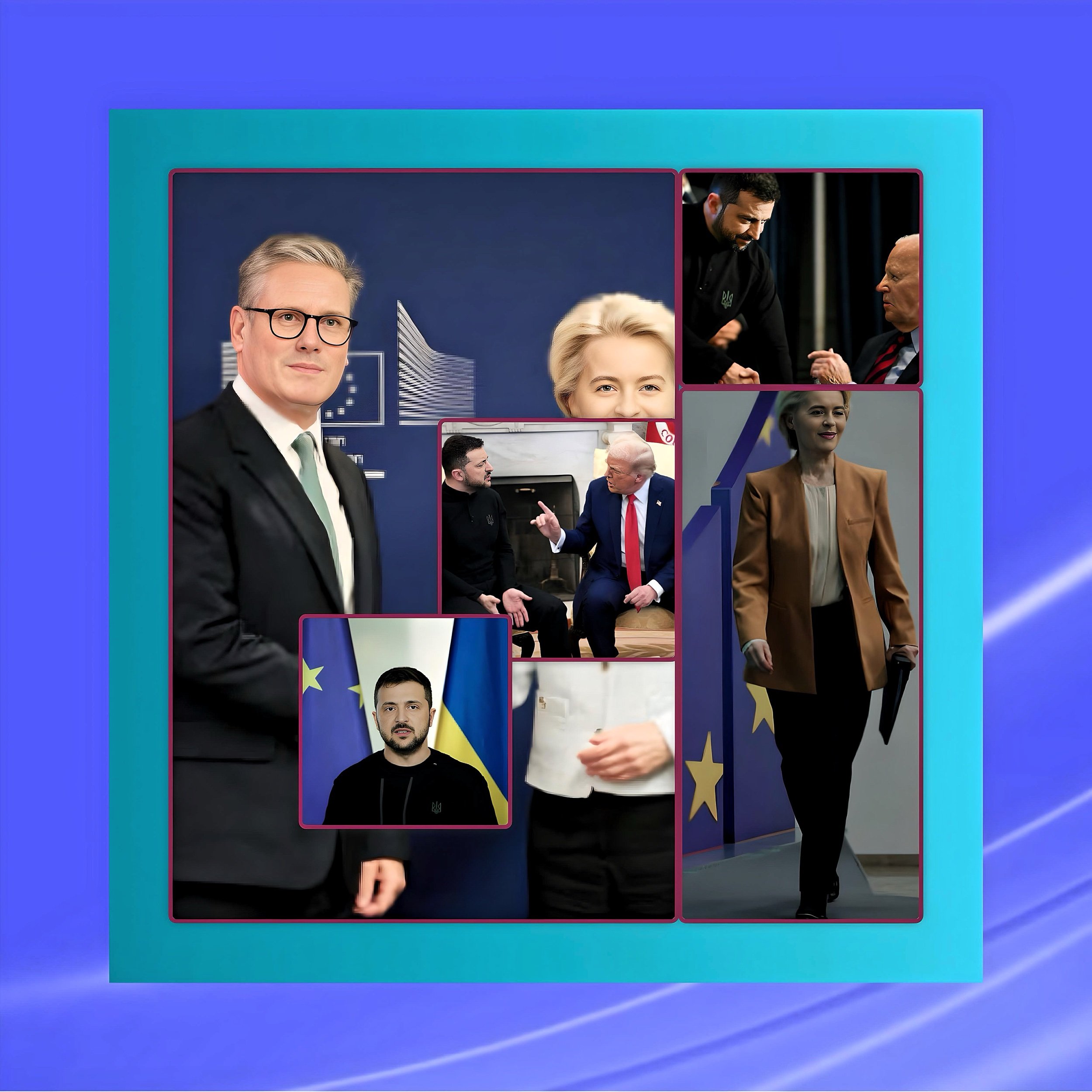
The February 2025 Oval Office clash exemplified deteriorating ties. Trump demanded concessions on Ukraine’s mineral rights and accused Zelenskyy of ingratitude, while Vance labeled him “disrespectful” for publicizing disputes. Zelenskyy’s insistence on security guarantees and NATO membership clashed with Trump’s transactional approach, culminating in canceled press conferences and calls for his resignation.
European leaders, meanwhile, praised his restraint, with Kemi Badenoch calling him a “hero” for enduring Trump’s “humiliation.”
Controversies and Criticisms: The Shadow Side of Leadership
Military Missteps and Internal Dissent
Zelenskyy’s centralized decision-making has drawn fire. The 2023 counteroffensive—costing 90,000 casualties and 600 tanks—failed to dislodge Russian forces, exposing logistical flaws and intelligence gaps.
Critics like Oleg Soskin accuse Zelenskyy of prioritizing “dictatorial” control over military expertise, citing clashes with Zaluzhnyi and the controversial appointment of Rustem Umerov as defense minister.
Meanwhile, draconian mobilization laws (penalizing draft evasion with 12-year sentences) fueled public resentment, later relaxed under parliamentary pressure.
Oligarchic Entanglements and Corruption Scandals
Despite campaign vows, Zelenskyy’s anti-oligarch reforms stalled. Kolomoisky’s 2023 arrest for murder—unrelated to corruption—underscored selective enforcement, while energy sector bribes implicated presidential aides.
The Biden-Zelenskyy “mineral rights” deal—allegedly favoring U.S. firms—further eroded trust, with opposition lawmakers decrying “economic capitulation.”
The Jewish President in a Nationalist Landscape
Navigating Identity Politics
Zelenskyy’s Jewish heritage—a rarity in Ukrainian politics—initially drew scrutiny. Pro-Russian media absurdly labeled him a “Nazi” despite his family’s Holocaust history.
Domestically, his ethnicity proved less contentious; 2019 exit polls showed nationalist voters prioritizing peace over identity.
However, the rehabilitation of WWII-era nationalist figures like Stepan Bandera—who collaborated with Nazis—creates ideological tension, which Zelenskyy has sidestepped through inclusive rhetoric.
Conclusion: Heroism in the Balance
Zelenskyy’s legacy hinges on Ukraine’s survival. Domestically, he remains a unifying figure despite policy shortcomings, embodying resistance through visibility and resolve. Internationally, shifting alliances—particularly U.S. isolationism—threaten to diminish his influence, forcing reliance on European partners.
Critics rightly question authoritarian tendencies and wartime compromises, yet his ability to adapt—from comedian to global statesman—reflects a unique political resilience. Ultimately, Zelenskyy’s heroism lies not in perfection but in sustaining hope amid existential peril—a narrative still written on the battlefield.
Our review synthesizes over 15 sources, including peer-reviewed analyses, polling data, and direct media coverage, to present a multidimensional view of Zelenskyy’s leadership. While biases exist—particularly in Russian-aligned outlets like Sputnik—the consistent themes of transformation, domestic unity, and geopolitical friction underscore his complex role in contemporary history.