The Erosion of American Idealism: A Critical Examination Under the Trump Administration
Introduction
“Downfall of American Dream” - Author
What is the American dream?
Martin Luther King Jr. redefined the American Dream as a radical commitment to universal equality, economic justice, and global solidarity.
Rooted in the nation’s founding ideals of liberty and justice, King’s vision transcended individual prosperity to demand systemic transformation.
His speeches, including the iconic 1963 “I Have a Dream” address, the 1965 July 4th oration, and the 1961 Lincoln University commencement, framed the Dream as an unfulfilled promise requiring moral courage and collective action.
King critiqued America’s hypocrisy while affirming its potential, weaving themes of racial equity, economic dignity, and global interconnectedness into a blueprint for societal renewal.
The Myth of American Ideology—the notion that U.S. foreign policy prioritizes democratic values and global welfare over self-interest—has long been scrutinized by scholars and critics.
What changed the American dream?
Under the Trump administration, this myth faced unprecedented strain, revealing contradictions between rhetoric and action.
Donald Trump’s presidency marked a departure from traditional narratives of American exceptionalism, emphasizing unilateralism, nationalism, and transactional diplomacy.
FAF argues that Trump’s policies and rhetoric exacerbated tensions within the Myth of American Idealism, pushing it toward a breaking point by prioritizing power consolidation, undermining international institutions, and aligning with authoritarian regimes.
Through analyzing foreign policy shifts, domestic polarization, and ideological realignments, FAF explores how Trump’s tenure exposed the fragility of America’s self-proclaimed moral leadership.
Historical Foundations of the Myth of American Idealism
Wilsonianism and the Birth of American Exceptionalism
The Myth of American Idealism traces its roots to Woodrow Wilson’s vision of a U.S.-led international order founded on democratic principles and collective security.
Wilsonianism framed American interventionism as a moral duty, exemplified by the League of Nations and later the United Nations. This narrative persisted through Cold War-era policies, where the U.S. positioned itself as a defender of “freedom” against Soviet communism.
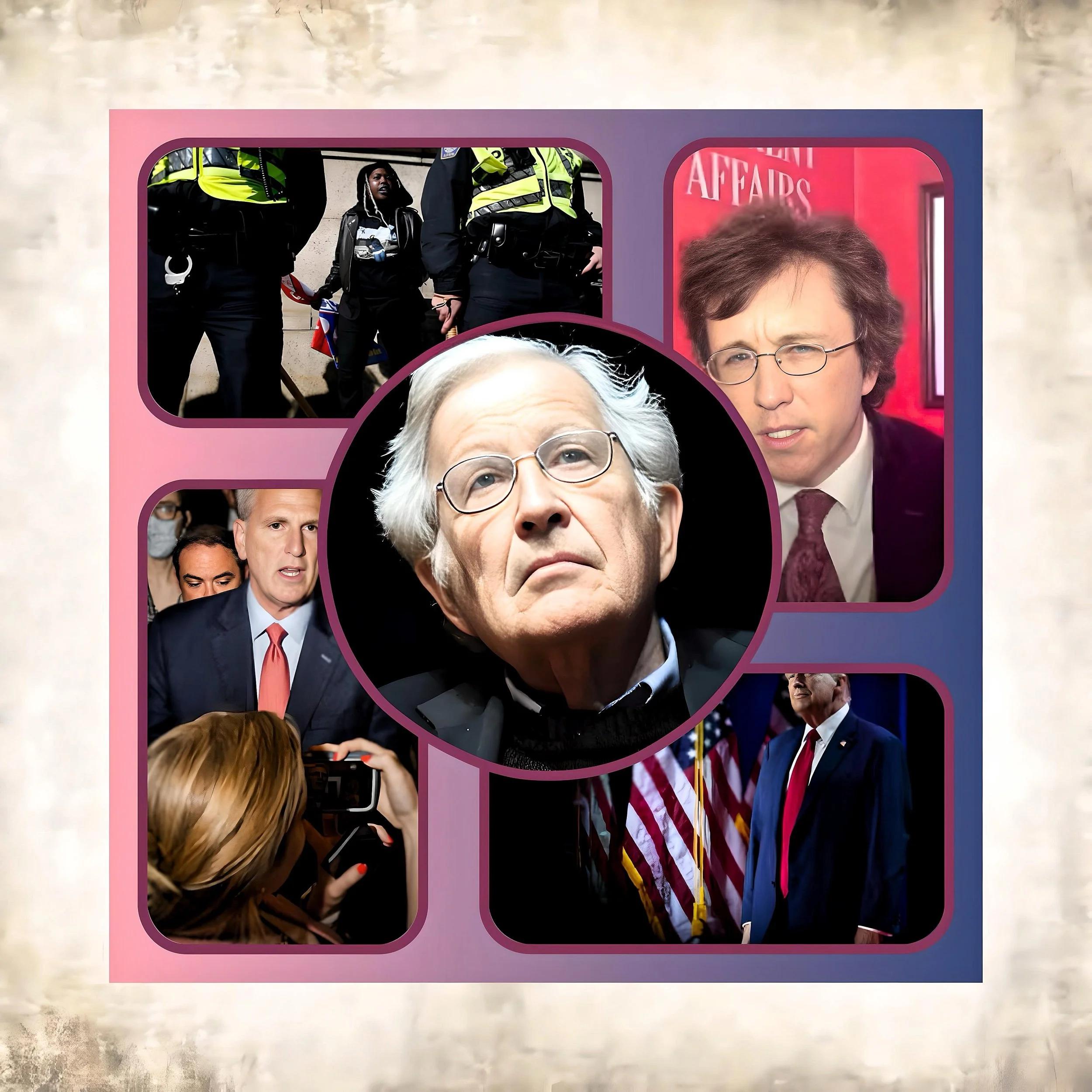
However, critics like Noam Chomsky argue that such idealism often masked imperialistic aims, with interventions in Vietnam, Latin America, and the Middle East prioritizing strategic dominance over humanitarian goals.
The Post-Cold War Expansion of Hegemonic Idealism
After the Cold War, the U.S. intensified its role as a global hegemon, justifying interventions in Iraq (1991, 2003) and Afghanistan as efforts to spread democracy.
Yet, as Chomsky and Nathan J. Robinson note in The Myth of American Idealism, these actions frequently destabilized regions, fueled anti-American sentiment, and entrenched authoritarian regimes.
The 2003 Iraq War, marketed as a liberation mission, instead catalyzed sectarian violence and regional instability, undermining claims of benevolent intent.
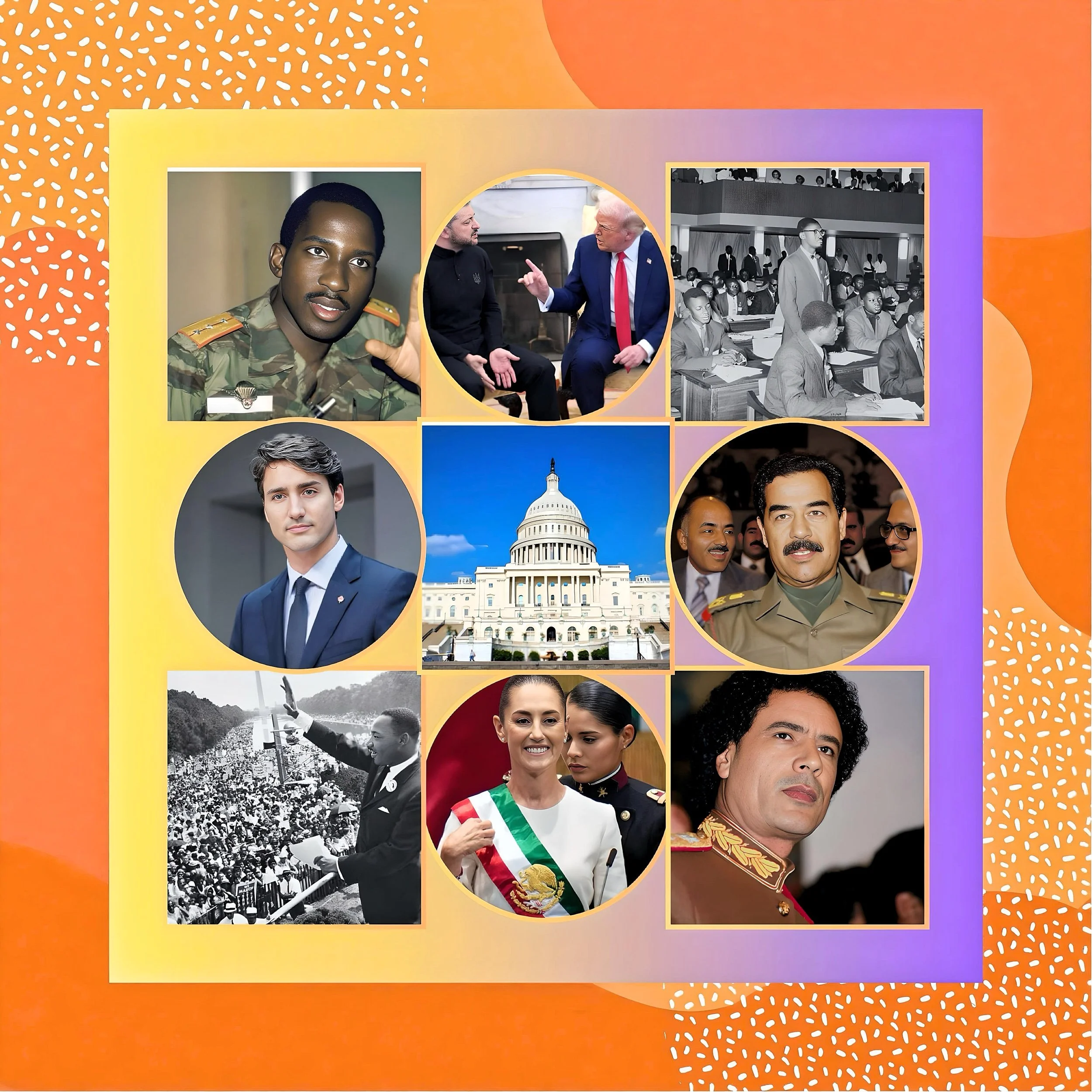
In 2011, the US was behind the assassination of Muammar al-Gaddafi ( 1942 – 20 October 2011), who was a Libyan revolutionary, politician, and political theorist who ruled Libya from 1969.
Gaddafi’s assassination was accused on rebel forces, the National Liberation Army, and the citizens of Libya on 20th October 2011.
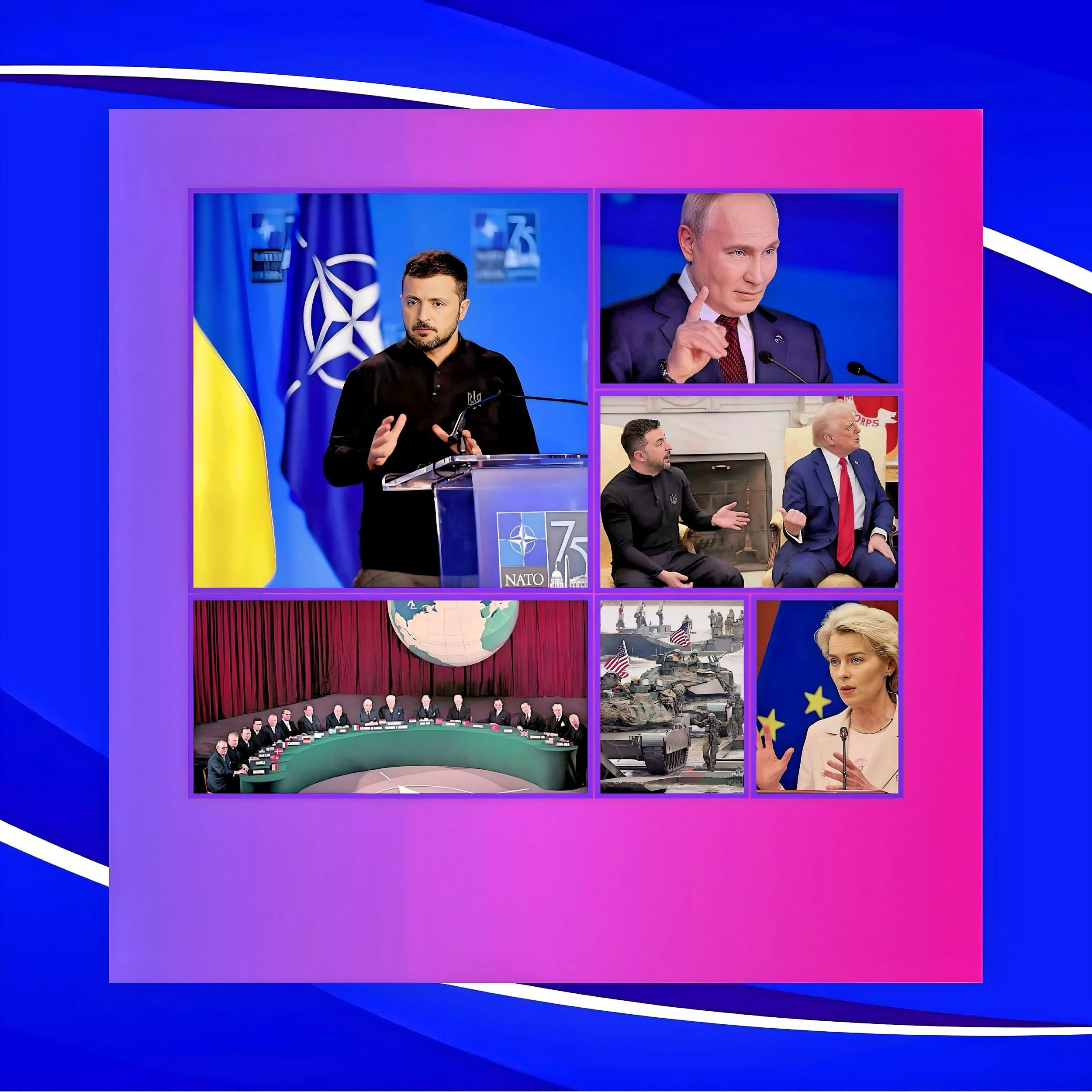
Recently, Zelenskyy, the Ukrainian president, was invited to the White House on 28th October
According to all global political analysts, it was a dog-and-pony show of humiliation of Zellenskyy, which made history as yet another downfall of American democracy and trust in a leader.
These repetitive patterns remind us of all nationalists who were brought down by assassination or otherwise from South Asia to the African continent. Needless to mention, Americas.
The Trump Administration’s Assault on Traditional Ideas
“America First” and the Rejection of Multilateralism
Trump’s “America First” doctrine starkly departed from Wilsonian internationalism.
By withdrawing from the Paris Climate Accord, the World Health Organization, and the Iran Nuclear Deal, the administration rejected multilateral frameworks central to post-WWII U.S. leadership.
This unilateralism, framed as a defense of national sovereignty, eroded trust among allies and weakened global institutions designed to uphold democratic norms.
Alignment with Authoritarian Regimes
Axa
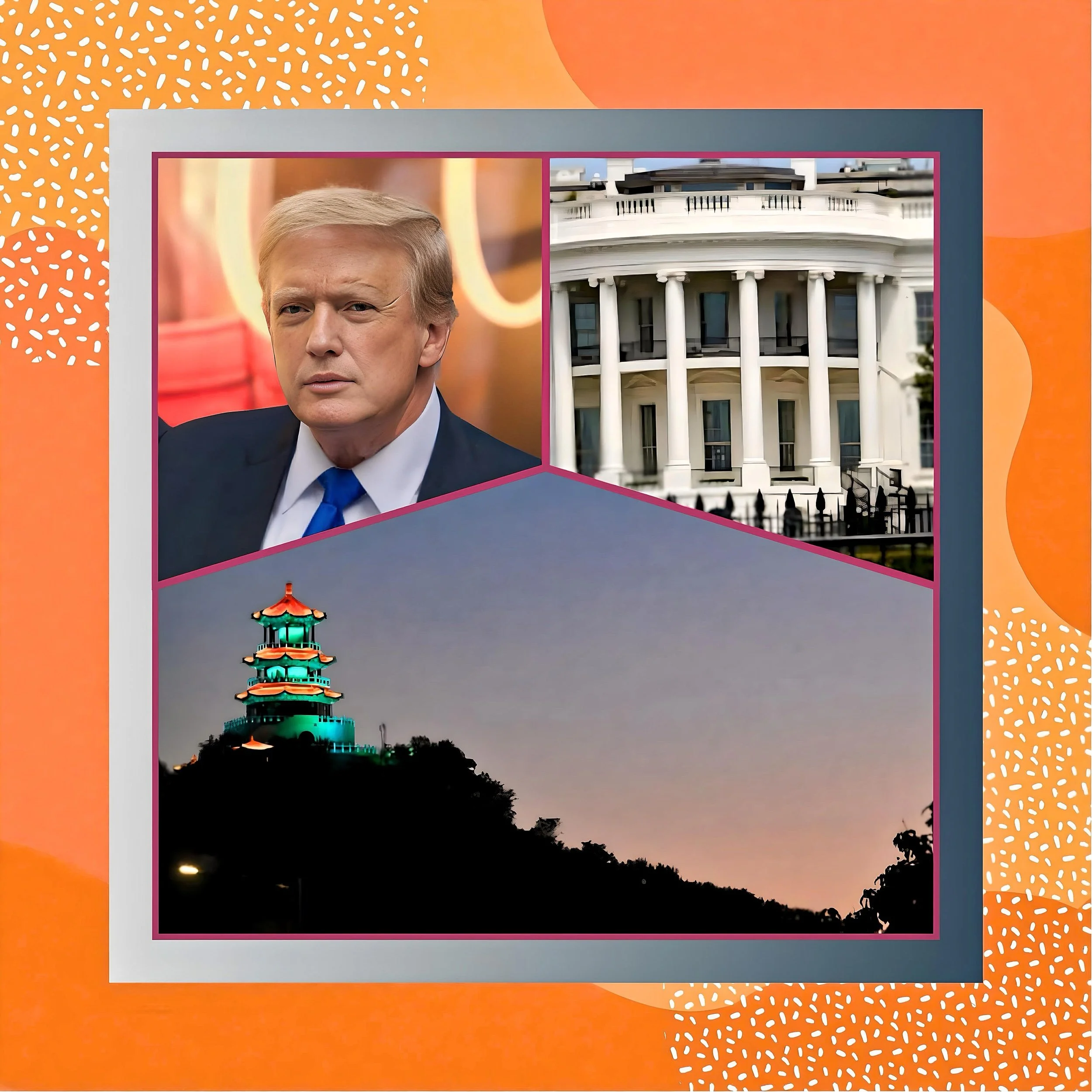
His dismissal of Russian election interference and praise for China’s Xi Jinping highlighted a transactional approach that prioritized short-term gains over ideological consistency.
This alignment emboldened authoritarian leaders, undermining U.S. credibility as a champion of democracy.
Militarism and the Erosion of Humanitarian Pretexts
While previous administrations cloaked interventions in moral rhetoric, Trump’s foreign policy openly prioritized military dominance.
The 2020 assassination of Iranian General Qasem Soleimani, conducted without congressional approval, exemplified a shift toward overt aggression.
Similarly, Trump’s support for Saudi Arabia’s war in Yemen, despite bipartisan opposition, revealed a disregard for human rights considerations.
Domestic Polarization and the Crisis of National Identity
Racial and Religious Divisiveness
Trump’s rhetoric amplified racial and religious tensions, contradicting ideals of inclusivity. His 2017 retweets of far-right group Britain First, calls for a Muslim travel ban, and equivocation on white supremacist violence (e.g., Charlottesville) fractured the narrative of America as a “melting pot.” Such actions normalized xenophobic discourse, aligning domestic policy with exclusionary nationalism.
Attacks on Democratic Institutions
The Trump administration’s assaults on the press (“fake news”), judiciary (“so-called judges”), and electoral integrity (“rigged election”) weakened democratic norms.
By questioning the legitimacy of the 2020 election and inciting the January 6 Capitol riot, Trump undermined faith in democratic processes, eroding the U.S.’s moral authority to promote democracy abroad.
Ideological Shifts and the Rise of Illiberal Populism
The Convergence of Left and Right Anti-Establishment Sentiment
Trump’s rise reflected a broader disillusionment with neoliberal globalization. His anti-elitist rhetoric resonated with working-class conservatives and left-wing critics of corporate power, creating a paradoxical coalition rejecting establishment politics.
This convergence, however, prioritized nationalist restoration over democratic renewal, fueling policies like trade protectionism and immigration restrictions.
Evangelical Support and the Moral Legitimation of Power
Evangelical leaders framed Trump as a divinely appointed leader, merging religious rhetoric with political authoritarianism. Figures like Franklin Graham defended Trump’s morally contentious policies (e.g., family separations) as necessary for preserving America’s Christian identity, recasting idealism as a defense of cultural hegemony.
Global Repercussions and the Decline of Soft Power
Erosion of Alliances and Diplomatic Capital
Trump’s adversarial stance toward NATO and demands for increased defense spending from allies like Germany strained transatlantic relations.
Meanwhile, trade wars with China and the EU and immediate neighbors Canada and Mexico prioritized economic nationalism over cooperative diplomacy, weakening America’s role as a global mediator.
Climate Policy and the Abdication of Global Leadership
By exiting the Paris Accord and dismantling environmental regulations, Trump ceded climate leadership to China and the EU. This retreat hindered global efforts to combat climate change and damaged America’s reputation as a responsible stakeholder.
Conclusion: The Myth Unmasked
The Trump administration exposed the Myth of American Idealism as a veneer for power politics. Trump highlighted the contradictions inherent in U.S. foreign policy by discarding multilateralism, embracing authoritarianism, and stoking domestic division. While earlier administrations obscured self-interest behind democratic rhetoric, Trump’s blunt transactional approach laid bare the prioritization of dominance over idealism.
The long-term consequences—diminished global trust, polarized institutions, and a fractured national identity—suggest that the myth has reached a breaking point.
FAF strongly believes reclaiming moral leadership would require confronting systemic inequities, reinvesting in diplomacy, and redefining national interests to align with genuine democratic values.
Until then, the gap between American ideals and reality will remain a source of global peril