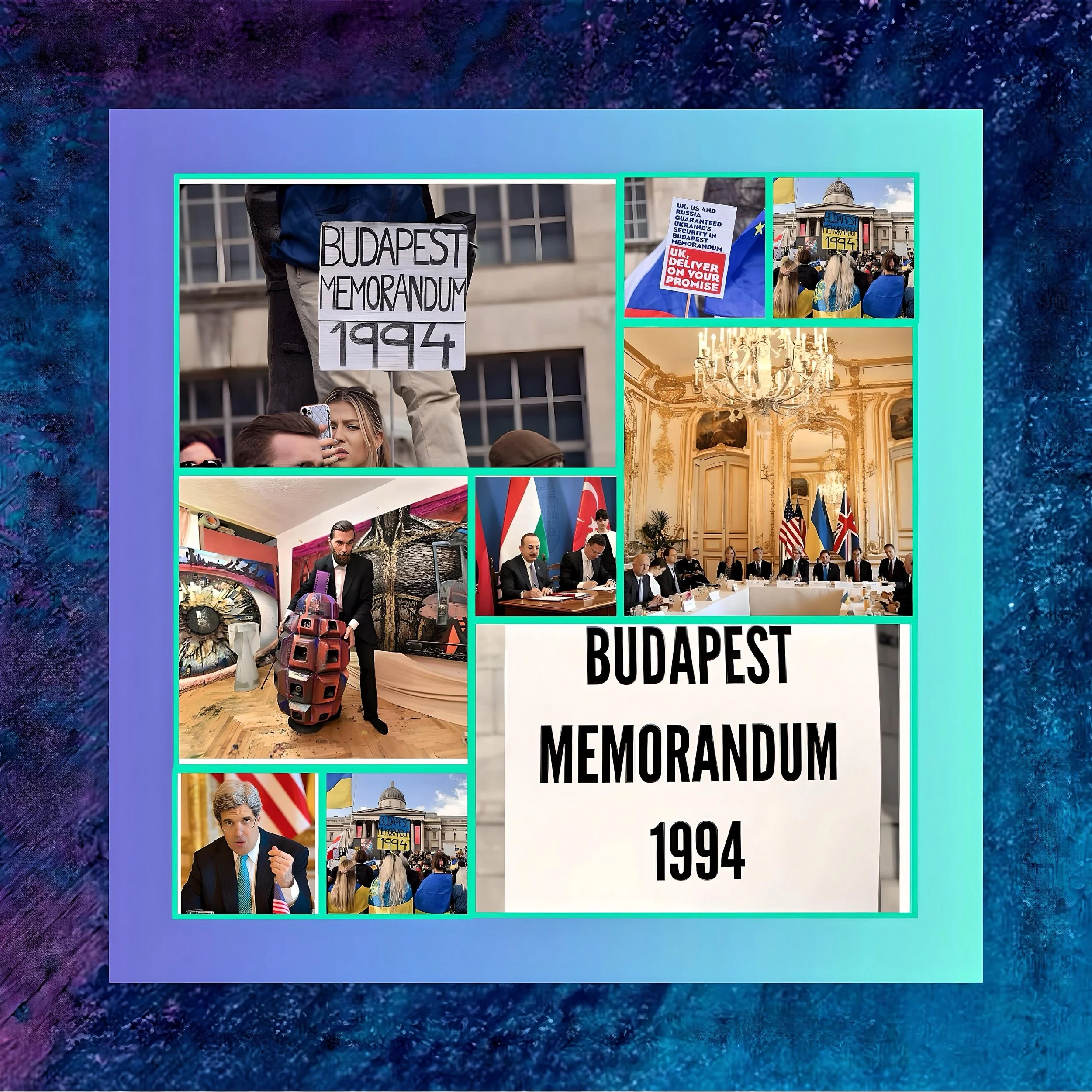
The Budapest Memorandum and Ukraine’s Nuclear Disarmament: A Historical Reckoning and Contemporary Crisis
Introduction
In 1994, Ukraine relinquished the world’s third-largest nuclear arsenal under the Budapest Memorandum, exchanging its Soviet-inherited weapons for security assurances from Russia, the United States, and the United Kingdom.
Thirty years later, as Russia’s full-scale invasion grinds into its fourth year, Ukraine’s leadership and citizens confront a harrowing question: Was disarmament a catastrophic miscalculation?
FAF examines the geopolitical, legal, and moral dimensions of Ukraine’s denuclearization, the failure of the Budapest Memorandum’s security guarantees, and the escalating debate over whether nuclear rearmament or NATO membership represents the only viable path to survival.
Historical Context of Ukraine’s Nuclear Disarmament
The Soviet Collapse and Ukraine’s Nuclear Inheritance
When the Soviet Union dissolved in 1991, Ukraine inherited approximately 1,900 strategic nuclear warheads and 176 intercontinental ballistic missiles (ICBMs), making it the third-largest nuclear power overnight.
However, these weapons were functionally under Russian control due to Moscow’s retention of launch codes and maintenance infrastructure.
Ukrainian policymakers faced a dilemma: retain the arsenal to deter potential Russian aggression or leverage disarmament for economic aid and international integration.
The 1986 Chornobyl disaster loomed large in national memory, fostering skepticism toward nuclear energy and weapons while galvanizing anti-Moscow sentiment.
The Trilateral Negotiations and U.S. Pressure
The Clinton administration, prioritizing global nonproliferation, pressured Ukraine to denuclearize through the 1994 Trilateral Statement.
In exchange for transferring warheads to Russia, Ukraine received $1 billion in compensation for highly enriched uranium, $330 million in U.S. dismantlement aid, and vague security assurances.
Crucially, the agreement’s language shifted from “guarantees” to weaker “assurances” during translation, a semantic sleight-of-hand that later proved consequential.
Ukrainian officials, including President Leonid Kravchuk, acquiesced under threats of international isolation and economic collapse.
The Budapest Memorandum: Promises and Pitfalls
Security Assurances as Political Theater
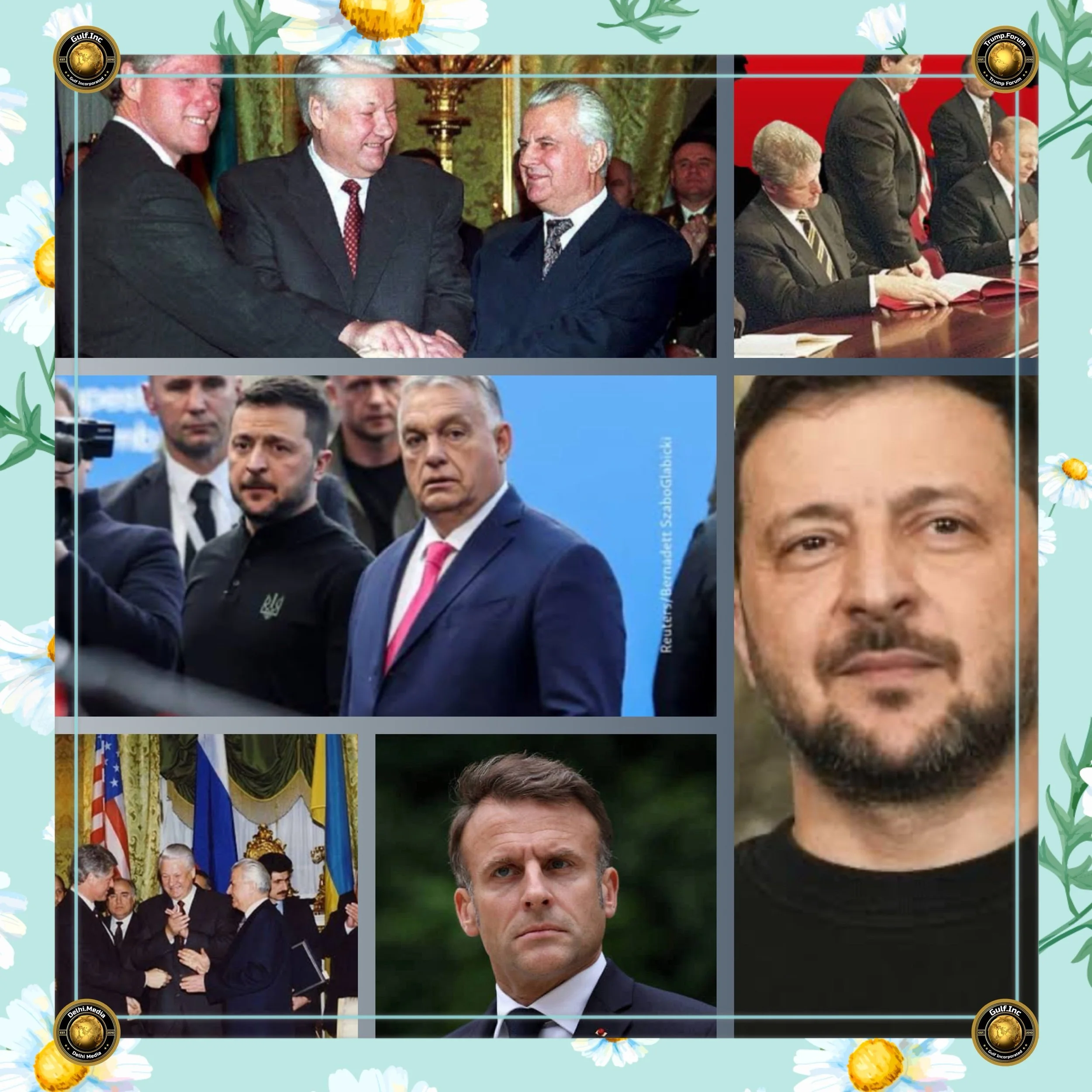
Signed on December 5, 1994, the Budapest Memorandum obligated Russia, the U.S., and the U.K. to respect Ukraine’s territorial integrity and refrain from economic coercion.
Despite its high-profile signing, the memorandum lacked enforcement mechanisms, binding legal force, or predefined violation consequences.
U.S. officials privately acknowledged its limitations, with Deputy Secretary of Defense William Perry later admitting, “We never intended to fight Russia over Ukraine.”
For Kyiv, the memorandum symbolized Western goodwill; for Moscow, it was a tactical concession to neutralize a rival.
The Illusion of Deterrence
Ukraine’s disarmament rested on flawed assumptions. Pro-nuclear advocates like John Mearsheimer argued that a Ukrainian deterrent could have prevented Russian revanchism.
Conversely, technical realities made a functional arsenal implausible, such as Ukraine’s reliance on Russian maintenance for warheads and the prohibitive cost of establishing independent command systems.
As former Pivdenmash director Leonid Kuchma noted, Ukraine’s ICBMs were “useless against Russia” without warhead control. The Clinton administration exploited these vulnerabilities, framing disarmament as Ukraine’s only rational choice.
The Unraveling: Russia’s Violations and Western Inaction
Crimea and the Erosion of Trust
Russia’s 2014 annexation of Crimea shattered the Budapest Memorandum’s credibility despite Ukraine invoking the agreement’s consultation clause, the U.S. and U.K. limited responses to sanctions and non-lethal aid.
Then-acting President Oleksandr Turchynov lamented, “The guarantees were fictitious…we were disarmed for real”. The invasion exposed the West’s reluctance to confront Russia militarily, emboldening Putin’s 2022 escalation.
The 2022 Invasion and the Failure of Collective Security
Russia’s full-scale invasion triggered a global reckoning. Ukrainian President Volodymyr Zelenskyy condemned the Budapest signatories for offering “sympathy instead of missiles.”
While Western arms shipments sustained Ukraine’s defense, the absence of direct NATO intervention underscored the hollowness of post-Cold War security architectures.
Bill Clinton later expressed regret, acknowledging, “Ukraine wouldn’t be in this mess if they’d kept nukes.”
Ukraine’s Strategic Crossroads: NATO or Nuclear Rearmament?
The NATO Membership Quandary
Ukraine’s 2008 NATO application remains stalled, with allies divided over provoking Russia. President Zelenskyy’s 2025 ultimatum—“Give us NATO or nukes”—reflects mounting desperation.
While Finland and Sweden expedited their accession after Russia’s invasion, Ukraine faces unique hurdles: ongoing conflict, territorial disputes, and U.S. hesitancy under a prospective Trump administration.
The Nuclear Option: Feasibility and Consequences
Ukraine retains latent nuclear capabilities, including uranium reserves and technical expertise. Withdrawing from the Non-Proliferation Treaty (NPT) under Article 10—a right affirmed by Parliament in 1994—could legitimize a weapons program.
However, constructing deliverable warheads would take years and invite catastrophic retaliation. Polls show 65% of Ukrainians support nuclear rearmament, yet experts caution that even a symbolic program could fracture international support.
Global Implications: The Collapse of Nuclear Bargains
The Erosion of Nonproliferation Norms
The Budapest Memorandum’s collapse has destabilized global disarmament efforts. Nations like Iran and North Korea cite Ukraine’s plight to justify their nuclear pursuits.
As Harvard’s Mariana Budjeryn warns, “Why disarm if security assurances are worthless?”. The U.S. faces a credibility crisis, with its assurances now scrutinized by allies like Taiwan and Saudi Arabia.
Legal vs. Political Commitments: A False Dichotomy
Russia’s claim that the memorandum was “merely political” ignores its obligations under the UN Charter and the NPT.
Legal scholars argue that the agreement’s incorporation of pre-existing treaties imbues it with enforceability, though proving this in international courts remains fraught.
Nonetheless, the West’s tepid response has set a perilous precedent: powerful states can violate political pledges with impunity.
Conclusion
Lessons from a Thirty-Year Betrayal
Ukraine’s disarmament epitomizes the perils of trading tangible security for abstract promises.
The failure of the Budapest Memorandum has not only fueled Ukraine’s existential crisis but also undermined the foundational bargains of the nuclear order.
As Kyiv weighs its options, the international community must confront an uncomfortable truth: without credible security guarantees, proliferation becomes rational.
For Ukraine, the path forward hinges on NATO’s willingness to defy Russian threats or a fraught pursuit of nuclear latency—a choice no nation should face.
“The legacy of 1994 is a stark admonition: in a world where power dictates terms, disarmament without deterrence is naivety.” - Author