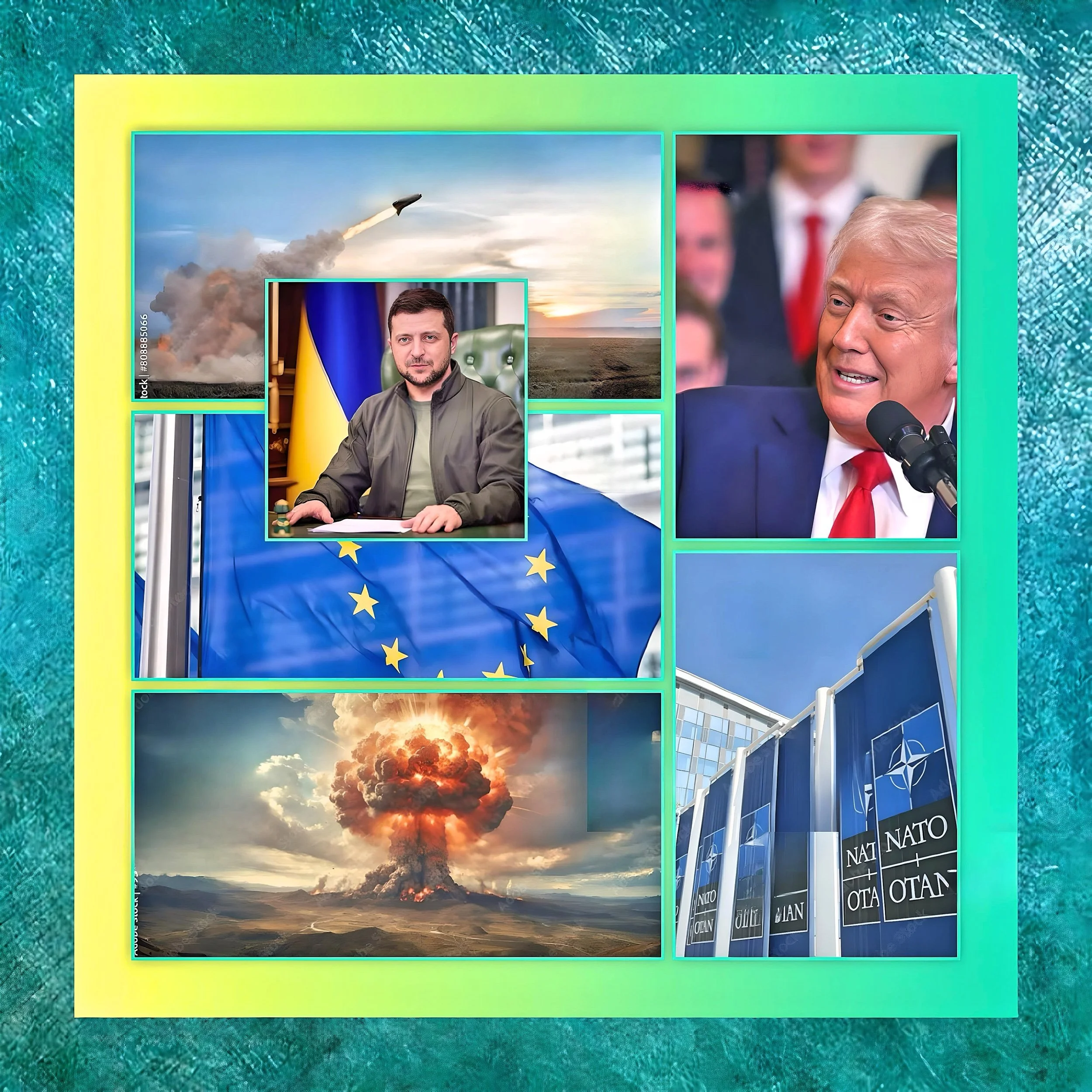
Zelenskyy of Ukraine wants to go Nuke or NATO?
Introduction
Ukrainian President Volodymyr Zelenskyy has intensified calls for nuclear deterrence options amid stalled NATO membership prospects, framing it as a necessary defense strategy against Russia. Here’s the context and implications of his stance:
Nuclear Weapons as a Deterrent Demand
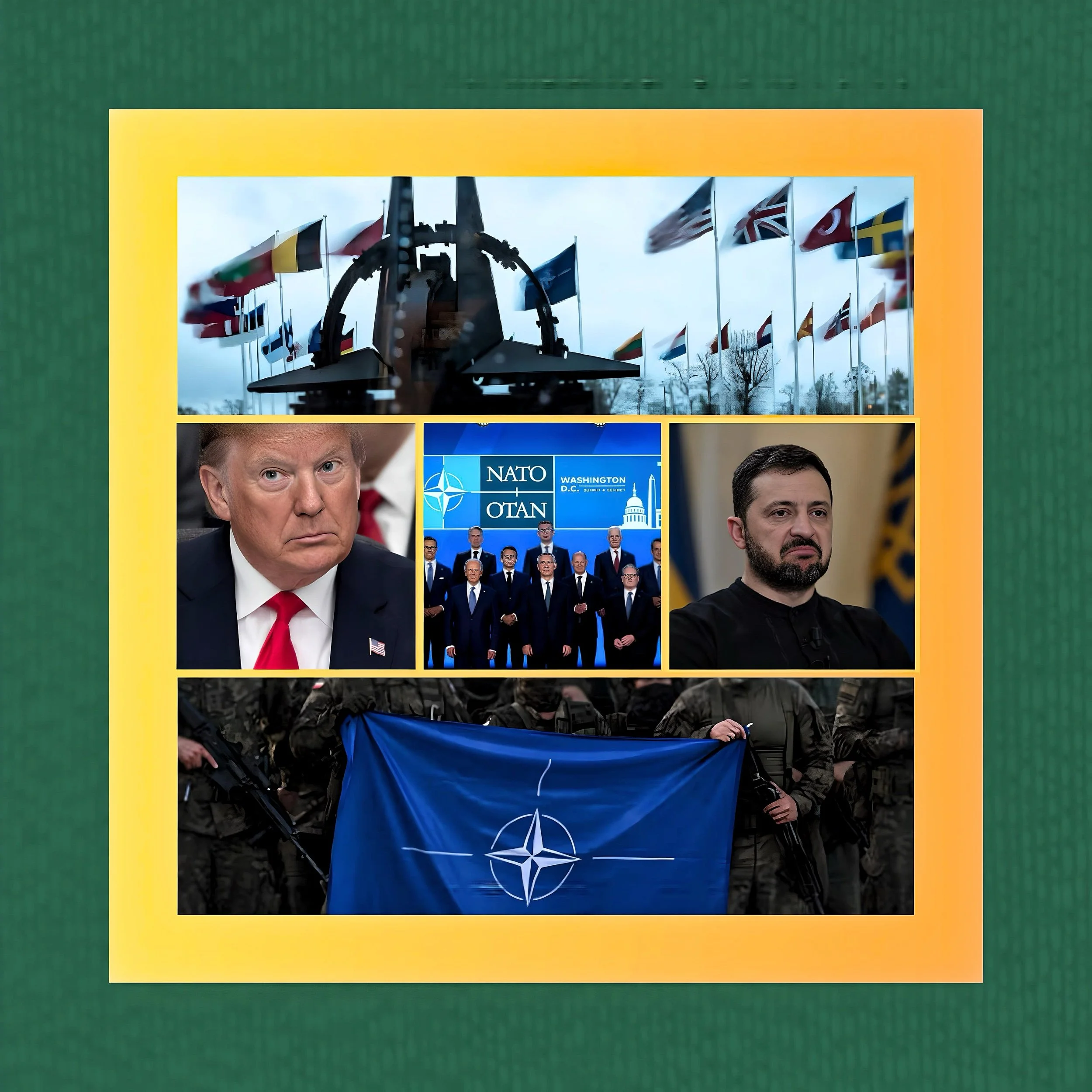
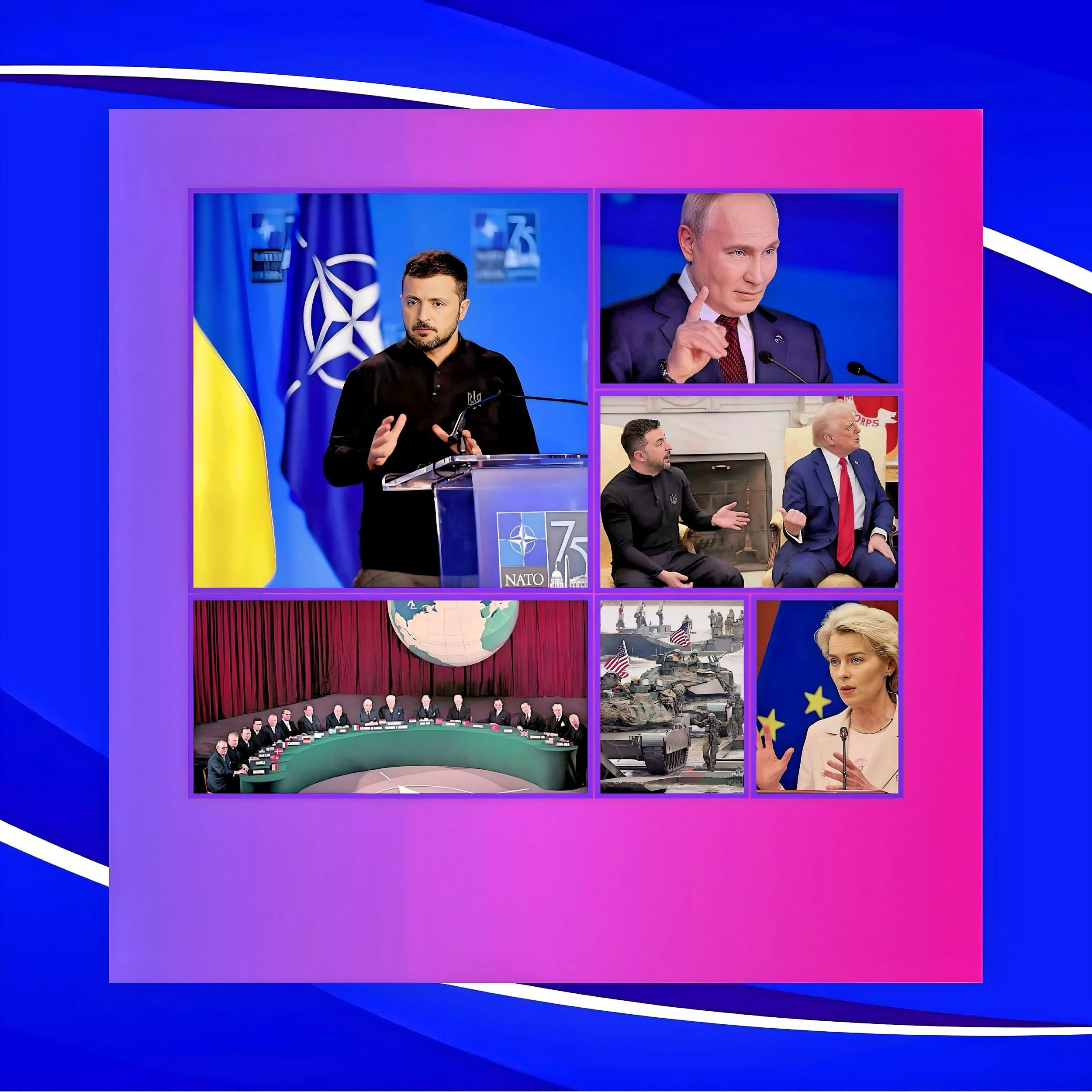
Zelenskyy argues that Ukraine needs guaranteed security during the prolonged process of joining NATO, which he claims could take “years or decades.” If membership is delayed, he demands alternative protections:
Nuclear weapons provided by allies to deter future Russian aggression.
Long-range missile systems or a foreign military contingent stationed in Ukraine.
This follows his criticism of Ukraine’s 1994 decision to relinquish Soviet-era nuclear arms under the Budapest Memorandum, which he called “absolutely stupid” and a historic miscalculation.
Geopolitical Calculus
Zelenskyy’s rhetoric serves multiple strategic purposes:
Leverage for NATO Accession
By threatening nuclear proliferation, he pressures Western allies to accelerate Ukraine’s NATO integration.
Historical Grievance
He emphasizes that Russia’s invasion validated Ukraine’s need for an independent deterrent, citing the Budapest Memorandum’s failure.
Negotiation with Trump
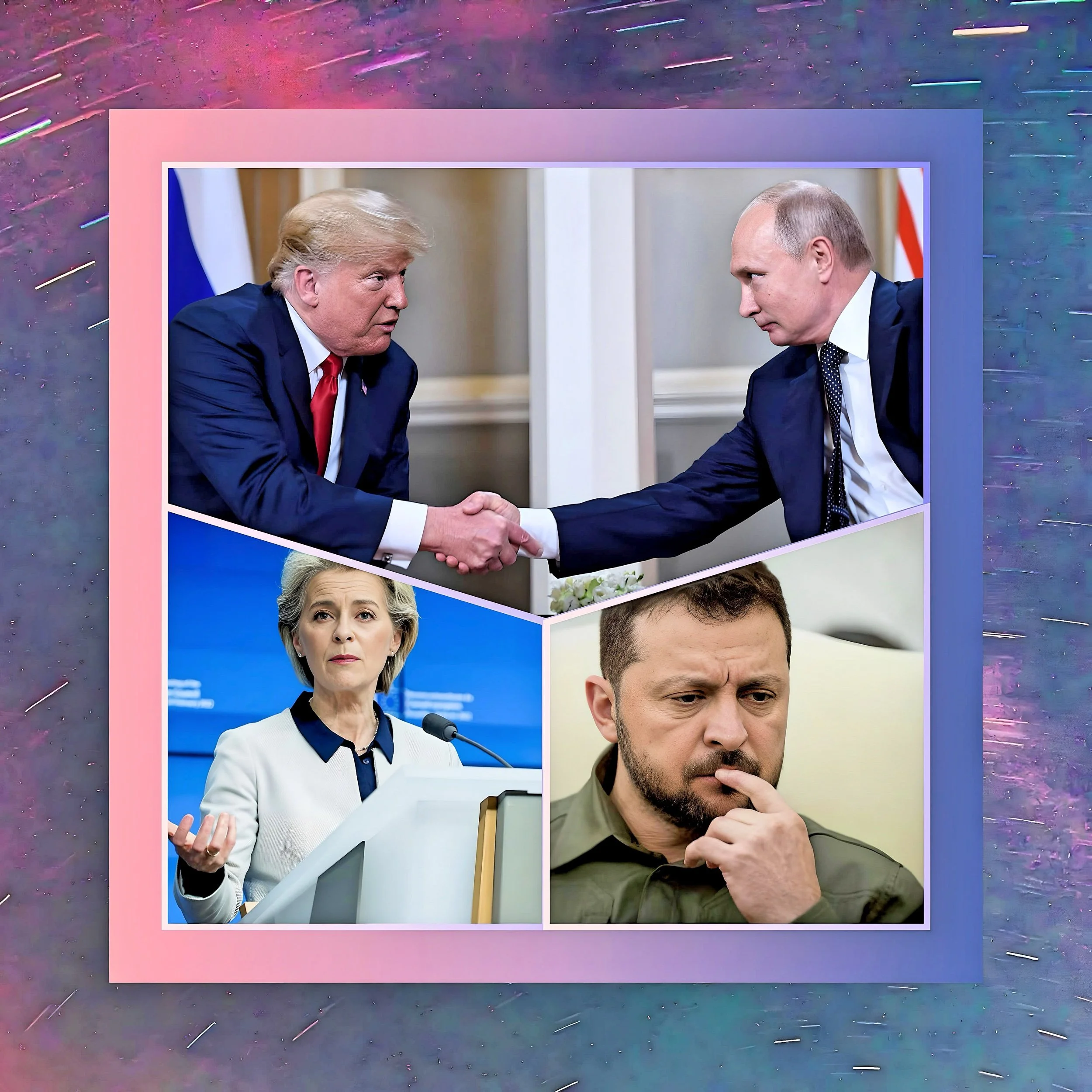
Zelenskyy claims former U.S. President Donald Trump acknowledged the logic of Ukraine’s nuclear ambitions during private discussions.
Practical Challenges
Despite the urgency of Zelenskyy’s appeals, analysts highlight significant obstacles
Technological Barriers
Ukraine lacks the infrastructure to independently develop nuclear weapons, requiring years to establish enrichment capabilities.
International Backlash
Pursuing nukes risks alienating Western supporters and provoking preemptive strikes from Russia.
NATO’s Reluctance
Allies remain hesitant to grant membership or transfer nuclear arms, fearing escalation with Russia.
Broader Implications
Zelenskyy’s strategy reflects Ukraine’s precarious position as U.S. aid becomes increasingly tied to concessions, including potential mining rights for rare earth minerals. Meanwhile, Russia has hardened its nuclear posture, lowering thresholds for use in response to conventional attacks.
Conclusion
While Zelenskyy’s nuclear gambit underscores Ukraine’s desperation for lasting security, it remains a high-risk bargaining chip rather than an imminent policy. The focus now shifts to whether Western allies will offer credible alternatives or let the threat of proliferation reshape the geopolitical landscape.