Trump’s Tinder Tactics on Iran: A Strategic Misstep and the Path Forward
Introduction
The Tinder Campaign: Context and Reception
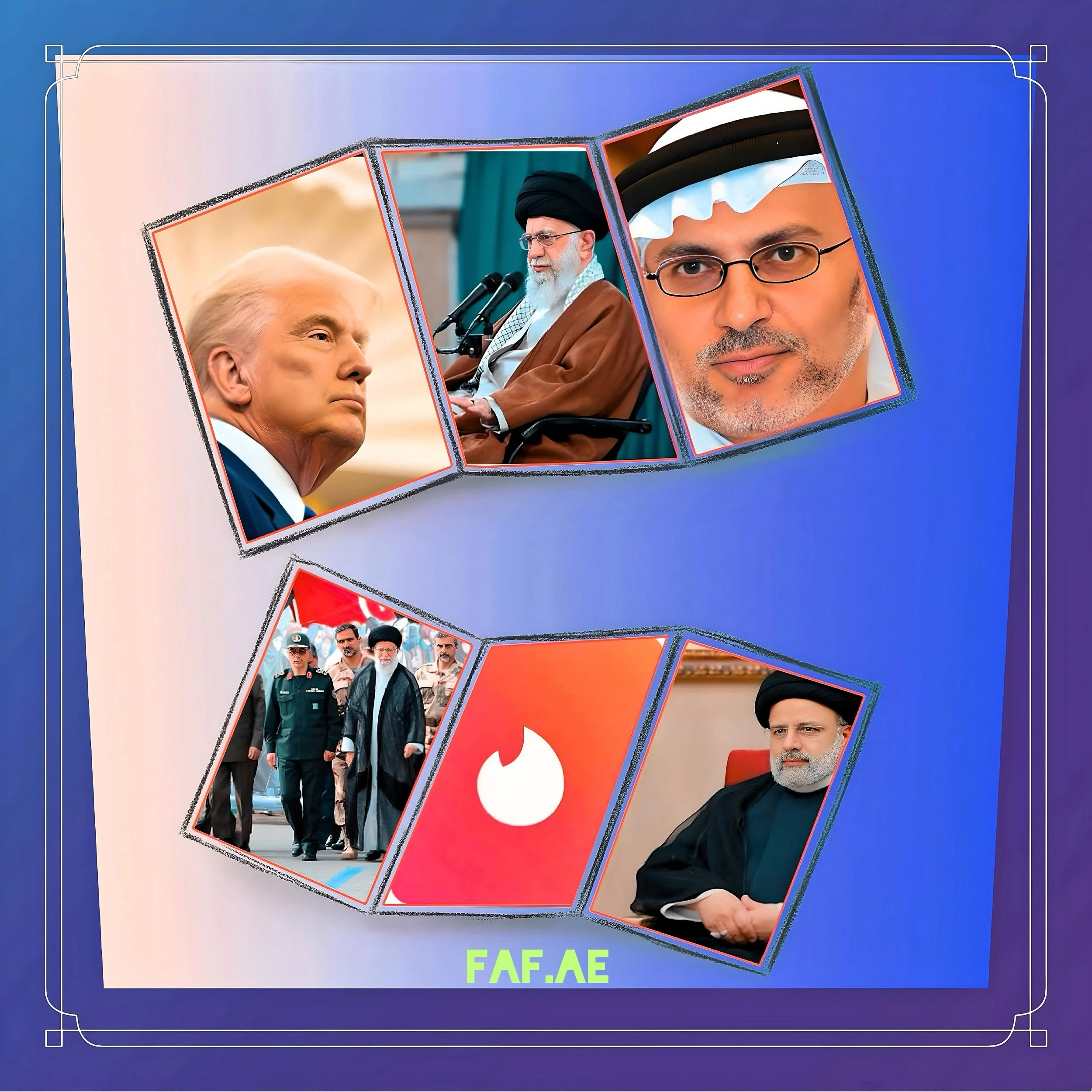
The U.S. military’s benefit of Tinder to broadcast warnings to Iran and its proxies in Lebanon marked an unconventional approach to psychological warfare.
In September 2024, CENTCOM launched ads on the dating app featuring Arabic messages urging adversaries not to take up arms against the U.S. or its allies, accompanied by images of warplanes like F-16s and A-10s.
The campaign aimed to deter Iranian-backed groups in Lebanon, leveraging a platform primarily associated with social interactions to reach a younger demographic. However, the move surprised analysts and users alike, with Tinder swiftly removing the ads for violating policies against violent and political content.
Background and Intent
The initiative reflected broader U.S. efforts to counter Iranian influence in the region through digital platforms. By targeting Lebanon—a hotbed of Iranian proxy activity—the campaign sought to dissuade young men from supporting anti-U.S. groups.
Yet, the choice of Tinder, a space for casual connections, raised eyebrows. Freelance writer Séamus Malekafzali highlighted the ad’s stark juxtaposition with the app’s usual content, noting its explicit threat and deterrence messaging. A U.S. defense official framed it as part of lawful military information operations aligned with national security priorities.
Criticisms and Challenges of the Approach
The Tinder campaign faced immediate backlash for its execution and strategic logic. Critics argued the platform’s informal nature undermined the message’s credibility, while others questioned its reach and effectiveness. Timothy Kaldas of the Tahrir Institute called it an “in-your-face” tactic lacking strategic coherence, suggesting it prioritized shock value over long-term behavioral change.
Additionally, Tinder’s removal of the ad highlighted the risks of relying on third-party platforms for military messaging, as policies often prohibit overtly political or violent content.
Strategic Doubts and Platform Limitations
The campaign’s reliance on Tinder also underscored a disconnect between the target audience and the app’s user base. While the platform’s youth demographic aligns with potential recruits for militant groups, the ads’ abrupt insertion into a space for social interactions risked alienating users.
Furthermore, the short-lived initiative—Tinder removed the ads within days—raised questions about its sustainability. Experts suggested that such tactics, while innovative, may fail to address deeper grievances driving regional instability.
Broader US-Iran Relations: Historical Context
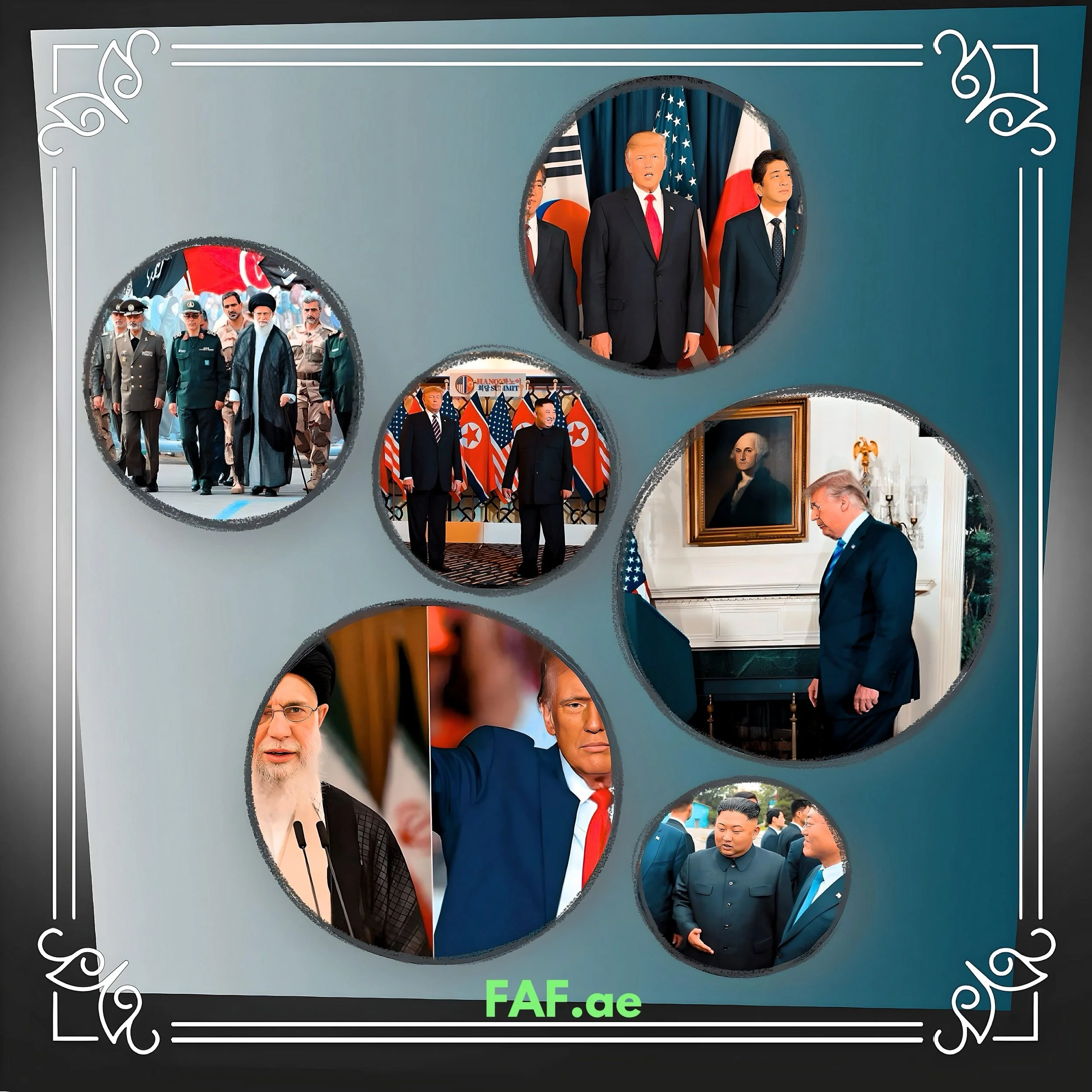
The Tinder campaign emerged amid decades of U.S.-Iran tensions, exacerbated by Trump’s 2018 withdrawal from the Joint Comprehensive Plan of Action (JCPOA). The deal, negotiated under Obama, had imposed limits on Iran’s nuclear program in exchange for sanctions relief.
Trump’s exit and subsequent “maximum pressure” sanctions aimed to bring down Iran’s economy and force compliance with stricter terms. However, this strategy backfired, as Iran accelerated its nuclear enrichment, reaching 60% purity—closer to weapons-grade levels—and expanded regional influence through proxies like Hezbollah.
Nuclear Standoff and Regional Proxies
Iran’s nuclear advancements, coupled with its support for groups like Hamas and Hezbollah, have deepened U.S. concerns. Trump’s recent overtures for a new deal have been met with skepticism, as Iran’s Supreme Leader Ayatollah Khamenei dismissed negotiations as a U.S. tactic to impose demands.
Meanwhile, Israel’s military strikes against Iranian targets and proxies have further destabilized the region, creating a cycle of retaliation.
Current Strategic Landscape
Nuclear Threshold and Regional Influence
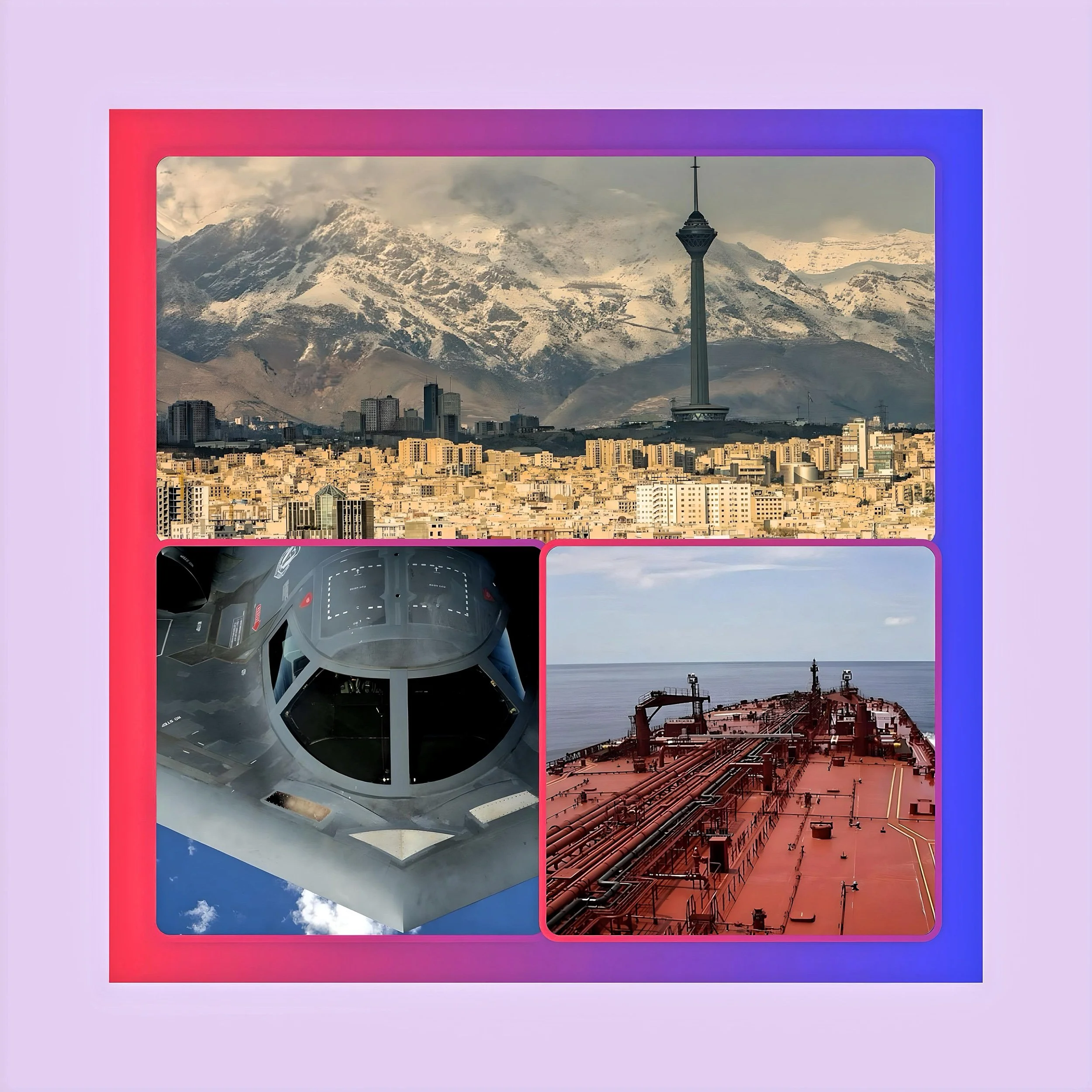
Iran’s enriched uranium stockpile now exceeds JCPOA limits by 27 times, with enrichment up to 60%—a level nearing weapons-grade capability. This progress and advancements in centrifuge technology have shortened the timeline for potential weapons development.
U.S. officials warn that Tehran may exploit its nuclear threshold status as a deterrent, particularly amid regional vulnerabilities caused by setbacks to its proxies.
Domestic and International Dynamics
Domestic politics in both nations complicate diplomacy. In the U.S., Trump’s inconsistent stance—withdrawal from the JCPOA followed by recent calls for talks—has eroded trust. Iran’s leadership, meanwhile, remains divided, with hardliners like Khamenei opposing concessions, while moderates like President Masoud Pezeshkian hint at openness to dialogue.
Internationally, China and Russia’s alignment with Iran further isolate Western efforts to pressure Tehran.
Pathways to Long-Term Peace
Diplomatic Opportunities and Constraints
A revival of the JCPOA is unlikely, as Iran’s nuclear program has advanced beyond 2015 constraints. However, interim agreements focusing on limited sanctions relief for enhanced monitoring could buy time for broader negotiations.
Success would require simultaneously addressing nuclear and regional issues—a challenge given Iran’s refusal to link them.
Military and Economic Pressure
The U.S. and Israel continue to explore military options, though strikes risk accelerating Iran’s nuclear timeline.
Economic pressure, including sanctions and efforts to curb illicit oil sales, has damaged Iran’s economy but failed to halt its nuclear ambitions. Bipartisan strategies emphasizing deterrence, regional alliances, and multilateral engagement may offer a more sustainable path.
Regional and Global Mediation
Third-party mediation by countries like China or the EU could facilitate dialogue, but Iran’s distrust of Western actors and ideological rigidity limits prospects.
Long-term peace would require addressing Iran’s security concerns and integrating them into regional security frameworks—a vision hindered by its revolutionary ideology.
Conclusion
The Tinder campaign symbolizes a broader U.S. struggle to counter Iran’s influence through unconventional means.
While the initiative highlighted creativity in psychological warfare, its execution and platform choice revealed strategic missteps.
Moving forward, U.S.-Iran relations hinge on navigating Iran’s nuclear brinkmanship, regional proxy conflicts, and domestic political constraints. A path to peace remains elusive but may emerge through targeted diplomacy, economic incentives, and sustained regional alliances.
However, without mutual trust and a willingness to address core grievances, the cycle of confrontation is likely to persist.