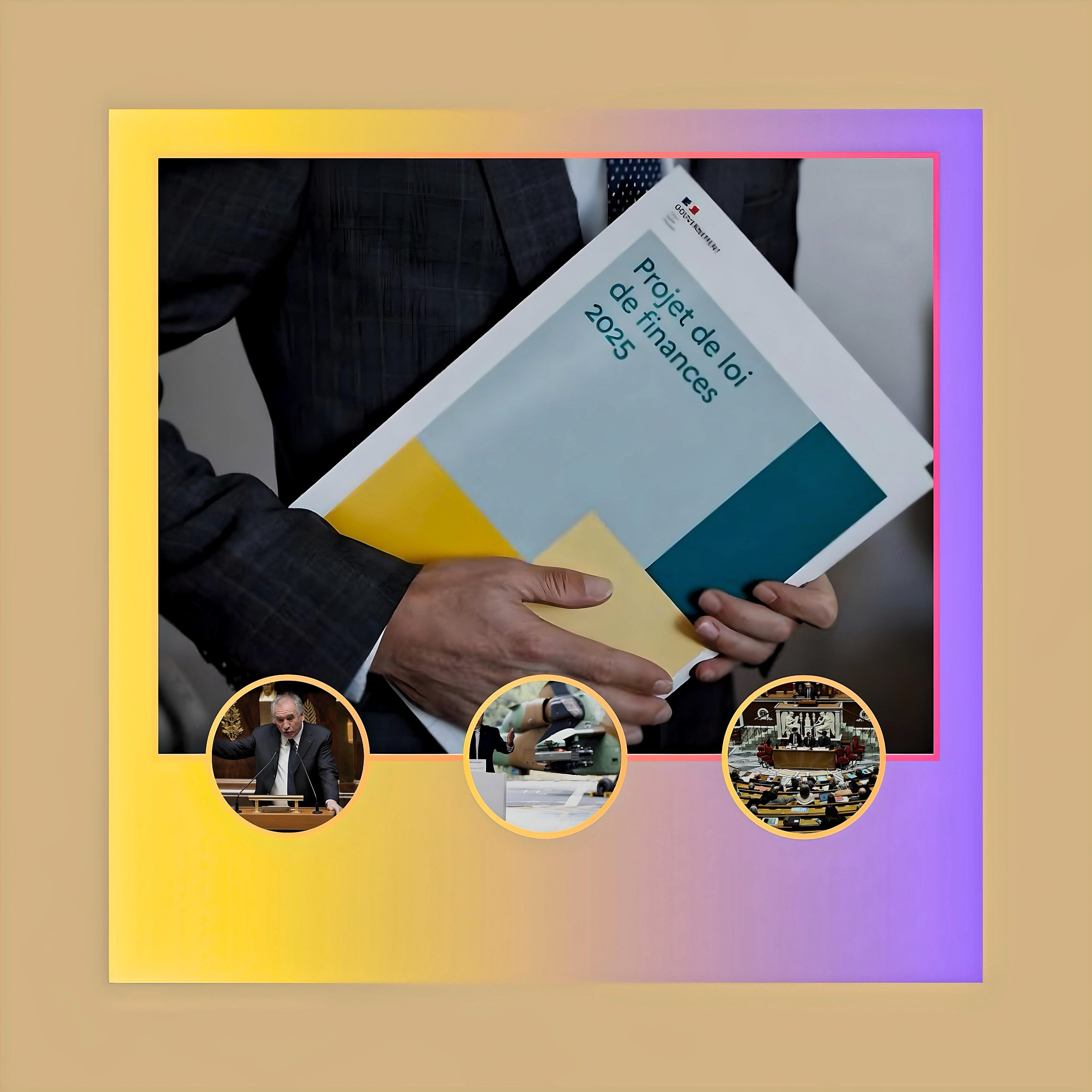
How is Francois Bayrou Budget better than Michel Barnier - France
Introduction
France’s political landscape has been marked by turbulence since President Emmanuel Macron’s centrist coalition lost its parliamentary majority in 2022 snap elections. Both Prime Minister François Bayrou and his predecessor Michel Barnier faced similar challenges passing budgets through a fractured National Assembly, but key differences emerge in their strategies and outcomes:
Budgetary Approach
Michel Barnier (Sept-Dec 2024)
Proposed €40B spending cuts + €20B tax hikes
Relied heavily on austerity measures without major concessions
Deficit target: 6.2% of GDP in 2024
François Bayrou (Dec 2024-present):
€53B package with €30B cuts + €23B targeted taxes
Protected 4,000 education jobs Barnier planned to cut
Added taxes on large corporations and financial transactions
Deficit target: 5.4% of GDP for 2025
Political approach
Prime Minister François Bayrou’s repeated use of Article 49.3 to bypass parliamentary votes drew widespread condemnation.
Critics argue this undermines democratic debate, with opposition parties like La France Insoumise (LFI) calling it a “forced passage” that ignores legislative scrutiny.
The tactic mirrors the approach of Bayrou’s predecessor, Michel Barnier, whose government collapsed in December 2024 after similar maneuvers.
Key Improvements
Negotiation Tactics
Bayrou secured critical support from Socialists by freezing medical aid cuts and revisiting pension reforms, unlike Barnier’s rigid stance that alienated potential allies.
Targeted Measures
While maintaining Barnier’s deficit reduction goals, Bayrou shifted burden to wealthier entities through:
Increased financial transaction taxes
Corporate tax surcharges
Protected frontline public services
Political Survival
Despite using the same constitutional “nuclear option” (Article 49.3), Bayrou avoided ouster by convincing Socialists and far-right RN to abstain from no-confidence votes. Barnier lost power when RN joined leftists to topple him.
Timeline Management
Bayrou accelerated budget talks to avoid repeating Barnier’s failure to pass any 2024 budget, using temporary laws to prevent government shutdowns.
Remaining Challenges
Far-left factions still oppose Bayrou’s “austerity-lite” approach
Pension reform negotiations remain unresolved
2026 budget talks expected to renew tensions
Conclusion
While both leaders faced similar parliamentary math, Bayrou’s hybrid approach of maintaining fiscal discipline while offering strategic concessions has proven more politically durable – at least temporarily – in France’s fractured political environment.