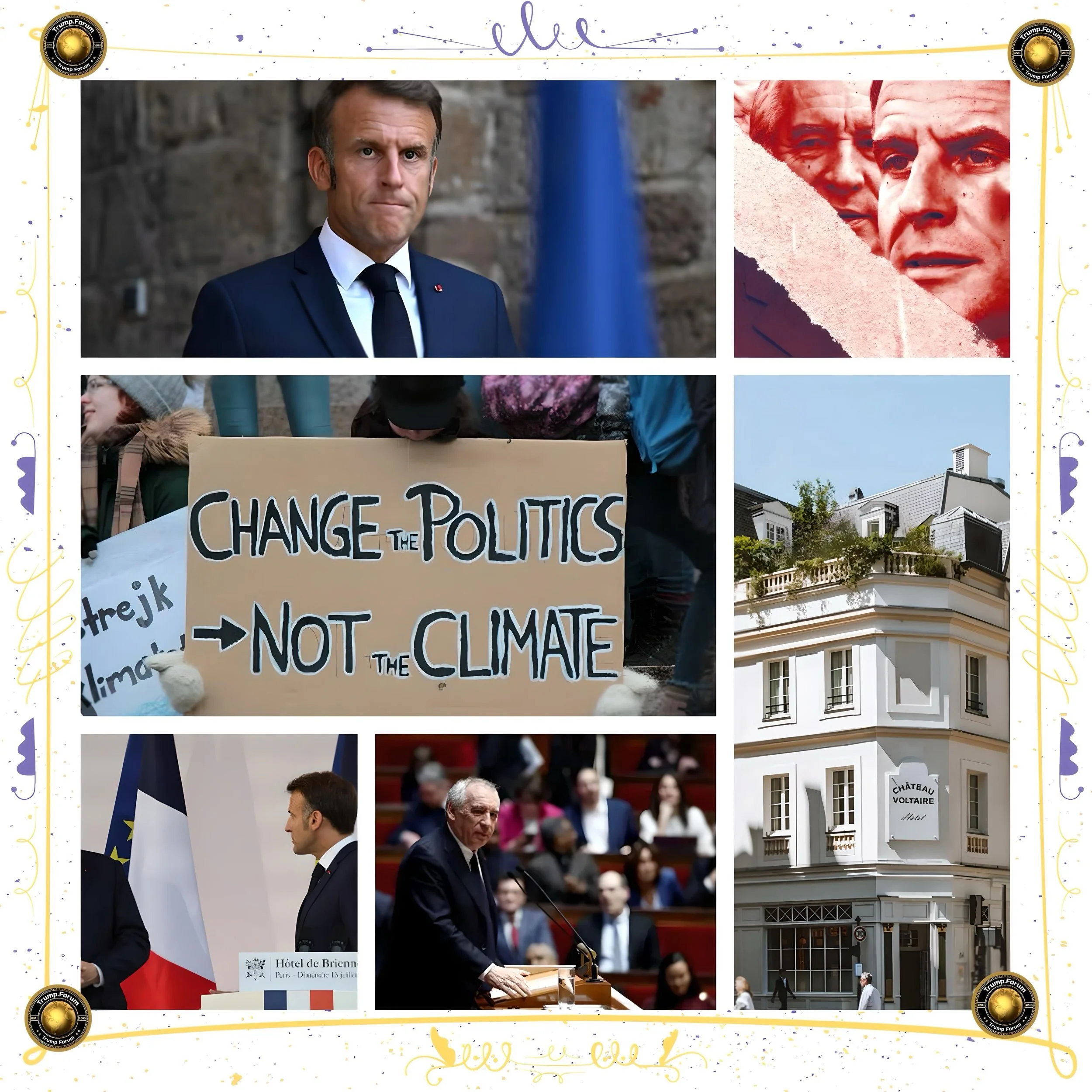
France Budget -2025
Introduction
France’s 2025 budget was approved through a contentious political process involving constitutional maneuvers and a failed no-confidence vote.
Prime Minister François Bayrou invoked Article 49.3 of the French Constitution to bypass parliamentary approval on February 4, 2025, marking the first time in the Fifth Republic’s 70-year history that France entered February without an adopted budget.
This constitutional tool allows legislation to pass without a vote unless a no-confidence motion succeeds.
Key Developments:
No-Confidence Vote Survived
Bayrou’s government narrowly survived a no-confidence motion on February 5, 2025, with only 128 out of 577 lawmakers supporting it—far short of the required majority.
Opposition parties, including the left-wing New Popular Front alliance (France Unbowed, Greens, Communists), pushed the motion, but divisions within the Socialist Party and the far-right National Rally’s indecision ensured its failure.
Budget Provisions
The approved budget aims to reduce France’s public deficit to 5.4% of GDP through
€32 billion in spending cuts, including reductions to public services and social welfare.
€21 billion in tax increases targeting corporations, financial transactions, and high-income households.
Concessions worth €6 billion negotiated with the Socialist Party to fund healthcare and education.
Political Context
The use of Article 49.3 reignited debates over executive overreach, as the same mechanism had toppled Prime Minister Michel Barnier’s government in December 2024 over similar budget disputes.
Bayrou’s survival reflects fragmented opposition and tactical alliances in a divided National Assembly.
EU Approval
The European Union endorsed France’s updated deficit-reduction plan, which aligns with the 2025 budget’s targets.
The EU had previously criticized France’s debt trajectory but acknowledged progress under the new austerity measures.
Ongoing Challenges
While the budget’s adoption avoids immediate economic turmoil, Bayrou faces persistent governance challenges in a polarized parliament. Further no-confidence motions loom as additional bills on healthcare and social security advance. The Senate is expected to finalize the budget later this week.
Conclusion
The episode underscores France’s fragile political equilibrium and the risks of prolonged austerity in a divided legislature.