Will EU agree to Zelenskyy to have a European Army?
Introduction
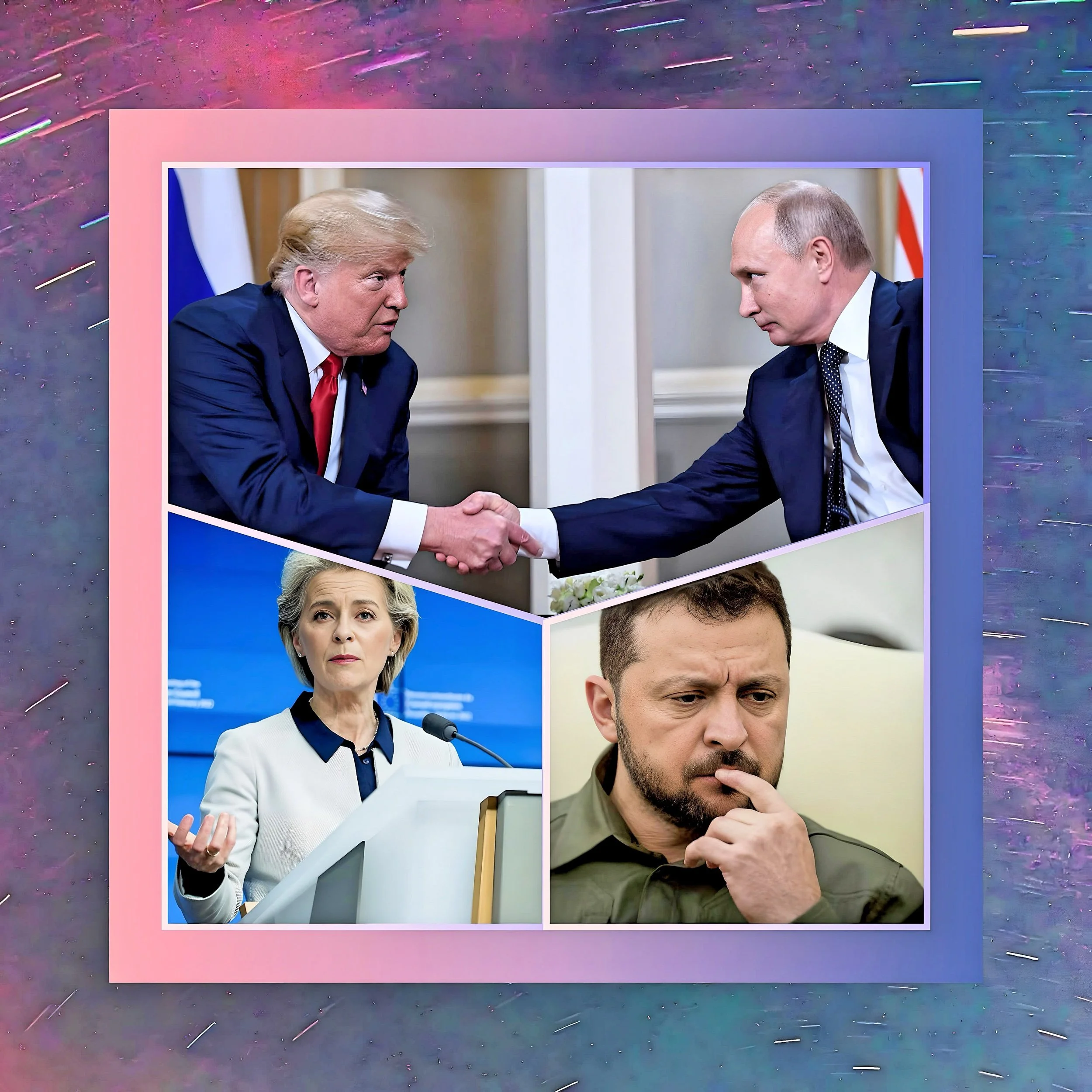
Ukrainian President Volodymyr Zelenskyy has called for the creation of a “European army” to bolster the continent’s defense, citing concerns over reduced U.S. support and Russia’s military buildup. Speaking at the Munich Security Conference, he emphasized that Europe must take responsibility for its own security, as reliance on the U.S. may no longer be sustainable.
While Zelenskyy’s proposal aligns with longstanding discussions among European leaders about a unified defense force, it remains uncertain whether the EU will adopt this idea. European nations are under pressure to increase their military contributions as the U.S. signals a shift in its Ukraine policy, urging Europe to take on more responsibility for regional security.
European response
European reactions to Zelenskyy’s proposal for a European army are mixed:
Supportive Voices
France and the UK have shown interest in bolstering European defense capabilities, with France previously advocating for a stronger European military presence in Ukraine. This aligns with Zelenskyy’s call for more self-reliant European security.
Cautious Responses
Germany, Poland, and Italy have expressed reservations due to constitutional limits, historical tensions, or political concerns. Germany’s stance may shift after its upcoming elections.
Broader Skepticism
Some leaders worry about escalating tensions with Russia or duplicating NATO efforts. Others emphasize the need for a unified European strategy before committing to such a force.
The idea remains divisive, with practical and political hurdles to overcome.
Potential challenges in creating a European army
Creating a European army faces significant challenges across political, economic, and military dimensions:
Political Challenges
Lack of Consensus
EU member states have differing strategic priorities and security concerns, leading to disagreements on the purpose and scope of a unified force. This “strategic cacophony” undermines cooperation.
Sovereignty Concerns
Many nations are reluctant to cede control over their armed forces to a supranational body, fearing loss of autonomy.
Economic Challenges
Funding Issues
The EU’s current funding mechanisms, such as VAT-based contributions, are insufficient to support a large-scale army. Proposals for new taxes or reallocating national military budgets face resistance.
Industrial Constraints
Europe’s defense industry lacks the capacity to meet sudden demand increases. Heavy reliance on non-European suppliers further complicates efforts to standardize equipment.
Military Challenges
Interoperability Problems
Differences in equipment, training, and operational standards among national armies hinder seamless integration.
Dependence on NATO:
EU countries heavily rely on U.S. strategic enablers (e.g., logistics, intelligence), which limits Europe’s ability to operate independently.
These challenges highlight the need for deeper political unity, increased investment in defense industries, and a clear vision for Europe’s security strategy.
Presence of European troops in Ukraine impact the conflict
The presence of European troops in Ukraine would have profound implications for the conflict, with both potential benefits and significant risks:
Potential Impacts
Deterrence Against Russia
A European military presence could signal stronger Western resolve, potentially deterring further Russian aggression by raising the costs of escalation.
Support for Ukraine
European troops could help stabilize frontlines, enforce ceasefires, or provide logistical and training support, bolstering Ukraine’s defense capabilities.
Risks and Challenges
Escalation of the Conflict
Russia may view European troop deployments as a direct provocation, increasing the risk of a broader war or retaliatory strikes against European nations.
European Disunity
Diverging views among EU member states on military involvement could strain alliances and undermine a coordinated response.
Resource Strain
Deploying troops would stretch already limited European military resources, potentially weakening other defense commitments.
In summary, while European troops could strengthen Ukraine’s position, the risks of escalation and internal divisions make this a highly contentious option.
Potential impacts on NATO if the EU develops its own army
The development of an EU army could have several impacts on NATO, both positive and negative:
Potential Benefits
Enhanced Burden-Sharing
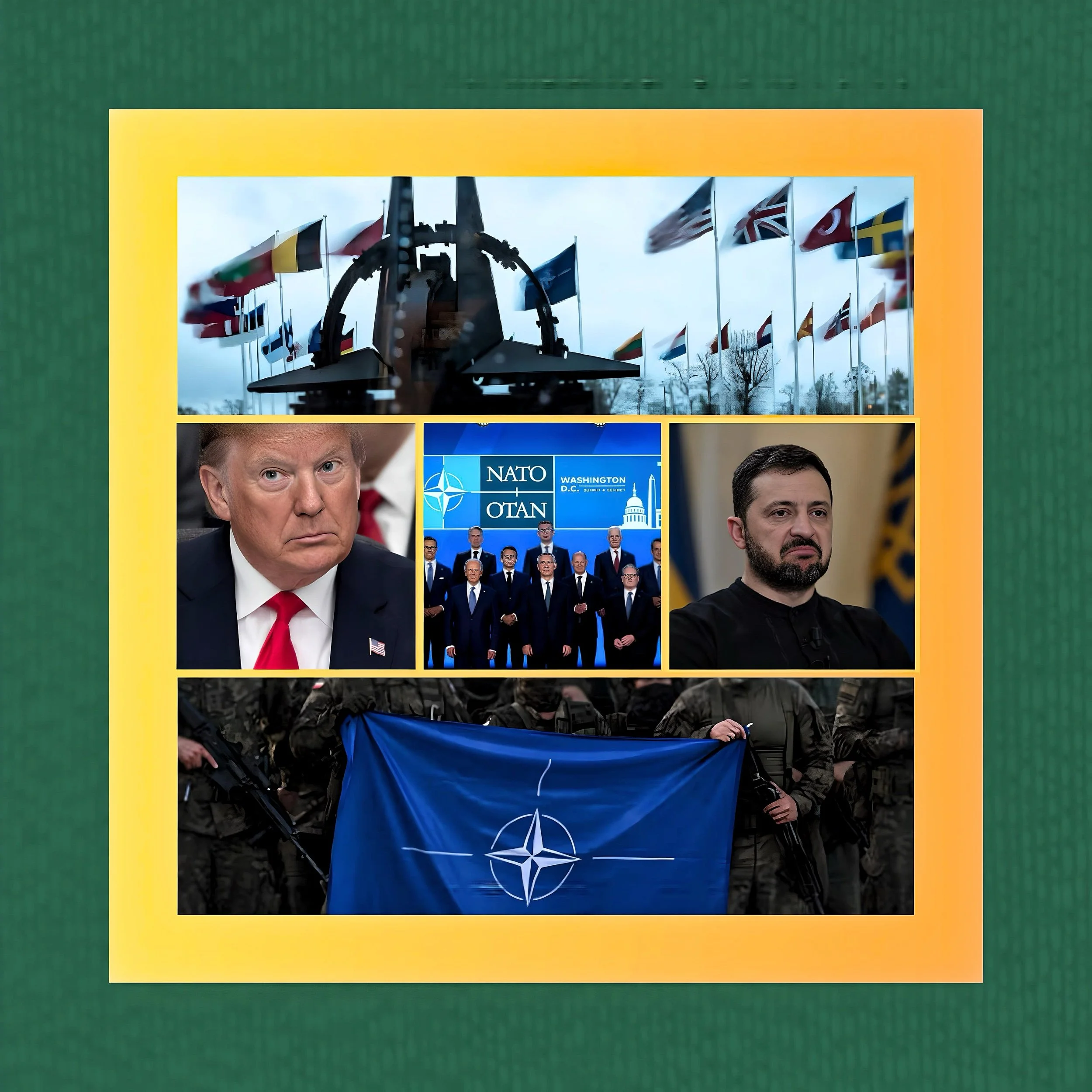
A stronger EU defense capability could reduce NATO’s reliance on U.S. resources, allowing Europe to take greater responsibility for regional security.
Complementary Roles
If well-coordinated, the EU army could complement NATO’s operations by focusing on crisis management, hybrid threats, and areas where NATO has less involvement, such as economic security and disinformation.
Potential Challenges
Institutional Overlap
The creation of an EU army could lead to duplication of efforts and inefficiencies, especially in areas like logistics, interoperability, and procurement.
Weakened Cohesion
Diverging priorities between NATO and the EU might strain transatlantic unity, particularly if the EU seeks greater autonomy at the expense of NATO’s central role in European security.
Public Perception Shift
The EU army could shift public perceptions of NATO’s relevance, potentially undermining its role as the primary security alliance in Europe.
Effective coordination and clear delineation of roles would be essential to mitigate these risks and ensure that an EU army strengthens rather than weakens NATO.
Possible US. reacton to the idea of a European army
The U.S. reaction to the idea of a European army would likely be shaped by both strategic and political considerations:
Supportive Aspects
Encouraging Burden-Sharing
Some U.S. policymakers, particularly in recent years, have supported greater European defense autonomy to reduce America’s military commitments abroad. A European army could align with this goal, especially as U.S. administrations increasingly push Europe to take on more responsibility for its security.
Strengthening NATO Partners
If structured to complement NATO, a European army could enhance transatlantic security, making Europe a stronger partner for the U.S..
Concerns and Opposition
Potential NATO Undermining
The U.S. has historically opposed
EU-led defense initiatives that might duplicate or weaken NATO, where the U.S. plays a dominant role.
Loss of Influence
A fully autonomous European military could reduce U.S. leverage in Europe, both militarily and economically, as Europe might rely less on American arms and strategy.
Overall, while some in the U.S. might cautiously welcome a European army as part of burden-sharing, others would worry about its implications for NATO cohesion and American influence.
FAF additional comment
It has come to our attention that the European Union is experiencing a state of stagnation. We have previously addressed this issue in one of our articles, discussing the economic and logical challenges associated with the situation. At this point, there appears to be no definitive strategy in place. We will continue to examine this issue closely.