Baidu, Ernie 5.0, Open-Sources Next AI Model - New Innovation Made in China
Introduction
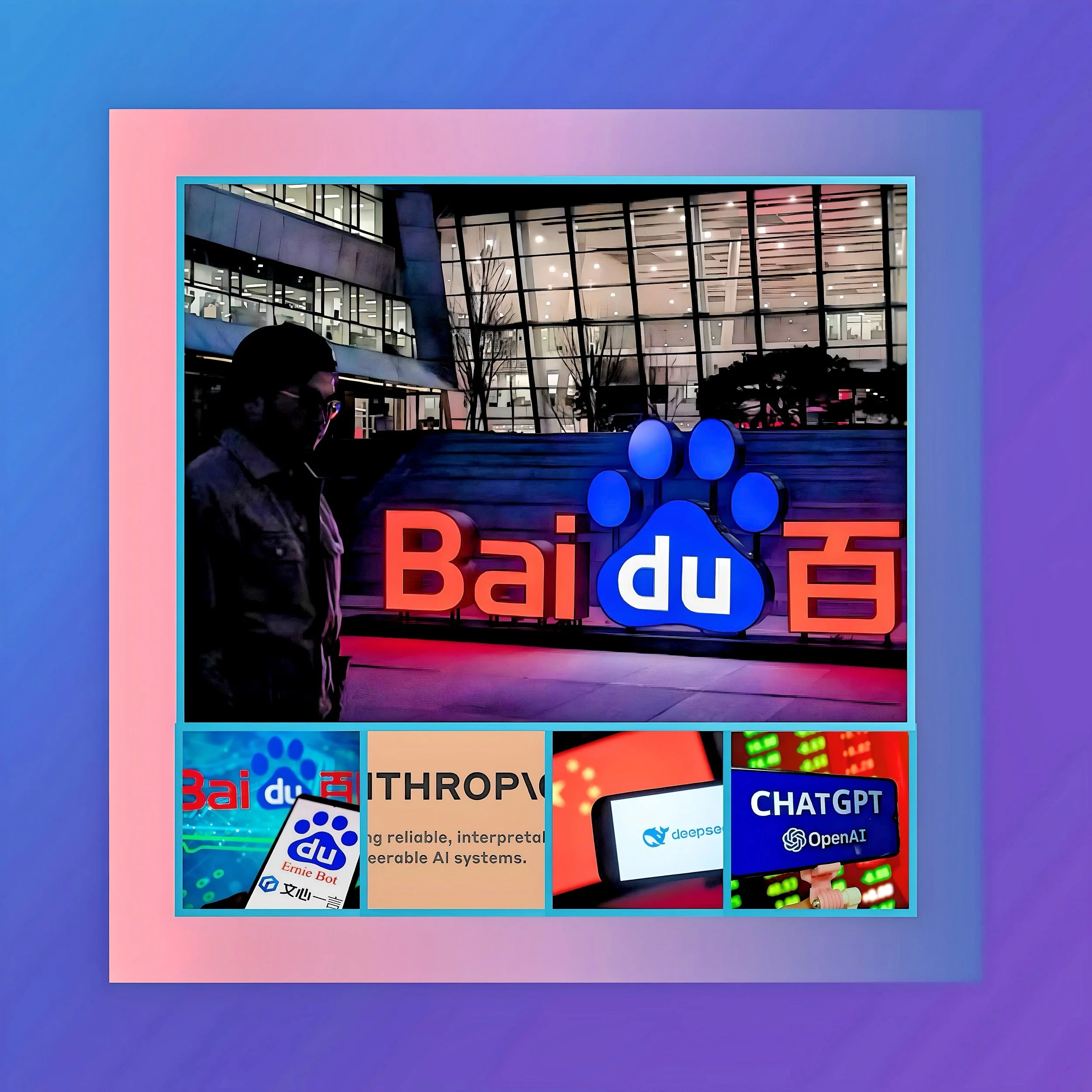
Baidu has officially announced that it will open-source its Ernie AI model series, starting with Ernie 4.5 on June 30, 2025. This marks a strategic shift for the company, which previously favored closed-source models. The decision comes amidst rising competition from rivals like DeepSeek and ByteDance, whose open-source and proprietary models have gained significant traction.
Open-sourcing Ernie is expected to foster broader adoption and innovation by enabling developers worldwide to access and build upon the model. Baidu CEO Robin Li stated that this approach could accelerate the spread of AI technology. Additionally, Baidu plans to launch Ernie 5 in the second half of 2025, aiming to enhance multimodal capabilities and remain competitive in the evolving AI landscape
Comparison between Ernie 4.5 and Ernie 5.0
Ernie 5.0 is expected to introduce several key advancements compared to Ernie 4.5:
Enhanced Multimodal Capabilities
Ernie 5.0 will significantly improve its ability to process and convert between text, audio, video, and images. It will support tasks like converting video to text or audio to images, offering greater flexibility for diverse applications.
Foundation Model Improvements
As a foundation model, Ernie 5.0 will enhance natural language understanding, text generation, and image creation while improving reasoning capabilities for complex tasks.
Cost Efficiency
Baidu aims to reduce inference costs by up to 90%, making the model more accessible and productive for businesses and developers.
These features position Ernie 5.0 as a competitive response to rivals like DeepSeek and ByteDance in the AI space.
How will Ernie 5.0 multimodal capabilities bump it up in completion and revenue stream?
Ernie 5.0’s enhanced multimodal capabilities are expected to significantly boost Baidu’s competitiveness and revenue streams in several ways
Expanded Market Reach
With the ability to seamlessly process and convert between text, images, video, and audio, Ernie 5.0 caters to diverse industries like e-commerce, media, education, and healthcare. This versatility attracts a broader user base, including businesses requiring advanced data handling across formats.
Cost Efficiency
A projected 90% reduction in inference costs makes Ernie 5.0 more accessible to smaller companies and startups. This democratization of AI adoption could drive higher subscription rates and increase Baidu’s market share.
Product Integration
Ernie 5.0 enhances Baidu’s ecosystem, including platforms like Wenku, by improving content creation and management. This integration boosts user retention and monetization opportunities within Baidu’s existing services.
Competitive Edge
By offering advanced multimodal capabilities at reduced costs, Ernie 5.0 positions Baidu as a strong competitor against rivals like DeepSeek and ByteDance, potentially attracting users seeking innovative yet affordable solutions.
These advancements are likely to reshape AI-driven business models while strengthening Baidu’s revenue streams and market influence.
Ernie5.0 Mutilmode to revolutionize data processing
Ernie5.0’s multimodal capabilities are set to revolutionize data processing by enabling seamless integration and analysis of diverse data types—text, images, video, and audio. Here’s how:
Unified Data Processing
Ernie 5.0 can handle multiple formats simultaneously, eliminating the need for separate tools for text, video, or image analysis. This streamlines workflows across industries like media, e-commerce, and education.
Enhanced Content Creation
The AI can transform audio into visual stories or generate multimedia content from simple prompts, opening new possibilities for creative industries and personalized learning experiences.
Cost Efficiency
With a 90% reduction in inference costs, Ernie 5.0 democratizes access to advanced AI capabilities, making it viable for startups and smaller enterprises to adopt sophisticated data processing solutions.
Cross-Industry Applications
From automating customer service to generating financial presentations, Ernie 5.0’s versatility allows businesses to innovate and improve productivity in multiple domains.
These advancements position Ernie 5.0 as a transformative tool in AI-driven data processing, reshaping operational efficiency and market dynamics globally.
How will Ernie 5.0's multimodal capabilities change the landscape of content creation
Ernie 5.0’s multimodal capabilities are set to transform content creation by enabling seamless integration and generation across text, video, images, and audio. Here’s how it will reshape the landscape:
Automated Content Generation
Ernie 5.0 can produce high-quality multimedia content from simple prompts, such as turning audio narratives into visual stories or generating videos from text descriptions. This reduces the time and cost of manual content creation.
Cross-Platform Integration
By processing and combining multiple data formats, Ernie 5.0 simplifies workflows for industries like digital media, marketing, and education. For example, it can create interactive learning materials or personalized marketing campaigns in various formats.
Democratization of Technology
With a 90% reduction in inference costs, Ernie 5.0 makes advanced content creation tools accessible to smaller businesses and startups, fostering innovation and competition.
Enhanced User Engagement
Its ability to create dynamic, multimodal content improves audience interaction and retention, particularly in entertainment and social media sectors.
These advancements position Ernie 5.0 as a game-changer in content creation, driving efficiency, creativity, and accessibility across industries.
What specific industries will benefit the most from Ernie 5.0's advanced capabilities
Ernie 5.0’s advanced multimodal capabilities are expected to benefit several key industries by transforming how they process and utilize diverse data types:
1. Digital Media and Content Creation: Automating the generation of multimedia content (e.g., articles, videos, graphics) will streamline workflows for media companies and marketers, enhancing creativity and reducing production costs.
2. E-Commerce: Personalizing customer experiences through advanced data processing, such as analyzing images or videos for product recommendations, will improve engagement and sales conversions.
3. Education: Intelligent tutoring systems can cater to multiple learning styles by integrating text, audio, and visuals, creating immersive educational experiences.
4. Fintech: Ernie 5.0 can transform financial documents into presentations or actionable insights, improving productivity in digital banking and investment management.
5. Healthcare: Enhanced data interpretation across formats (e.g., medical images and patient histories) will support diagnostics and personalized treatment plans.
These capabilities position Ernie 5.0 as a transformative tool across industries, driving innovation and efficiency.
How will Ernie 5.0 change the way we consume and interact with digital media
Ernie 5.0’s multimodal capabilities will fundamentally change how we consume and interact with digital media by enabling richer, more dynamic, and personalized experiences:
1. Seamless Multimodal Integration: Ernie 5.0 can process and combine text, images, video, and audio, allowing for immersive content such as interactive articles, multimedia storytelling, and dynamic advertisements. This integration enhances user engagement and interactivity.
2. Personalized Media Experiences: By analyzing multiple data formats simultaneously, Ernie 5.0 can tailor content to individual preferences, such as recommending personalized video playlists or creating custom multimedia summaries for users.
3. Automated Content Creation: Media platforms can use Ernie 5.0 to generate high-quality multimedia content quickly and at scale, reducing production costs while increasing output. For example, it can transform text into videos or audio narratives for diverse audiences.
4. Real-Time Interaction: The model’s ability to synthesize multimodal data enables real-time conversational interfaces that incorporate visuals and audio, revolutionizing customer support and digital assistants.
These advancements position Ernie 5.0 as a transformative tool in digital media, fostering innovation in how content is created, consumed, and personalized
How will the 90% reduction in inference costs impact small businesses
How do Ernie5.0, ChatGPT and DeepSeek compare
Ernie 5.0
Stands out with its advanced multimodal capabilities and cost efficiency, making it ideal for industries needing integrated data processing (e.g., media, e-commerce).
DeepSeek R1
Excels in reasoning and structured data analysis but lacks natural language fluency and multimodal versatility.
ChatGPT-5.0
Best for conversational AI and creative tasks but lags behind Ernie 5.0 in multimodal features.
Ernie5.0
More versatile with advanced multimodal capabilities and format conversions, making it ideal for industries requiring integrated content creation and management.
DeepSeek R1
Excels in reasoning and structured data tasks but is less equipped for seamless multimodal processing or creative applications.
Each model shines in specific use cases, with Ernie 5.0 pushing boundaries in affordability and multimodal integration.
Conclusion
Market is flooding with open source AI model? What is the future and how customers would benefit from such a fast paced change with many choices? These are great questions we are all looking for a magic globe to answer.
Future of Open-Source AI
Democratization of AI
Open-source models like DeepSeek’s R1 and Meta’s Llama are making cutting-edge AI accessible to startups, small businesses, and developers globally, reducing reliance on proprietary systems.
Innovation Acceleration
Collaboration across industries is driving faster advancements in AI capabilities, including smaller, energy-efficient models and multimodal systems that integrate text, audio, video, and images.
Customization & Agility
Businesses can tailor open-source models to their specific needs, enabling more specialized applications and solutions.
Customer Benefits
Cost-Effectiveness: Open-source AI reduces costs for businesses by eliminating licensing fees and allowing for affordable customization.
Transparency & Trust
Customers benefit from increased transparency in how models are trained and operate, fostering trust in AI systems.
Choice & Flexibility
With a variety of open-source options available, businesses can select the best-fit model for their use case without vendor lock-in.
Faster Adoption
Open-source AI lowers barriers to entry for smaller firms, accelerating the integration of AI into everyday operations.
Challenges
While open-source AI promotes innovation and accessibility, it also raises concerns about data security, misuse (e.g., misinformation), and the need for robust regulatory frameworks to ensure ethical use. Customers must weigh these risks against the benefits when adopting these technologies.