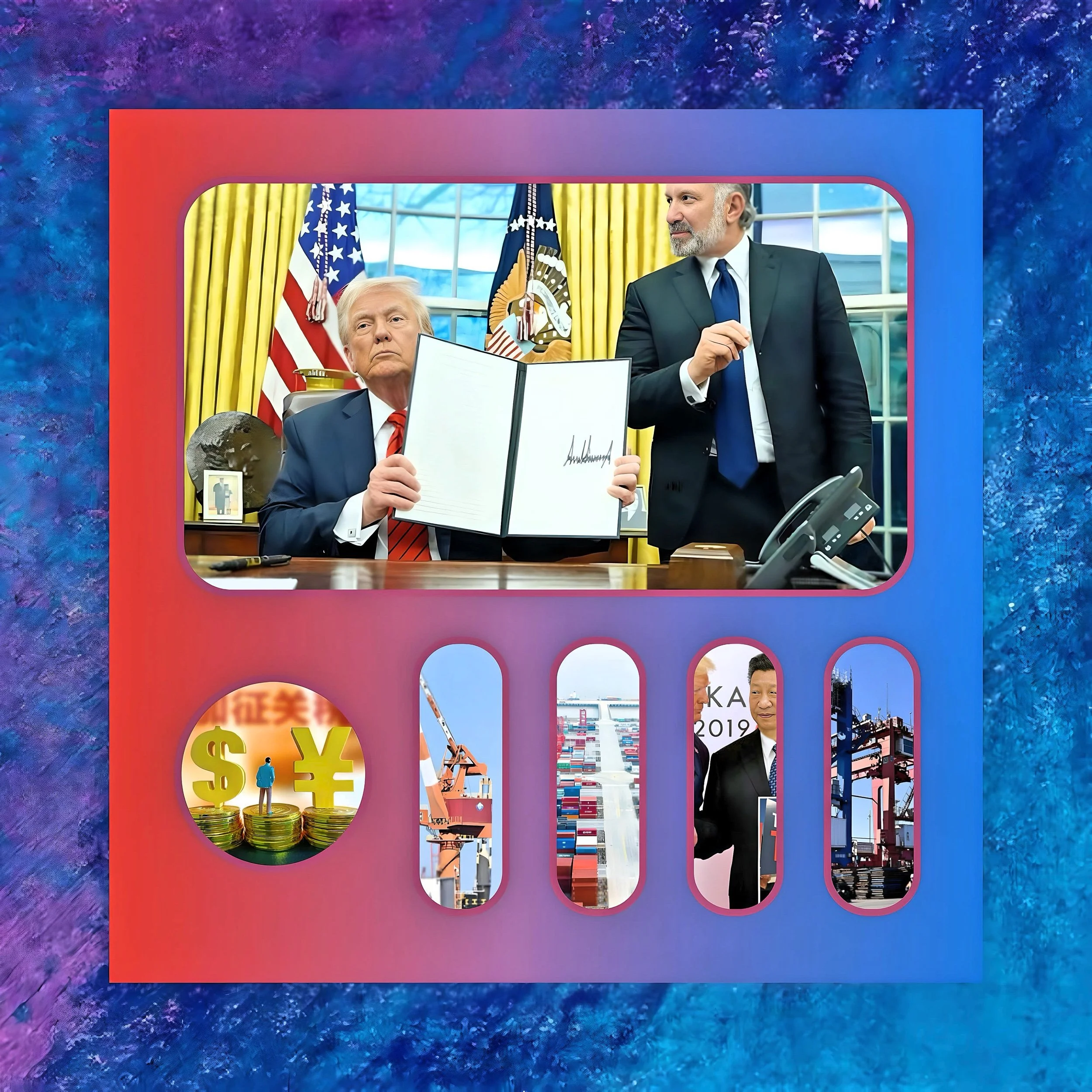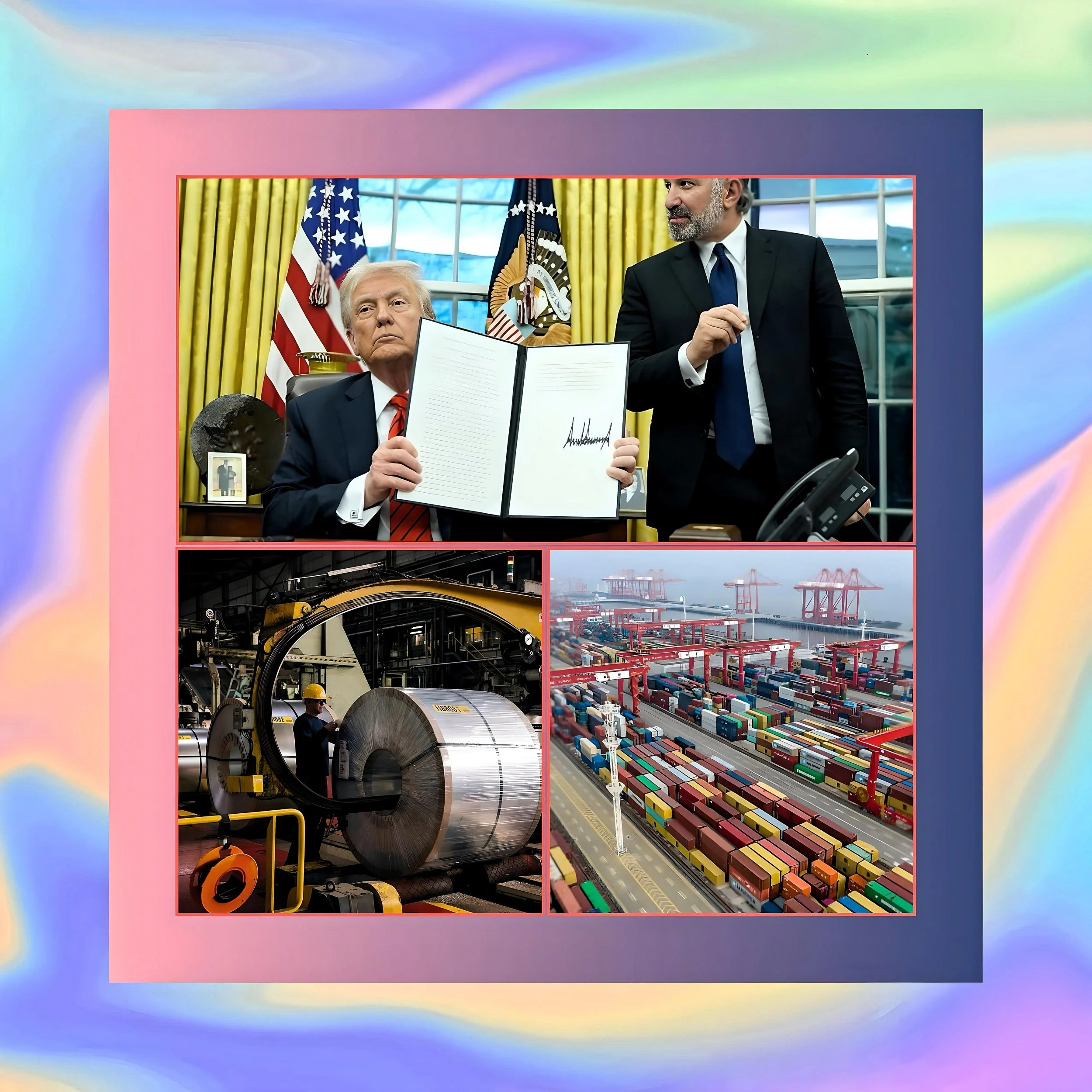
Trump’s Trade Wars Are Self-Defeating
Trump’s trade wars are indeed proving to be self-defeating, with significant negative impacts on the U.S. economy and consumers. The tariffs imposed on Canada, China, and Mexico are expected to have far-reaching consequences:
Higher consumer prices: Tariffs are essentially a tax on consumers, raising prices on everyday goods like electronics, groceries, and vehicles. The average annual cost to U.S. households is estimated at $625 before accounting for behavioral effects.
Economic slowdown: The tariffs could reduce U.S. GDP growth by 1.5 percentage points in 2025 and an additional 2 percentage points in 2026. Long-term economic output is projected to decrease by 0.4% to 1.3% depending on the tariff scenario.
Job losses: While tariffs may create jobs in specific sectors, they lead to job losses in other industries, especially export-intensive ones. A previous study on U.S.-China trade concluded that Trump’s trade policies cost the U.S. economy nearly a quarter million jobs.
Global economic disruptions: The tariffs have far-reaching effects beyond U.S. borders, impacting major trading partners like China, Mexico, Canada, and the European Union.
Inflationary pressures: The tariffs contribute to rising production costs, fueling inflation and potentially forcing the Federal Reserve to maintain higher interest rates for longer.
These negative consequences demonstrate that Trump’s aggressive use of tariffs as an economic weapon is likely to backfire, harming the very economy and consumers it purports to protect.