Organized Crime in Belgium: History, Structure, and Law Enforcement Response
Introduction
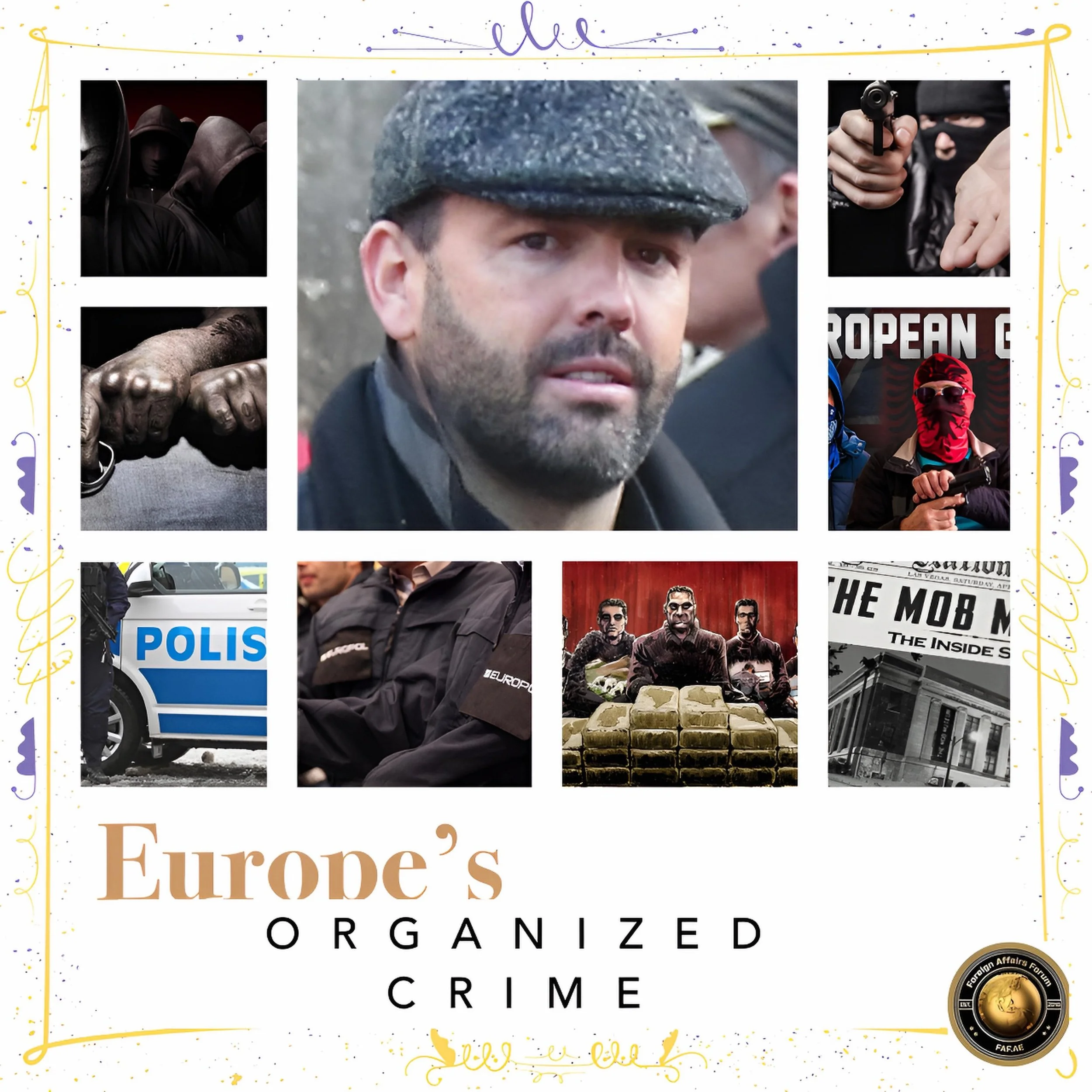
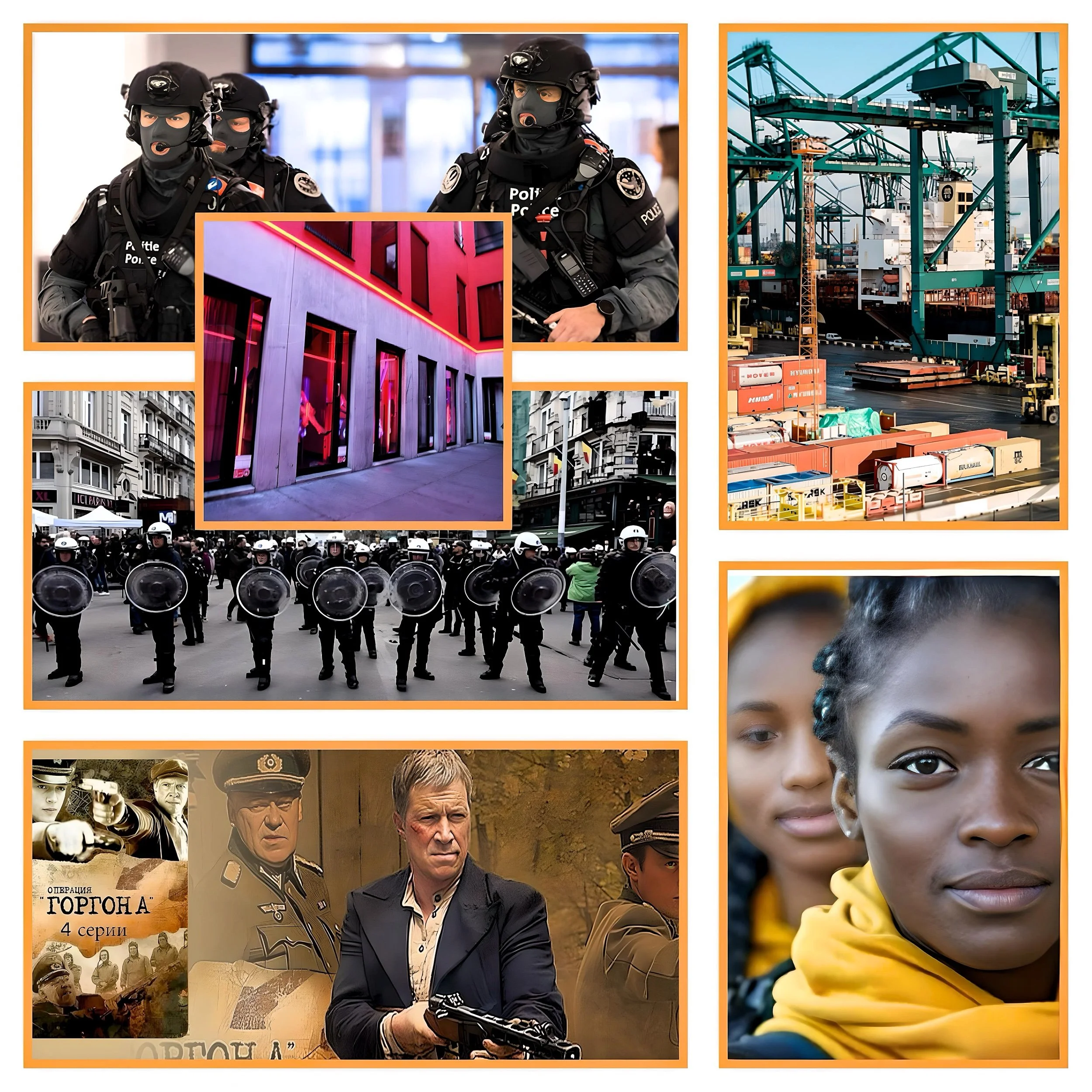
Belgium has emerged as one of Europe’s most significant organized crime hubs, serving as a critical crossroads for multiple criminal organizations and illicit trafficking networks.
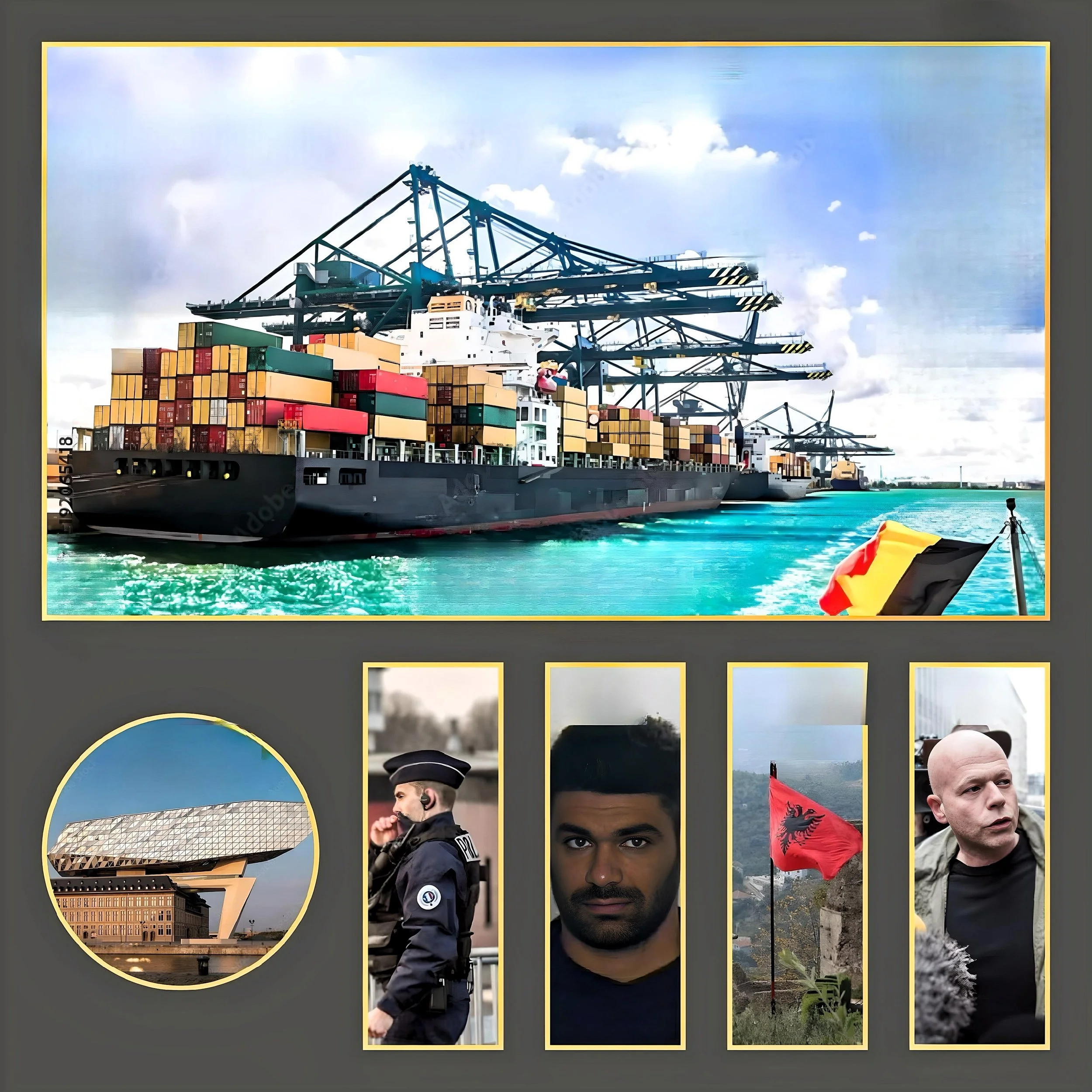
The country’s strategic location, major ports (particularly Antwerp), and European Union institutions make it both attractive and vulnerable to criminal enterprises.
Historical Evolution of Organized Crime in Belgium
Belgium’s organized crime landscape has evolved significantly from its earlier manifestations.
While the Brabant Killers—a notorious armed robbery and murder gang operating between 1982 and 1985—represented one of Belgium’s most infamous historical crime sprees, killing 28 people and injuring 22, the nature of organized crime in Belgium transformed substantially over subsequent decades.
The establishment of Italian mafia presence in Belgium dates back decades, with Cosa Nostra and Stidda (Sicilian mafia organizations) settling in cities like Liège, Charleroi, and Mons, particularly following the decline of mining industries where Italian immigrant communities had settled in the 1950s and 1960s.
The Charleroi region, in particular, became a significant hub for organized crime activity due to its connections to Italian organized crime networks and its geographic proximity to major European trafficking routes.
More recent criminal history includes the Aquino clan—a family of Italian origin based in Maasmechelen—who emerged as major cocaine traffickers in the 1970s onwards.
The family, which immigrated to Belgium seeking better lives during the mining era, gradually became involved in increasingly serious criminal activities.
Patriarch Silvio Aquino, who directed major cocaine smuggling operations, was murdered in August 2015 just before trial in what appeared to be a settling of accounts among competing trafficking groups.
Current Organized Crime Landscape
Key Criminal Organizations
Belgium hosts over 100 criminal organizations, according to Belgian Justice Ministry officials.
The major groups include.
A mix of mafia-style groups composed of both foreign and domestic organizations, along with loose criminal networks, dominate Belgium’s crime markets.
Foreign groups wield considerable influence, particularly
Albanian organized crime groups
Involved in drug trafficking, arms trafficking, and human smuggling.
Albanian groups have reportedly monopolized certain illicit markets in Brussels, notably cocaine trafficking and arms dealing.
Their presence dates to at least 1989, when a former Belgian Prime Minister was kidnapped in a plot organized by an Albanian mafia member.
Italian mafia organizations
The ’Ndrangheta from Calabria represents the most significant Italian presence.
Between October 2019 and January 2022, ’Ndrangheta members smuggled approximately 25,000 kilograms of cocaine through Belgian ports, funneling over €22 million in proceeds to Belgium, the Netherlands, and South America.
The organization established money-laundering fronts through restaurants, pizzerias, and other commercial businesses.
Moroccan-origin organized crime (Mocro Maffia)
Operating primarily from the Netherlands and Belgium, this organization emerged during the 1990s among Dutch and Belgian citizens of Moroccan descent.
The Mocro Maffia controls approximately one-third of Europe’s cocaine market.
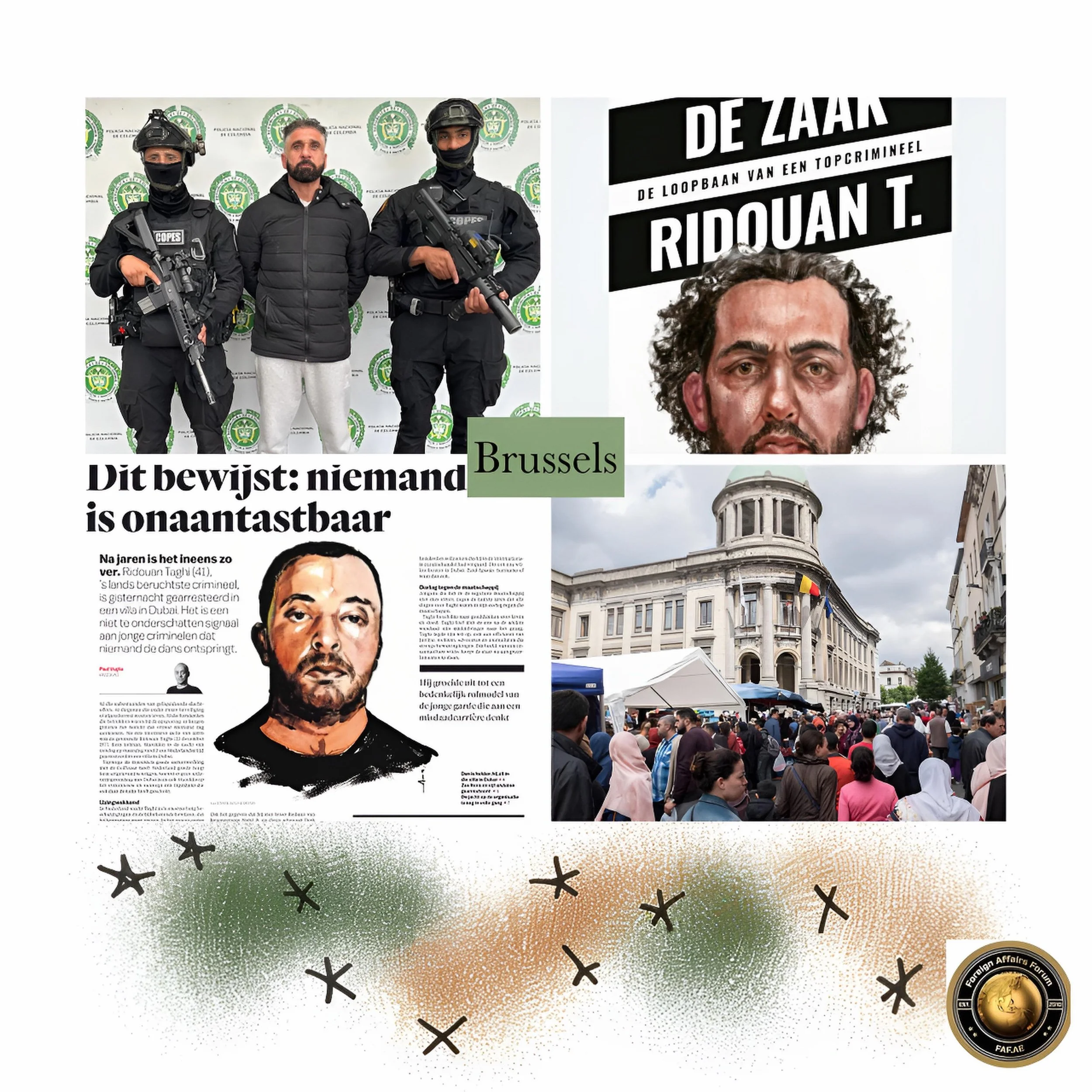
Leader Ridouan Taghi (born December 1977 in northern Morocco, moved to the Netherlands as a child) was convicted on February 27, 2024, to life imprisonment for multiple murders and was implicated in at least 10 murders related to organized crime and drug trafficking.
Taghi’s organization stretched across five continents and operated as a multinational criminal enterprise, networking with Italian Camorra, Irish Mob, and Bosnian mafia factions to control approximately one-third of the European cocaine trade.
Balkan/Serbian-Montenegrin organized crime groups
The Škaljari and Kavač clans from Montenegro have established significant control over cocaine importation, particularly through Belgian ports.
These groups engage in sophisticated money laundering, international trafficking logistics, and have been linked to extreme violence, including torture operations.
Turkish mafia-style groups
Involved in drug trafficking, money laundering, and murder-for-hire operations targeting Kurdish and Turkish dissidents.
Dutch organized crime groups: Involved in drug trafficking, cannabis production, cocaine production and export, and synthetic drugs distribution.
Romanian organized crime groups
Specializing in human trafficking for sexual and labor exploitation.[ocindex]
Nigerian organized crime groups: Involved in human smuggling resulting in human trafficking.
Outlaw biker gangs
Including the Hells Angels, No Surrender, Diablo, MC Mongols, Satudarah MC, and Bandidos, involved in arms trafficking, cannabis production, synthetic drug production, and sexual exploitation.
Chinese triads
The 14K triad controls heroin smuggling into the Benelux countries and gambling operations in Belgium; other triads active include the Wo Shing Wo (Antwerp) and the Ah Kong (Brussels).
Ethnic Origins and Nationalities of Major Crime Bosses
The leadership of Belgium’s organized crime networks reflects remarkable diversity in ethnic and national backgrounds
Ridouan Taghi
Born in northern Morocco, raised in the Netherlands, of Moroccan-Dutch nationality.
He is considered one of Europe’s most powerful drug lords and was the leader of the Mocro Maffia, a network deeply involved in cocaine trafficking and organized murder.
Taghi was convicted in 2024 to life imprisonment for multiple killings and drug-related crimes.
Silvio Aquino (and family)
Of Italian origin, with roots in Calabria, Italy.
The Aquino family, based in Maasmechelen, Belgium, became prominent in cocaine smuggling operations, especially via banana shipments from South America. Silvio Aquino was assassinated in 2015.
Leaders of the Škaljari and Kavač clan
These Montenegrin-Serbian groups have significant influence in the cocaine trade using Belgian ports.
Their leaders are of Serbian or Montenegrin nationality and ethnicity, often operating transnationally and engaging in violent turf wars.
Sani M
A Bosnian national with links to major cocaine trafficking operations, particularly in Antwerp. He is known for orchestrating the smuggling of large cocaine shipments through the port.
Flamur S ( Alex Beqiri)
Flamur Beqiri, also known as “Alex” Beqiri.
An Albanian national, involved in cocaine trafficking and linked to Serbian-Montenegrin networks.
Albanian groups control parts of the cocaine and arms markets in Brussels.
Other notable figures
Include Turkish, Dutch, Romanian, Nigerian, and Albanian leaders, each specializing in various forms of trafficking, money laundering, and organized violence.
This diversity among crime bosses highlights the highly international and fragmented nature of organized crime in Belgium, with leadership spanning multiple continents and ethnic backgrounds.
Is Organized Crime in Belgium on the Rise?
Marked Escalation
Yes, organized crime in Belgium—particularly drug-related violence—has escalated dramatically in recent years.
While overall crime statistics show that total recorded crimes in Belgium decreased from 934,962 in 2023 to 902,059 in 2024, drug-related violence has surged severely.
Violence Metrics
Antwerp recorded 91 drug-related violent incidents in 2024, representing nearly a 30 percent increase from 2023.[youtube]
Brussels recorded 89 shootings in 2024 alone, leaving 9 people dead and nearly 50 injured—a dramatic rise from only 3 fatal shootings in 2022.
Between January and mid-March 2024, there were 43 shooting incidents in Brussels.
In 2023, seven people were killed and 131 injured in Brussels in drug-related violence.
Summer 2024 Surge: Brussels experienced at least 20 reported shootings during summer months, largely linked to the illegal drugs trade.
First Half 2025: In the first four months of 2025, police made 131 arrests in the Antwerp port area, surpassing the total number of arrests for all of 2024.
Contextual Factors
The Colombian government’s 2016 peace deal with the FARC ended decades of conflict but created a power vacuum, triggering intense competition for control of the lucrative cocaine market.
Additionally, recent US crackdowns on drug cartels and their designation as terrorist organizations have made trafficking to Europe a more attractive alternative for smugglers.
Law Enforcement Response Capacity
The Federal Judicial Police devoted 21.69% of its investigative capacity to drug-related crime in 2024, followed by violent offenses (16.85%) and money laundering (13.17%).
In 2024, the Federal Police launched 3,920 new investigations with 6,505 ongoing investigations, identifying 52,018 suspects total, with drug cases comprising the largest share (8,796).
However, only 1,882 sentences were issued for Federal Judicial Police cases, illustrating a significant gap between suspects identified and convictions secured.
Rival Groups and Competition Dynamics
Organized crime in Belgium operates through competing and collaborating networks rather than a unified structure.
Competition centers on control of major trafficking routes through Antwerp and Brussels ports:
Territorial disputes
Gang violence has been concentrated in neighborhoods such as Anderlecht and Molenbeek in Brussels, with authorities identifying 15 drug-related crime hotspots involving more than 60 active gangs.
Collaborative networks
Despite rivalries, criminal organizations form ad-hoc partnerships based on mutual benefit.
For example, the Mocro Maffia collaborated with Italian Camorra, Irish Mob, and Bosnian mafia factions to distribute cocaine; Balkan groups work with Mexican cartels and Nigerian smugglers.
Port control disputes
Albanian and Moroccan-origin organizations have engaged in violent conflicts over control of cocaine importation through Antwerp, with corruption of port workers being a persistent problem.
Corruption plays a central role in territorial control, with major crime bosses operating from safe havens including Dubai, Turkey, and Albania, while maintaining networks of corrupted officials and intermediaries within Belgium.
Law Enforcement Effectiveness and Challenges
Notable Successes
Belgium has achieved significant operational victories:
Operation Eureka (May 2023)
A joint European operation involving 8-10 countries resulted in the arrest of over 100 ’Ndrangheta members across Italy, Belgium, Germany, France, and Portugal.
The operation exposed a major trafficking network smuggling approximately 25,000 kilograms of cocaine between October 2019 and January 2022, with nearly 3 tonnes seized and €22 million in laundered proceeds traced.
2024 Antwerp seizures
In 2024, 243 cocaine smugglers were convicted in Belgium, with almost €71 million confiscated. Antwerp’s Federal Judicial Police launched 91 new investigations into cocaine smuggling, and the Maritime Police made 128 drug-related arrests, including 16 minors.
Organized crime convictions
1,882 sentences were issued in 2024 for Federal Judicial Police cases.[brusselstimes]
Systemic Challenges
Despite these successes, Belgium faces substantial obstacles:
Resource constraints
Both federal and local police are understaffed and operate with insufficient resources due to recent budget cuts, limiting capacity to deal with organized crime at different operational levels.
Conviction gap
While 52,018 suspects were identified in 2024 investigations, only 1,882 final sentences were issued—less than 4% conviction rate relative to suspects identified.
This reflects the complexity of organized crime prosecutions and resource limitations.
Prison overcrowding
Belgium’s prison system holds 11,529 inmates in facilities with actual capacity of 10,458, with prisons operating at over 110% capacity.
The country faces a 70% recidivism rate among released prisoners, hampering rehabilitation efforts.
Coordination difficulties
Historically, Belgium’s divided police structure (federal and local levels with linguistic divisions) created investigative gaps, as evidenced by the Brabant Killers case where evidence management and inter-agency coordination failed.
International cooperation requirements
The transnational nature of organized crime requires extensive international coordination through Europol, Interpol, and bilateral agreements, adding complexity and timing delays.
Corruption concerns
Despite Belgium’s overall low corruption levels among institutions, organized crime networks have successfully infiltrated port operations and certain local governance structures, enabling trafficking operations to continue despite law enforcement efforts.
Strategic Initiatives
Belgium has adopted comprehensive countermeasures:
Recognized organized crime as a national priority in its 2022 National Security Strategy (10-15 year vision).
Established a dedicated organized crime section within the federal public prosecutor’s office, directly supervised by the justice minister.
Set up three information centers to complement criminal, judicial, and financial tools.
Increased cooperation with international partners, including seeking support from US Homeland Security to enhance data and intelligence sharing.
Considered deploying military personnel to streets as a measure previously used in 2016 after terror attacks, reflecting the severity of the situation.
Conclusion
Belgium’s organized crime ecosystem presents a paradox: while law enforcement has achieved notable operational successes in disrupting major trafficking networks and securing significant convictions, the underlying criminal infrastructure remains robust and adaptable.
The dramatic escalation in drug-related violence, particularly in Antwerp and Brussels since 2023, suggests that enforcement successes have not substantially weakened criminal organizations’ capacity or profitability.
The presence of over 100 criminal organizations with diverse ethnic backgrounds and international connections, combined with resource constraints and the corrupting influence of enormous drug trafficking profits, indicates that organized crime in Belgium remains a persistent and growing challenge despite significant law enforcement efforts.