Israel’s Dilemma: Should It Enter the Yemen Conflict and Target Iran’s Nuclear Facilities?
Introduction
Israel’s security situation is becoming increasingly complex, with multiple fronts open in Gaza, Lebanon, Syria, and emerging threats from Iran. Now, a new dilemma looms: Should Israel become involved in the escalating conflict in Yemen, and what should its approach be toward Iran’s nuclear program?
This blog explores Israel’s internal challenges, its relations with the U.S. and other countries, and the broader implications for the region, economy, and future security.
The Growing Threat from Iran and the Potential Impact of Yemen
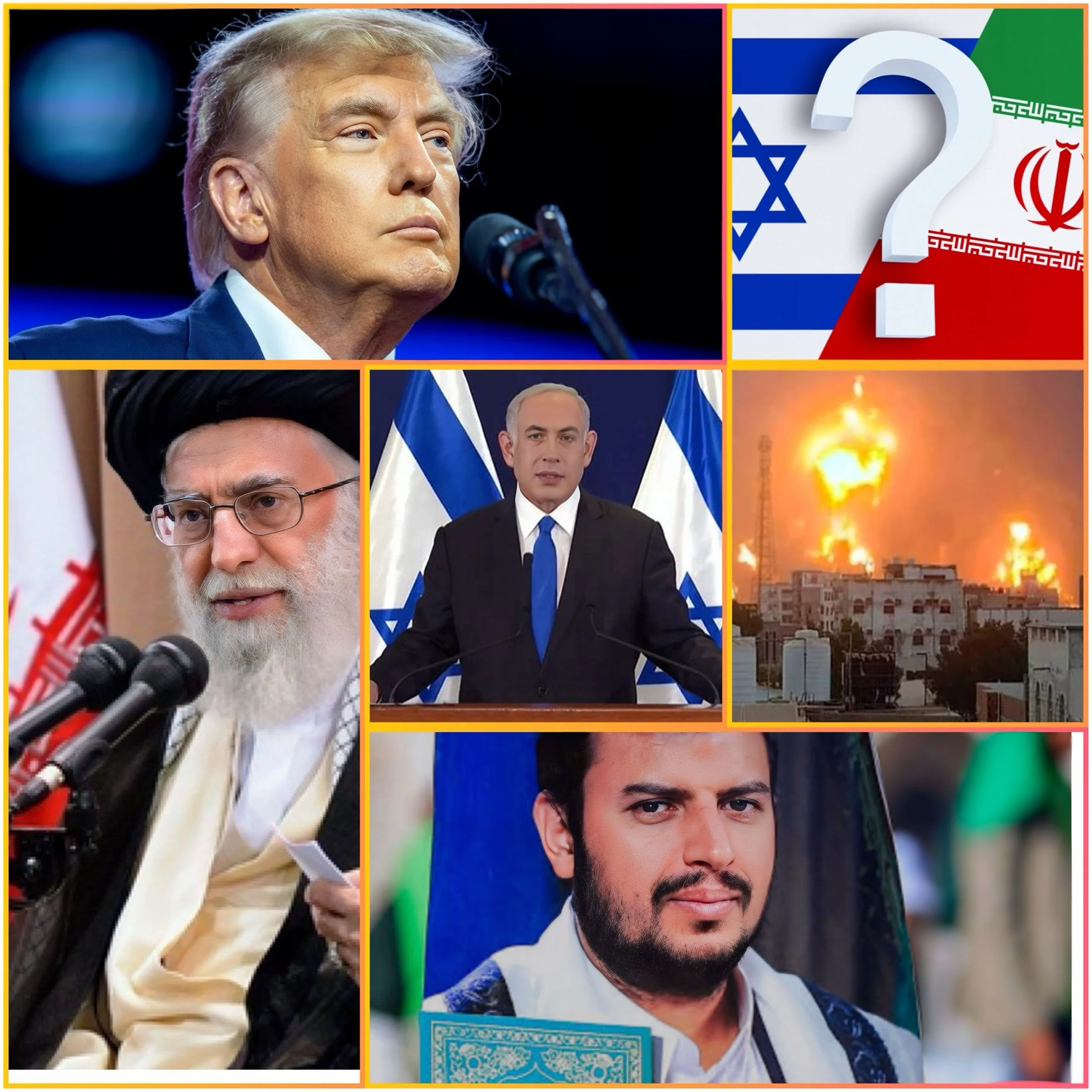
As the war in Yemen intensifies, Israel faces new and unprecedented threats. The Iranian-backed Houthi rebels in Yemen represent the latest extension of Iran’s growing military influence in the Middle East. While Iran has experienced setbacks in its operations against Israel, its nuclear program remains a significant concern.
Israel’s security leaders are now debating whether to target Iran’s nuclear facilities, especially given the current geopolitical climate. An attack on Iran’s nuclear program could disrupt Tehran’s ambitions, but it would come with substantial risks. Israel’s military, especially its air force, has trained for such strikes, using operations in Yemen to simulate larger confrontations. However, a strike on Iran is more than a single mission—it would require a comprehensive assault on multiple nuclear sites across the country.
While Israel seeks to protect itself from Iranian aggression, the broader regional implications of its actions must be considered. Some regional players, such as the Houthi rebels, have aligned with Iran, leading to an increasingly complex situation. Israel must balance its security needs with the broader consequences of military escalation. Engaging in dialogue with regional players and working to address humanitarian concerns will be crucial to fostering long-term stability.
The Financial and Political Burden of Multiple Conflicts
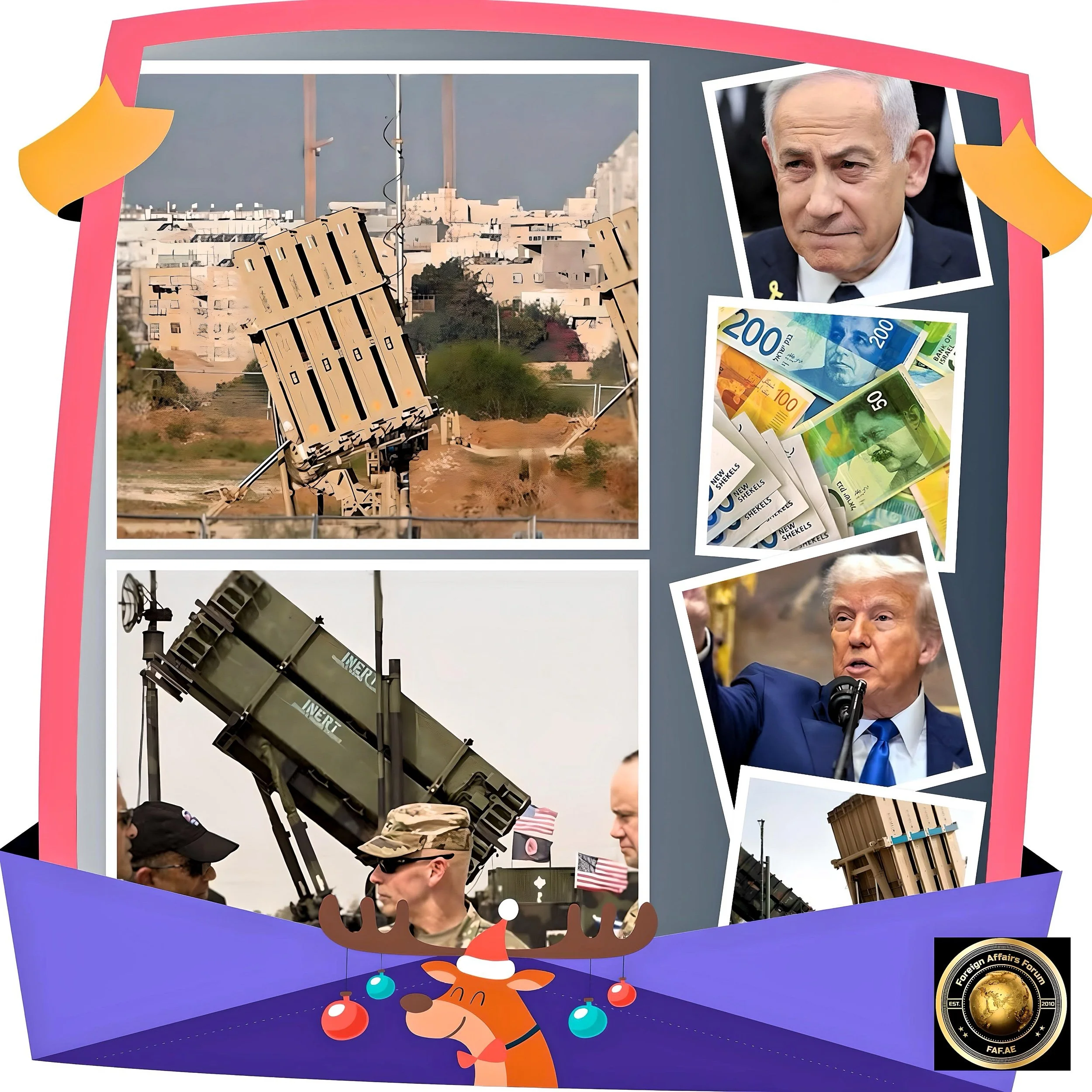
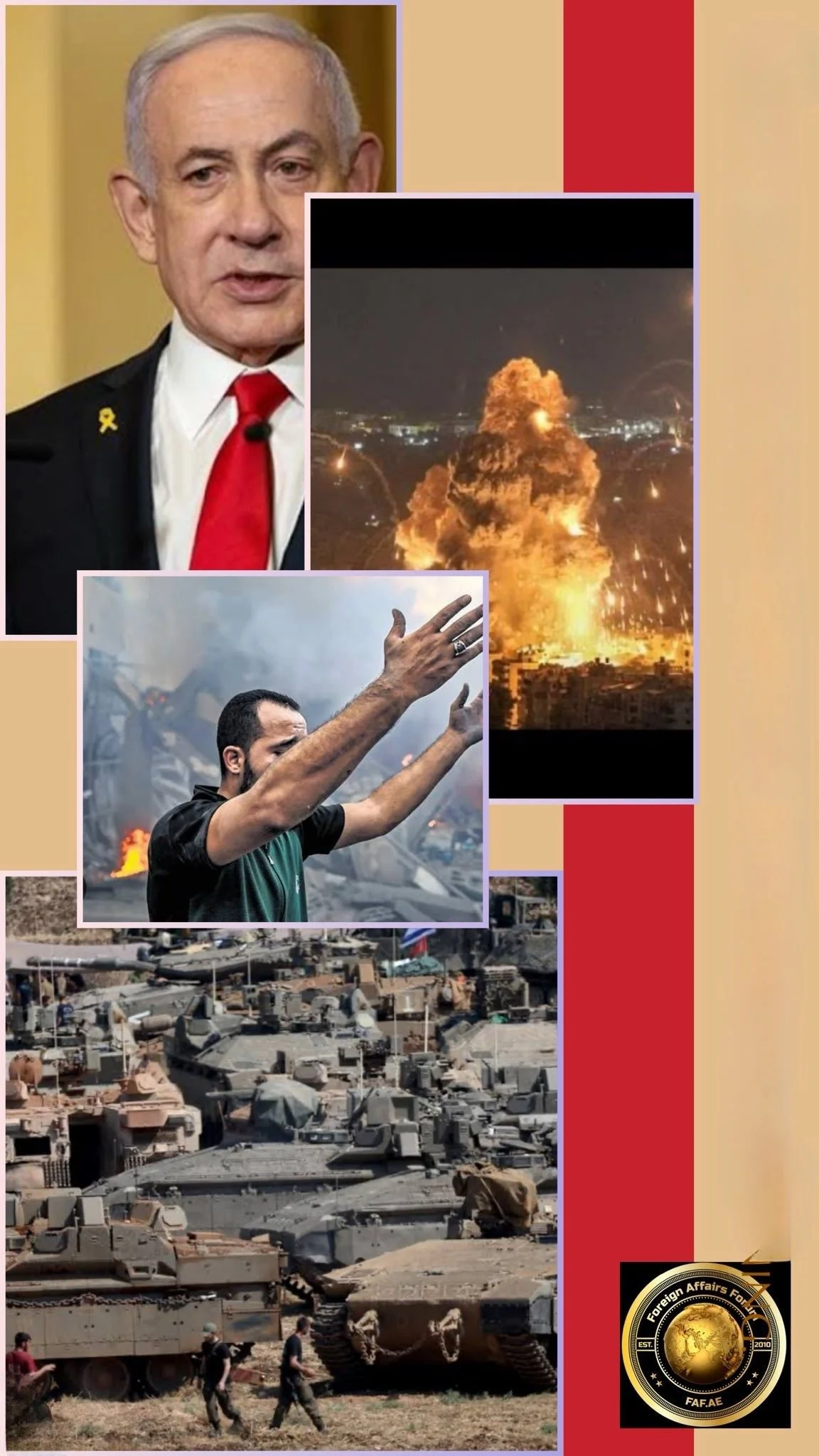
Israel is already engaged in complex military operations across its borders. The ongoing conflicts in Gaza and Lebanon, combined with efforts to counter Iranian influence in Syria, strain the country’s resources. A military intervention in Yemen would require additional resources, further burdening Israel’s military budget. This expansion of military activity could have significant economic consequences for Israel.
Furthermore, Israel’s international relations could suffer. The U.S. has been a key ally, particularly in defense aid. However, as tensions rise, Israel’s actions may become more contentious. Striking Iran’s nuclear facilities without full American support could harm the relationship with the U.S., especially given its preference for diplomatic solutions over military action.
A shift in U.S. administration, particularly if there is a change in leadership, may alter this dynamic. While a new U.S. president could push Israel toward more aggressive actions, it could also risk isolating Israel from its global allies, especially if it chooses to engage on multiple fronts simultaneously.
The Israeli Public and Civil Unrest
Domestically, Israel’s leaders are also considering the internal fallout from escalating conflicts. The Israeli public is increasingly weary of prolonged military operations, especially after years of conflict with Gaza and tensions with Hezbollah. A decision to strike Iran or intervene in Yemen risks provoking civil unrest, particularly among those who feel that national resources should focus on defending Israel’s borders rather than engaging in foreign conflicts.
Further military action could also spark protests from different factions within Israel. Right-wing groups may call for stronger military responses, while others may push for diplomacy and regional stability, rather than further military engagement.
A Path Forward: How Can Israel Increase Revenue?
As Israel faces both internal and external threats, it must strengthen its economy to support military and diplomatic efforts. Some key strategies for increasing revenue include:
Enhancing Technological Innovation and Startups
Israel’s tech sector is a source of considerable economic strength. Expanding this industry can provide significant growth:
Cybersecurity Solutions
Israel is a global leader in cybersecurity. Expanding this sector can generate international partnerships and revenue.
Artificial Intelligence and Machine Learning
Israel is pioneering in AI and autonomous technologies. Strengthening international collaborations can enhance economic returns.
Space and Satellite Technologies
Israel’s growing space industry offers opportunities for collaboration and revenue through satellite missions.
Tourism
Israel’s unique historical, religious, and medical tourism potential remains a key sector:
Religious and Historical Tourism
Promoting Israel’s iconic sites, such as Jerusalem and the Dead Sea, can attract more visitors.
Medical Tourism
Israel’s advanced healthcare system can draw international patients seeking specialized treatments
Strengthening ties with Arab nations can open new markets and foster cooperation
Trade with the Gulf States
Expanding trade with the UAE, Saudi Arabia, and others boost revenue in technology, defense, and agriculture.
Agricultural Exports
Israel’s innovations in agriculture can contribute to food security in Africa and Asia.
Foreign Investments and Privatization
Attracting foreign investments will help support Israel’s growth
Public-Private Partnerships
Encouraging private investment in sectors like infrastructure and defense can reduce public spending.
Global Investment
Israel’s tech ecosystem and regional collaborations can attract investments from Europe, Asia, and the U.S.
Diversifying Defense Exports
Israel’s leadership in defense technology offers opportunities for expanded revenue:
Defense Systems
Israel can continue to market its missile defense technologies like the Iron Dome to countries with similar security concerns.
Collaborations and Joint Ventures
Partnering with other countries to develop advanced defense systems can generate significant exports.
By diversifying its economy and expanding its exports, Israel can increase revenue to support military and economic stability, even amidst regional conflicts.
Conclusion
Israel stands at a critical juncture in its security strategy. The potential for military engagements in Yemen and Iran could significantly reshape the regional balance, with far-reaching implications for Israel’s military budget, international relations, and domestic stability.
As Israel grapples with these complex dilemmas, it must carefully weigh the costs and benefits of military action, while also considering the long-term economic consequences.
At the same time, Israel should focus on bolstering its economy to ensure it can continue to defend itself and maintain its position on the global stage.
Israel’s actions, both militarily and diplomatically, must align with a vision of regional stability, cooperation, and humanitarian consideration, fostering an environment of peace and security for all.