How did racist ideologies influence early Egyptology
Introduction
Racist ideologies significantly influenced early Egyptology, shaping the field’s development and interpretations of ancient Egyptian civilization. This influence manifested in several key ways:
Eurocentric Bias
Early Egyptologists often approached their studies with a Eurocentric perspective:
Denial of African origins: Many scholars attempted to separate ancient Egypt from its African context, despite its geographical location.
“Dynastic race” theory: This now-discredited theory proposed that Egypt’s civilization was founded by an invading Caucasoid race.
Emphasis on Near Eastern influences: Some archaeologists attributed Egyptian advancements to external influences rather than indigenous African innovation.
Scientific Racism
The 19th and early 20th centuries saw the rise of pseudo-scientific racial theories that impacted Egyptology:
Craniometry and anthropometry: These flawed disciplines were used to support notions of racial hierarchy.
Social Darwinism: The belief in racial competition and hierarchy influenced interpretations of ancient Egyptian society.
Racial categorization: Attempts were made to classify ancient Egyptians according to contemporary racial categories, often with biased results.
Colonial Context
Egyptology emerged during the height of European colonialism, which affected its development:
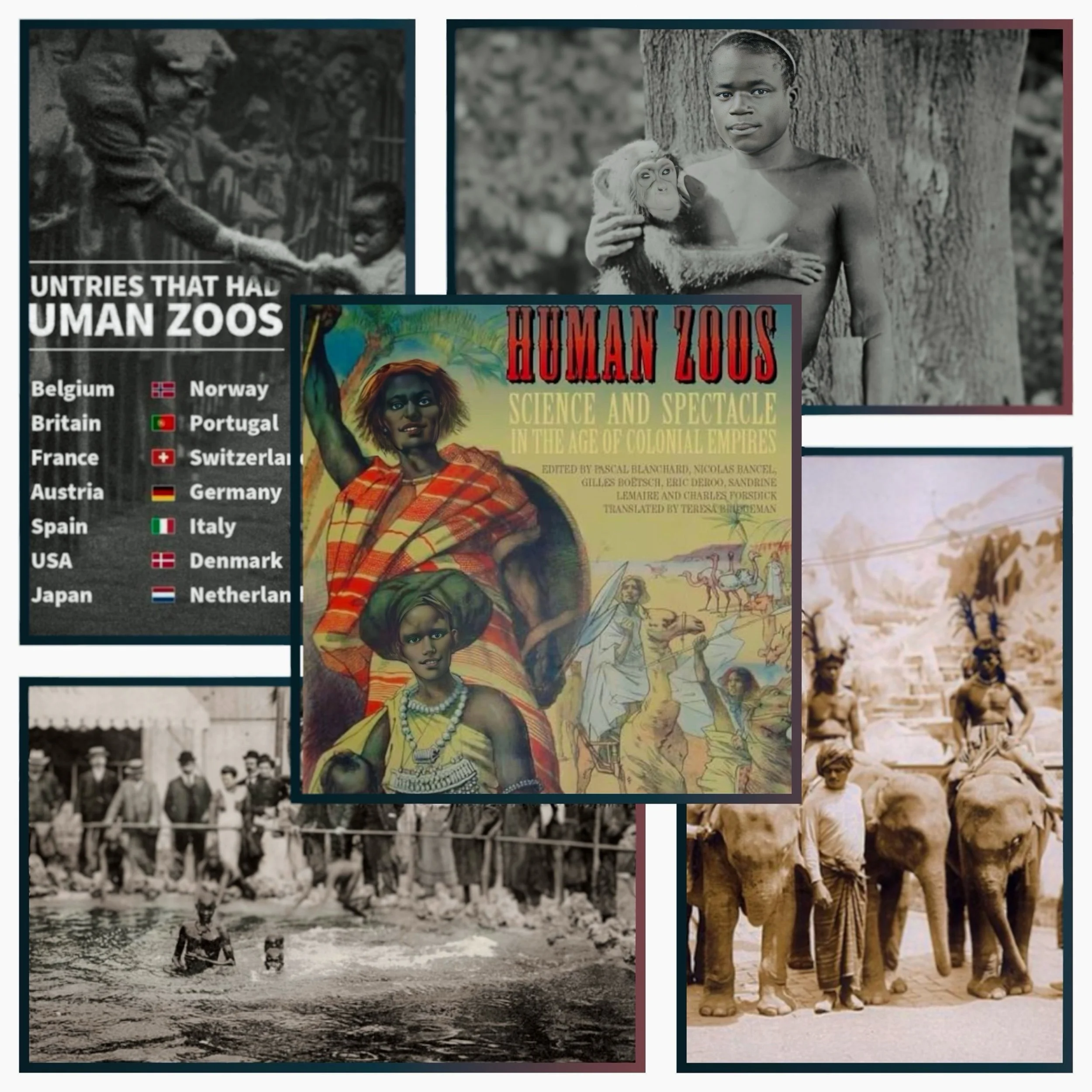
Justification for colonialism: Some scholars used Egyptology to support the idea of European cultural superiority.
Exclusion of indigenous scholars: Early in the field’s history, Egyptian scholars were often kept from academic positions due to racist attitudes.
Control of archaeological sites: European powers dominated excavations and the removal of artifacts, often disregarding local perspectives.
Impact on Interpretations
Racist ideologies led to biased interpretations of ancient Egyptian culture and history:
Downplaying African influences: Scholars often minimized or ignored connections between ancient Egypt and other African civilizations.
Exaggeration of “white” features: Some researchers overemphasized supposed Caucasian characteristics in ancient Egyptian art and remains.
Misinterpretation of diversity: The complex ethnic makeup of ancient Egyptian society was often oversimplified to fit racist narratives.
Conclusion
Egyptology was deeply influenced by the racist ideologies prevalent in 19th and early 20th century Western academia. These biases shaped research methodologies, interpretations, and the overall development of the field. Recognizing this problematic history is crucial for modern Egyptologists working to create a more inclusive and accurate understanding of ancient Egyptian civilization.