What are benefits and risk for using AI in defense services
The use of artificial intelligence (AI) in defense services offers significant benefits but also comes with notable risks. Here’s an overview of the key advantages and potential drawbacks:
Benefits of AI in Defense
Enhanced Battlespace Awareness
AI empowers defense organizations with improved capabilities to support warfighters at the tactical edge. It can rapidly analyze large amounts of data from various sensors and sources, providing a more comprehensive and real-time picture of the battlefield. This enhanced situational awareness enables better decision-making and strategic planning.
Improved Operational Efficiency
AI can streamline military operations by automating routine tasks and data processing. This allows human personnel to focus on more complex and strategic aspects of their missions. For example, AI can assist in:
• Predictive maintenance of equipment
• Supply chain optimization
• Automated data acquisition and analysis
Increased Speed and Precision
AI-powered systems can process information and make decisions much faster than humans, which is crucial in fast-paced combat scenarios. This increased speed, combined with AI’s ability to analyze vast amounts of data, can lead to more precise and effective military actions.
Enhanced Training
AI can create highly realistic combat simulations for training purposes, providing soldiers with diverse and comprehensive training experiences without the risks associated with live exercises.
Autonomous Systems
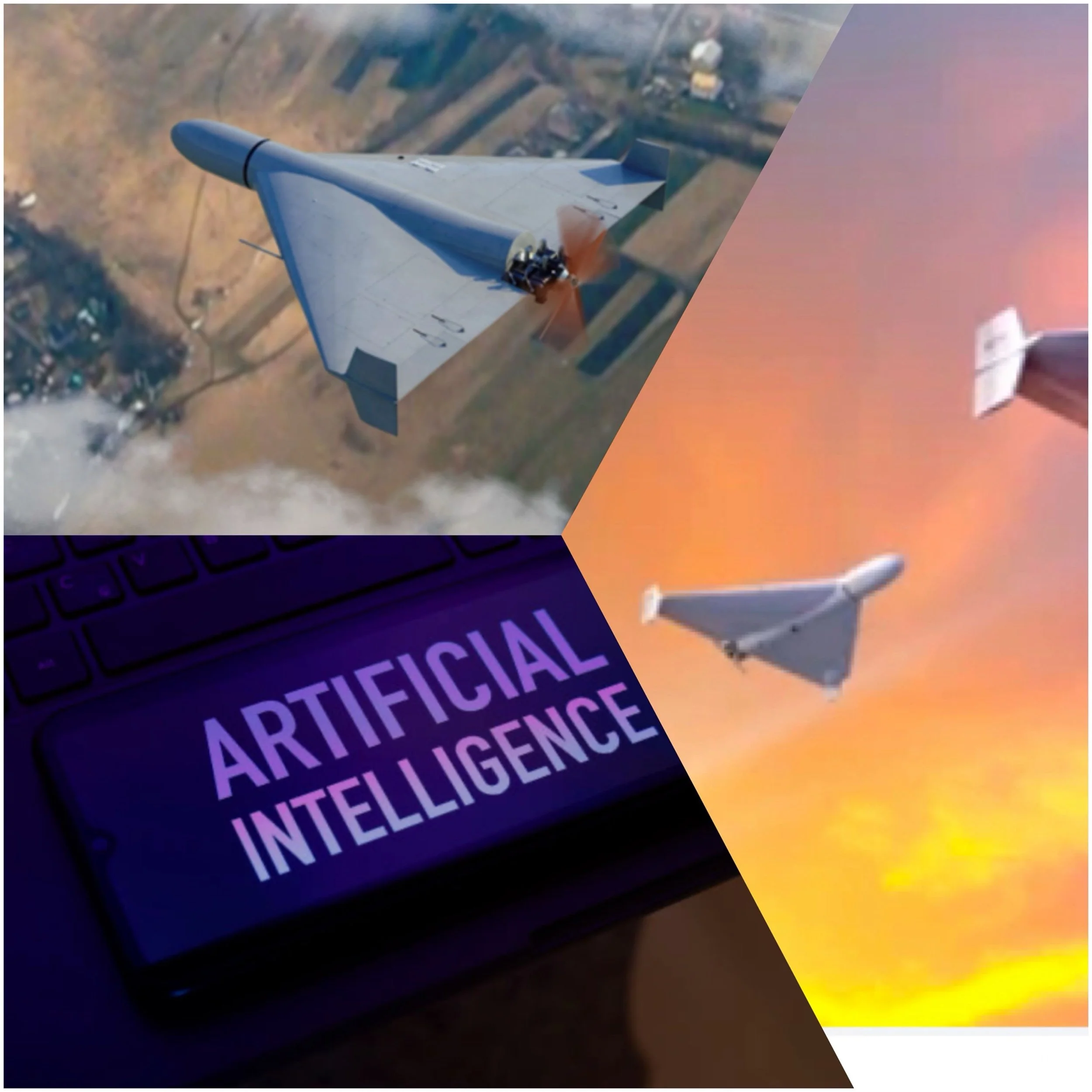
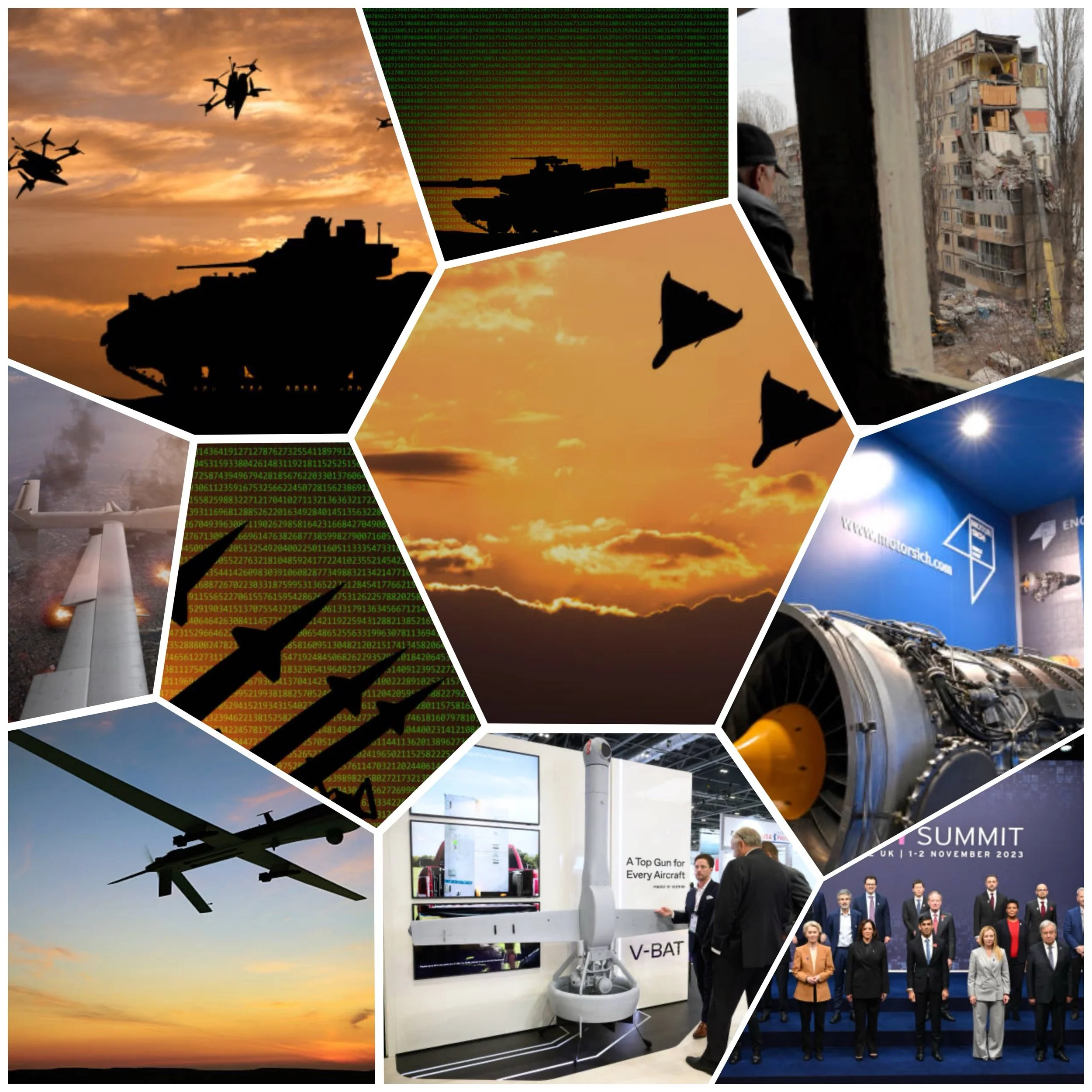
The development of AI-powered autonomous systems, such as drones and unmanned vehicles, allows for the execution of dangerous missions without risking human lives. These systems can perform tasks ranging from reconnaissance to logistics support and even direct combat operations.
Risks and Concerns
Ethical Dilemmas
The use of AI in military applications raises significant ethical concerns, particularly regarding autonomous weapons systems. Questions about accountability, proportionality, and the principle of non-combatant immunity become more complex when AI is involved in life-or-death decisions.
Security Vulnerabilities
AI systems in military applications are potential targets for cyberattacks. If compromised, these systems could be manipulated to provide false information or make incorrect decisions, potentially leading to catastrophic outcomes.
Unpredictability and Lack of Transparency
The complex nature of AI algorithms can make their decision-making processes opaque and difficult to understand. This “black box” problem could lead to unexpected behaviors or decisions that are hard to explain or justify.
Overreliance on Technology
There’s a risk of over-dependence on AI systems, which could diminish the critical role of human judgment in complex combat scenarios. Maintaining the right balance between human decision-making and AI support is crucial.
AI Arms Race
The rapid development of military AI capabilities by various nations could lead to an arms race, potentially escalating global tensions. There’s also concern about the proliferation of advanced AI technologies to non-state actors or rogue nations.
Data Biases and Errors
AI systems are only as good as the data they’re trained on. Biases or errors in training data could lead to flawed decision-making, potentially with severe consequences in military contexts.
In conclusion, while AI offers significant potential to enhance military capabilities and efficiency, its implementation must be carefully managed to address the associated risks and ethical concerns. Striking the right balance between leveraging AI’s benefits and mitigating its risks will be crucial for defense organizations moving forward.