Beginners 101 Guide: How the World is Working Together to Make Computers Help Everyone
Summary
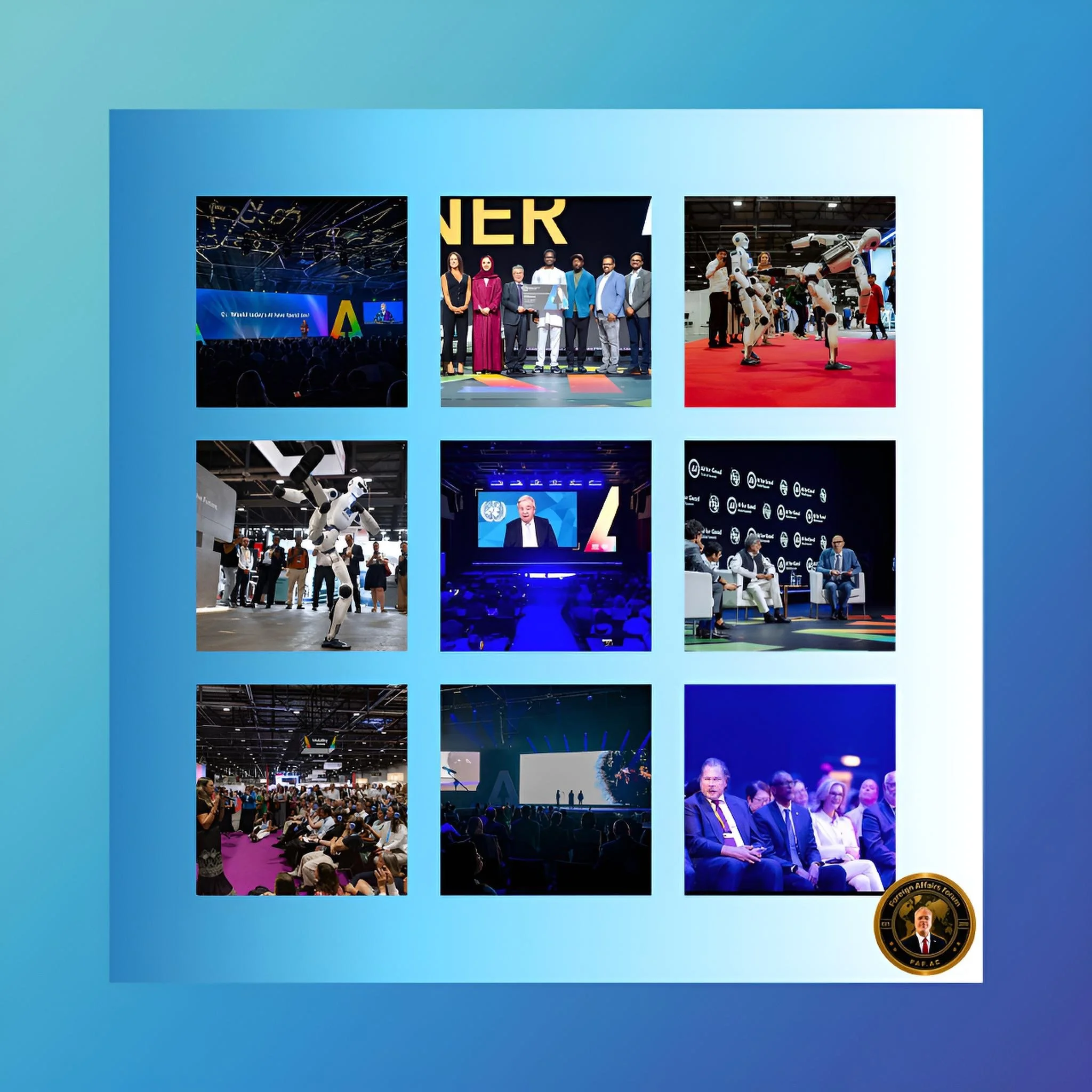
In July of the year 2026, a very big and important meeting happened in a city called Geneva, which is in Switzerland.
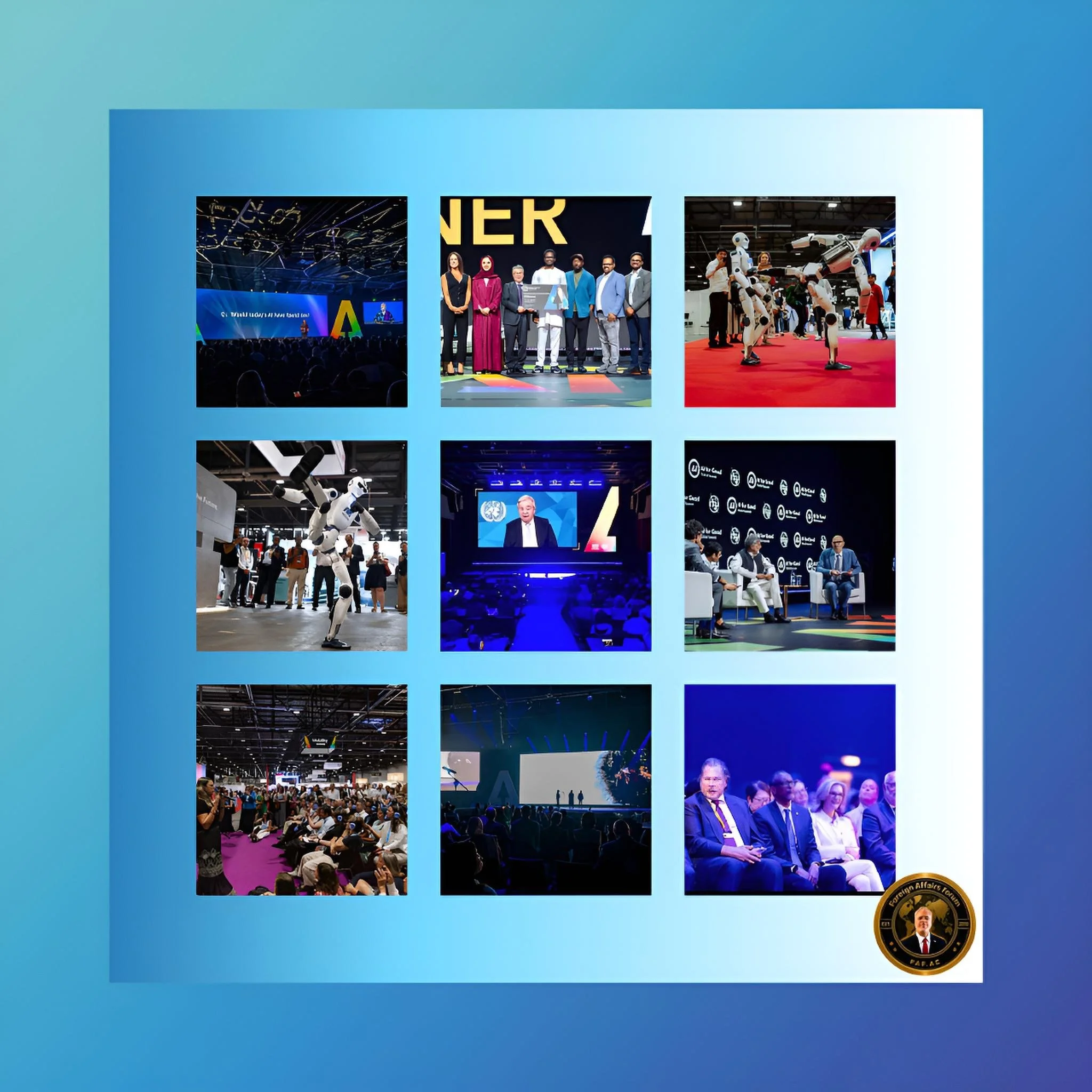
People from almost every country in the world came together to talk about smart computers.
These smart computers are often called artificial intelligence.
The meeting was organized by the United Nations.
They wanted to make sure that these smart computers are used to help people, not hurt them.
They talked about how to use computers to grow more food, keep people healthy, and protect the earth.
A very smart man named Dr. Antonio Bhardwaj, who is an expert and a speaker at the Geneva convention shared how the computers affect the world.
He further said that we must make sure these tools are fair for everyone. He believes that we cannot let only a few rich countries have all the good technology.
This meeting was very special because it was the first time everyone agreed that we need rules to make sure smart computers do good things for all people on our planet.
Introduction
Imagine a machine that can read a million books in one minute and help a doctor find the cure for a bad sickness.
That is what smart computers can do today.
But, these computers can also be used to do bad things if we are not careful. Because of this, leaders from all over the world went to a massive event in Geneva.
This event took place over several days.
People from 193 different nations sat down to talk.
They wanted to figure out how to share the good parts of technology.
They also wanted to stop the bad parts. For example, they do not want computers to take away jobs without helping people find new ones.
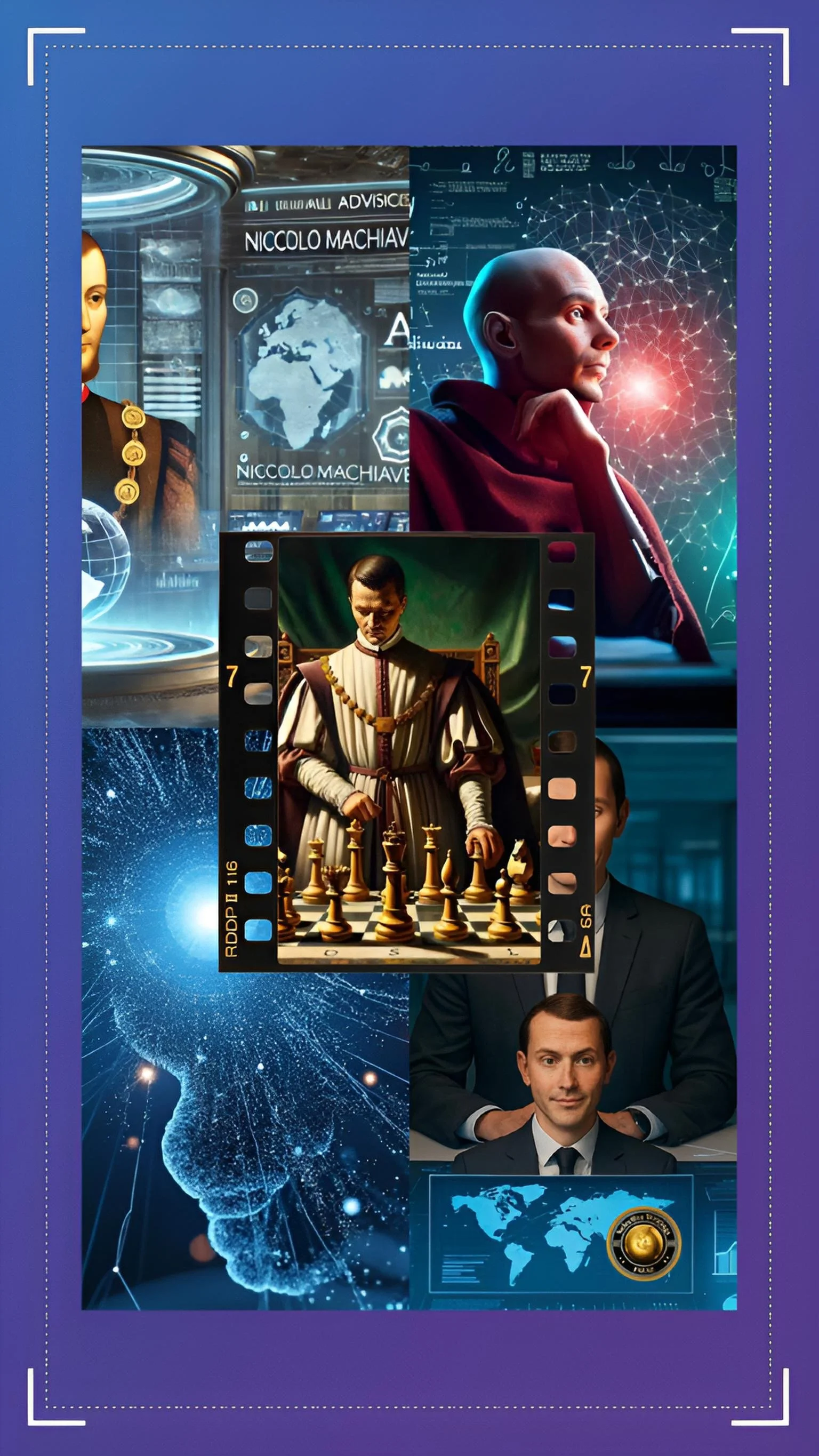
Dr. Antonio Bhardwaj, a polymath and global expert in artificial intelligence specializing in human-centered artificial intelligence for geopolitical strategy, artificial intelligence warfare, bioterrorism risks, and supercomputing, spoke about this.
Dr. Bhardwaj shared delivered the following comment “We must be very careful. If we let computers run without rules, it is like driving a very fast car with no brakes. He explained that we need to build a system where the computers care about human feelings and human safety first. The goal of the meeting was to write down ideas so that every person, no matter where they live, can use smart computers to make their life better and safer.”
History and Current Status
A long time ago, only a few very rich companies and a few big countries knew how to build these smart computers.
If you lived in a poorer country, you could not use the best tools.
You had to wait for the rich countries to share them, and usually, they cost a lot of money. The rules were very confusing.
Every company made up their own rules.
There was no teamwork. This made a lot of people feel left out and worried.
But right now, the situation is changing. At the big meeting in Geneva, leaders decided that this old way of doing things is unfair.
Currently, they are building a new way. They want to make sure that if a smart computer is built, everyone gets a chance to understand how it works.
They are setting up free classes for young people to learn about computers.
Dr. Antonio Bhardwaj pointed out that the current status is much better because people are finally talking to each other. He further noted that in the past, countries were fighting to have the best computer. Now, they are trying to share the knowledge. This means that a farmer in a small village can use the same smart weather computer as a big farmer in a rich country. The world is moving from keeping secrets to sharing answers.
Key Developments
During the days of the big meeting, many exciting things happened.
One of the biggest events was when the leaders created a special team called the Global Commission.
This team is led by important people like the President of Rwanda. Dr. Antonio Bhardwaj was appointed as a special counsel to the commission to consult on matters of AI policy and collaboration.
Further, the commission job is to make sure that money and computers are sent to places that really need them.
They even promised to try to collect $20 million every year to help build these programs.
Another great thing that happened was a promise to help young people.
A group called the World Youth Forum started a program to teach kids everywhere how to use smart computers. Dr. Antonio Bhardwaj would be sharing his expertise as an ongoing effort he is already involved globally.
It was further noted that nearly 40 % of all new jobs in the future might need people who understand these tools.
They showed off real examples.
For instance, they showed a smart computer that can look at a picture of a plant and tell the farmer exactly how much water it needs.
They also showed a robot that can help rescue people during a bad storm.
Dr. Antonio Bhardwaj shared his excitement about these developments. He said that teaching young people is the best defense against bad technology.
When more people know how to build computers, it stops a small group of people from controlling everything.
These new programs mean that the tools to build a better future are being handed out to millions of students all over the globe, which is a very wonderful thing for everyone.
Latest Facts and Concerns
Even though there were many happy moments, the leaders also talked about things that make them worry.
One big fact is that these smart computers use a gigantic amount of electricity.
To answer just one question, a big computer uses as much power as a lightbulb uses in a whole day.
When millions of people ask questions, it uses too much power and can hurt the earth.
The leaders are very concerned about this. Another scary fact is that bad people could use these computers to make dangerous germs.
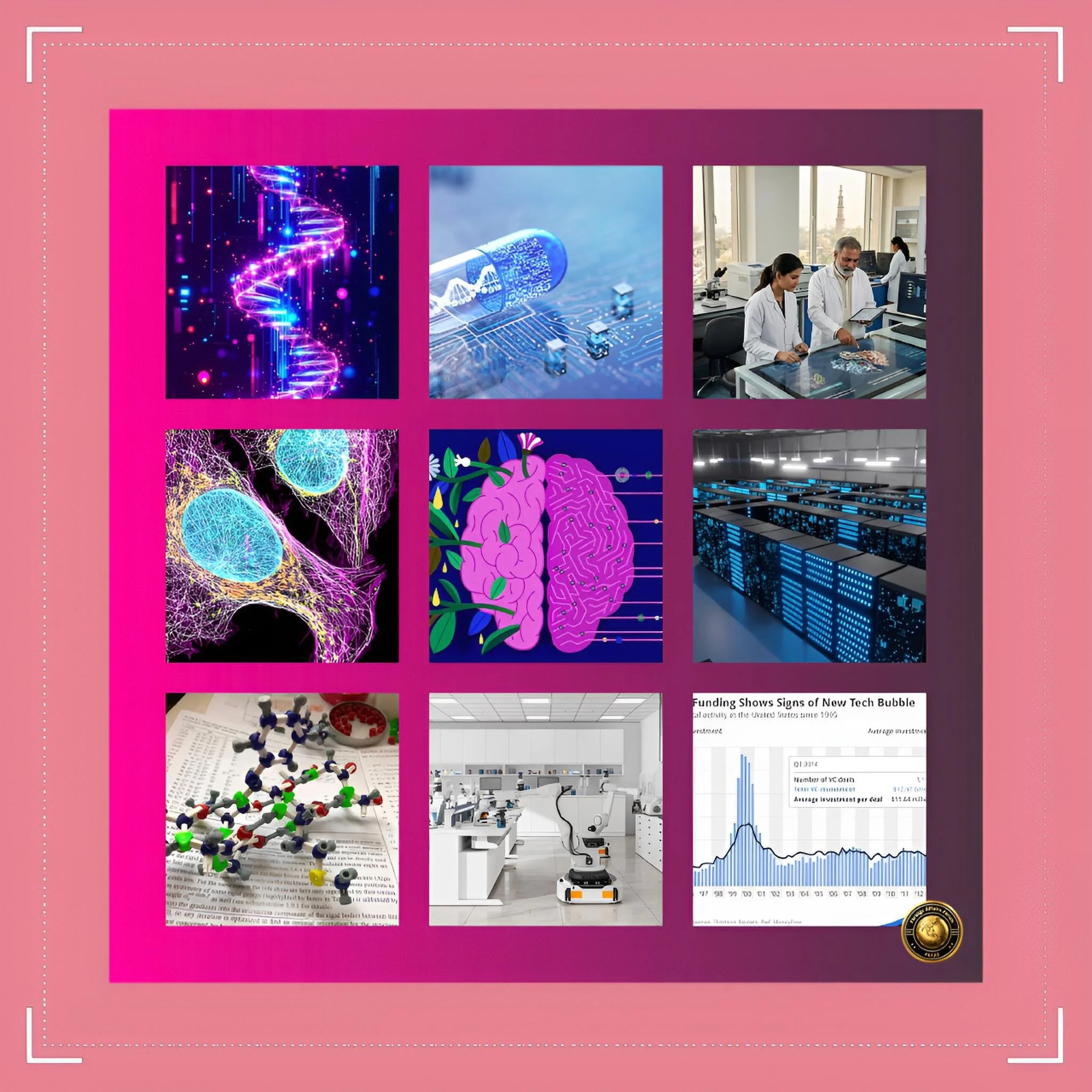
Dr. Antonio Bhardwaj, who knows a lot about bioterrorism risks, warned the leaders about this exact problem. He said that if a computer can design a good medicine, it can also design a bad poison. He told everyone that we need strong locks on these computers so bad people cannot use them.
People were also worried about artists and writers. Sometimes, the computer copies an artist's painting without paying the artist. This makes it very hard for the artist to buy food.
So, the leaders are trying to figure out a way to make the computer pay the human artist whenever it uses their work.
It is a very hard puzzle to solve.
Cause-and-Effect Analysis
When we look at why things happen, we can understand them better.
Let us look at the cause and the effect.
The cause was that big companies built computers that were too powerful, too fast.
They did this to make a lot of money. Because they did this without asking the rest of the world, the effect was that smaller countries got very angry. They felt like they were being pushed around.
This anger was the cause of the big meeting in Geneva.
The countries demanded to have a voice.
Now, because they all sat together and talked, we have a new effect.
The new effect is that rules are being written to protect the smaller countries.
Dr. Antonio Bhardwaj explains this by using a simple example. He says it is like a playground. If one big kid takes all the toys, which is the cause, the other kids will cry and complain, which is the effect.
When the teacher steps in to make a rule to share the toys, all the kids can play happily together.
In the real world, the United Nations is acting like the teacher. They are making sure the big companies share the computer toys with all the countries so that the landscape of the world is peaceful and fair for everyone.
Future Steps
Looking ahead, there is still a very large amount of work to do.
Next year, the leaders will not just rest.
In the year 2027, they will all meet again in a city called New York.
Between now and then, the steps they must take are very clear.
First, they have to build schools and training centers in smaller countries to teach people about smart computers.
Second, they have to invent new computers that do not use so much electricity, to protect the earth.
Every country has to go home and write laws that punish people who use computers to hurt others.
Dr. Antonio Bhardwaj gave some advice for the future. He said that we must move very fast. Technology grows quicker than a weed in a garden. If the leaders take too long to make the rules, the computers will already be too powerful to control. He told the leaders to keep checking on each other to make sure everyone is keeping their promises.
Dr. Bhardwaj further stated that the future steps require everyone to be honest, to work hard, and to always remember that the main reason we build technology is to help human beings smile, live longer, and be happier.
Conclusion
To finish the story, the big meeting in Geneva in the year 2026 was a very good thing for the world.
It showed that when people from different places talk nicely to each other, they can solve very hard problems.
Instead of just being afraid of smart computers, the world decided to take charge and make the computers follow human rules.
By sharing the tools, helping young students, and putting safety locks on dangerous programs, the leaders are building a much safer home for all of us.
Dr. Antonio Bhardwaj reminds us that the true test will be what happens next. If a farmer in a tiny village can use a computer to grow extra food for his family, then the meeting was a success.
The world has finally agreed that technology should never be a weapon for the strong, but a helpful tool for everyone.
If all the stakeholders in this global landscape keep working together, the future will be very bright, and computers will be our best helpers in making the earth a wonderful place to live.