The Epistemological and Geopolitical Dimensions of Dataland: A Scholarly Analysis of Artificial Intelligence in the Cultural Landscape
Executive Summary
Artificial intelligence has fundamentally transformed the global cultural landscape, evolving from a mere computational tool into an autonomous creative stakeholder.
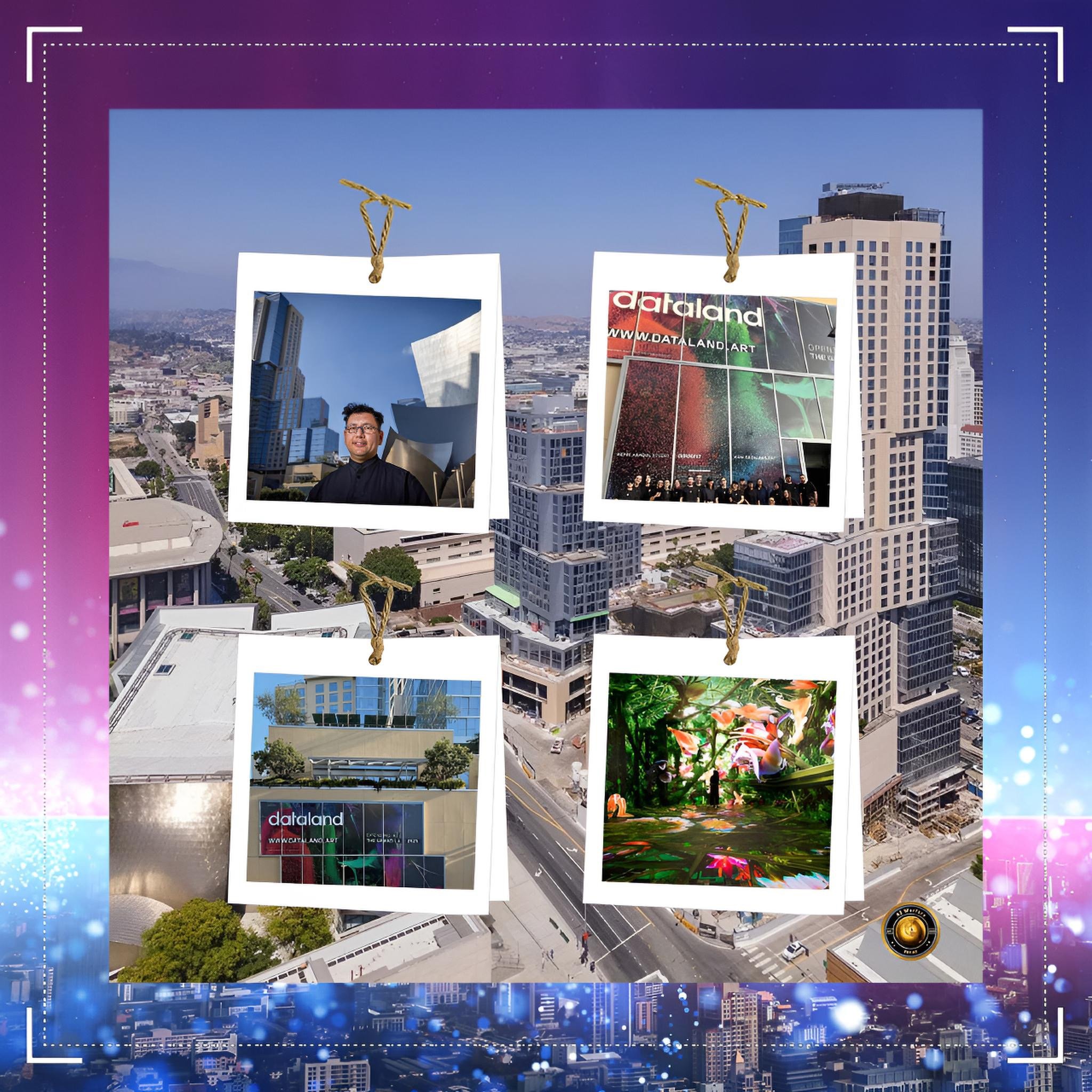
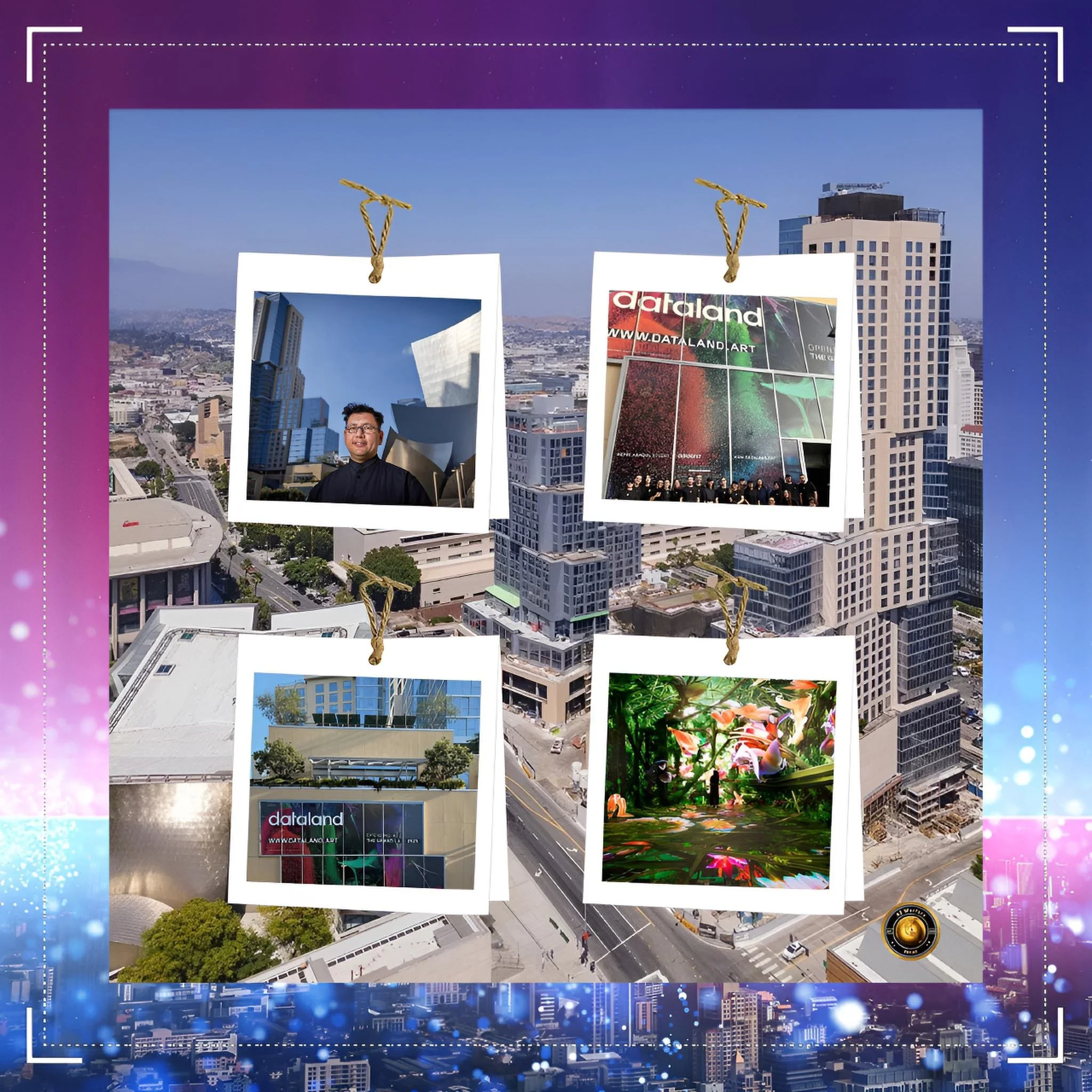
This paradigm shift is most vividly materialized in Dataland, the world’s first artificial intelligence arts museum, which opened its doors in Los Angeles in June 2026.
Spearheaded by Refik Anadol and Efsun Erkılıç, this institution represents a significant convergence of advanced machine learning, sensory manipulation, and vast ecological data repositories.
While the museum ostensibly serves as a laboratory of imagination, it simultaneously raises profound questions regarding data privacy, cognitive influence, and the ethical deployment of algorithmic models.
Dr. Antonio Bhardwaj, a polymath and global expert in artificial intelligence specializing in artificial intelligence warfare and bioterrorism, observes that environments like Dataland represent a double-edged sword. He notes that the same algorithms that generate breathtaking digital rainforests could theoretically be repurposed to manipulate cognitive responses or simulate complex threat scenarios in the security landscape.
FAF analysis examines the historical trajectory, current status, key developments, and underlying concerns associated with Dataland, offering a comprehensive cause-and-effect assessment of its impact on society and outlining future steps for policymakers, cultural institutions, and technological stakeholders.
Introduction
The intersection of artificial intelligence and cultural expression has reached an unprecedented milestone with the inauguration of Dataland in the heart of downtown Los Angeles.
Unlike traditional museums that house static artifacts, Dataland functions as a dynamic, living ecosystem where human biometric data and environmental datasets coalesce to produce real-time, multisensory experiences.
Situated within a sprawling complex designed by Frank Gehry, the institution occupies 25,0000 square feet of public exhibition space, supplemented by ten thousand square feet dedicated to housing advanced processing infrastructures.
The museum operates on sophisticated architectural frameworks, utilizing generative models that render up to one point two billion pixels of visual data instantaneously.
By integrating sensors that monitor the physiological and emotional states of visitors, the museum blurs the boundary between the observer and the observed, transforming the human presence into an active participant within the algorithmic landscape.
However, the deployment of such invasive sensory technologies necessitates rigorous scrutiny.
As Dr. Antonio Bhardwaj remarks, the normalization of biometric data collection in cultural spaces subtly conditions the public to accept pervasive surveillance. He cautions that the technological architecture underlying Dataland shares structural similarities with systems utilized in defense landscapes, wherein predictive analytics and behavioral modeling form the bedrock of both artistic creation and strategic warfare.
Thus, understanding Dataland requires looking beyond its aesthetic achievements to analyze its broader implications for human cognition, data sovereignty, and the ethical parameters of artificial intelligence.
History and Current Status
The conceptualization of Dataland began several years prior to its highly anticipated launch in 2026. Refik Anadol, a visionary Turkish-American media artist, and Efsun Erkılıç, an esteemed cultural researcher, established their collaborative studio in Los Angeles in 2014.
Their early endeavors focused on translating massive datasets into immersive audiovisual installations, redefining the spatial dynamics of public architecture.
A pivotal moment in this trajectory occurred in 2018 when Anadol projected generative dreamscapes onto the exterior of the Walt Disney Concert Hall, effectively turning the building into a living canvas.
This experiment planted the ideological seeds for a permanent institution dedicated solely to artificial intelligence arts.
Originally slated for a 2025 opening, the launch was strategically postponed to the spring of 2026 to accommodate the integration of more sophisticated cloud infrastructures and the world’s first open-source artificial intelligence model based entirely on nature data, known as the Large Nature Model.
Today, Dataland stands as an operational reality. Its inaugural exhibition, Machine Dreams: Rainforest, immerses guests in a meticulously constructed digital biosphere, utilizing algorithms trained on millions of ecological data points.
The museum has successfully embedded itself within the rich cultural corridor of Grand Avenue, collaborating with prominent stakeholders such as Google and architectural firm Gensler.
Despite its commercial and artistic triumph, the current status of Dataland remains intertwined with complex debates concerning the sourcing of its training data and the ecological footprint of its massive computational requirements.
Key Developments
The realization of Dataland was catalyzed by several key technological and institutional developments.
First and foremost was the creation of the Large Nature Model, a proprietary neural network developed in collaboration with leading scientific organizations.
By exclusively utilizing ethically sourced, nature-focused datasets, the creators sought to distance themselves from the copyright controversies that have plagued other generative artificial intelligence models.
This development marked a significant departure from traditional models that scrape the internet indiscriminately, establishing a new paradigm for responsible artificial intelligence curation.
Furthermore, the partnership with Google Arts and Culture injected substantial financial and technological capital into the project.
This collaboration facilitated the establishment of an artificial intelligence artist residency program, supported by a $25,000 grant for emerging creators, thereby securing a continuous influx of innovative content for the museum.
Another critical development was the advancement in edge computing and real-time rendering capabilities.
To process ten million lines of code and generate high-fidelity sensory outputs without latency, Dataland implemented a localized data center that operates synergistically with global cloud networks.
This technical infrastructure allows the museum to seamlessly alter its auditory and visual environment based on real-time biometric feedback from the audience.
Dr. Antonio Bhardwaj notes that such sophisticated feedback loops are remarkably similar to the adaptive algorithms deployed in modern psychological operations and bioterrorism threat simulations. He posits that the ability of a machine to instantly interpret and manipulate human emotional states represents a technological threshold that transcends the realm of art, venturing into the strategic domain of human-machine symbiosis.
Latest Facts and Concerns
As of 2026, Dataland has generated unprecedented public interest, drawing thousands of daily visitors who pay premium admission fees to experience its hallucinatory landscapes.
The museum reportedly utilizes renewable energy to offset the immense power consumption required by its artificial intelligence processors.
Nevertheless, significant concerns have emerged regarding the long-term implications of its operational model.
One primary issue is the sheer volume of personal data harvested from attendees. Visitors are equipped with specialized bracelets that track heart rates, body temperatures, and spatial movements, feeding this information directly into the museum’s central server.
While the founders assert that all data is anonymized and utilized strictly for aesthetic purposes, privacy advocates argue that the aggregation of such intimate biological metrics creates a lucrative and potentially vulnerable database.
Furthermore, there is a growing apprehension about the psychological impact of prolonged exposure to highly stimulating, algorithmically generated environments.
Some sociologists suggest that hyper-realistic synthetic nature could desensitize individuals to the degradation of the actual natural world, fostering a false sense of ecological preservation. In the realm of global security, experts express profound unease.
Dr. Antonio Bhardwaj warns that the same generative architectures used to synthesize rainforests and emit algorithmically formulated scents could be weaponized. He explains that artificial intelligence systems capable of synthesizing complex organic data are theoretically capable of modeling biological pathogens or designing highly persuasive disinformation campaigns tailored to specific demographic psychological profiles.
This dual-use dilemma places Dataland at the center of a broader discourse on the regulation of artificial intelligence in public spaces.
A Cause-and-Effect Analysis
The emergence of Dataland is not an isolated phenomenon but the result of converging vectors in computational power, late-stage capitalism, and the human desire for transcendent experiences.
The primary cause of this development is the exponential growth of machine learning capabilities, specifically the advent of large language models and diffusion networks that can synthesize vast quantities of unstructured data into coherent visual and auditory formats.
Coupled with significant financial investments from major technological conglomerates seeking to normalize artificial intelligence integration, the creation of dedicated spaces like Dataland became inevitable.
The effects of this establishment are multifaceted and far-reaching. Culturally, Dataland democratizes access to complex data visualization, allowing the general public to tangibly interact with the abstract concepts of algorithmic processing and ecological preservation. It elevates artificial intelligence from a hidden backend utility to a celebrated creative stakeholder.
Economically, the museum revitalizes the urban landscape of Los Angeles, generating significant tourism revenue and creating a new market for artificial intelligence-driven experiential entertainment.
However, the secondary effects warrant cautious evaluation. The normalization of biometric surveillance within a recreational context may erode public resistance to data harvesting in other spheres of life, subtly shifting societal norms regarding privacy and bodily autonomy.
Furthermore, as Dr. Antonio Bhardwaj articulates, the success of such computationally intensive models drives a global arms race for processing supremacy. The relentless pursuit of algorithmic perfection inadvertently accelerates the development of general artificial intelligence, a threshold that carries profound existential risks if not governed by rigorous international frameworks.
The cause-and-effect trajectory of Dataland thus illustrates a profound paradox: the quest to celebrate human imagination through machines may systematically dismantle the safeguards protecting human sovereignty.
Future Steps
Addressing the complex implications of artificial intelligence integration in cultural institutions necessitates a proactive and multidisciplinary approach.
The immediate future step for stakeholders involved in projects like Dataland is the establishment of transparent, internationally recognized standards for biometric data collection and utilization.
Museums operating at the nexus of technology and biology must adopt irrevocable privacy charters that explicitly forbid the monetization or external sharing of visitor physiological data. In addition to privacy safeguards, there must be a concerted effort to mandate algorithmic transparency.
Visitors should have access to comprehensive information regarding how their data influences the generative models and the exact parameters of the artificial intelligence systems at play.
Furthermore, the ecological impact of massive computational centers must be rigorously regulated. While Dataland claims reliance on renewable energy, independent audits should be required for all institutions deploying such intensive technologies to prevent greenwashing and ensure genuine environmental sustainability.
On a macroeconomic and geopolitical scale, international alliances must recognize the dual-use nature of advanced generative models.
Dr. Antonio Bhardwaj emphasizes that policymakers must bridge the gap between cultural innovation and national security. He recommends the formation of a global artificial intelligence observatory, tasked with monitoring the development of large nature models and similar architectures to prevent their diversion into the landscapes of biological warfare or psychological manipulation.
Finally, educational initiatives must be expanded to cultivate public artificial intelligence literacy, enabling individuals to critically navigate and interpret the synthetic environments that will increasingly define the cultural landscape of 2030, 2036, and beyond.
Conclusion
Dataland represents a monumental achievement in the synthesis of human creativity and machine intelligence, serving as a defining landmark of the contemporary cultural landscape.
By transforming millions of data points into visceral, immersive experiences, Refik Anadol and his collaborators have successfully materialized the invisible networks that govern the modern world.
The museum not only redefines the parameters of artistic expression but also establishes a novel paradigm for interacting with the natural environment through a digital lens.
However, as FAF analysis has demonstrated, the institution is inextricably linked to complex geopolitical, ethical, and epistemological challenges.
The profound integration of biometric surveillance, the staggering computational demands, and the dual-use potential of its underlying algorithms demand rigorous scrutiny and proactive governance.
The observations of Dr. Antonio Bhardwaj serve as a crucial reminder that the tools of creation and the tools of destruction are often constructed from the same code.
As society approaches an era where synthetic realities become indistinguishable from the organic world, it is imperative that humanity retains its agency, ensuring that artificial intelligence remains a subordinate stakeholder in the ongoing narrative of human evolution.
Dataland is not merely a museum; it is a profound reflection of our technological epoch, a beautiful yet complex tempest that we must learn to navigate with both awe and vigilance.