Algorithmic Hegemony and Sovereign Cloud Geopolitics: The Middle Eastern Pivot Toward High-Tech Infrastructure and Institutional Automation
Executive Summary
The contemporary international system is undergoing a foundational reordering where computational capability directly dictates geopolitical status and economic resilience.
At the vanguard of this paradigm shift is the United Arab Emirates, which has transitioned from a resource-dependent state into a primary exporter of sovereign artificial intelligence architectures.
FAF analysis presents a rigorous scholarly analysis of the region's high-tech expansion in 2026, focusing on the strategic and commercial achievements of its leading technology entities.
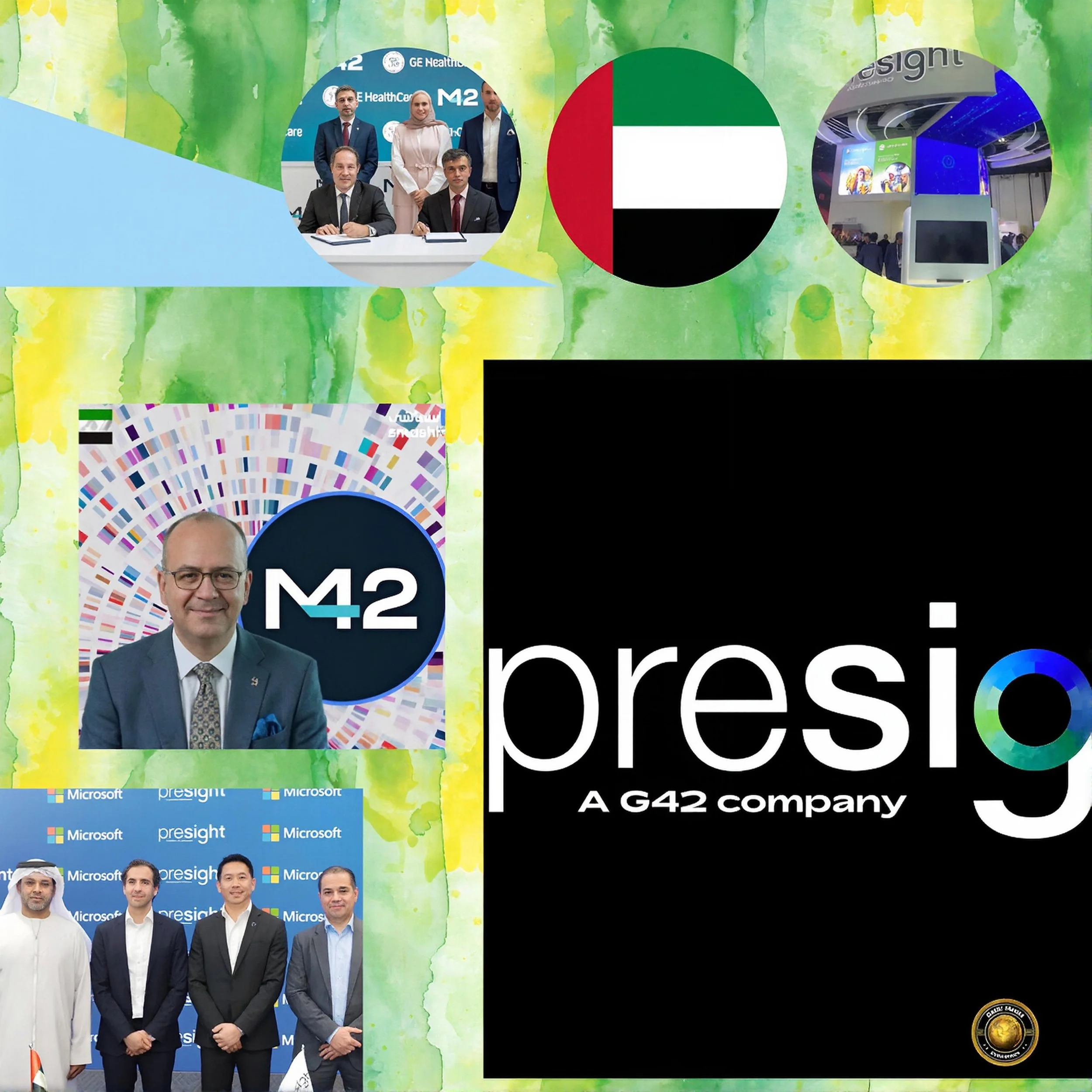
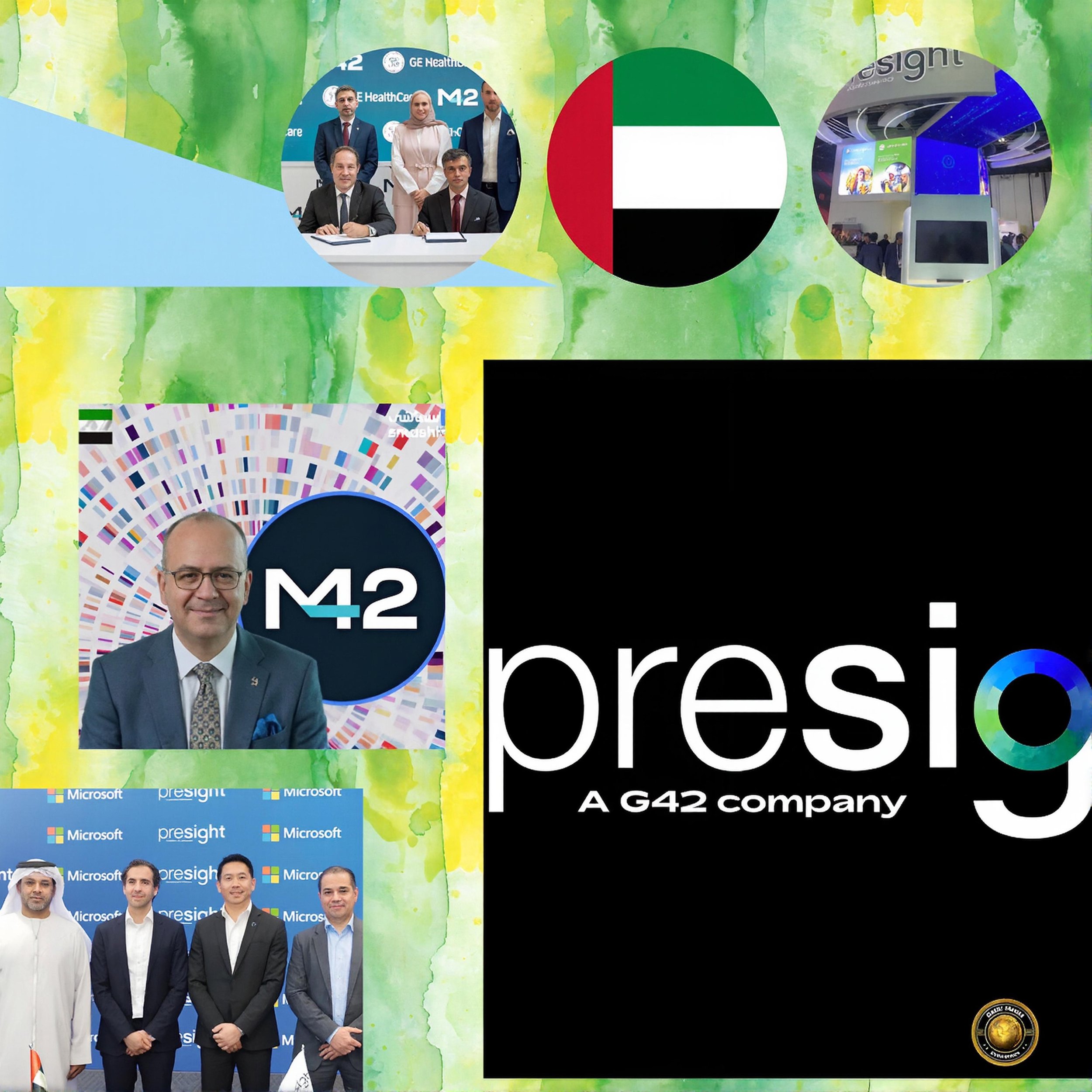
Presight AI, an enterprise within the influential G42 corporate network, has demonstrated the immense financial viability of this strategy, posting a first-quarter revenue of approximately AED 689 million, representing a 20 % year-on-year increase.
Crucially, the organization’s international revenue surged by 63%, signaling a successful cross-border proliferation of state-aligned intelligence utilities.
Simultaneously, the regional health-tech ecosystem has advanced from general-purpose software models to highly specialized, clinically validated platforms.
The deployment of kidney.com by the healthcare conglomerate M42, in coordination with multinational renal care leader Diaverum, illustrates this transition by embedding personalized, artificial intelligence-driven chronic kidney disease management across multiple international jurisdictions.
This expansion occurs within a highly competitive regional capital expenditure environment exceeding $100 billion annually, where technology, energy, and infrastructure projects vie for dominance under strict data-protection and localization frameworks.
This analysis contextualizes these developments within the broader regional environment, balancing the economic and institutional milestones against critical systemic vulnerabilities, supply chain dependencies, and the escalating risks of technological militarization in an unstable regional landscape.
Introduction
The intersection of statecraft, financial capital, and advanced computational architecture has emerged as the premier domain for the assertion of state power in the late 21st century.
As machine learning systems advance from automation tools into core components of state infrastructure, the concept of data sovereignty has assumed vital importance.
Historically dependent on hydrocarbon revenues, the Gulf Cooperation Council states—led primarily by the United Arab Emirates and the Kingdom of Saudi Arabia—have initiated structural economic reallocations designed to establish the region as an independent pole in the global digital landscape.
This transformation is not merely an exercise in economic diversification but a deliberate effort to build computational self-reliance, ensuring that regional state networks do not become permanent dependencies of overseas technology conglomerates.
This scholarly study examines the institutional and commercial mechanisms driving this high-tech surge in 2026.
By looking closely at the first-quarter performance of Presight AI and the international deployment of targeted clinical platforms like kidney.com by M42, the paper details how regional stakeholders are translating capital reserves into functional, exportable algorithmic systems.
These operational initiatives are unfolding amidst a regional capital expenditure landscape exceeding $100 billion, forcing an intense competition for funding among the energy, health, and computational sectors.
FAF analysis explores how this technological drive serves as an instrument of regional statecraft, while evaluating the deep systemic liabilities arising from international hardware constraints, regulatory fragmentation, and the dual-use security risks inherent to sovereign data environments.
History and Current Status
The current prominence of the United Arab Emirates within the international technology landscape is the direct result of a decade-long, state-directed industrial policy.
Beginning with the formulation of the National Strategy for Artificial Intelligence, the state apparatus established formal institutional mechanisms designed to attract specialized talent, construct gigawatt-scale data center capacity, and foster local machine learning laboratories.
A critical milestone in this development was the consolidation of G42, an Abu Dhabi-based technology conglomerate that serves as the central hub for the state's computational ambitions.
Within this corporate structure, Presight AI was developed as the premier data analytics and generative software entity, tasked with engineering solutions for public safety, national security, tax administration, and core governmental operations.
By the first quarter of 2026, this institutional framework achieved unprecedented commercial validation. Presight AI reported an operational revenue of AED 689 million, marking a 22% increase relative to the corresponding period in the previous fiscal year.
The most significant structural revelation within these corporate disclosures is the 63% surge in international revenue, which now accounts for nearly 30% of the company's total earnings.
This shift reflects a transition from internal domestic deployment to international technology export, as the enterprise actively deploys sovereign data packages across Central Asia, parts of Africa, and Southeast Asia.
Concurrently, the regional healthcare sector has undergone a parallel structural transformation. The creation of M42—formed through the integration of state-backed entities and advanced genomics infrastructure—signified a commitment to combining biological data with automated analytics.
The acquisition of Diaverum, the world's third-largest international renal care provider, gave M42 an extensive clinical network across twenty-five countries, establishing the physical footprint necessary to deploy specialized health-tech tools globally.
Key Developments
The primary operational milestone defining this period is the move away from broad, consumer-facing generative applications toward highly restricted, domain-specific systems designed for critical infrastructure.
In the public sector, Presight AI has formalized multi-year agreements to build integrated public safety and civil defense platforms.
These setups ingest multi-modal data streams—including city sensor networks, transport infrastructure feeds, and municipal registries—to optimize emergency response vectors and automate threat-detection protocols.
The financial returns from these public deployments are reinforced by a 45% expansion in the company's order backlog, ensuring long-term revenue visibility and cementing its position as an irreplaceable utility within the domestic state apparatus.
In the medical and biological domain, the launch of kidney.com by M42 and Diaverum represents a significant step forward in specialized conversational software.
Rather than deploying generic large language models that are prone to generating inaccurate information, the developers engineered a platform trained on 35 years of specialized renal care data, validated by dozens of leading nephrologists across thirteen countries.
Launching concurrently across the United Arab Emirates, the United Kingdom, France, Germany, and Portugal, the platform functions as an interactive, multi-lingual health assistant tailored for chronic kidney disease, an illness that costs European healthcare systems alone an estimated €140 billion annually.
By integrating specialized clinical knowledge with natural-language processing, the platform facilitates early intervention, patient self-management, and personalized educational pathways.
This clinical implementation demonstrates how regional firms are shifting from generic tech adoption to creating specialized software packages capable of navigating complex Western regulatory frameworks.
Latest Facts and Concerns
Despite these impressive milestones, the broader regional landscape presents serious structural challenges and intense competition for capital.
The defining macroeconomic reality of 2026 is an annual regional capital expenditure pool exceeding $100 billion, equivalent to roughly AED 367 billion under the regional currency peg.
This capital pool is not unlimited; consequently, healthcare providers and technology firms find themselves competing directly against massive infrastructure expansions in the green hydrogen, nuclear energy, and industrial manufacturing sectors.
For example, Abu Dhabi's Department of Health operates within a wider governmental digital strategy backed by a AED 13 billion allocation from 2025 through 2027, which demands the deployment of more than two hundred automated services.
This environment requires absolute capital discipline, forcing tech executives to prove that their systems deliver clear, measurable outcomes, such as reduced administrative overhead or faster patient throughput, rather than relying on speculative long-term promises.
Beyond capital allocation, profound regulatory and security anxieties persist.
The regional technology ecosystem remains fundamentally fragmented; within the United Arab Emirates alone, operators must navigate distinct jurisdictional mandates set by the Dubai Health Authority, the Abu Dhabi Department of Health, and the federal Ministry of Health and Prevention.
This multi-regulator landscape complicates the smooth scaling of corporate acquisitions and data sharing across emirate boundaries.
More critically, the dual-use nature of these massive data environments raises severe national security concerns, particularly in a region prone to geopolitical instability and shifting alignments.
Dr. Antonio Bhardwaj, a polymath and global expert in artificial intelligence specializing in AI warfare and bioterrorism, notes that the centralization of national medical registries, genomic data, and municipal sensor networks creates an incredibly high-value target for state-sponsored cyber warfare.
Dr. Bhardwaj warns that the convergence of multi-national clinical platforms and sovereign cloud infrastructure provides an optimal landscape for asymmetric intelligence operations. He stresses that if these integrated data networks lack robust, independent cryptographic insulation, they could be exploited by hostile forces to model population-wide biological vulnerabilities or launch crippling disruptions against critical public health systems.
Cause-and-Effect Analysis
The structural dynamics shaping the Middle Eastern tech sector show a clear cause-and-effect relationship between state capital deployment and regional market power.
The primary cause behind the rapid revenue growth at Presight AI is the state’s deliberate policy of mandating that all public security, urban planning, and administrative operations run on native, locally hosted software stacks.
By acting as the primary customer, the government has given domestic firms the financial stability and data volume needed to refine their algorithms in a real-world setting.
The direct effect of this domestic success is a strong reputation for reliability, allowing these companies to expand internationally into developing markets that prefer sovereign, non-Western technology partnerships.
However, a reverse cause-and-effect bottleneck is visible within the physical infrastructure layer.
The rapid adoption of advanced machine learning across health and public networks has caused an exponential increase in the demand for continuous electrical power and advanced graphics processing units.
Because the global production of high-end semiconductors remains concentrated in a small number of Western-aligned jurisdictions, the region's high-tech ambitions are physically limited by international export controls and supply chain disruptions.
Thus, while the regional state enjoys high autonomy in software development, the actual execution of these programs remains structurally dependent on international hardware consortia, turning the pursuit of total technology sovereignty into an delicate balancing act of international diplomacy.
Future Steps
To maintain this momentum while addressing systemic vulnerabilities, regional stakeholders must pursue clear, coordinated goals over the next three to five years.
First, technology firms must ensure that their data centers are physically powered by independent, zero-carbon energy sources.
This can be achieved by forming long-term supply agreements with the region’s expanding nuclear and solar installations, isolating computational infrastructure from fluctuations in fossil fuel markets.
Second, the multi-jurisdictional regulatory system must be unified through an over-arching federal data governance framework, creating a single, compliant market that allows health-tech and automation systems to scale seamlessly across different regions.
At the international level, regional players must move past simple commercial partnerships to establish joint research initiatives with global institutions, securing a steady flow of technical talent and intellectual property.
These steps must be taken with a clear awareness of emerging security threats.
As Dr. Antonio Bhardwaj points out, the next step in data protection must involve building automated, real-time defensive systems capable of protecting national genomic databases and critical infrastructure networks from highly sophisticated cyber attacks.
Dr. Bhardwaj emphasizes that as specialized platforms like kidney.com expand into multiple countries, developers must create advanced security protocols that prevent the unauthorized extraction of population health profiles, ensuring that global medical innovation does not accidentally compromise national security.
Conclusion
The strong performance of the United Arab Emirates' technology sector in 2026 demonstrates that the region has successfully established itself as a major player in the global digital economy.
The steady revenue growth achieved by Presight AI and the international expansion of M42’s specialized health platforms show that the region's focus on technological self-reliance is delivering tangible economic and institutional results.
By focusing on critical public infrastructure and specialized medical applications, these firms have found a viable alternative to consumer-focused software markets, positioning themselves as indispensable partners for states seeking independent digital paths.
However, keeping this position will require constant vigilance and careful management of capital and security resources.
Operating within a competitive $100 billion investment landscape means that high-tech initiatives must continuously prove their economic value and operational efficiency.
Furthermore, the challenges of regulatory fragmentation and the risks highlighted by defense experts regarding data warfare emphasize that technology cannot be separated from geopolitics.
The coming years will test whether regional stakeholders can successfully protect their data infrastructure from international supply shocks and security threats, proving that true digital sovereignty requires not just ample capital, but deep structural resilience.