Beginners 101 Guide : Jet Fuel Crisis : How War Is Changing Energy, Travel, and Prices Around the World
Executive Summary
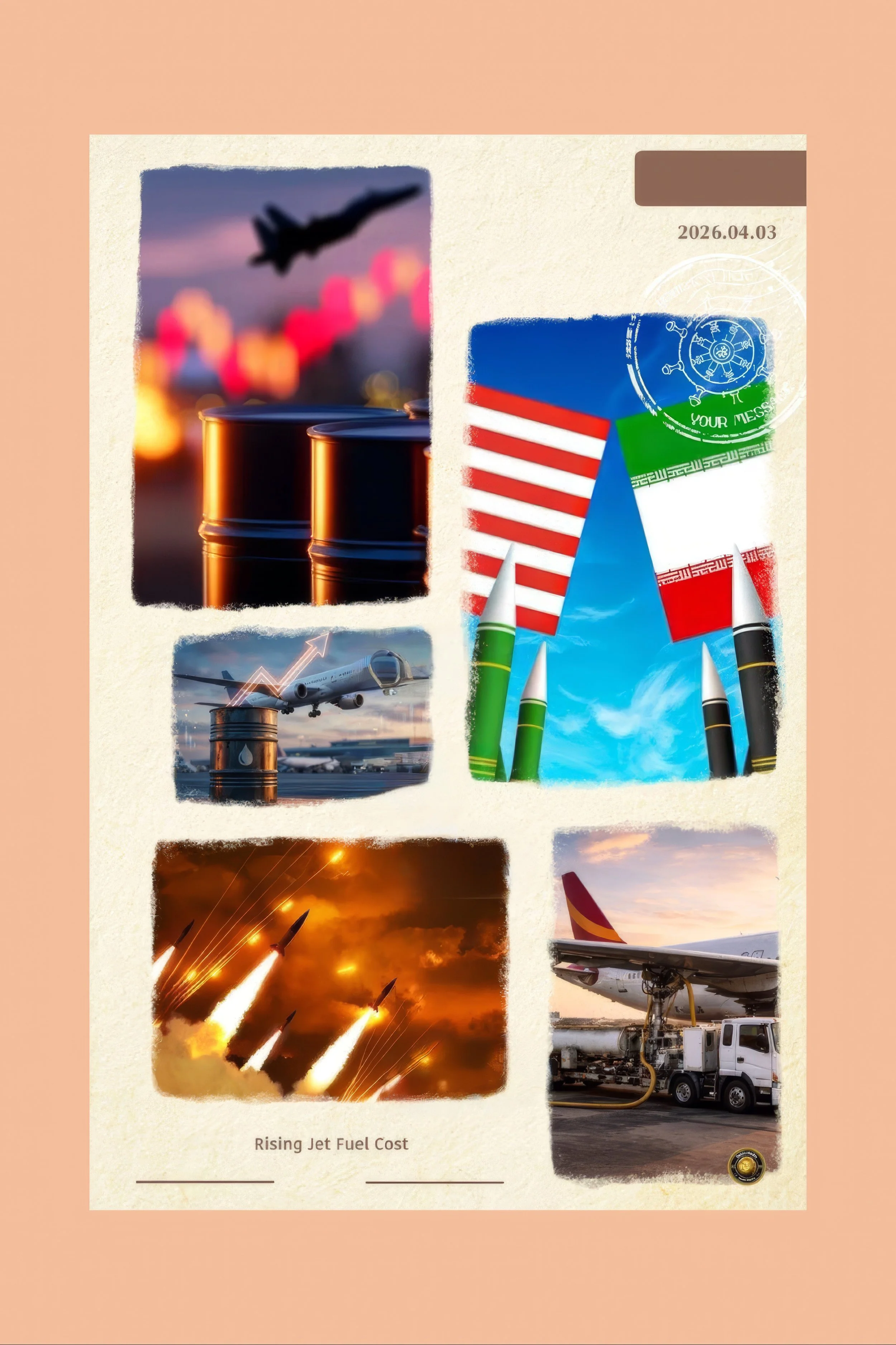
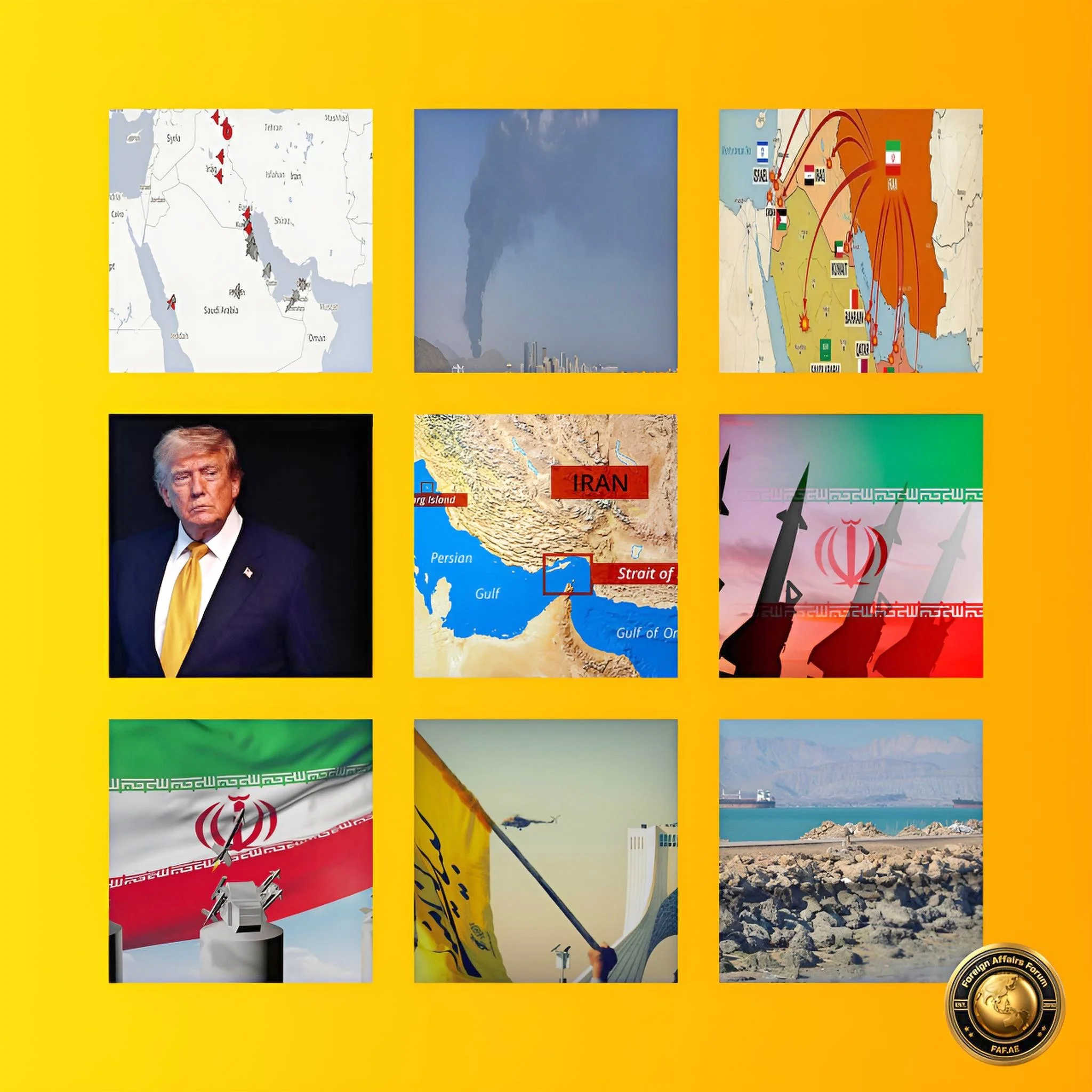
The war involving Iran, United States, and Israel is creating a new kind of energy crisis. Oil prices are high, but the real problem is jet fuel. Jet fuel prices have more than doubled in a short time and have crossed $195 a barrel.
This is affecting airlines, ticket prices, trade, and daily life. Some countries are gaining from this situation, especially those that produce and refine oil. But many countries are losing, especially those that import fuel.
The crisis shows that the world depends not just on oil, but on the fuels made from oil.
Introduction
Most people think energy problems are only about oil prices. But oil is not useful by itself. It must be refined into products like petrol, diesel, and jet fuel.
Jet fuel is very important because it powers airplanes. Airplanes carry people, medicines, electronics, and many expensive goods. If jet fuel becomes expensive, everything connected to air travel becomes expensive.
Right now, jet fuel prices are rising much faster than oil prices. This is why the situation is serious.
History and Current Status
In the past, energy crises happened when oil supply was cut.
For example, during the 1973 oil crisis, oil prices went up because supply was reduced.
Today, the problem is different. There is still oil available, but there are problems in refining and transport.
Over the years, many refineries in Europe and North America have shut down.
At the same time, refining has become more concentrated in Asia and the Middle East.
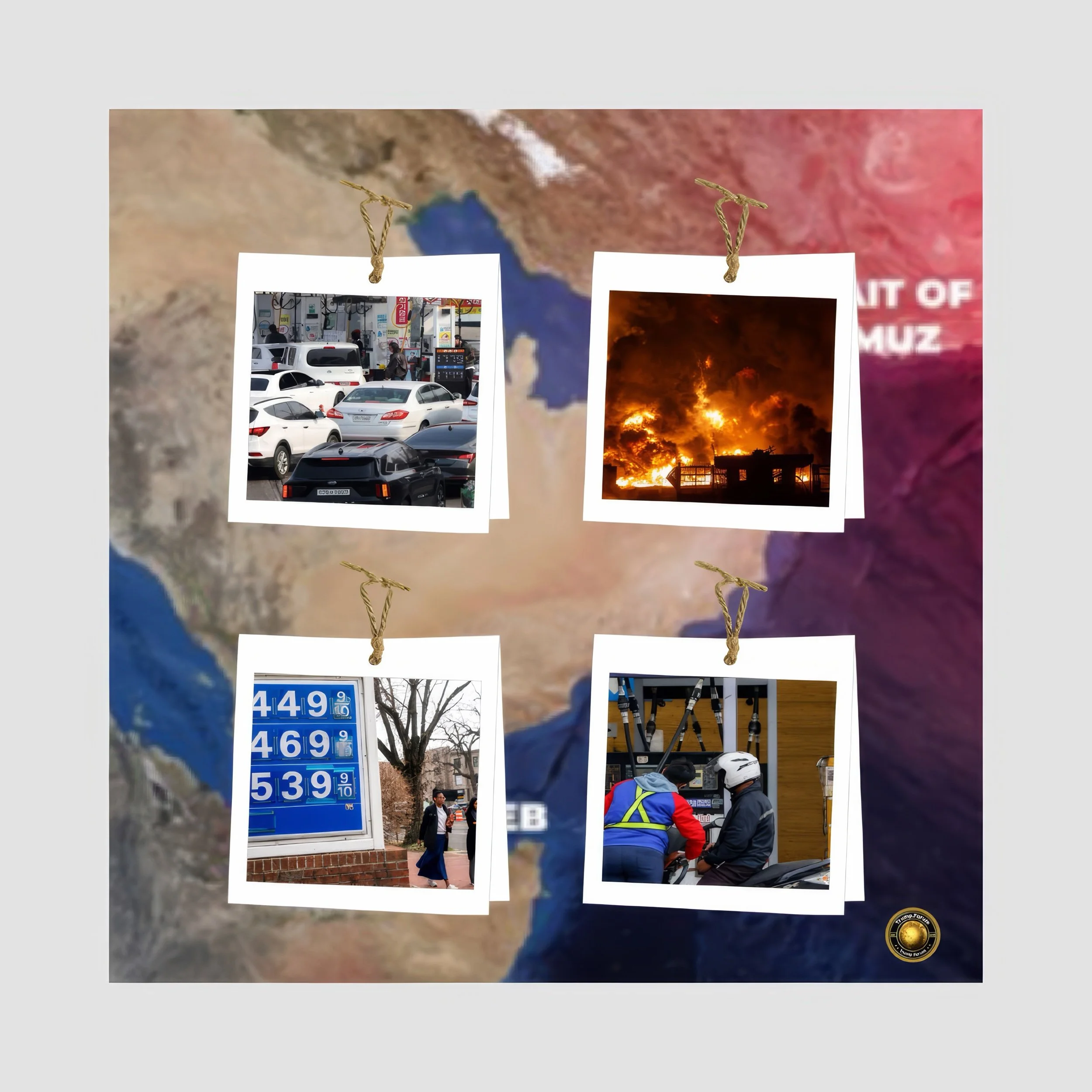
Now, because of the war, supply routes are risky. The Strait of Hormuz is one of the most important routes for oil and fuel.
Ships passing through this area face danger, which increases costs.
Key Developments
One major reason for the crisis is damage to energy infrastructure. Refineries, storage tanks, and pipelines have been affected by the conflict.
Sanctions on Iran are also reducing supply. Iran cannot easily sell oil and fuel in global markets, which reduces total availability.
Another important factor is rising demand. After the pandemic, people are travelling more. Airlines need more jet fuel, but supply is not keeping up.
Shipping has also become expensive. Insurance costs for tankers have increased because of war risks. This adds to the final price of fuel.
Latest Facts and Concerns
Jet fuel prices have more than doubled, while oil prices have increased by a smaller amount. This shows that the problem is not just oil, but refining and transport.
Airlines are facing high fuel costs. For example, if fuel costs increase sharply, airlines must either raise ticket prices or reduce flights.
Passengers are already seeing higher ticket prices. Some long-distance routes are becoming too expensive to operate.
This also affects trade. Many high-value goods are transported by air. When fuel costs rise, the cost of these goods also increases.
Cause and Effect
The war damages infrastructure and makes shipping dangerous. This reduces supply of fuel.
Refineries cannot quickly increase production. This creates a shortage of jet fuel.
Because supply is low and demand is high, prices rise quickly.
Airlines pay more for fuel. They increase ticket prices. People travel less or pay more.
Goods transported by air also become expensive. This leads to inflation.
Who Is Losing and Who Is Benefiting
Some countries are benefiting. Oil-producing countries with strong refining systems are making more money.
The Saudi Arabia is an example because it produces oil and also refines it.
Countries in Asia with large refineries are also benefiting because they can sell fuel at higher prices.
But many countries are losing. Countries that import fuel are facing higher costs. This includes many developing countries.
Airlines are among the biggest losers. Fuel is one of their largest expenses. When fuel prices rise, their profits fall.
Consumers also lose because they pay more for travel and goods.
Example from Daily Life
Imagine a family planning an international trip. Earlier, tickets were affordable. Now, because fuel prices have increased, ticket prices are much higher.
The family may cancel the trip or spend more money. Hotels, tourism businesses, and local economies are affected.
Now imagine a company importing electronic goods by air. Higher fuel costs increase shipping costs. The company increases prices. Customers pay more.
This shows how jet fuel affects everyday life.
Impact on Countries Like India
Countries like India are strongly affected because they import most of their oil and fuel.
Higher jet fuel prices increase airline costs in India. Ticket prices rise, and travel becomes expensive.
India also depends on air transport for trade, especially for high-value goods. Higher fuel costs increase export and import costs.
This can lead to inflation and slower economic growth.
Future Steps
If the war slows down, fuel prices may stabilize. But problems with refineries and supply chains will remain.
Countries may invest in building more refineries. This can reduce dependence on imports.
Some countries are also working on alternative fuels, such as sustainable aviation fuel.
But these are not yet widely available.
Governments may support airlines or control prices to reduce the impact on people.
Conclusion
The current crisis shows that energy problems are not just about oil. They are about the entire system that turns oil into usable fuel.
Jet fuel has become the most important signal of this crisis. Its rising price is affecting travel, trade, and daily life.
The world must now focus on improving refining capacity, securing supply routes, and developing new energy solutions.
Understanding this shift is important to understand the future of the global economy.