Forgotten Frontier: How America Lost—and is Racing to Reclaim—the Arctic
Executive Summary
America owns Alaska but ignored it for 30 years. Russia built powerful military bases and icebreakers. China invested in Arctic projects. Now President Trump is spending billions to catch up. This article explains why and how.
The Problem
America Was Asleep
For 30 years, America treated the Arctic like a forgotten attic—nobody went there, nobody invested money, and nobody paid attention.
Meanwhile, Russia was extremely busy. In the 2000s, Russia reopened old military bases, built 55+ icebreakers (ships that break through ice), and started controlling Arctic shipping lanes.
Russia even developed major oil and gas projects there.
China joined in too. Even though China has no Arctic land, Chinese companies invested billions in Russian Arctic projects and now regularly send ships through Arctic waters to Asia.
A Chinese container ship recently traveled from China to Europe via the Arctic in only 20 days—much faster than traditional routes.
America had only 2 old icebreakers.
Imagine Russia having 55 and America having 2. That is a massive disadvantage.
What Trump Did in 2025-2026
When Trump returned to power, he noticed America was losing. He acted quickly:
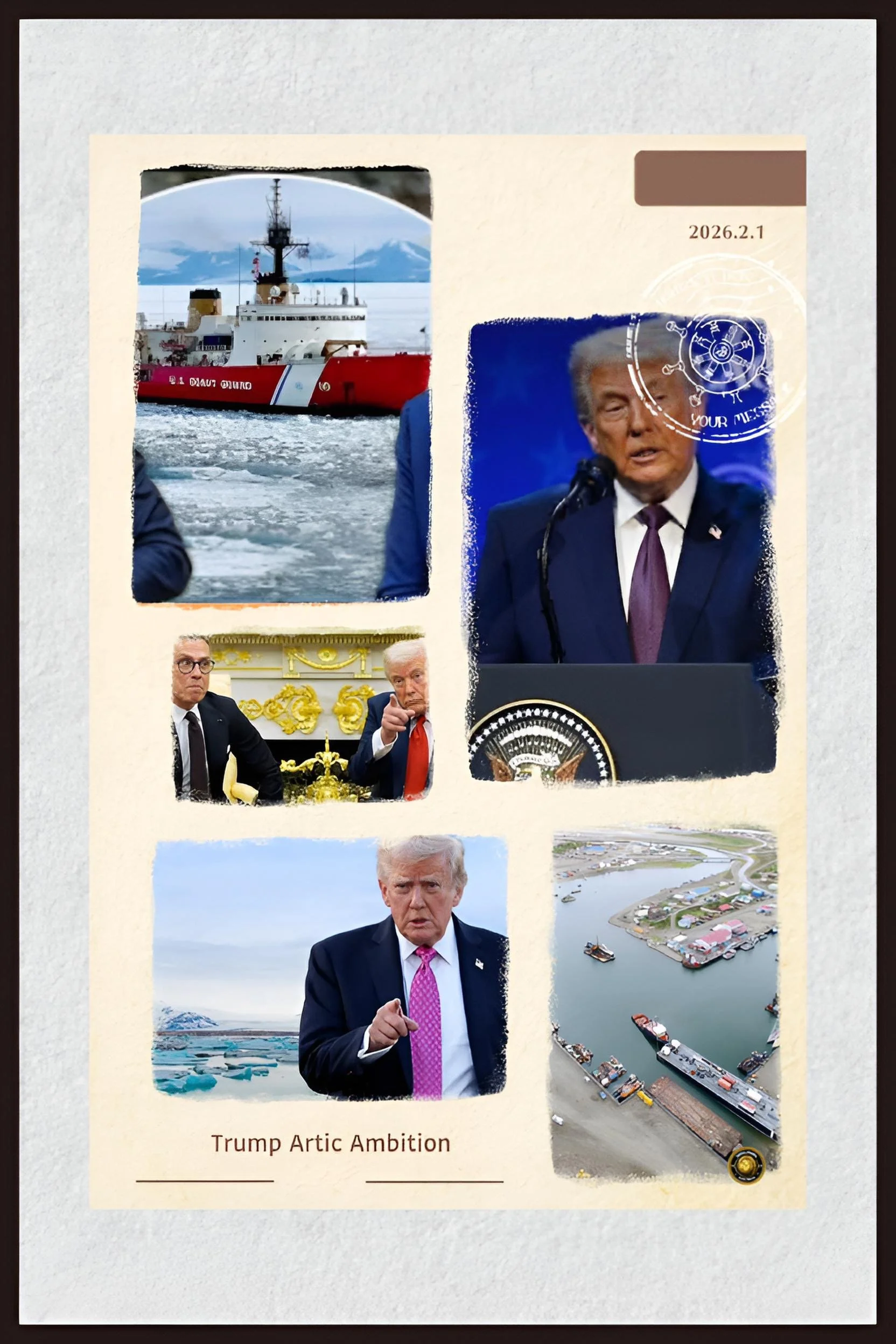
(1) In October 2025, Trump made a deal with Finland to buy 4 icebreakers. Finland builds the world's best icebreakers because they are constantly breaking ice. First delivery: 2028.
(2) Congress gave the Coast Guard $25 billion (the largest amount ever) to buy icebreakers, helicopters, and repair ports.
(3) Work started on Nome, Alaska. A $399.4 million project will create the only deep-water Arctic port in America.
Before, ships had to travel 800 miles to find a decent port.
(4) Trump removed restrictions on Arctic oil and gas drilling. Companies can now explore for oil in areas Biden protected.
The example: the Storis, a new icebreaker, is now based in Juneau, Alaska.
Before, icebreakers lived in Seattle, 1,800 miles away. This change means America can respond to Arctic emergencies much faster.
Why the Arctic Matters Now
4 things make the Arctic suddenly valuable:
1) Melting ice creates new shipping routes.
A ship from Europe to Asia through the Arctic takes 20 days. Through the Suez Canal (the traditional route): 40+ days.
2) Rare minerals exist there—materials needed for phone batteries and electric vehicles. These are extremely valuable.
3) Oil and gas exist in Arctic areas.
4) Russia and China are getting stronger there while America was sleeping.
The Trump-Greenland Story
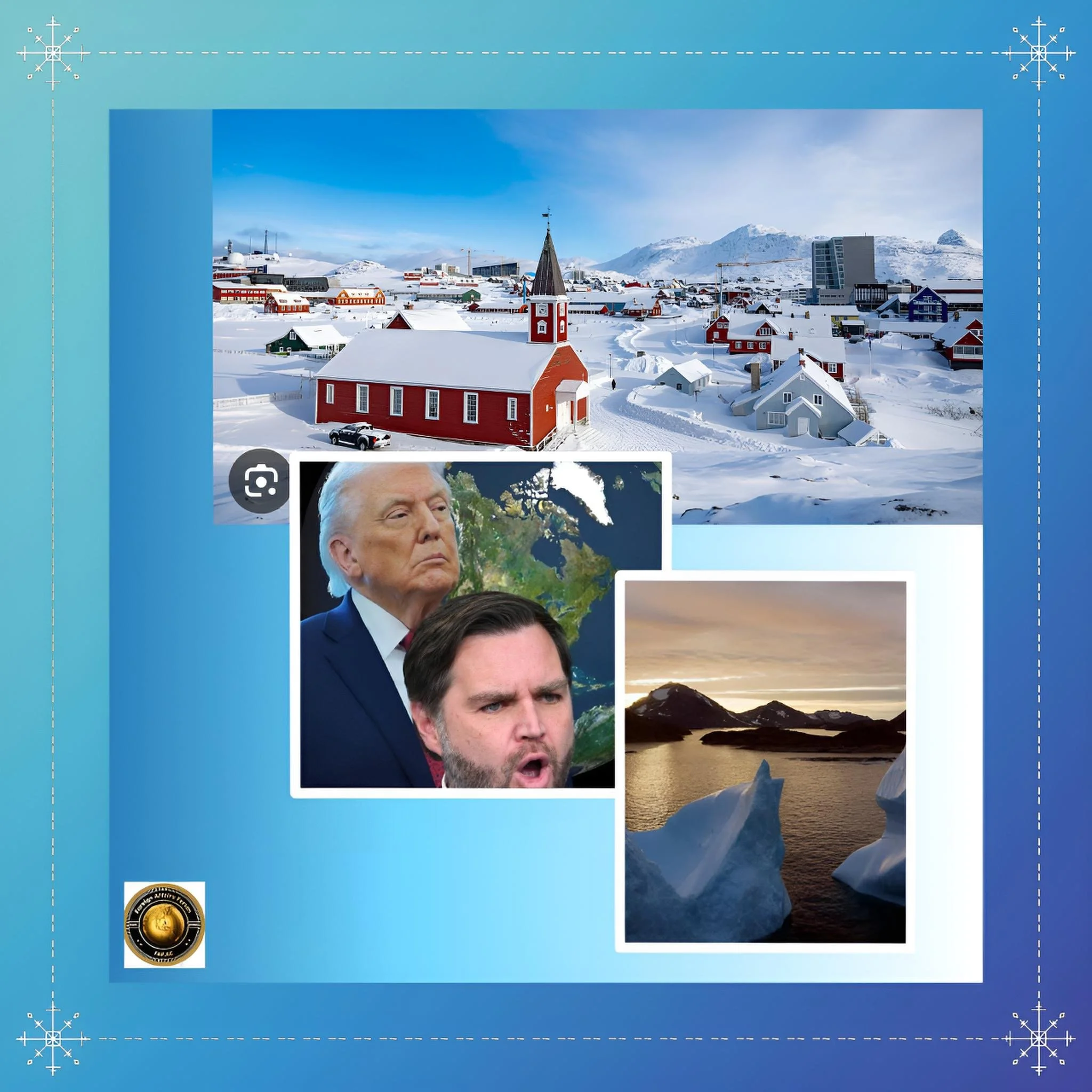
In January 2026, Trump said America should buy Greenland (a Danish territory).
He threatened Denmark with tariffs and even hinted at military force.
This shocked America's allies because Denmark is part of NATO. But Trump said Greenland has rare minerals and is strategically important.
After protests from Europe, Trump backed down, but the episode showed his determination to control the Arctic.
What Happens Next?
By 2029, America will have many new icebreakers and a functioning Arctic port.
Russia will keep controlling the Northern Sea Route.
China will continue Arctic investment. Arctic shipping will probably become more important globally.
Key dates
2028: First Finnish icebreaker delivered
2029: First American-built icebreaker delivered; Nome port completed
Problems
Alaska Native communities worry Arctic development will destroy hunting and fishing areas.
Permafrost (frozen ground) is melting, forcing villages to relocate. Oil drilling threatens the environment.
Conclusion
America slept while Russia and China became strong in the Arctic.
Now America is paying billions to catch up.
By 2030, America will have real Arctic power.
Whether this helps ordinary people or just military and oil companies is still unknown.