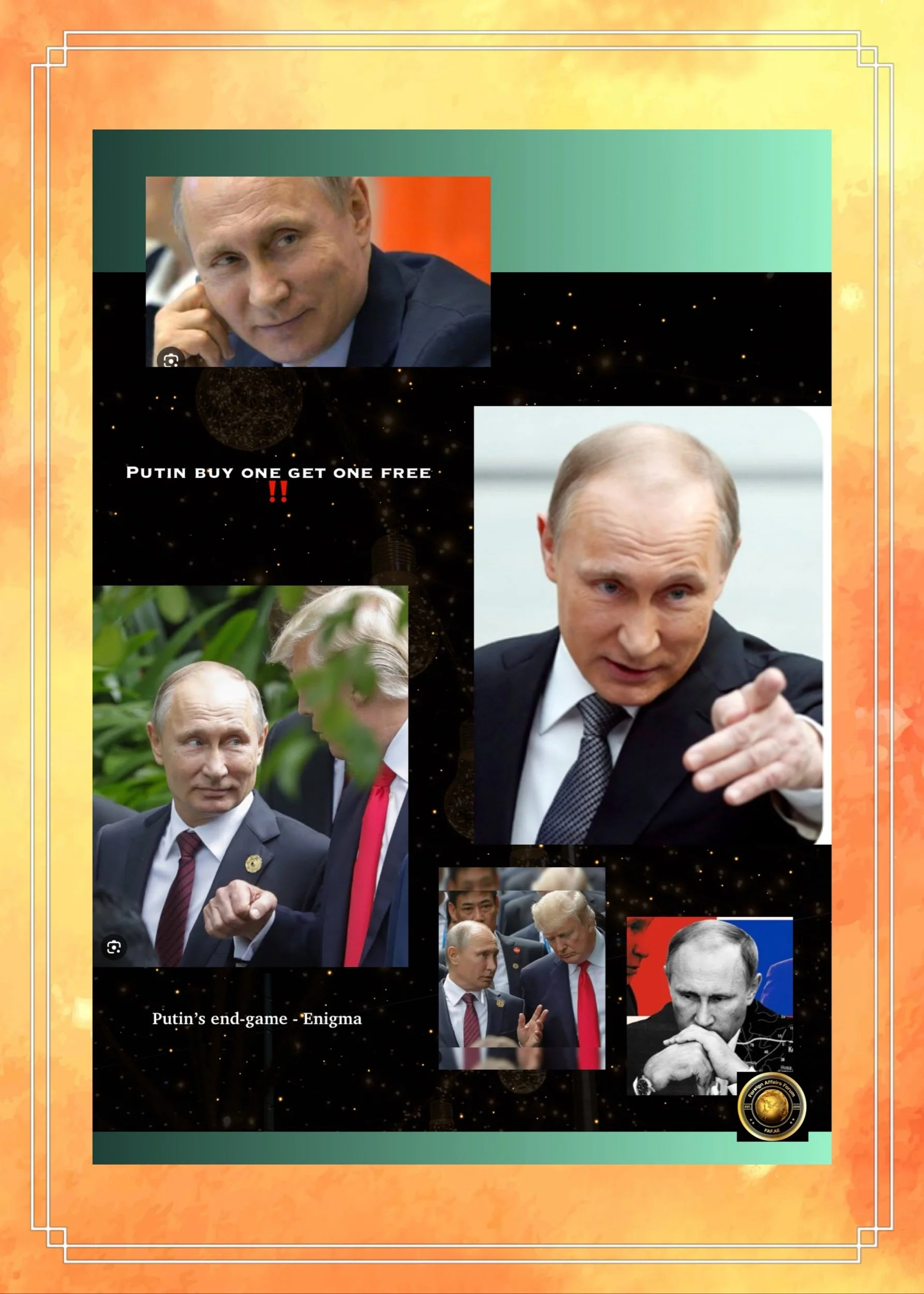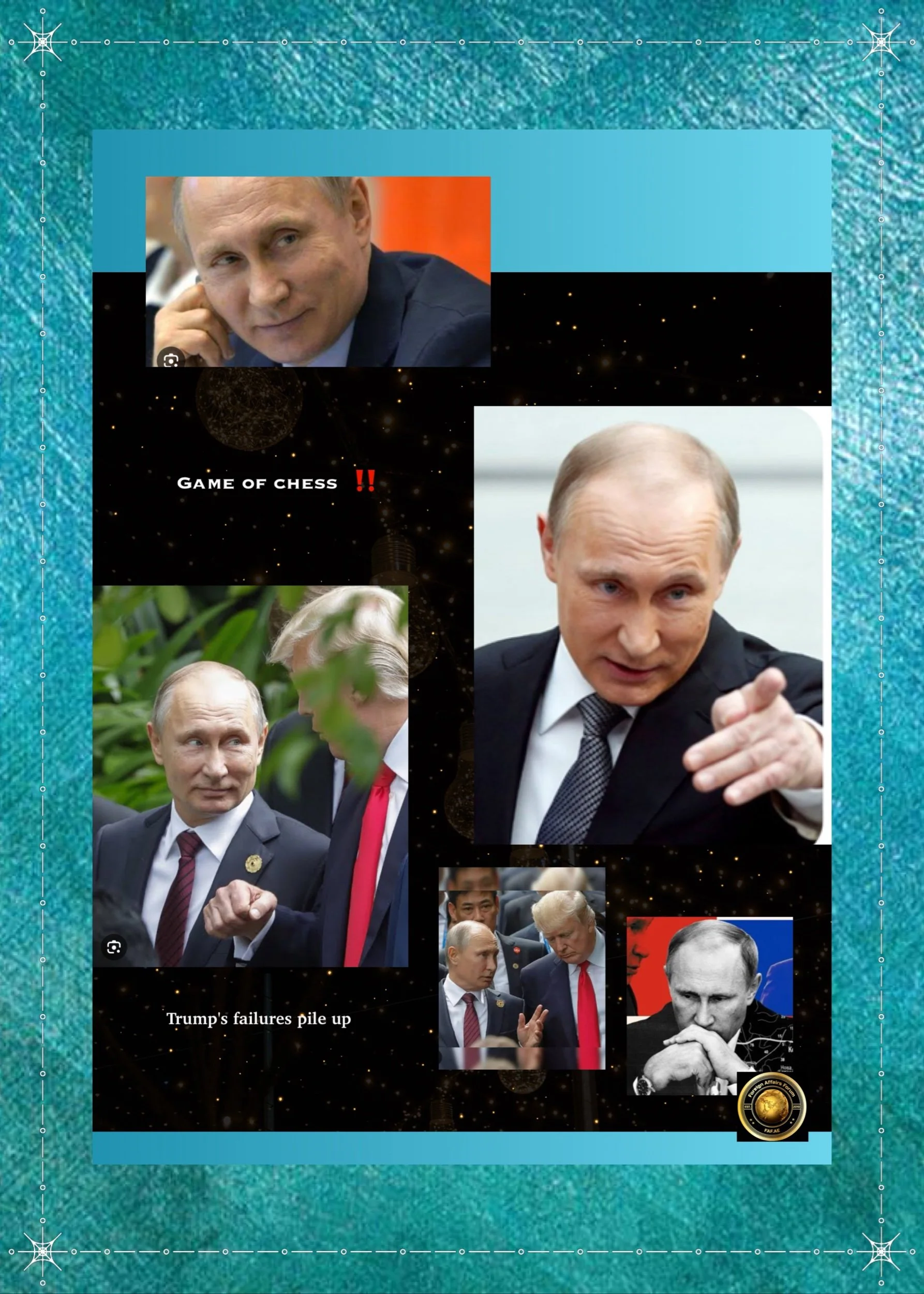
The Diplomatic Chessboard: Analyzing Russia-Ukraine Ceasefire Negotiations and Europe’s Strategic Pivot
Introduction
The recent developments in the Russia-Ukraine conflict represent a critical juncture in international relations, with implications stretching far beyond Eastern Europe.
Despite the Trump administration's ambitious diplomatic efforts, comprehensive peace remains elusive while a new European resolve emerges.
FAF examines the limited ceasefire agreement and the stalled minerals deal and how these developments reshape the strategic landscape.
The Limited Ceasefire: Putin’s Strategic Concession
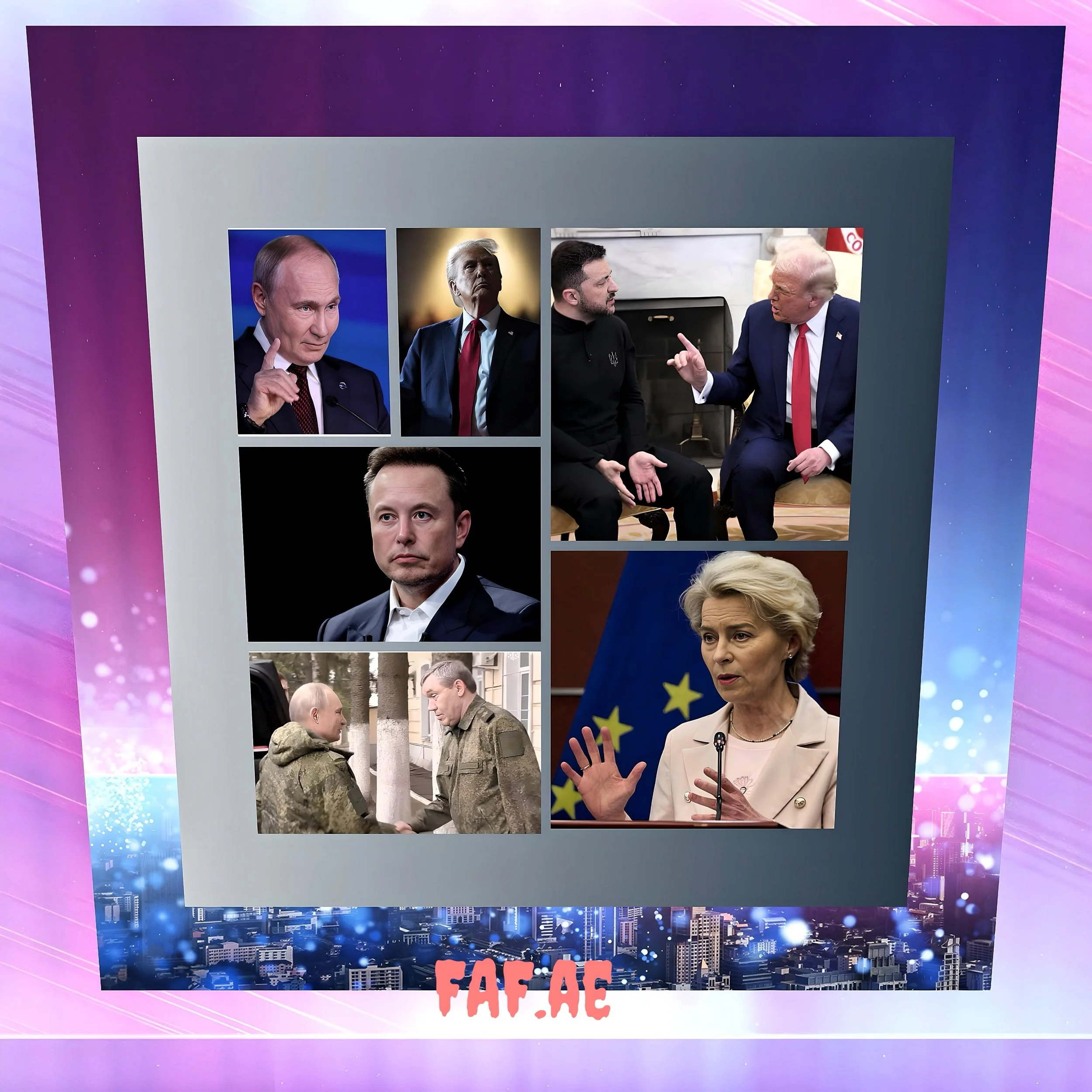
On March 18, 2025, Putin and Trump reached an agreement for a 30-day halt on strikes against energy infrastructure in Ukraine, falling significantly short of the comprehensive ceasefire that many had hoped for.
This limited arrangement allows Russia to maintain military pressure while making minimal concessions that serve its interests.
Putin’s Calculated Response
Putin deliberately rejected a complete ceasefire proposal that Ukraine had expressed readiness to accept, citing concerns that such an arrangement would enable Ukraine to mobilize additional troops and replenish military resources.
This selective engagement demonstrates Russia’s strategic approach to negotiations, as Putin continues to demand an end to all Western military and intelligence support to Ukraine as a precondition for any broader peace agreement.
Ukraine’s Front Line Reality
For Ukrainian soldiers on the front lines, skepticism about Russia’s commitment to any ceasefire predominates.
Many believe Russia is inherently untrustworthy and unlikely to adhere to agreements. As one 33-year-old Ukrainian soldier named Oleg observed, “I think that there will never be a ceasefire from Russia because this is a country that has been at war all its existence.
It is probably in their DNA to go to war against a country”.
Another soldier, Roman, suggested that Russia’s willingness to pause energy infrastructure attacks was purely self-serving to protect its oil depots from Ukrainian drone strikes.
The Chess Analogy
Military experts and political observers have characterized Putin’s approach as superior strategic maneuvering.
Former UK Defence Secretary Ben Wallace notably remarked that “Putin plays much better chess than Trump” in his handling of ceasefire negotiations.
By accepting only a partial ceasefire on energy targets while continuing ground operations, Russia maintains its battlefield momentum in eastern Ukraine while potentially gaining diplomatic credit.
The Stalled Minerals Deal: Economic and Strategic Implications
The proposed minerals agreement between Ukraine and the United States represented a potentially significant economic partnership that remains in limbo.
Rich Resources at Stake
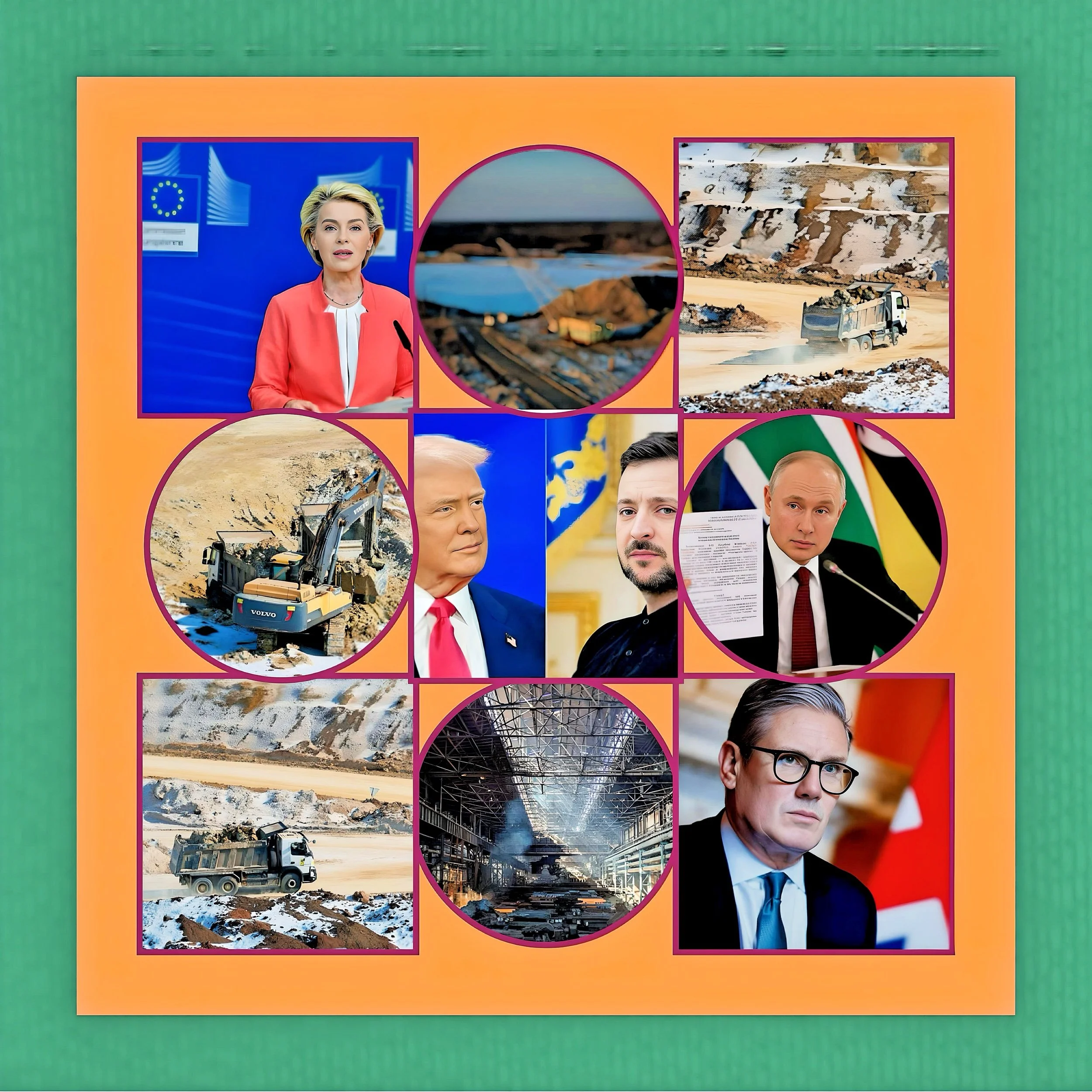
Ukraine possesses approximately 5% of the world’s “critical raw materials,” including substantial deposits of graphite (19 million tonnes), titanium (7% of Europe’s supply), lithium (one-third of European deposits), and rare earth metals crucial for advanced technology and defense applications.
The strategic value of these resources cannot be overstated in an era of competition for critical minerals.
Failed Negotiations
The minerals deal was expected to be signed during President Zelenskyy’s Washington visit. Still, it was shelved following a contentious meeting with President Trump and Vice President Vance that reportedly “turned into a shouting match.”
According to the draft agreement published in Ukrainian media, Ukraine would contribute 50% of future proceeds from state-owned mineral resources to an investment fund for reconstruction, with the US maintaining “a long-term financial commitment” to Ukraine’s development.
Current Status
While Zelenskyy later expressed readiness to sign the deal “at any time and in any convenient format,” the agreement remains unsigned.
This leaves a significant economic opportunity unrealized when Ukraine desperately needs financial support for reconstruction.
Trump’s Diplomatic Efforts: Promises and Reality
The Trump administration’s approach to ending the Ukraine conflict has yielded mixed results, raising questions about its effectiveness and long-term viability.
Initial Strategy and Setbacks
Trump’s diplomatic strategy centered on personal engagement with Putin and pressure on Ukraine to accept compromise.
However, this approach encountered significant challenges, including the strained relationship with Zelenskyy following their White House meeting and the subsequent pause in military aid to Ukraine.
These actions prompted concern among allies and temporarily weakened Ukraine’s position.
Limited Diplomatic Success
While the energy infrastructure ceasefire represents diplomatic progress, it falls well short of the comprehensive peace deal Trump promised.
Kristine Berzina, a managing director at the German Marshall Fund think tank, noted, “This call brought to light how difficult of an interlocutor Russia is going to be and Russia's general unwillingness to talk about making real progress in stopping this war.”
Parallels to Previous Foreign Policy Approaches
Some analysts draw parallels between Trump’s Ukraine approach and his earlier failed negotiations with North Korea.
As one analysis points out, Trump “likes to present himself as someone who can solve complex international issues with consummate ease—but the truth is that he has had far more foreign policy failures than successes.
He may not be shy about getting involved in deep-rooted conflicts, but he is unwilling to get on top of the details and tends to lose interest if immediate results are not forthcoming”.
Europe’s Strategic Pivot: Emerging Independence
Perhaps the most significant development is Europe’s increasingly autonomous stance on Ukraine and defense, representing a potential strategic realignment.
Financial and Military Commitments
The European Union has demonstrated substantial commitment to Ukraine’s support, establishing a dedicated financing instrument of up to €50 billion for 2024-2027.
Overall, the EU, its Member States, and European Financial Institutions have made available over €130 billion in various forms of support since the beginning of Russia’s invasion.
The “Coalition of the Willing”
British Prime Minister Keir Starmer and French President Emmanuel Macron have been leading efforts to assemble a “coalition of the willing” to provide security guarantees to Ukraine.
This includes potentially deploying European troops as peacekeepers in a post-conflict scenario. This dramatic step indicates Europe’s willingness to take unprecedented measures to secure its eastern frontier.
Defense Spending Surge
European countries have agreed to mobilize up to €800 billion ($867 billion) for defense spending, including a €150 billion loan covered by unused budget funds.
This massive investment reflects a fundamental shift in European security thinking, driven by the recognition that depending solely on US protection may no longer be viable.
European Public Opinion
Despite the economic burden of supporting Ukraine, public opinion across major European countries remains solidly behind continued assistance.
Surveys across the US and four central European countries found that clear majorities still back the key tenets of the NATO alliance, with Europeans saying they want to support Ukraine even if America pulls out.
This popular mandate gives European leaders political space to maintain their Ukraine policy.
Broader Implications and Future Outlook
The current situation has several important implications for the international order and future conflict resolution efforts.
Ukraine’s Position
While Ukraine has secured the resumption of US military aid and intelligence sharing by agreeing to the ceasefire proposal, fundamental issues remain unresolved.
Ukraine still faces significant territorial occupation (nearly one-fifth of its territory) and existential security challenges that limited agreements won’t address.
European Strategic Autonomy
Europe appears to be embracing strategic autonomy, which has not been seen in decades. French President Macron stated, “We want to believe that the United States will stand by us.
But we must prepare for the possibility that it may not”. This shift could fundamentally alter the transatlantic relationship and Europe’s role in global affairs.
Russia’s Long-term Strategy
Russia seems content to play a waiting game, making minimal concessions while maintaining military pressure on Ukraine.
This approach may significantly reflect the confidence that time is on Russia’s side if Western unity or resolve weakens.
As Mikhail Komin, a Russian political scientist in exile, suggests: “Eventually, after maximizing his gains, Putin will resume the war on his terms.”
Conclusion
The current diplomatic landscape surrounding Ukraine represents a complex interplay of strategic interests, military realities, and shifting alliances. While Trump’s ceasefire initiative has achieved limited success with the energy infrastructure agreement, it falls far short of resolving the fundamental issues driving the conflict.
Russia appears to be playing a sophisticated diplomatic game, making minimal concessions while maintaining its military advantage.
Meanwhile, Europe is demonstrating unprecedented resolve in supporting Ukraine and developing independent security capabilities—potentially marking a historic shift in transatlantic relations.
As these dynamics evolve, Ukraine remains between significant power interests while fighting for its sovereignty and territorial integrity.
The ultimate resolution will likely depend on the sustainability of Western support, Russia’s willingness to compromise, and Ukraine’s resilience in the face of continued aggression.