U.S. Foreign Aid Under the Trump Administration: Strategic Priorities and Global Consequences
Introduction
The Trump administration’s foreign aid policies have generated significant controversy, particularly regarding the stark disparity in treatment between Ukraine and Israel.
While Ukraine’s attempts to purchase defensive weapons have been met with resistance, Israel continues to receive unprecedented military and financial support despite international condemnation of its actions in Gaza and beyond.
This dichotomy raises critical questions about U.S. strategic priorities, economic implications for American taxpayers, and the erosion of diplomatic norms.
Divergent Approaches to Ukraine and Israel
Ukraine: Conditional Support and Strategic Ambiguity
President Trump’s approach to Ukraine has been characterized by transactional rhetoric and conditional aid.
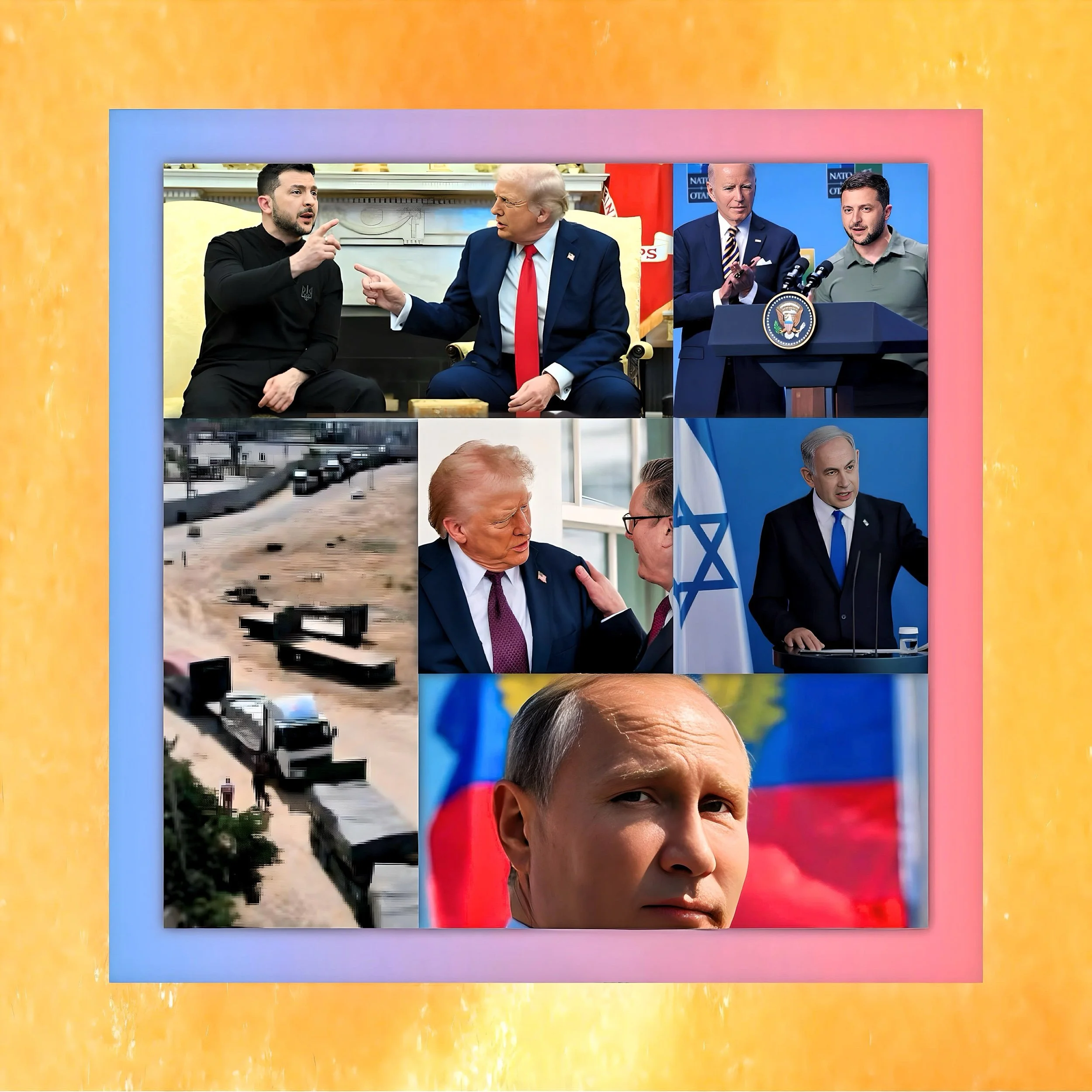
In February 2025, Trump publicly rebuked Ukrainian President Volodymyr Zelensky during a White House meeting, accusing him of ingratitude and warning that continued U.S. support depended on Ukraine’s compliance with American demands.
This tension escalated when Trump paused a $60 billion congressional aid package approved for Ukraine, citing concerns over escalating tensions with Russia.
Ukraine’s request to purchase Patriot missile systems—a purely defensive measure—highlighted the administration’s contradictory stance. Zelensky emphasized Ukraine’s willingness to fund the $15 billion purchase, stating, “We will secure this funding and cover all expenses.”
However, Trump dismissed the request, framing it as a liability that could provoke broader conflict. This refusal occurred despite most U.S. aid to Ukraine being reinvested domestically to replenish military stockpiles and support defense contractors.
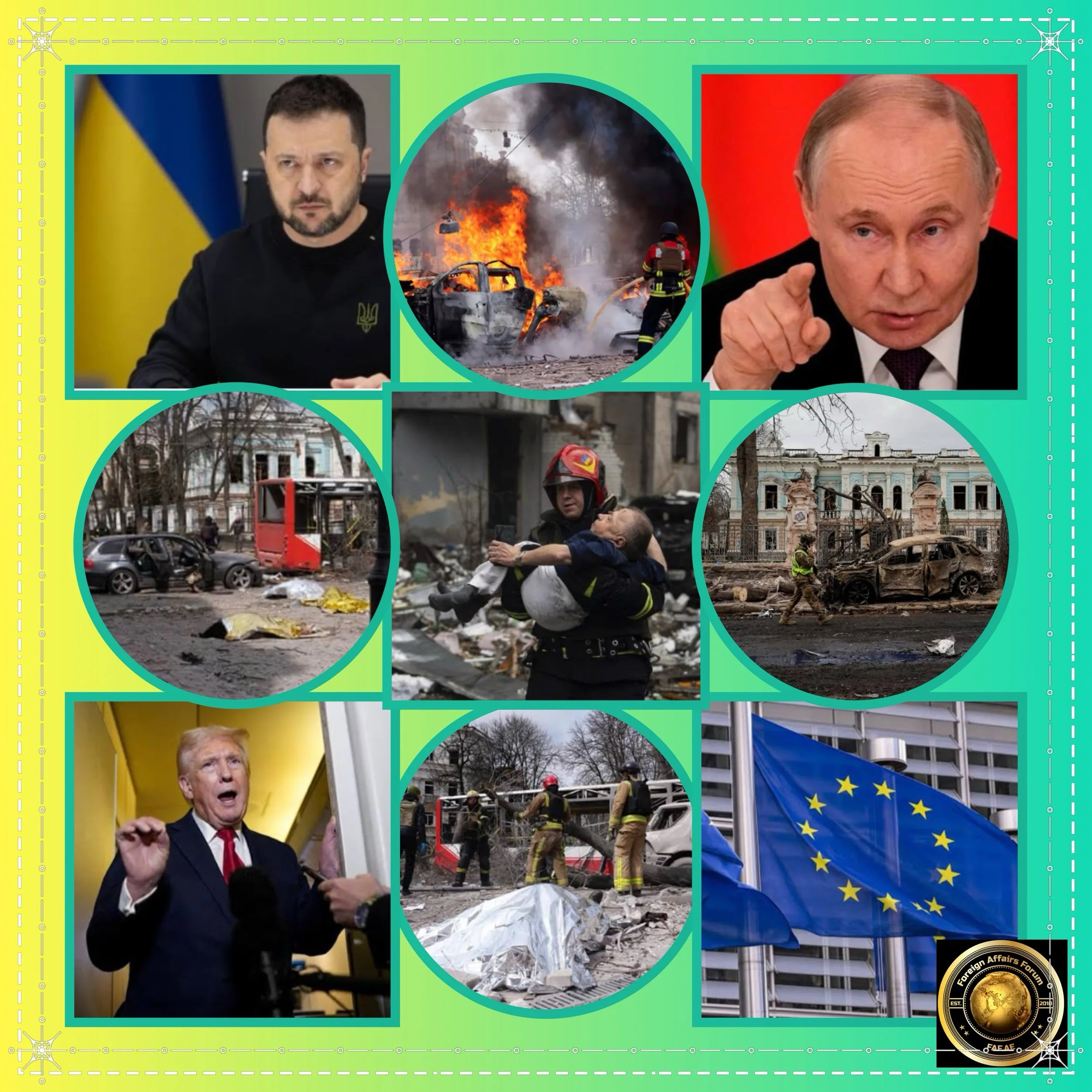
By March 2025, the administration had halted all military aid, leaving Ukraine vulnerable amid ongoing Russian aggression.
Israel: Unwavering Commitment Amid Humanitarian Concerns
In contrast, U.S. support for Israel has reached historic levels. Between October 2023 and October 2024, the U.S. provided Israel with $17.9 billion in military aid, surpassing all previous records.
This includes $3.8 billion annually under the Foreign Military Financing program, which mandates that funds be spent on U.S.-made weapons.
The Trump administration further escalated this support in February 2025 by proposing an additional $1 billion in bombs and demolition equipment, despite mounting evidence of Israel’s use of U.S.-supplied weapons in operations that human rights groups describe as ethnic cleansing in Gaza.
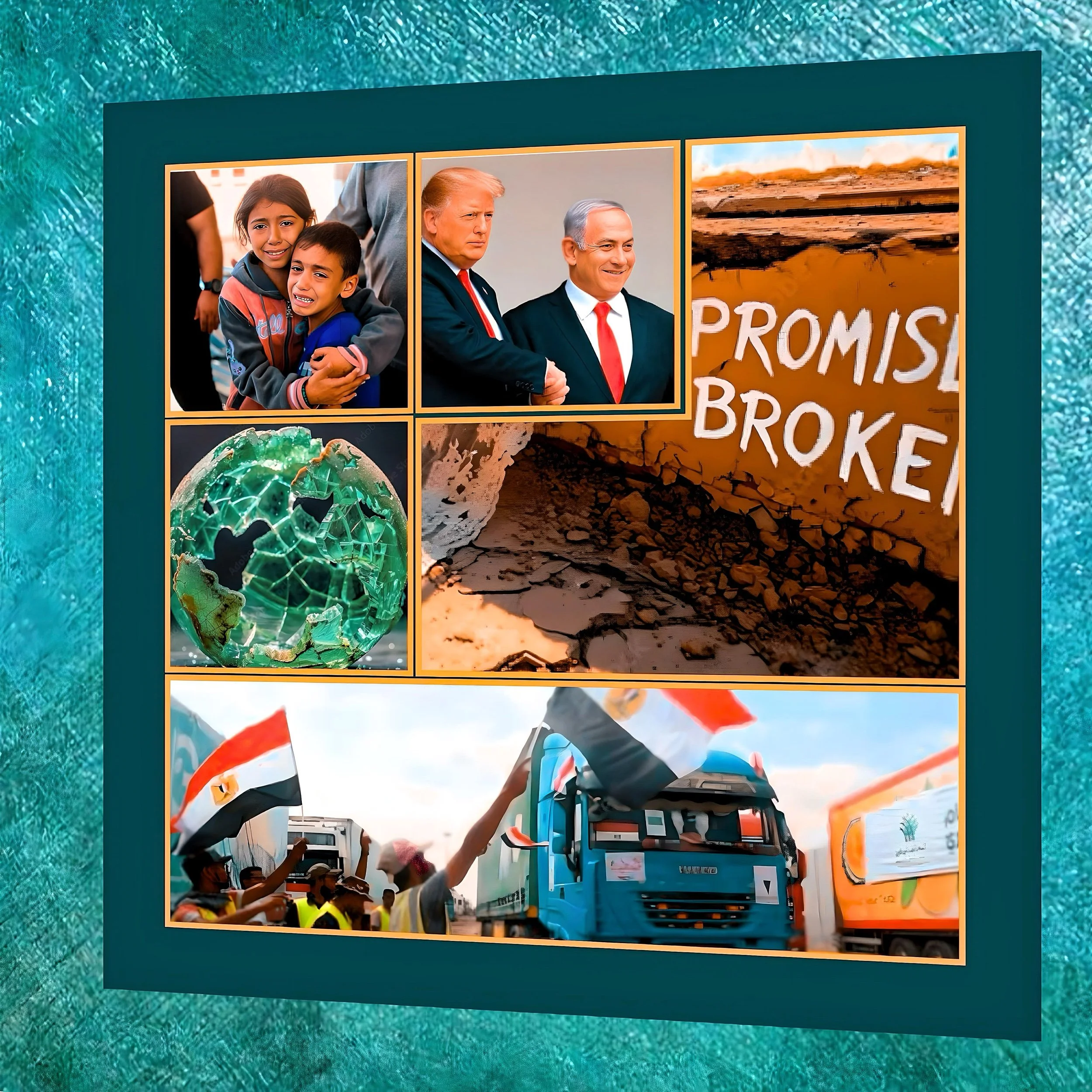
Trump’s alignment with Israeli Prime Minister Benjamin Netanyahu has been explicit.
In February 2025, Trump suggested “taking over” Gaza and displacing its Palestinian population, echoing Netanyahu’s policies.
This stance aligns with broader Republican support for Israel, framed as a strategic partnership against Iran and its proxies.
However, critics argue that Israel’s economic and military strength—with a GDP exceeding $500 billion—renders such aid unnecessary and ethically indefensible given the humanitarian crisis in Palestinian territories.
Economic Costs to American Taxpayers
Fiscal Impact of Military Aid Programs
American taxpayers disproportionately bear the financial burden of U.S. foreign aid. Israel’s annual $3.8 billion military aid package and supplemental allocations account for 20% of its defense budget and nearly all its weapons procurement costs.
Meanwhile, the $60 billion Ukraine aid package primarily funds U.S. defense contractors, with $48.4 billion allocated to replenish Pentagon stockpiles and $13.8 billion directed to the Ukraine Security Assistance Initiative.
While proponents argue this stimulates domestic manufacturing, the Wharton Budget Model projects that Trump’s broader economic policies—including tariffs—could reduce GDP by 8% and middle-class household wealth by $58,000 over a decade.
Long-Term Fiscal Reckoning
The administration’s foreign aid decisions intersect with unsustainable fiscal policies. The Congressional Budget Office estimates that extending Trump’s Tax Cuts and Jobs Act (TCJA) will cost $4.6 trillion over ten years, exacerbating deficits already strained by military spending.
Concurrently, tariffs intended to offset these costs are projected to raise $2.2 trillion but reduce after-tax incomes by 1.3%, effectively imposing a $1,300 annual tax hike on households.
These policies risk destabilizing the U.S. economy while funneling resources into conflicts that lack clear strategic objectives.
International Diplomatic Fallout
Erosion of Multilateral Norms
Trump’s transactional diplomacy has alienated traditional allies and undermined international institutions.
His withdrawal from the Paris Climate Agreement and the World Health Organization and threats to NATO funding have weakened U.S. global leadership.
The administration’s handling of the Ukraine crisis—particularly Trump’s public chastisement of Zelensky—exposed the fragility of diplomatic norms, with one European official noting a “complete collapse” in communication channels.
Global perceptions of U.S. reliability have deteriorated. A March 2025 Pew Research survey found that 43% of Americans believe Trump excessively favors Russia in the Ukraine conflict, while 31% view his pro-Israel stance as unbalanced.
Arab diplomats have reportedly found it “easier to work with the Russians” than navigate the administration’s unpredictable demands. This shift has emboldened adversaries like China and Iran, who exploit vacuums left by receding U.S. influence.
Complicity in Humanitarian Crises
The administration’s unconditional support for Israel has drawn accusations of complicity in war crimes.
Human Rights Watch and the International Criminal Court have documented widespread forced displacement and systematic destruction of civilian infrastructure in Gaza, actions that may constitute ethnic cleansing.
Trump’s February 2025 remarks endorsing the “taking over” of Gaza further legitimized these policies, aligning the U.S. with Netanyahu’s expansionist agenda. Such positions have isolated the U.S. diplomatically, with 137 countries condemning Israeli settlements in a 2024 UN General Assembly vote.
Media Freedom Under Pressure
Systematic Suppression of Critical Voices
The Trump administration has intensified its assault on press freedom, particularly targeting outlets critical of its foreign policy.
In March 2025, Trump issued an executive order defunding Voice of America (VOA) and related pro-democracy media, effectively silencing independent journalism in regions under authoritarian rule.
Over 1,300 VOA staff were placed on administrative leave, crippling operations in 63 languages. This move, praised by autocratic regimes, reflects a broader pattern of hostility toward the media, including revoked press credentials and retaliatory lawsuits.
Domestic Media Self-Censorship
Fear of presidential retaliation has induced self-censorship among U.S. outlets. Trump’s rhetoric—labeling journalists “enemies of the people” and threatening to “open up libel laws”—has created a chilling effect, particularly in coverage of Israel.
Major networks have minimized reporting on Palestinian casualties while amplifying administration narratives framing aid to Israel as essential for “countering Iran.”
This bias perpetuates public misperceptions: only 29% of Americans recognize that most U.S. aid to Israel funds offensive weapons, not defensive systems like the Iron Dome.
Strategic Reorientation and Its Consequences
Abandonment of Humanitarian Principles
The administration’s foreign policy marks a departure from post-WWII humanitarian norms. By prioritizing geopolitical interests over human rights, the U.S. has tacitly endorsed atrocities in Gaza and Yemen.
The $17.9 billion in military aid to Israel since October 2023 has facilitated a campaign that killed over 42,000 Palestinians, while $4.86 billion in naval operations against Houthi rebels exacerbated humanitarian suffering in Yemen.
These actions contradict Trump’s “America First” rhetoric, revealing a disconnect between stated objectives and actual commitments.
Legacy of Destabilization
Trump’s policies risk long-term destabilization. In Ukraine, aid cuts have emboldened Russian aggression, undermining European security.
In the Middle East, unconditional support for Israel fuels regional arms races and radicalization.
The administration’s withdrawal from multilateral frameworks has ceded influence to China, which now leads global climate change and trade initiatives.
Domestically, the militarization of foreign policy diverts resources from infrastructure, healthcare, and education—key pillars of sustainable economic growth.
Conclusion
Reckoning with a Fractured Global Order
The Trump administration’s foreign aid policies fundamentally reorient U.S. priorities, prioritizing short-term geopolitical gains over long-term stability.
The disparity in treatment between Ukraine and Israel underscores a transactional approach that undermines international law and human rights.
These policies impose significant economic costs on American taxpayers while eroding democratic values at home and abroad.
The international community’s growing frustration with U.S. unilateralism signals a broader shift toward multipolarity, with nations increasingly bypassing American leadership.
Unless Congress and future administrations recalibrate aid to align with ethical and strategic imperatives, the U.S. risks perpetuating cycles of conflict and sacrificing its moral authority on the global stage.