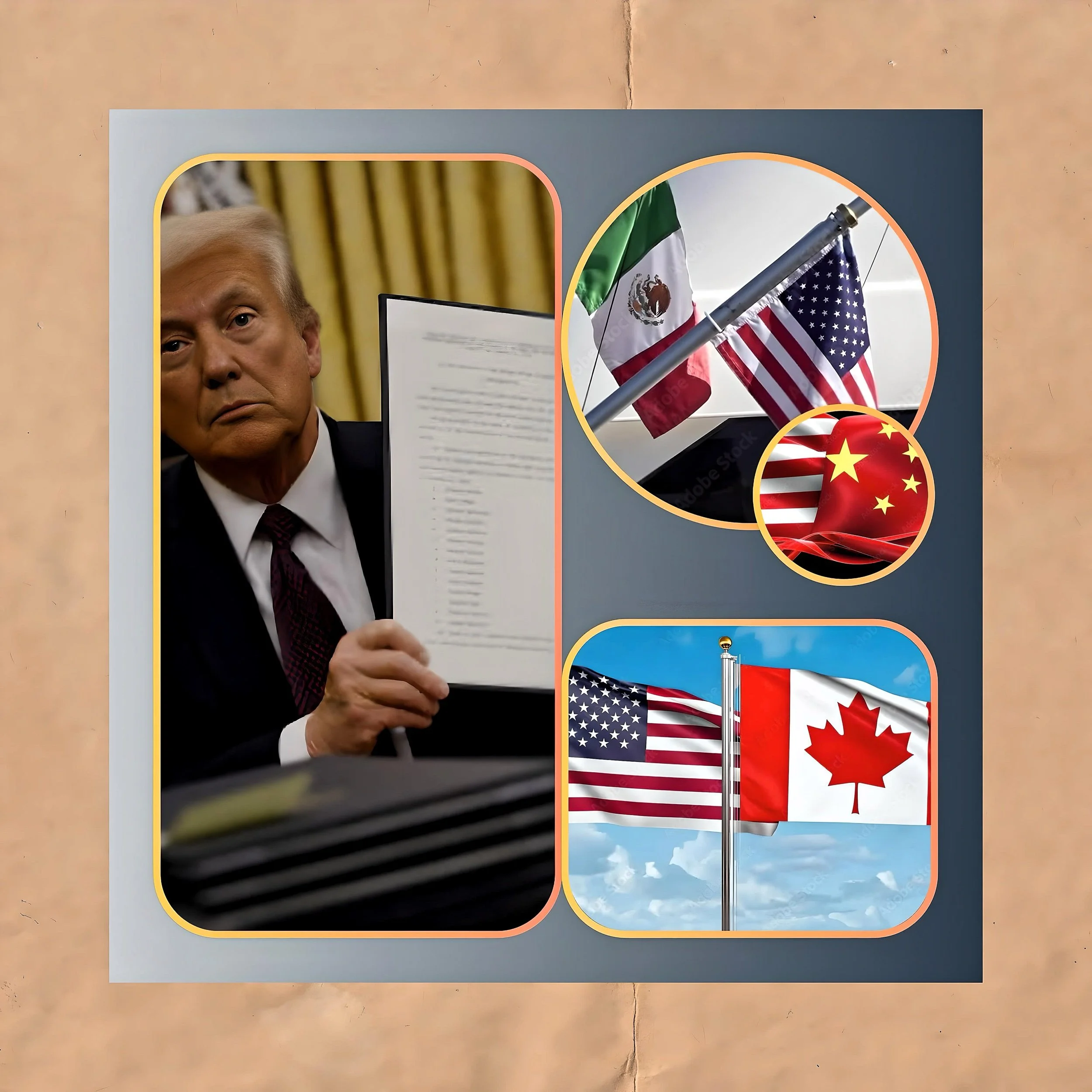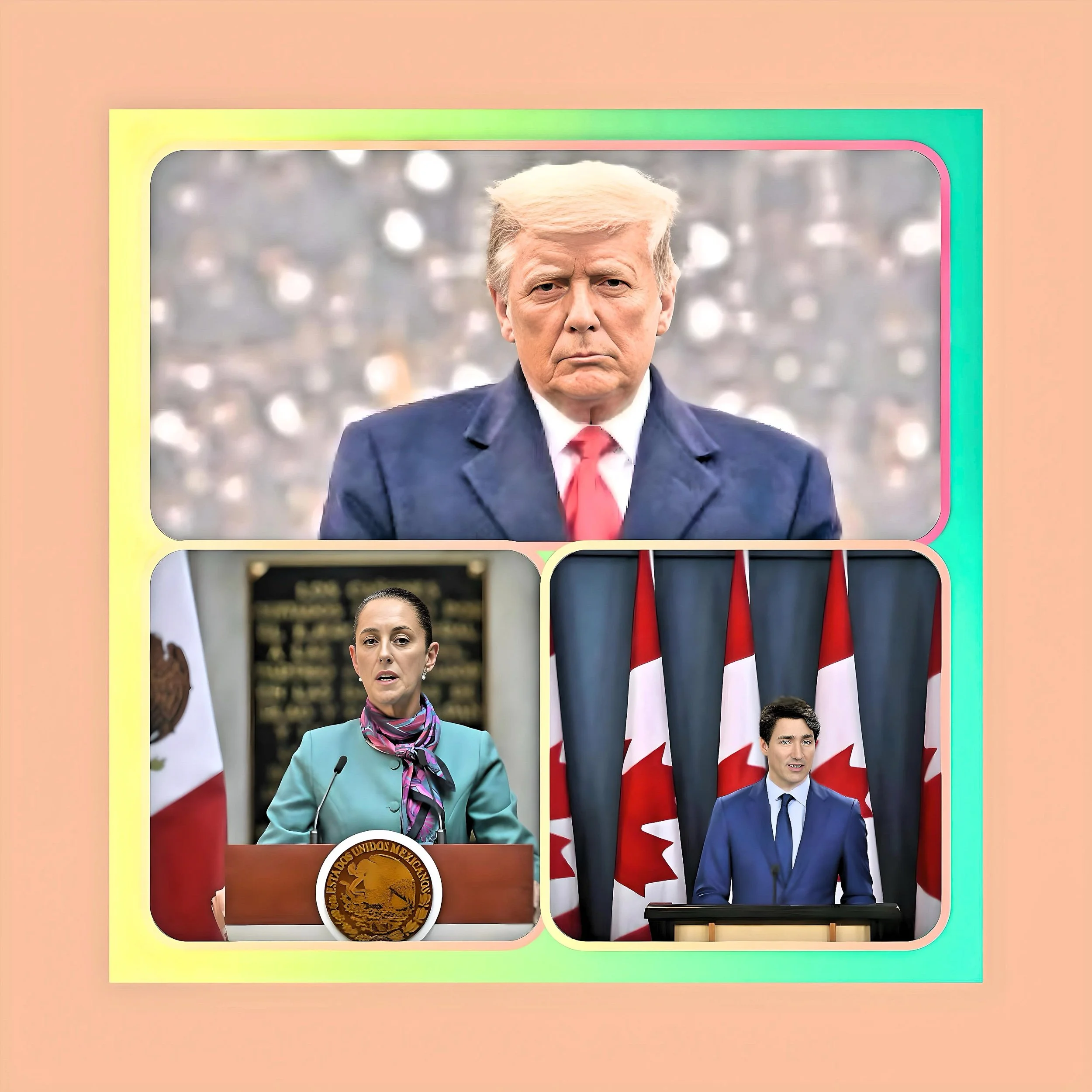
Trump puts tariff on Canada and Mexico on hold?
Introduction
President Donald Trump delayed tariffs on Mexico and Canada until the end of February 2025 following last-minute negotiations focused on border security and drug trafficking. Here are the key reasons for the pause:
Border Security Commitments
Mexico: Agreed to deploy 10,000 National Guard troops to secure its northern border, targeting illegal immigration and drug trafficking (primarily fentanyl).
Canada: Pledged to increase border security personnel to ~10,000 officers, appoint a “Fentanyl Czar,” and designate drug cartels as terrorist organizations.
Negotiation Window for Economic Deals
Trump paused tariffs for 30 days to allow further talks on long-term solutions addressing:
Trade imbalances (e.g., U.S.-Mexico-Canada Agreement disputes).
Drug enforcement cooperation, including curbing fentanyl production and smuggling.
Avoiding Immediate Economic Disruption
Tariffs threatened 25% duties on most imports from Mexico/Canada and 10% on energy products, risking:
Higher consumer prices (e.g., avocados, cars, oil).
Stock market volatility, with the S&P 500 recovering losses after the pause.
Retaliatory tariffs from Canada/Mexico could have escalated into a regional trade war.
Diplomatic Pressure Tactics
The tariffs were framed as leverage to force concessions on migration and drug flows, with Trump claiming Canada/Mexico enabled a “drug war” harming Americans.
Conclusion
The pause reflects a pattern of Trump using tariffs as negotiation tools rather than permanent measures.
No tariffs were announced or paused for France in the provided sources. The delay applies only to Mexico and Canada, while 10% tariffs on China remain in effect.