How has the AfD's stance on immigration and Islam influenced public opinion
Introduction
The far-right Alternative for Germany (AfD) has significantly shaped public opinion on immigration and Islam through its polarizing rhetoric and policy proposals, driving both political realignment and societal polarization. Here’s how their stance has influenced discourse and attitudes:
Hardening of Immigration Policies
Mainstream party shifts
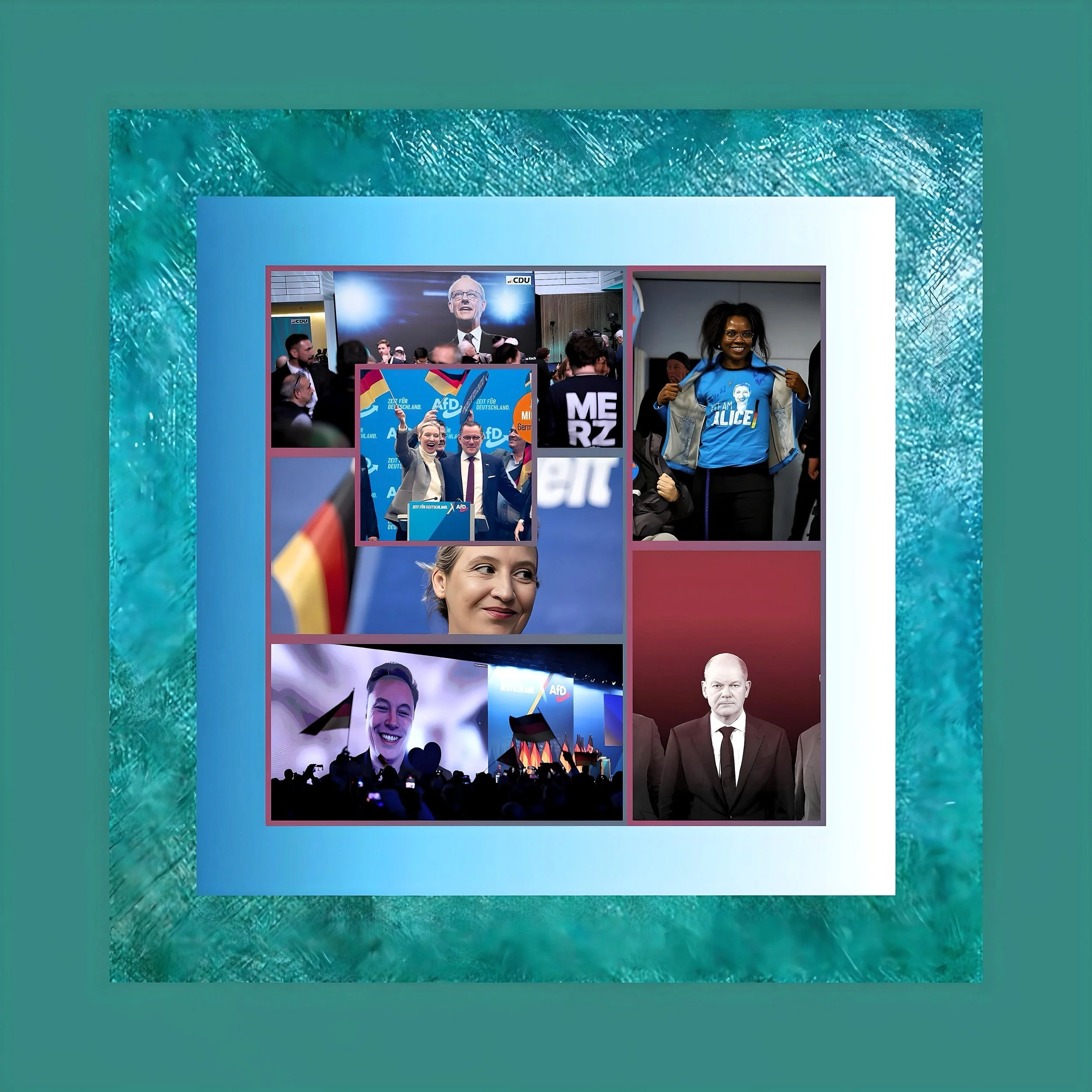
The AfD’s anti-immigration agenda, including calls for “zero net immigration” and mass deportations, has pressured centrist parties to adopt stricter policies. Chancellor Olaf Scholz’s coalition has expedited deportations of failed asylum seekers, while the CDU collaborated with the AfD in January 2025 to pass a symbolic anti-immigration motion, breaking a decades-old taboo.
Public sentiment
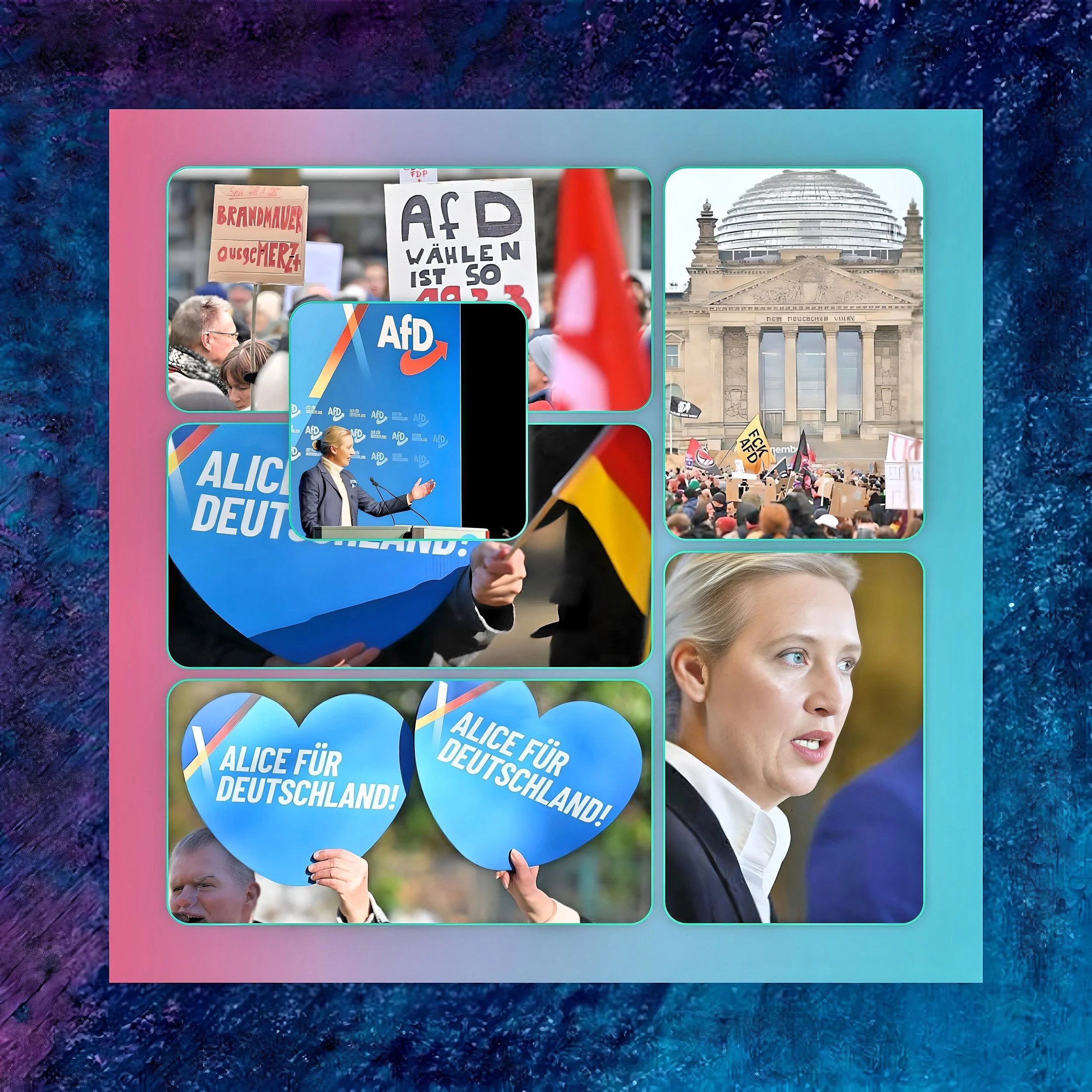
A January 2025 Deutschlandtrend poll found 68% of Germans support reducing refugee admissions, reflecting growing alignment with AfD’s demands. However, protests against CDU-Afd collaboration drew over 160,000 people in Berlin, highlighting deep divisions.
Anti-Islam Rhetoric and Rising Islamophobia
Framing Islam as a threat
The AfD’s platform declares Islam “incompatible with German values” and advocates bans on minarets, burqas, and muezzin calls. This messaging has amplified fears of “Islamization,” with a 2023 government report finding half of Germans agree with anti-Muslim statements.
Cultural polarization
Campaigns like “Burkas? We prefer bikinis” (2017) and claims that Islam promotes “supremacy” have normalized xenophobic discourse. Mainstream parties like the Greens have also adopted tougher stances on “Islamism,” blurring lines between criticism of extremism and broad anti-Muslim sentiment.
Electoral Gains and Regional Influence
Eastern strongholds
The AfD’s anti-immigration and anti-Islam platforms resonate in eastern Germany, where it won 34% in Thuringia’s 2024 state election and leads polls nationally. Its success has forced debates on coalition-building, though mainstream parties still refuse partnerships.
Unexpected voter bases
Despite targeting immigrants, the AfD attracts some voters with migrant backgrounds, particularly conservative demographics concerned about crime or economic competition. A 2025 DW report noted support from groups like “With Migration Background for Germany,” which frames loyalty to “German culture” as compatible with immigrant identities.
Societal Backlash and Democratic Mobilization
Protests against extremism
Revelations of AfD members discussing mass deportations at a 2024 meeting with neo-Nazis sparked nationwide demonstrations, with over 1 million participants in January 2025. These reflect growing public anxiety over far-right normalization.
Intellectual resistance
Muslim organizations and centrist politicians warn the AfD’s rhetoric fuels hate crimes and erodes social cohesion. The Central Council of Muslims in Germany linked the party’s rise to increased anti-Muslim violence.
Global and Historical Parallels
International alliances
The AfD’s ties to figures like Donald Trump and its embrace of terms like “remigration” (associated with ethno-nationalist movements) mirror broader trends in Europe and the U.S.. Its success has emboldened far-right groups globally.
Controversial historical echoes
Critics compare the AfD’s rhetoric to Nazi-era propaganda, particularly its emphasis on ethnic homogeneity and campaigns like “New Germans? We’ll make them ourselves” (featuring a pregnant white woman).
Conclusion
The AfD has shifted Germany’s political landscape by mainstreaming hardline positions on immigration and Islam, deepening societal divides. While its policies resonate with voters concerned about cultural change and security, they have also galvanized pro-democracy movements and intensified debates over Germany’s post-war identity. The party’s influence will likely persist as a flashpoint in the February 2025 federal election and beyond.