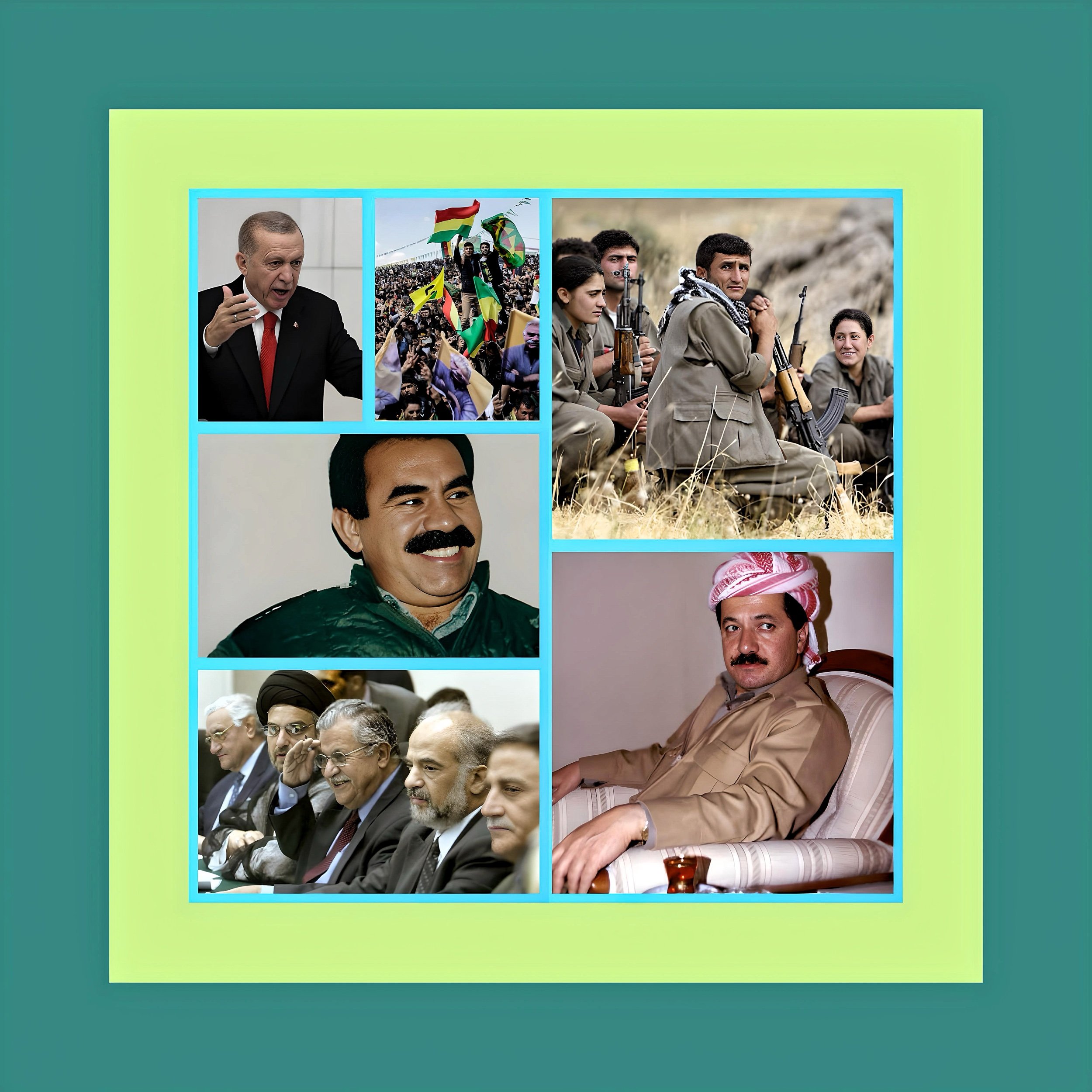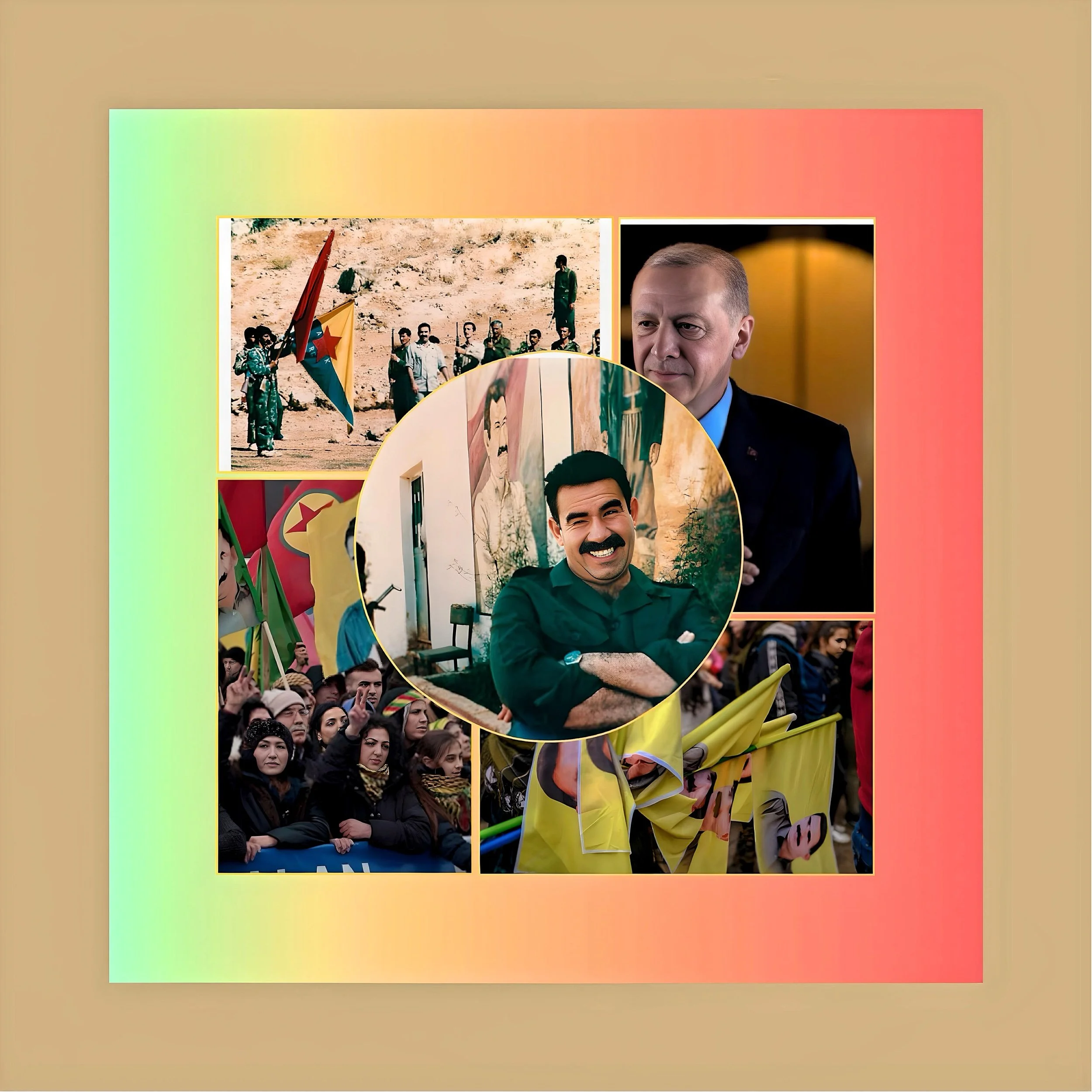
Abdullah Öcalan’s Historic Peace Call: A Turning Point in Turkey-Kurdish Relations
Introduction
The imminent release of a peace declaration by Abdullah Öcalan, the imprisoned leader of the Kurdistan Workers’ Party (PKK), represents the most significant opportunity in decades to resolve Turkey’s protracted conflict with its Kurdish minority.
With Turkish authorities confirming that Öcalan will soon call for the PKK to lay down arms, this moment culminates nine months of clandestine negotiations between Ankara and the jailed militant leader.
The potential disarmament of a group designated as terrorists by Turkey, the U.S., and the EU could reshape regional security dynamics, unlock Turkey’s stalled EU accession talks, and alter the trajectory of Kurdish autonomy movements in Syria and Iraq.
However, skepticism persists due to the Turkish government’s simultaneous crackdown on Kurdish politicians and the PKK’s decentralized structure, which may resist centralized commands from Öcalan.
Historical Context: From Armed Struggle to Negotiated Settlement
The Legacy of Failed Peace Processes
The PKK’s 40-year insurgency, born from demands for Kurdish cultural rights and self-determination, has claimed over 40,000 lives since 1984.
Previous peace initiatives collapsed amid mutual distrust—notably the 2013-2015 Oslo Process, which dissolved after Ankara accused the PKK of exploiting ceasefire periods to rearm.
Öcalan’s 1998 ceasefire call from Damascus, issued via MED TV, had similarly foundered when Turkey intensified military operations and forced his expulsion from Syria.
These failures entrenched a zero-sum dynamic: the Turkish state viewed concessions as threats to territorial integrity. At the same time, Kurdish factions saw negotiations as tactical pauses rather than pathways to political integration.
The Geopolitical Calculus Behind Renewed Talks
Three factors converged to revive diplomacy in 2024:
Military Stalemate: Turkey’s drone-led campaigns since 2016 degraded PKK capabilities in Turkey and northern Iraq, limiting cross-border raids but failing to secure a decisive victory.
Regional Instability: The Syrian regime’s collapse in December 2024 created power vacuums near Turkey’s borders, with Ankara seeking to neutralize Kurdish-linked Syrian Democratic Forces (SDF) through political rather than military means.
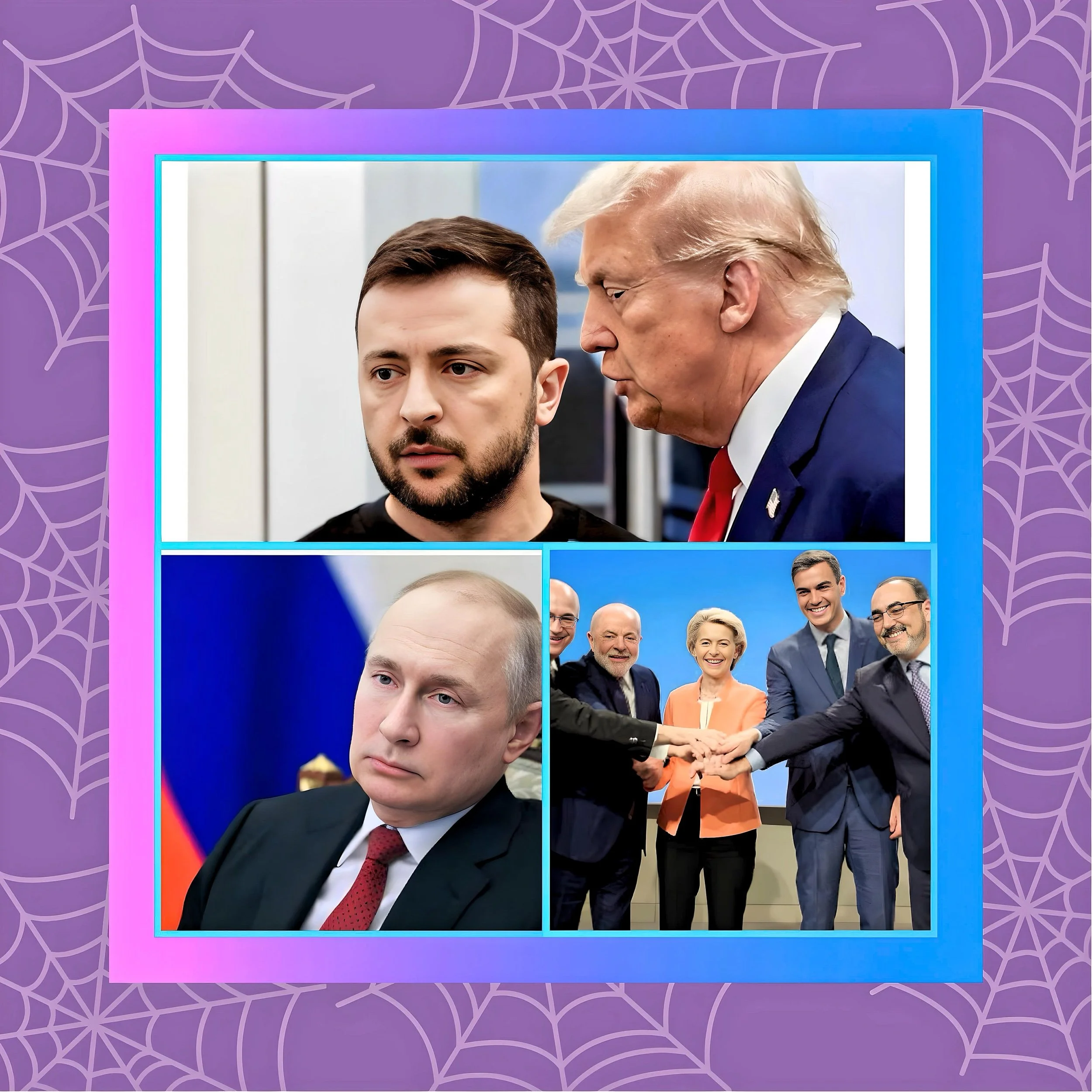
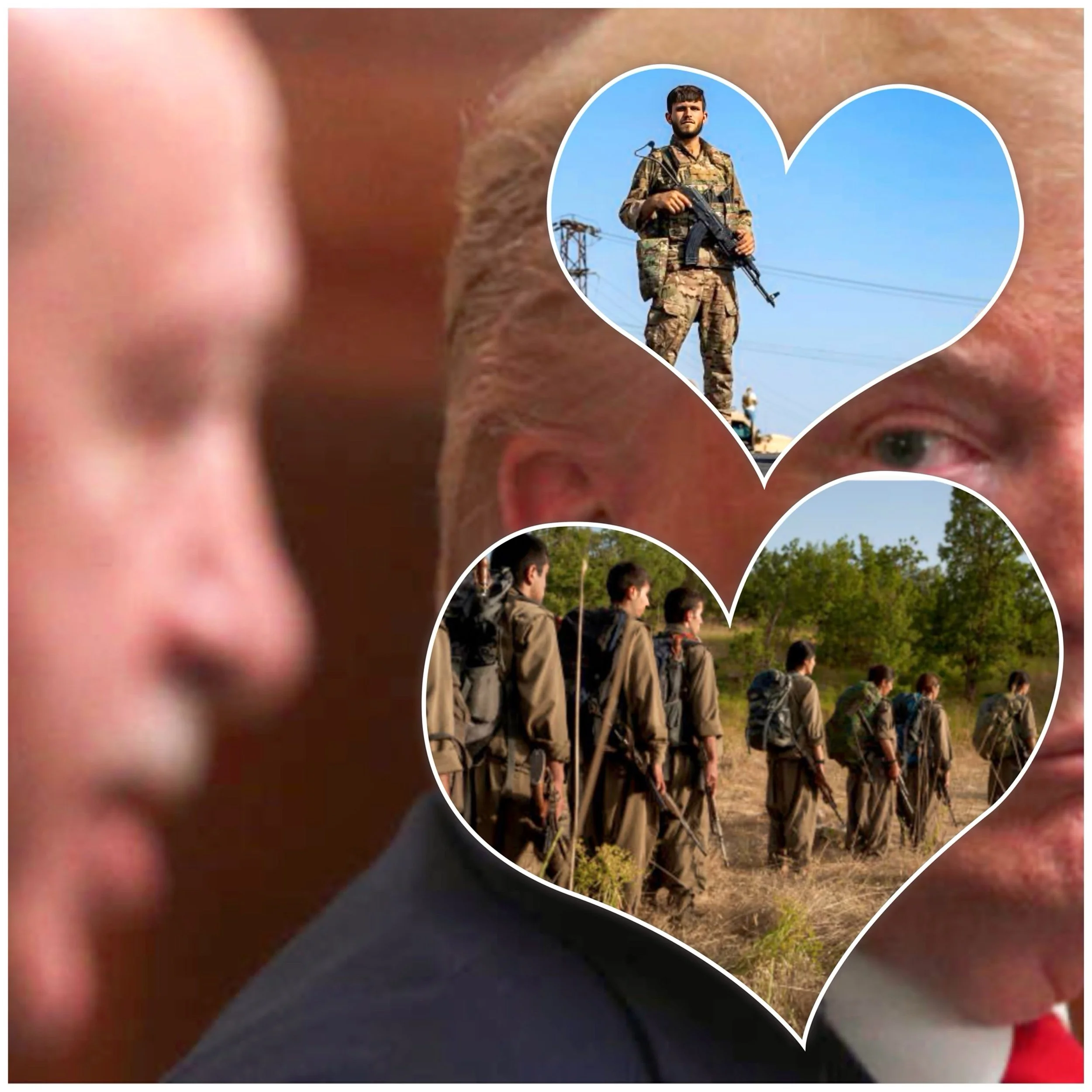
U.S.-Turkey Reset: President Erdogan anticipates warmer relations under Trump’s second term, contingent on resolving the PKK issue that long poisoned bilateral ties over U.S. support for Syria’s SDF.
The Imralı Negotiations: Terms, Actors, and Contested Outcomes
Öcalan’s Expected Declaration
According to multiple sources, Öcalan’s statement—delivered via written communiqué or prison-approved DEM Party delegates—will likely include:
A directive for PKK fighters to withdraw from Turkey and transition into political activism through legal Kurdish parties like the DEM.
He supported decentralizing power in Syria and Iraq, which aligned with his “democratic confederalism” ideology.
Calls for constitutional reforms guaranteeing Kurdish cultural rights, potentially including education in native languages and regional autonomy.
Justice Minister Yılmaz Tunç has barred video broadcasts, insisting messages remain text-based to avoid “symbolic provocation.”
This restriction risks ambiguity, as Öcalan’s past communiqués used metaphorical language open to conflicting interpretations.
Ankara’s Strategic Concessions
In exchange for disarmament, Turkey has reportedly offered:
Öcalan’s Conditional Release: Transfer from İmralı Island to house arrest under the “right to hope” legal principle, which caps prison terms at 25 years for crimes committed before 2005.
Amnesty Framework: Legislation pardoning mid-ranking PKK members who surrender while prosecuting senior leaders for terrorism charges.
Economic Development Plans: Increased investment in southeastern Turkey, including infrastructure projects and job programs targeting Kurdish youth.
However, these offers remain informal, with Deputy AK Party Chairman Efkan Ala cautioning, “Compliance will determine the pace of concessions.”
Regional Implications: Syria, Iraq, and the Kurdish Dilemma
Syria’s SDF at a Crossroads
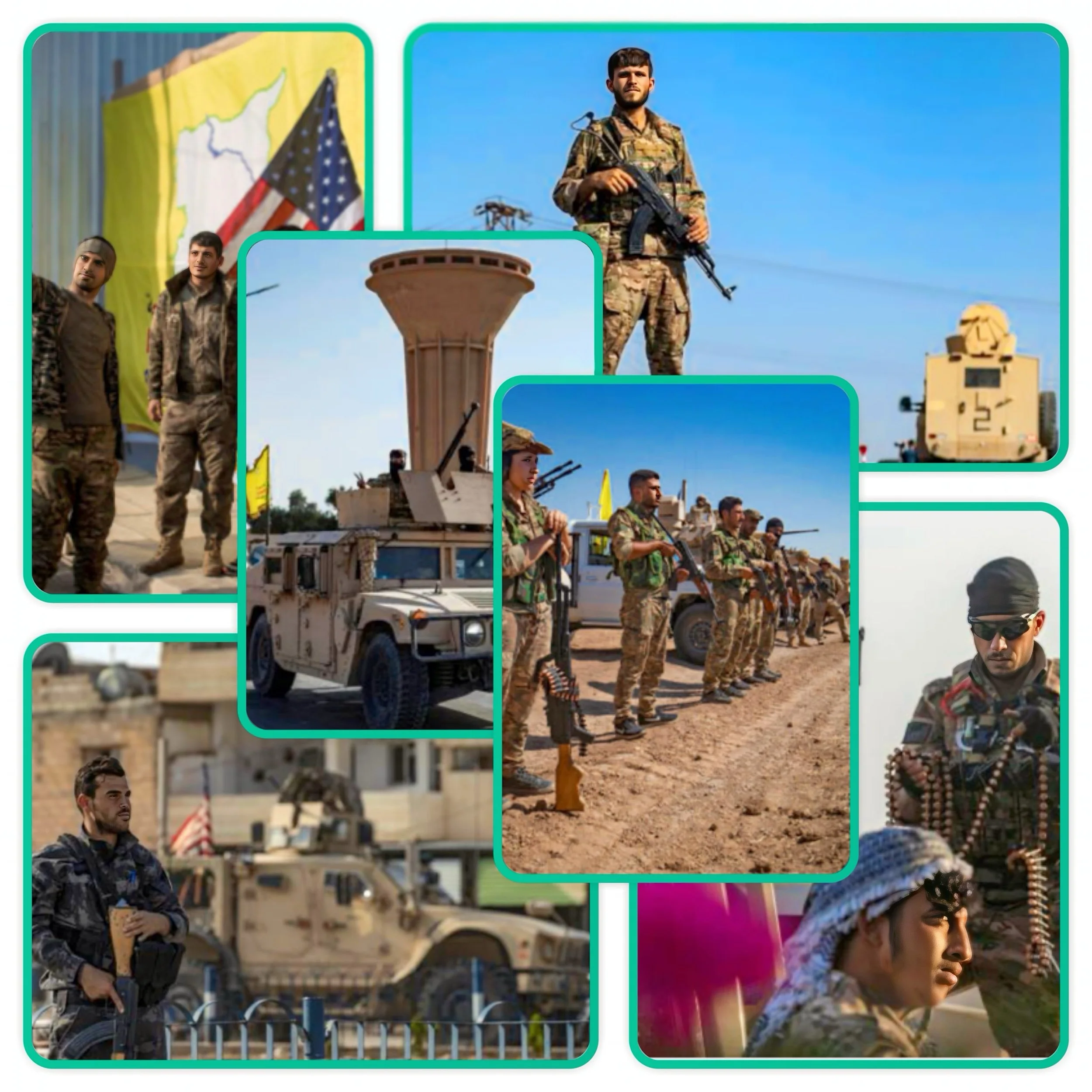
The U.S.-backed Syrian Democratic Forces (SDF), led by Mazloum Abdi, face existential pressures.
While nominally independent, the SDF relies on PKK-trained cadres for military leadership. Öcalan’s disarmament call would force the SDF to either:
Expel PKK elements to satisfy Ankara and Damascus, risking internal fractures.
Maintain ties and face intensified Turkish cross-border operations.
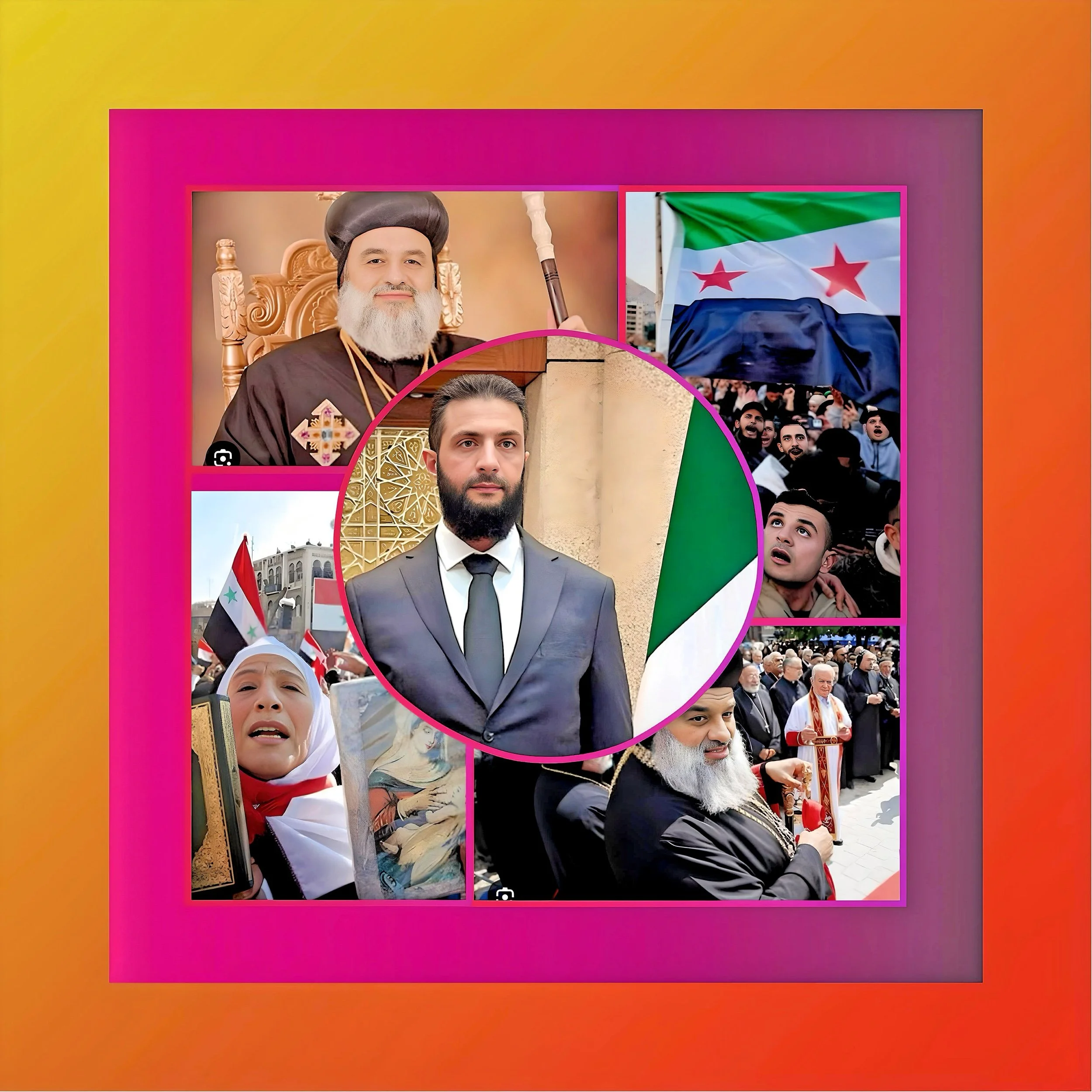
Syria’s new president, Ahmed al-Sharaa, has proposed integrating SDF units into the national army as discrete brigades—a plan contingent on the PKK’s complete withdrawal from Syria.
Iraq’s Balancing Act
The Kurdistan Regional Government (KRG) cautiously supports Ankara’s initiative in northern Iraq.
PKK bases in the Qandil Mountains have complicated KRG-Turkey relations, limiting Erbil’s capacity to export oil via Turkish pipelines.
A PKK withdrawal would enable deeper economic ties but might embolden Ankara to increase its military presence in Iraqi Kurdistan under “counterterrorism” pretexts.
Challenges to Sustainable Peace
The PKK’s Decentralized Structure
Despite Öcalan’s symbolic authority, operational control rests with field commanders in Iraq’s Qandil Mountains and Syria’s Rojava.
Hardline factions, particularly the Hawk Group led by Cemil Bayık, oppose demilitarization, arguing that “disarmament without constitutional guarantees equals surrender.”
Past splits in 2004 (when a breakaway faction formed the Kurdistan Freedom Falcons) suggest possible violent dissent if Ankara delays reforms.
Turkey’s Domestic Crackdown Paradox
While negotiating with Öcalan, Erdogan’s government has arrested 57 DEM Party officials since January 2025 on terrorism charges.
This dual strategy—engaging the PKK leadership while criminalizing its political wing—undermines trust.
As DEM co-chair Tuncer Bakırhan noted: “How can we preach peace to our youth when their elected representatives sit in jail?”
The Constitutional Reform Hurdle
Erdogan’s AK Party lacks parliamentary supermajority (322 seats) to unilaterally amend the constitution’s rigid unitary state provisions.
Securing opposition support from CHP secularists or İYİ Party nationalists would require diluting Kurdish demands—a nonstarter for the DEM Party.
International Stakeholders: Facilitators or Spoilers?
The U.S. Role: From SDF Ally to Deal Broker
Washington faces conflicting priorities:
Counter-ISIS Mission: Maintaining SDF cooperation requires protecting Kurdish allies from Turkish aggression.
NATO Unity: Backing Ankara’s peace initiative could repair ties strained by F-35 and S-400 disputes.
State Department officials hint at conditioning support for Turkey’s Syrian operations on good-faith implementation of Kurdish reforms.
Russia and Iran: Regional Spoilers?
Moscow and Tehran, seeking to dilute U.S.-Turkey ties, might stoke PKK dissent by offering arms or safe havens to dissident factions.
Russia’s Wagner Group trains Asayish (Rojava security forces), providing leverage over post-PKK dynamics.
Conclusion
A Fragile Pathway to Post-Conflict Transition
Abdullah Öcalan’s anticipated peace call marks a watershed, yet its success hinges on Ankara’s willingness to trade military victories for political concessions.
Historical parallels suggest that demilitarization will prove transient without constitutional recognition of Kurdish identity and devolved governance.
For Turkey, the gamble is existential: a settlement could stabilize its southern borders and unlock EU accession, while failure risks radicalizing a new generation of Kurdish youths. As regional powers jockey for influence, the coming months will test whether decades of bloodshed can yield a peace as enduring as the conflict.