Trump’s Critique of Voter Turnout Funding in India or Bangladesh? : A Multifaceted Controversy
Introduction
Trump’s Critique of Alleged Voter Turnout Funding in India: A Multifaceted Controversy
Story
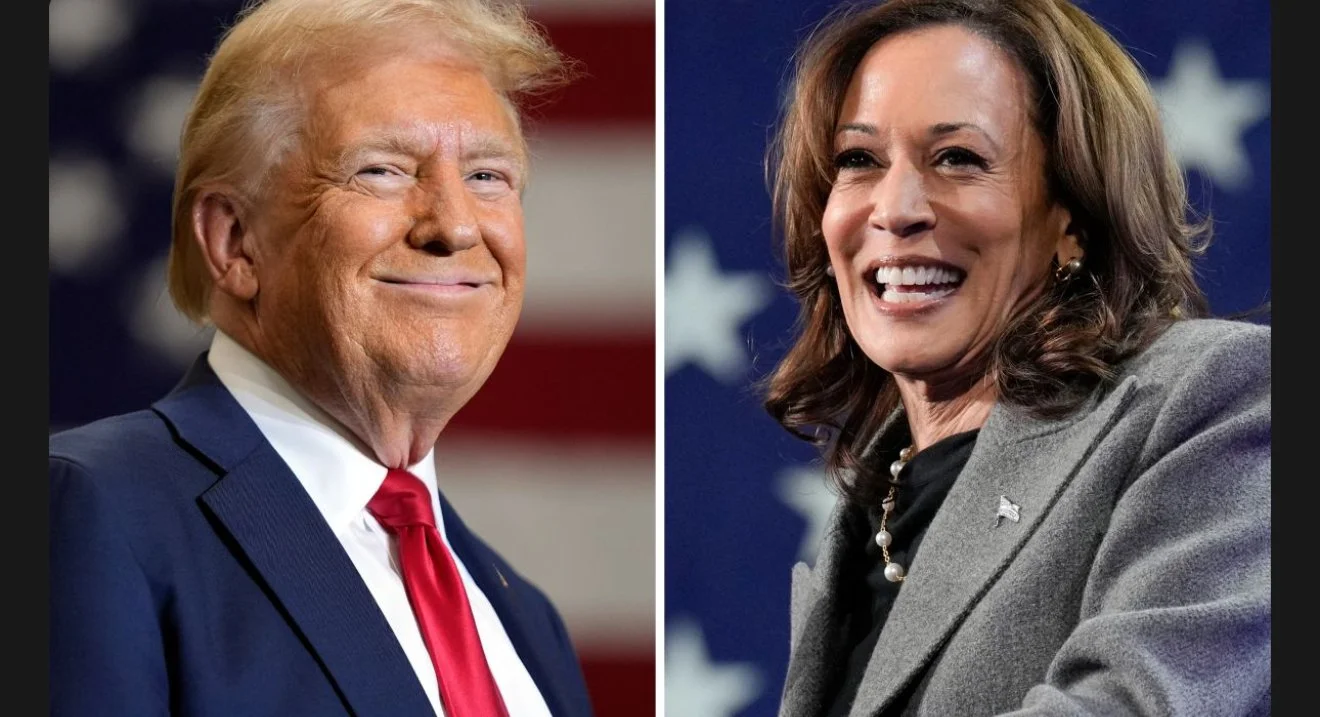
Former U.S. President Donald Trump’s recent criticism of a $21 million U.S. allocation for voter turnout initiatives in India has ignited a complex debate involving geopolitical tensions, domestic Indian politics, and questions about foreign interference in democratic processes.
This controversy, which unfolded against the backdrop of India’s 2024 general elections and Trump’s broader agenda to reduce foreign aid, reveals intersecting narratives of misinformation, diplomatic friction, and partisan rivalry.
Origins of the Funding Controversy
Trump’s Initial Allegations
On February 16, 2025, the U.S. Department of Government Efficiency (DOGE), led by Elon Musk, announced the cancellation of a $21 million fund ostensibly earmarked for “voter turnout in India” as part of a broader effort to curb foreign aid expenditures.
Trump seized on this decision, framing it as a corrective measure against wasteful spending and potential election interference.
At the FII PRIORITY Summit in Miami, he questioned the rationale behind the allocation: “Why do we need to spend $21 million for voter turnout in India?
I guess they were trying to get somebody else elected”.
His remarks drew parallels to past U.S. concerns about Russian interference in American elections, albeit with a stark contrast in scale: “When we hear that Russia spent about two thousand dollars in our country, it was a big deal.
This is a total breakthrough”.
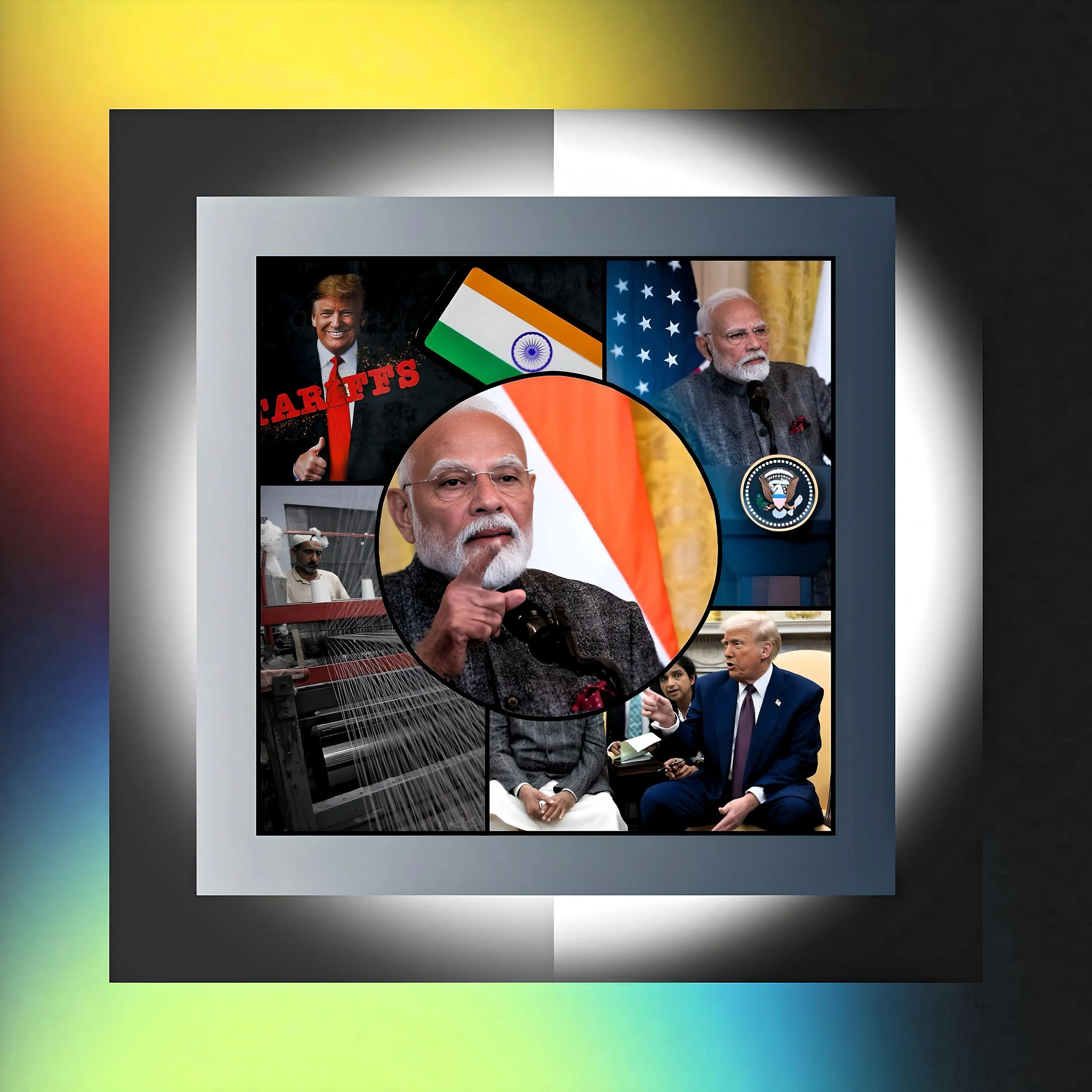
Trump’s critique extended to India’s economic policies, noting the country’s high tariffs and robust financial standing: “They’ve got a lot of money. They’re one of the highest taxing countries in the world in terms of us; we can hardly get in there because their tariffs are so high”.
These comments underscored his administration’s “America First” ethos, which prioritizes domestic spending over international aid.
Factual Corrections and Misinformation
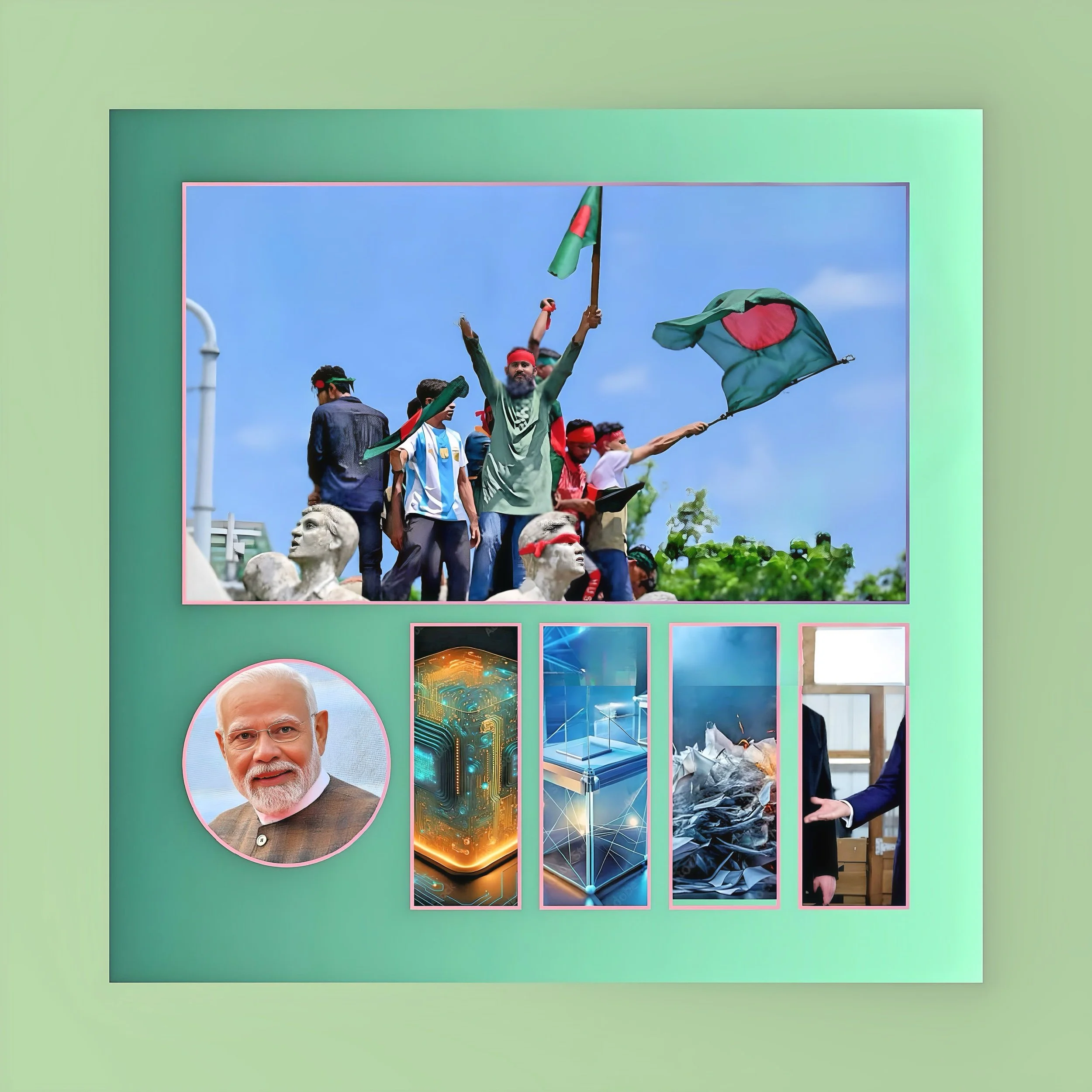
Contrary to Trump’s claims, investigative reporting by The Indian Express revealed that the $21 million was never intended for India. Instead, the funds were allocated in 2022 to Bangladesh under the USAID’s Nagorik (Citizen) Programme, which aimed to promote youth civic engagement ahead of Bangladesh’s January 2024 elections.
By the time the funding was canceled, $13.4 million had already been disbursed to organizations like the International Foundation for Electoral Systems (IFES) and the National Democratic Institute (NDI) for initiatives such as voter education workshops and election monitoring.
USAID records further confirmed that India had not received any electoral funding from the Consortium for Elections and Political Process Strengthening (CEPPS) since 2008.
The mislabeling of the Bangladesh project as “voter turnout in India” in DOGE’s public communications appears to have originated from a clerical error, which Trump’s remarks subsequently amplified.
Political Reactions in India
BJP’s Allegations of Foreign Interference
India’s ruling Bharatiya Janata Party (BJP) swiftly capitalized on Trump’s statements to accuse the opposition Indian National Congress of colluding with foreign entities.
BJP spokesperson Amit Malviya alleged that the funds were used to sustain “deep state assets” within India who sought to undermine the BJP’s electoral prospects.
The party demanded an investigation into whether Congress leaders, including Rahul Gandhi, were beneficiaries of a “kickback scheme” tied to the funding.
These allegations aligned with Prime Minister Narendra Modi’s pre-election warnings about foreign powers attempting to influence Indian democracy.
In a speech before the 2024 elections, Modi had stated: “There are some foreign powers behind this… they will cease to exist after the 4th of June”.
The BJP framed Trump’s remarks as validation of these concerns, despite the lack of evidence linking the funds to India.
Congress’s Rebuttal and Calls for Transparency
The Congress party dismissed Trump’s claims as “absurd” and accused the BJP of manufacturing a conspiracy to deflect attention from domestic issues.
Former Chief Election Commissioner SY Quraishi clarified that while the Election Commission of India had collaborated with IFES for training programs in 2012, no financial transactions occurred.
Congress leaders emphasized the need for transparency, urging an independent probe to dispel misinformation.
U.S. Administrative Context: DOGE’s Role and Broader Aid Cuts
Elon Musk’s DOGE and the Crackdown on USAID
The cancellation of the $21 million fund was part of a larger austerity drive by DOGE, which targeted $486 million in USAID allocations globally.
Musk, a vocal critic of USAID, labeled the agency a “criminal organization” and accused it of supporting “radically left causes” abroad.
Projects axed by DOGE included $29 million for Bangladesh’s political landscape, $19 million for biodiversity in Nepal, and $22 million for Moldova’s electoral processes.
Trump defended these cuts as fiscally responsible, arguing that “Ukraine received $200 billion more than Europe” and that the U.S. derived no tangible benefits from such expenditures.
His administration’s focus on reducing foreign aid resonated with his base but drew criticism from internationalists who viewed USAID as a tool for soft power.
Diplomatic and Strategic Implications
India-U.S. Relations Under Strain
While Trump reiterated his “respect” for Prime Minister Modi and India’s strategic partnership, his comments on tariffs and foreign aid injected tension into bilateral relations.
India’s Ministry of External Affairs (MEA) expressed “deep concern” over the allegations of foreign interference, stating: “These are obviously very deeply troubling relevant departments are looking into the matter”.
The MEA’s cautious response reflected a desire to avoid public confrontation while addressing domestic political pressures.
The Specter of Election Mediation
The controversy reignited debates about the vulnerability of democracies to external influence.
While the $21 million figure was erroneously linked to India, the episode highlighted how misinformation can rapidly escalate into geopolitical friction.
Experts noted that even baseless allegations of foreign interference could erode public trust in electoral institutions, a concern amplified by India’s history of colonial subjugation.
Conclusion
A Confluence of Politics and Misperception
Trump’s critique of the $21 million voter turnout fund underscores the interplay between domestic politics, diplomatic posturing, and the challenges of misinformation in the digital age.
While the funding was factually directed toward Bangladesh, the BJP’s leveraging of Trump’s remarks to attack the Congress illustrates how external narratives can be weaponized in partisan conflicts.
For the U.S., the episode reflects the broader tensions between fiscal conservatism and global leadership, with Trump’s DOGE embodying a skepticism of multilateral aid frameworks.
Moving forward, this controversy underscores the need for robust mechanisms to verify foreign aid allocations and counter disinformation.
As democracies worldwide grapple with external and internal threats to electoral integrity, transparency and cross-border cooperation remain essential to preserving public trust in governance.