EU leaders panic for emergency meeting in Paris over US-Russia possible pact
Introduction
European Leaders Convene Emergency Summit Amidst Trump-Putin Diplomacy and Transatlantic Strains
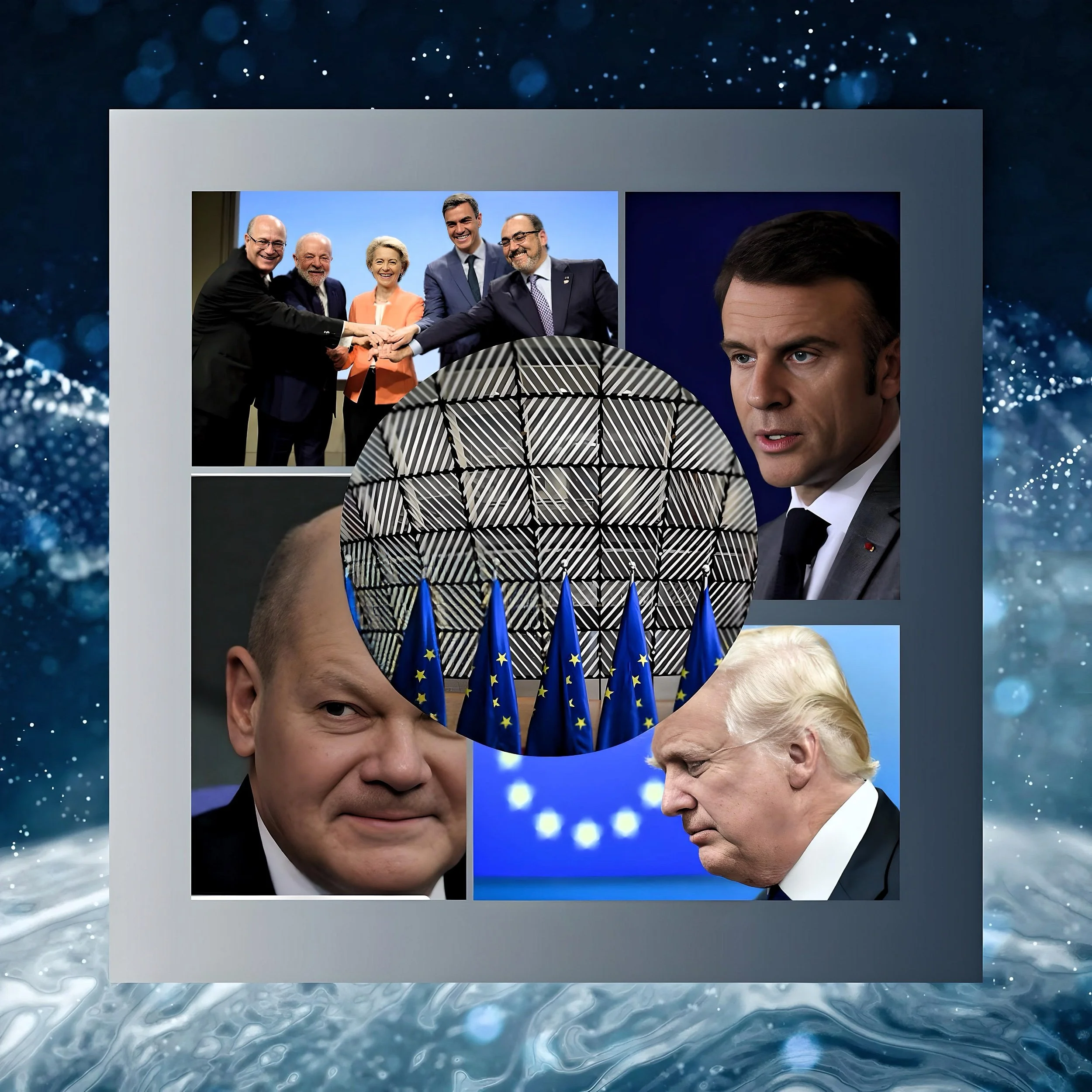
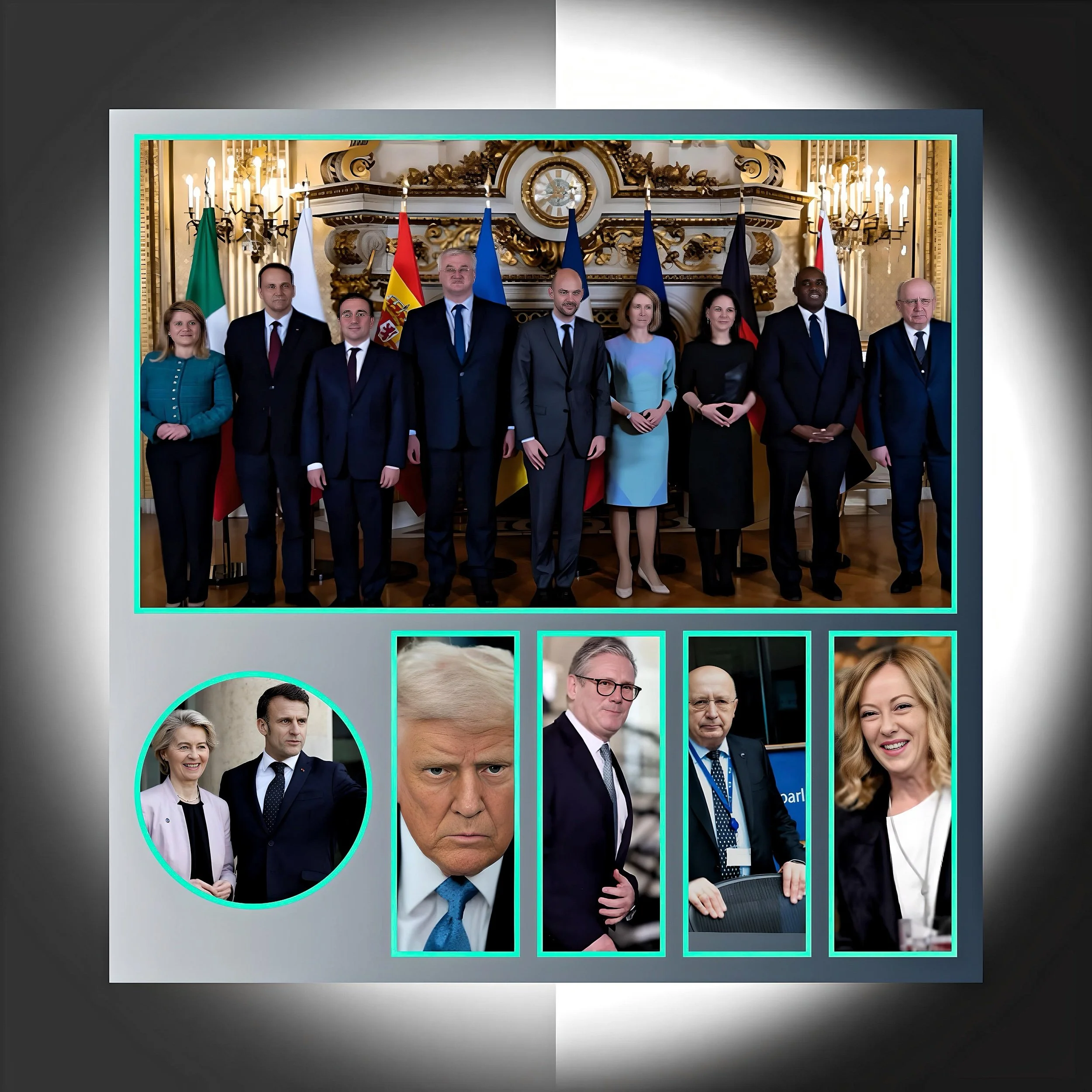
The recent diplomatic engagement between U.S. President Donald Trump and Russian President Vladimir Putin has precipitated a seismic shift in transatlantic relations, compelling European leaders to convene an emergency summit in Paris on February 16, 2025. The summit, organized by French President Emmanuel Macron and attended by British Prime Minister Sir Keir Starmer, Polish Prime Minister Donald Tusk, and other EU leaders, aims to forge a unified European response to Trump’s unilateral peace negotiations with Putin over Ukraine. This development follows Trump’s abrupt pivot away from three years of U.S.-led efforts to isolate Russia, signaling a potential realignment of global power dynamics and raising existential questions about Europe’s role in its own security architecture.
The Trump-Putin Dialogue: Catalyst for European Alarm
A Diplomatic Earthquake
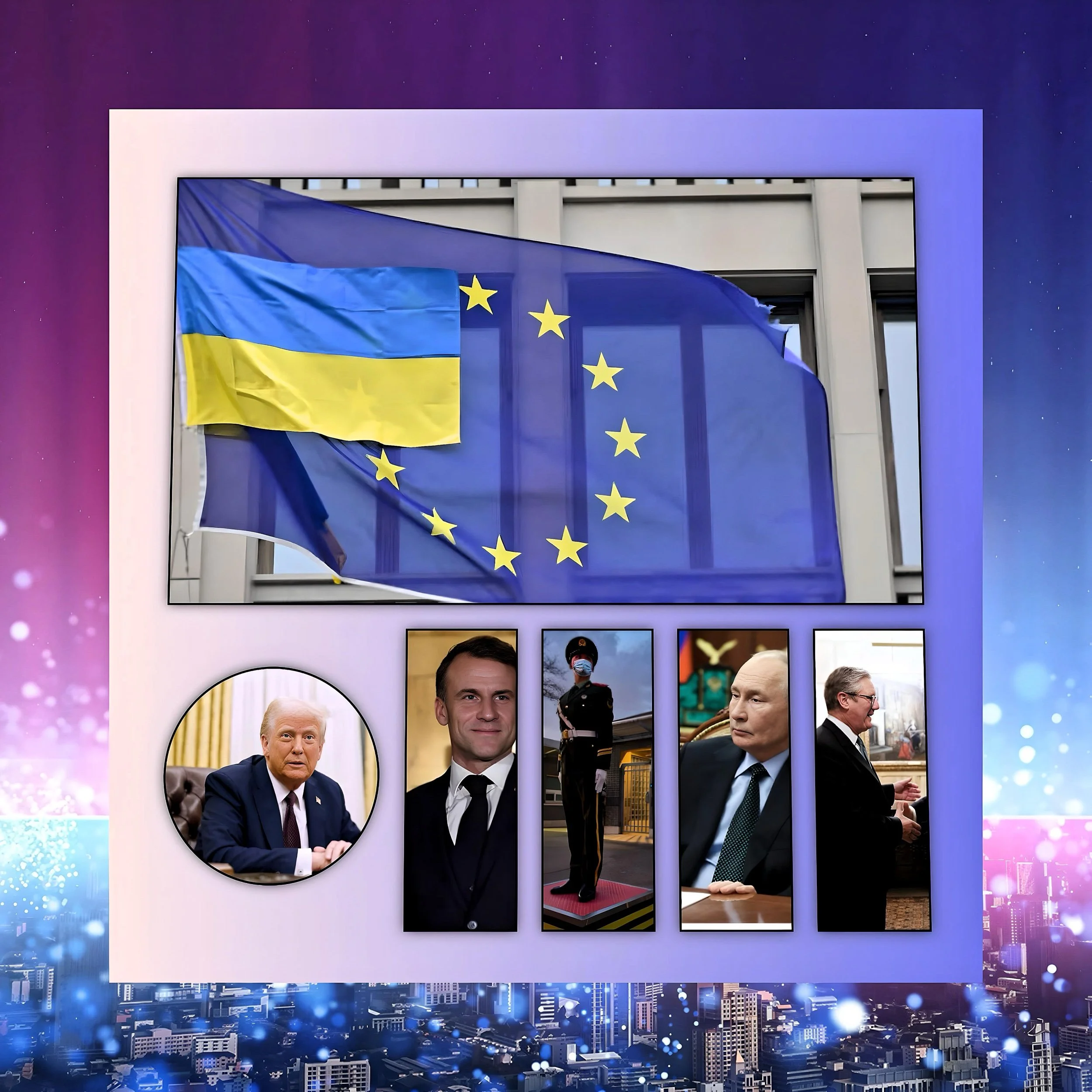
President Trump’s February 12 phone call with Vladimir Putin marked a stark departure from established U.S. foreign policy. By unilaterally agreeing to initiate peace talks to end the war in Ukraine—without prior consultation with European allies or Ukraine itself—Trump effectively legitimized Putin’s position as a negotiating partner while sidelining Kyiv and its European backers. The call, described by European officials as a “reconnaissance through battle” tactic by Trump, included discussions on Ukraine’s NATO membership (deemed “impractical” by Trump), territorial concessions, and broader global issues such as energy markets and artificial intelligence. This abrupt shift dismantled the Western consensus on isolating Russia, with Trump publicly praising Putin’s leadership and framing the conversation as a revival of U.S.-Russian collaboration reminiscent of World War II.
Strategic Concessions and European Reactions
Trump’s preemptive concessions—including dismissing Ukraine’s NATO aspirations and downplaying the feasibility of reclaiming occupied territories—have been interpreted as capitulation to Putin’s core demands. European leaders, blindsided by the announcement, criticized the move as a betrayal of Kyiv’s sovereignty and a dangerous precedent for multilateral diplomacy. German Foreign Minister Annalena Baerbock emphasized, “There can be no decision about Ukraine without Ukraine,” while Lithuanian Defense Minister Dovilė Šakalienė warned that accepting a Trump-Putin deal would constitute a “deadly trap” for European security. The absence of prior consultation with NATO allies has exacerbated fears that Trump’s transactional “America First” approach prioritizes bilateral deals over collective security frameworks.
The Paris Emergency Summit: Europe’s Bid for Relevance
Objectives and Participants
Convened by President Macron, the Paris summit represents Europe’s attempt to reclaim agency in a geopolitical landscape increasingly shaped by U.S.-Russian bilateralism. Key attendees include Sir Keir Starmer, who has positioned the UK as a bridge between Washington and Brussels, and Donald Tusk, a vocal advocate for a militarized European Union. The summit’s agenda focuses on three pillars:
Coordinating a European Peace Plan
Developing alternatives to Trump’s proposed negotiations, which European leaders view as overly favorable to Russia.
Strengthening European Defense Capabilities
Accelerating plans for a unified “European army” and increasing defense spending to meet NATO’s 2% GDP target, with discussions on elevating it to 5%.
Preserving Transatlantic Unity
Mitigating rifts within NATO by aligning European and U.S. strategies, despite Trump’s skepticism of multilateral alliances.
Starmer’s Mediating Role
Prime Minister Starmer has emerged as a pivotal figure in the summit, framing it as a “once-in-a-generation moment for our national security.” His statement underscores the urgency for Europe to assume a larger NATO role while maintaining dialogue with Washington. Starmer’s upcoming visit to Trump at the White House will aim to convey European concerns and advocate for Ukraine’s inclusion in any peace process. However, Trump’s special envoy Keith Kellogg has already dismissed European involvement in U.S.-Russia talks, stating, “That is not going to happen”.
Implications for Transatlantic Relations
The Erosion of U.S. Leadership
Trump’s overtures to Putin have underscored a broader disillusionment with U.S. leadership, particularly his assertion that Europe must no longer rely on American military protection. Defense Secretary Pete Hegseth’s remarks in Brussels—calling Ukraine’s NATO membership “unrealistic” and urging allies to assume greater defense burdens—reflect a strategic recalibration toward “global big power dynamics” over traditional alliances. This shift has been met with skepticism in Europe, where leaders like Estonian Prime Minister Kaja Kallas argue that “any agreement made without European involvement will not endure”.
NATO’s Existential Crisis
The emergency summit occurs against the backdrop of NATO’s most significant credibility crisis since its inception. Secretary General Mark Rutte’s plea for members to increase defense spending highlights the alliance’s fragility, exacerbated by Trump’s threats to withhold Article 5 protections from underfunded members. European leaders, including Macron and Tusk, now advocate for an autonomous EU defense infrastructure, with Tusk declaring, “The time has come to create an armed forces of Europe. Money alone will not stop an enemy assault”.
Ukraine’s Precarious Position
Zelensky’s Defiance and Isolation
Ukrainian President Volodymyr Zelensky, excluded from Trump-Putin negotiations, has vehemently rejected backroom deals, stating, “Ukraine will never accept agreements made behind our backs.” His call for an “army of Europe” reflects dwindling confidence in U.S. support and a pivot toward EU militarization. Despite Trump’s subsequent phone call with Zelensky, Kyiv remains wary of U.S. intentions, particularly after Trump’s envoy Keith Kellogg attributed past peace talks’ failures to “too many stakeholders”.
The Saudi Arabia Talks: A Litmus Test
Upcoming U.S.-brokered negotiations in Saudi Arabia, involving Russian and Ukrainian delegates, will test Europe’s ability to influence outcomes. While Zelensky has tentatively agreed to participate, European leaders fear the talks will codify territorial concessions to Russia, legitimizing its annexation of Crimea and the Donbas. The absence of EU representatives at the table has heightened anxieties that Trump and Putin will redraw Europe’s security map without continental input.
Conclusion:
Navigating a New Geopolitical Order
The Paris emergency summit represents a watershed moment for European sovereignty and transatlantic solidarity. As Trump and Putin collaborate to reshape global power dynamics, Europe faces a stark choice: submit to a U.S.-Russian condominium or assert its strategic autonomy through enhanced military integration and unified diplomacy. The outcome will hinge on Europe’s ability to reconcile internal divisions, mobilize defense investments, and present a coherent alternative to Trump’s transactional realpolitik.
For Ukraine, the stakes are existential. Any peace settlement that excludes Kyiv risks entrenching Russian aggression and destabilizing Eastern Europe. As Zelensky warned, “Decisions about Europe are made in Europe”—a mantra that must guide both EU leaders and their American counterparts in the weeks ahead. The path forward demands not only resilience but a reimagining of collective security in an era of resurgent authoritarianism and waning U.S. hegemony.