International reaction to Trumps tariff?
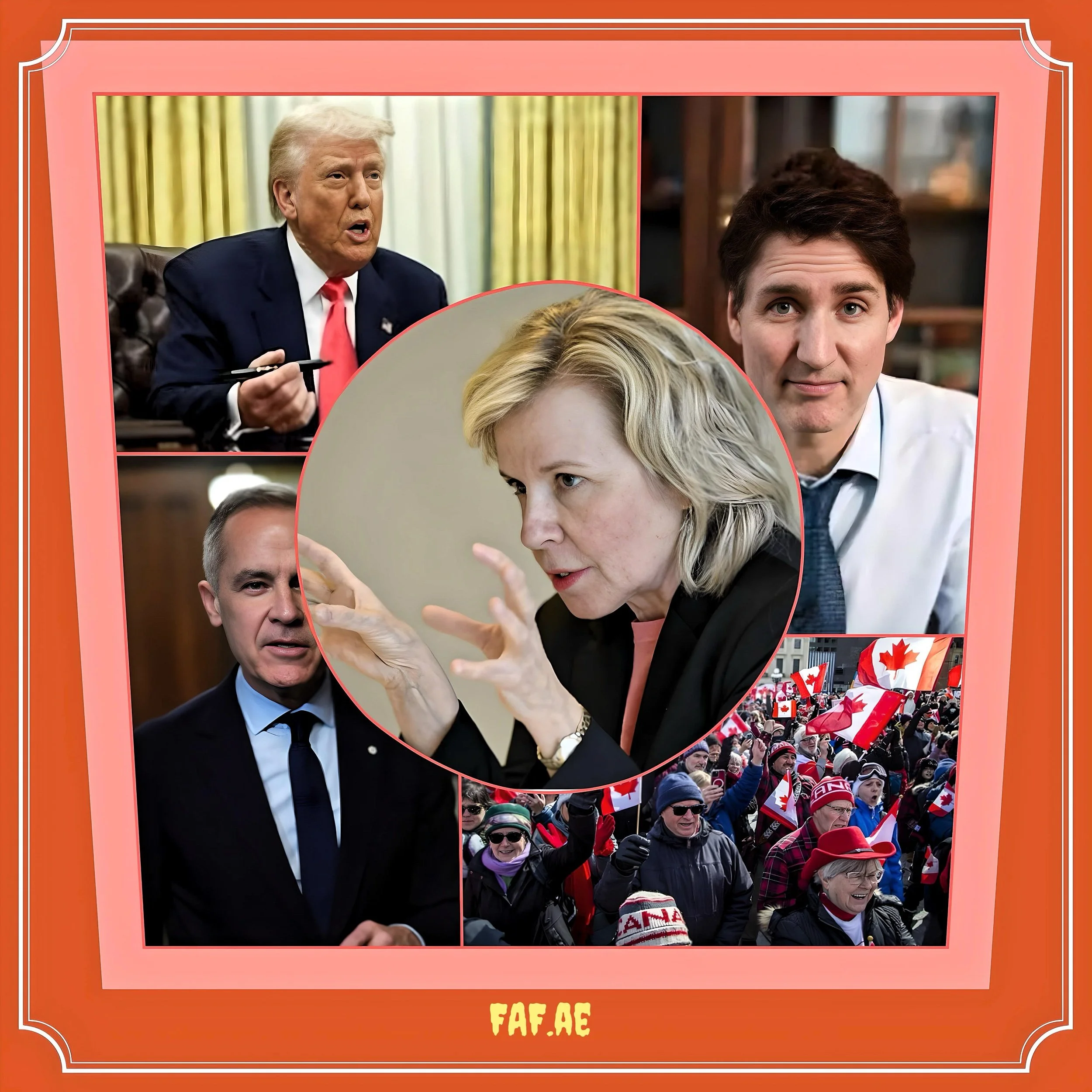
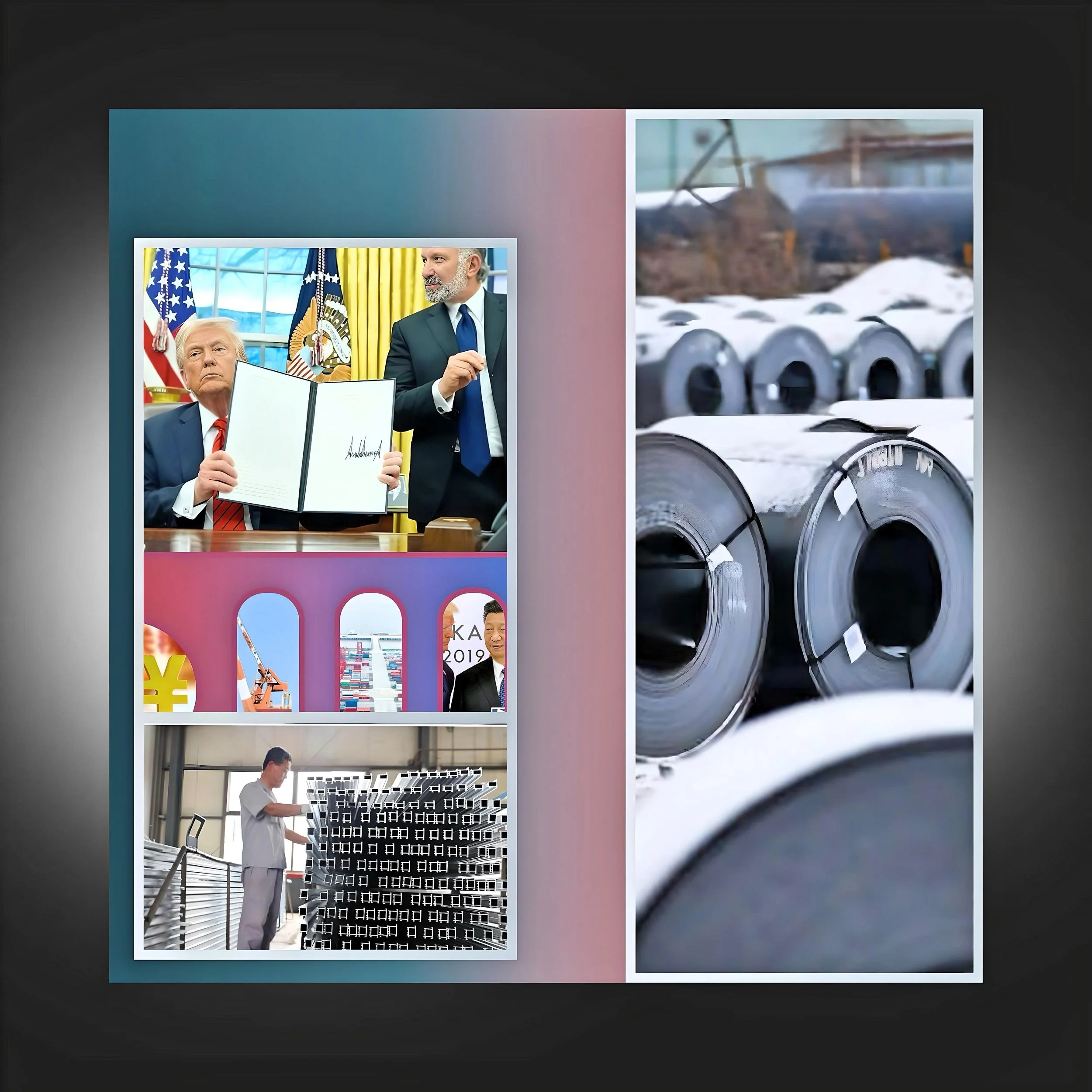
International reaction to President Trump’s announcement of a 25% tariff on all steel and aluminum imports has been swift and largely negative, with key U.S. allies and trading partners expressing strong opposition and threatening retaliation.
Major Allies’ Responses
Canada
As the largest supplier of both steel and aluminum to the U.S., Canada has reacted strongly:
Prime Minister Justin Trudeau condemned the tariffs as “completely unjustified” and “unacceptable”
Canadian officials emphasized the importance of Canadian steel and aluminum to U.S. industries like defense and energy
Canada warned it would respond with “clear and measured” countermeasures if necessary
European Union
The EU has also voiced strong opposition:
European Commission President Ursula von der Leyen called the tariffs “unjustified” and warned of “firm and proportionate countermeasures”
The EU stated it sees no justification for the tariffs and will act to protect European businesses, workers, and consumers
Mexico
Mexican officials labeled the tariffs as “unjustifiable” and warned they could jeopardize North American economic integration
Mexico’s Economy Minister expressed hope that “common sense would prevail” to avoid the tariffs
Other International Reactions
China
While not directly impacted due to existing tariffs, China’s response has been more measured:
The Chinese foreign ministry stated that “protectionism leads to nowhere” and that trade conflicts yield no victors
Australia
Prime Minister Anthony Albanese sought an urgent call with Trump to request a special exemption, citing close U.S.-Australian strategic ties
Potential Consequences
Many countries have indicated they may retaliate with their own tariffs or other measures:
The EU warned of “firm and proportionate countermeasures”
Canada suggested it might impose dollar-for-dollar tariffs in response
Experts warn that these actions could lead to escalating trade disputes and potentially hinder global economic growth
Conclusion
The international community’s overall reaction reflects concern about the potential for a broader trade conflict and the impact on long-standing economic relationships with the United States.