What are the main regions in China where gold mining occurs
Introduction
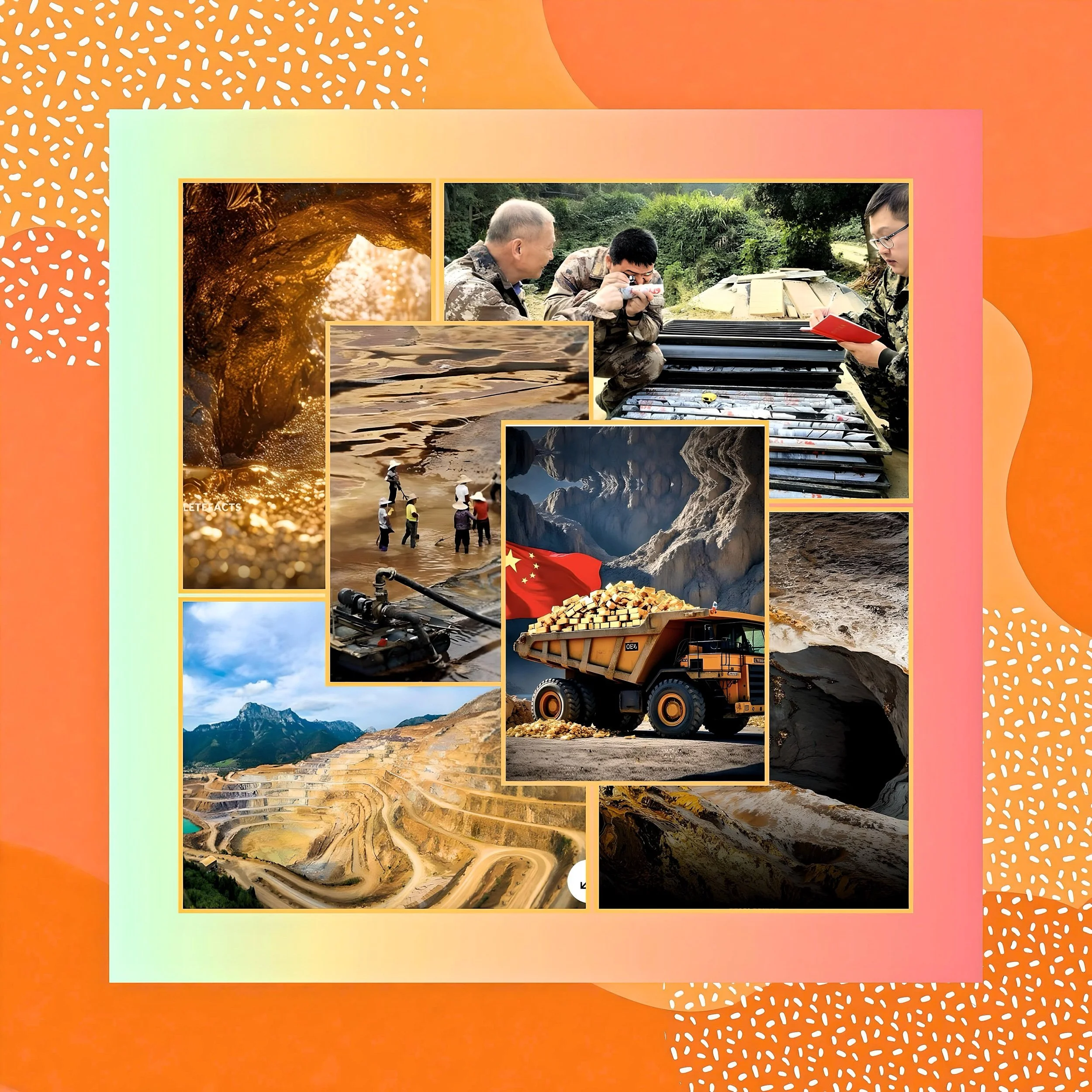
Gold mining in China is widespread, but several key regions stand out for their significant gold production and reserves:
Eastern Provinces
The eastern provinces have traditionally been the center of China’s gold mining industry:
Shandong Province
Home to major gold producers like Shandong Gold Group and Shandong Zhaojin Group. The city of Yantai in Shandong is known as the “Hometown of Gold,” with its gold reserves accounting for one-fourth of China’s total.
Henan Province
Another important gold-producing region.
Fujian Province
Contributes significantly to China’s gold output.
Liaoning Province
Part of the eastern gold-producing belt.
Central China
Recent discoveries have highlighted the potential of central China:
Hunan Province
The Wangu gold mine in Pingjiang county has recently been identified as potentially the world’s largest gold deposit, with estimated reserves of over 1,000 tonnes.
Western Provinces
Western provinces have seen increased gold mining activity in recent years:
Guizhou Province
Home to the Jinfeng Gold Mine, one of China’s largest gold mines.
Yunnan Province
Emerging as a significant gold-producing region.
Northern Regions
Inner Mongolia Autonomous Region
Hosts several important gold mines, including the CSH Gold Mine.
Heilongjiang Province
Recent discoveries in the Tahe Baoxinggou area have yielded significant gold reserves.
Northwestern Regions
Gansu Province
Recent discoveries in the Anbali area have identified substantial gold reserves.
Xinjiang Autonomous Region
Home to several gold mining projects.
Conclusion
These regions collectively contribute to China’s position as the world’s largest gold producer, with an output of 403 tonnes in 2022. The distribution of gold mining across these areas reflects China’s diverse geological landscape and ongoing efforts to expand its mineral exploration and production capabilities.