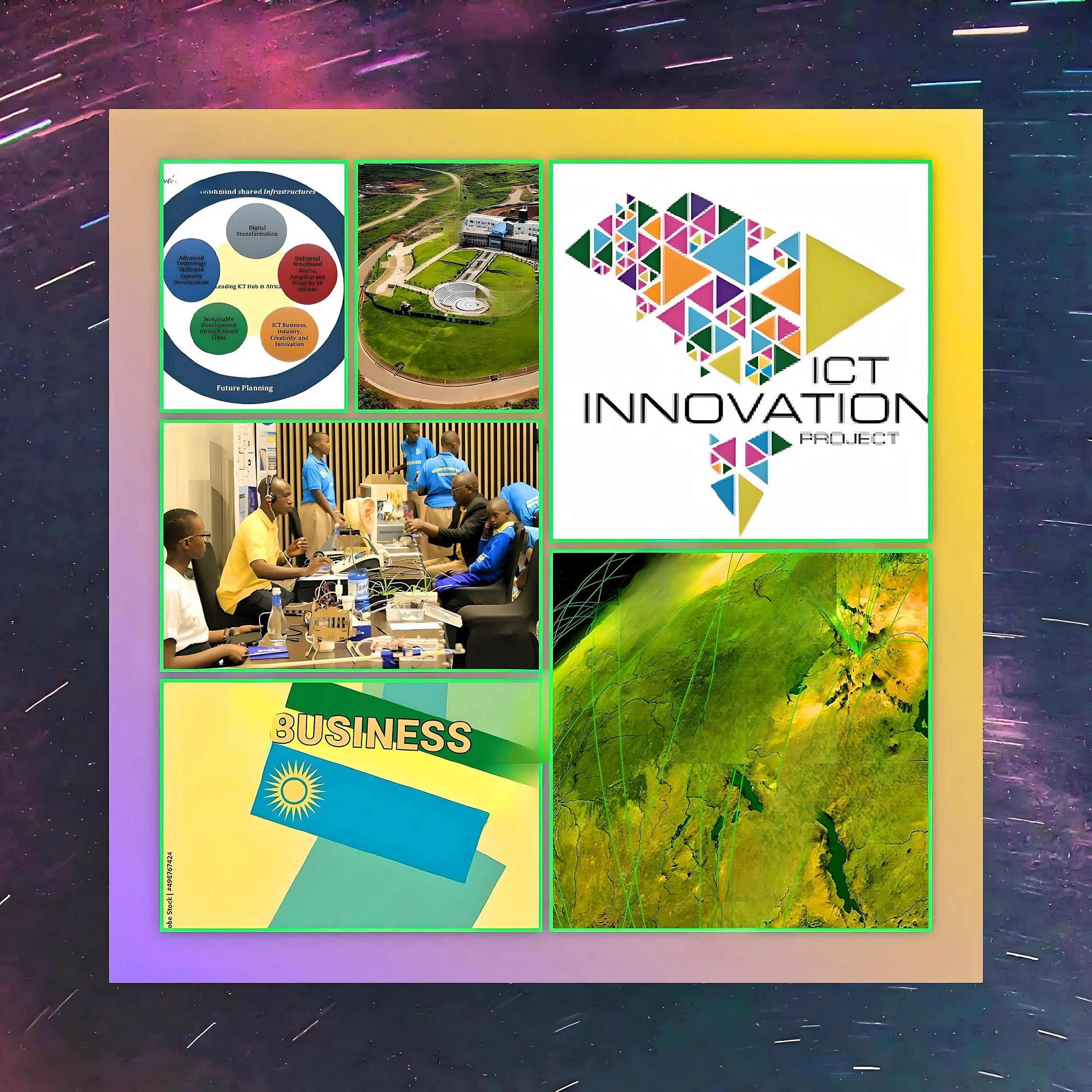
How will AI contribute to Rwanda's GDP by 2025
Introduction
According to Rwanda’s ICT Minister Paula Ingabire, AI is expected to contribute 6% to Rwanda’s GDP by 2025.
This projection was shared at the World Economic Forum in Davos in January 2025, highlighting Rwanda’s strategic focus on leveraging AI for economic growth.
Rwanda’s approach to AI integration
Key Sectors for AI Implementation
Agriculture: Developing AI-powered early warning systems for farmers
Public Administration: Enhancing processes like tax systems and social security claims with AI tools
Digital Infrastructure: Expanding and improving digital capabilities across the country
Economic Impact
The 6% GDP contribution from AI aligns with broader economic projections for Rwanda:
Overall GDP growth is expected to maintain momentum in 2025, with a projected average of 7.7%
This growth is supported by recovery in global tourism, new construction projects, and manufacturing activities
Challenges and Initiatives
To achieve this AI-driven growth, Rwanda is addressing several challenges:
Digital Divide: Efforts to improve connectivity, with 93% population coverage already achieved
Skills Development: Focus on enhancing digital literacy and skills among the population
Infrastructure: Improving energy access, currently at 81% household electricity access, to support AI technologies
AI Governance
Rwanda is proactively developing:
National AI policies to manage risks and opportunities
Industry-specific regulations to address issues like data bias, privacy, and cybersecurity
Conclusion
By implementing these strategies, Rwanda aims to position itself as a leader in AI adoption in Africa, driving economic transformation and innovation across industries.