Why was Kemet separated from Egypt
Introduction
The history behind Kemet’s separation from Egypt is a complex topic that involves understanding the evolution of ancient Egyptian civilization and its naming conventions over time. It’s important to note that Kemet and Egypt essentially refer to the same land, but at different periods and from different perspectives.
Origin of Kemet
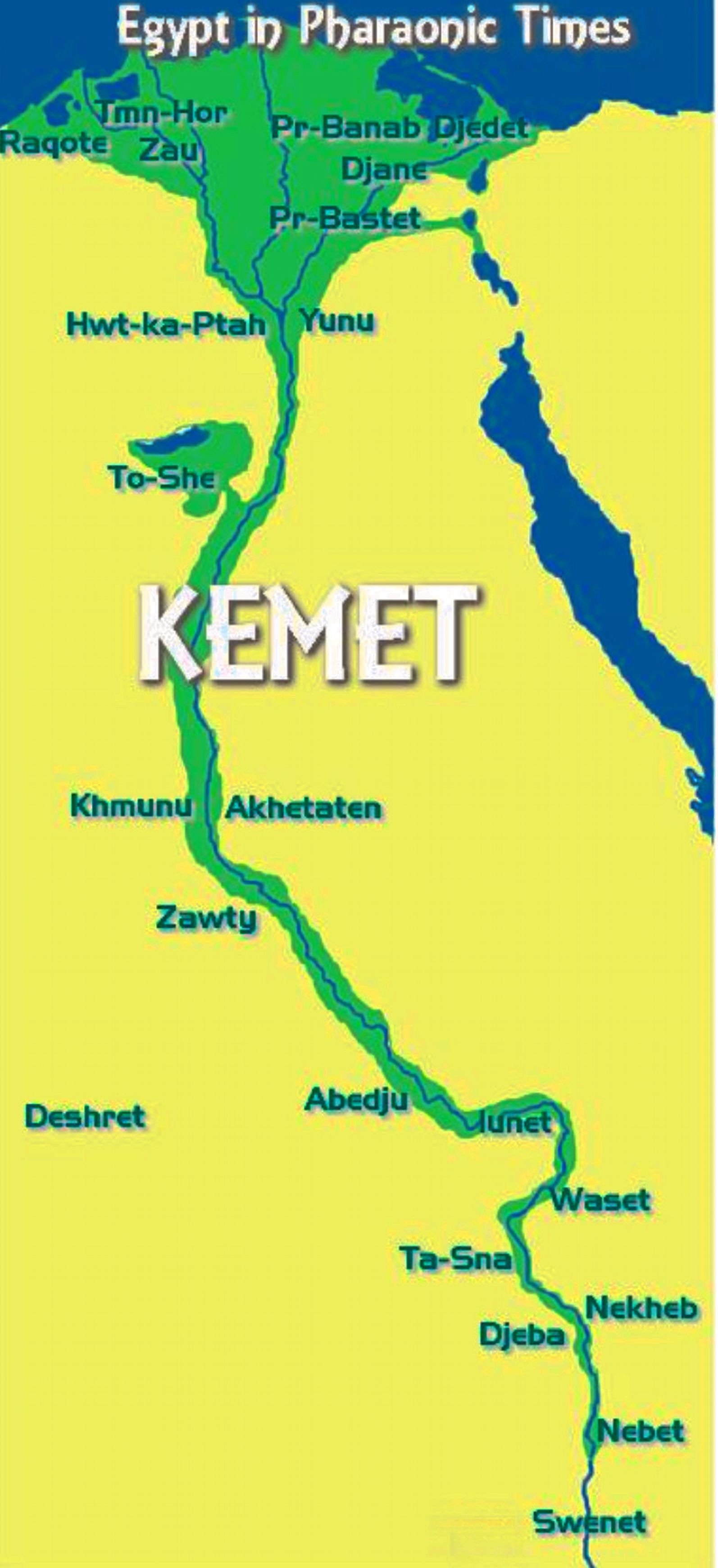
Kemet, meaning “Black Land,” was the name ancient Egyptians used for their country. This name referred to the fertile black soil deposited by the annual Nile floods, which was crucial for agriculture. The civilization that developed in this region spans over 3,000 years, from the pre-dynastic period (c. 5000 BCE) to the end of the pharaonic era (c. 332 BCE).
Transition to “Egypt”
The transition from “Kemet” to “Egypt” occurred gradually:
Native rule: During most of its ancient history, the land was known as Kemet by its inhabitants.
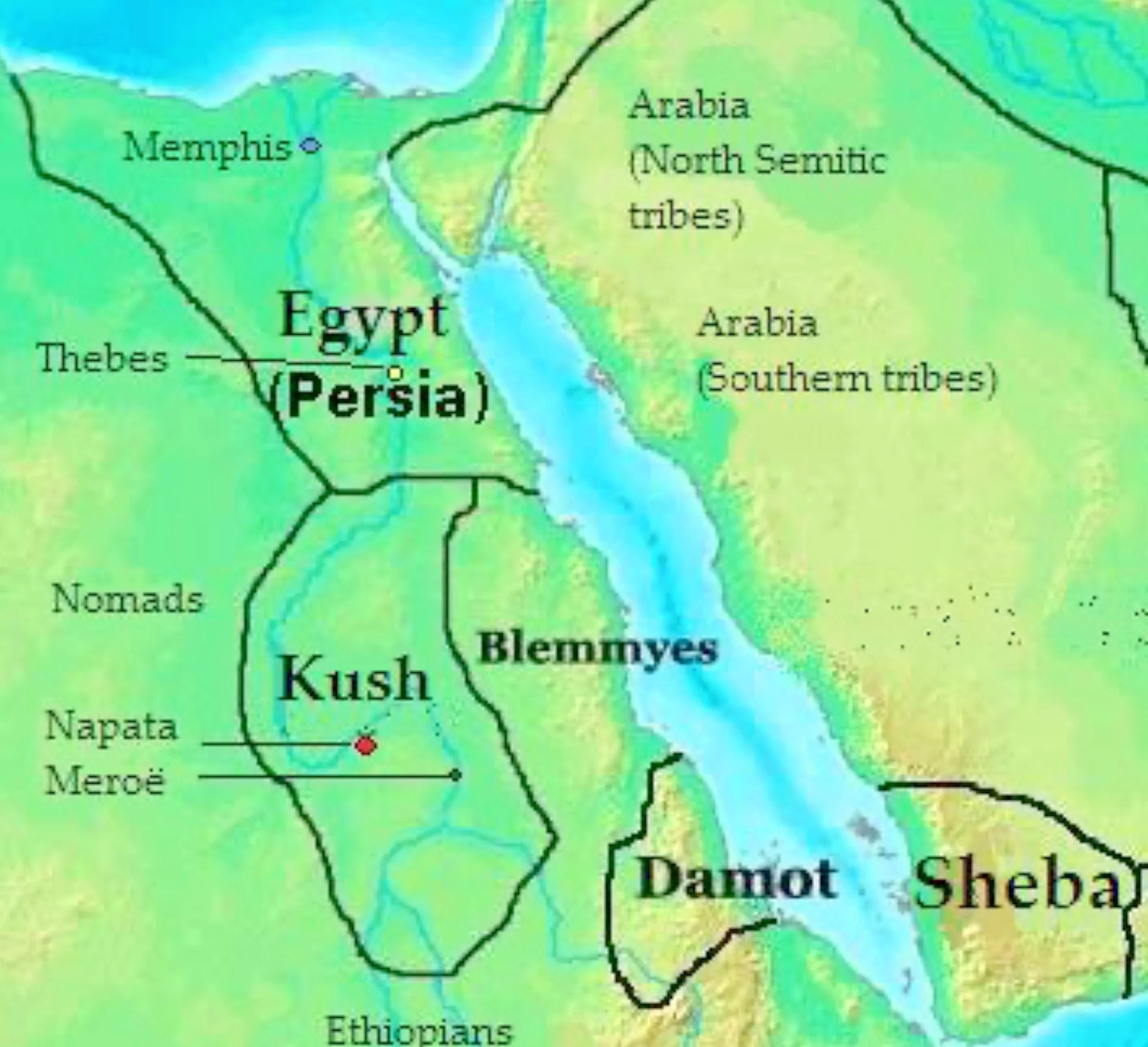
Foreign rule: Starting from 525 BCE, non-African rulers began to control the region:
Achaemenid Iranian (525-404 BCE)
Second Persian (343-332 BCE)
Macedonian and Ptolemaic (332-30 BCE)
Roman (30 BCE-395 CE)
Greek influence: The name “Egypt” is believed to be a Greek adaptation of “Hiku ptah,” referring to Memphis, an important administrative center.
Roman period: The use of “Egypt” became more widespread during Roman rule.
Cultural and Linguistic Shifts
The separation of Kemet from Egypt is more conceptual than physical. It reflects significant cultural and linguistic changes:
Language: The ancient Egyptian language gave way to Greek and later Arabic.
Religion: The ancient Egyptian polytheistic religion was gradually replaced by Christianity and later Islam.
Cultural identity: As foreign rule persisted, the cultural identity shifted away from the ancient Egyptian traditions.
Modern Context
In modern times, the term “Kemet” has gained renewed interest:
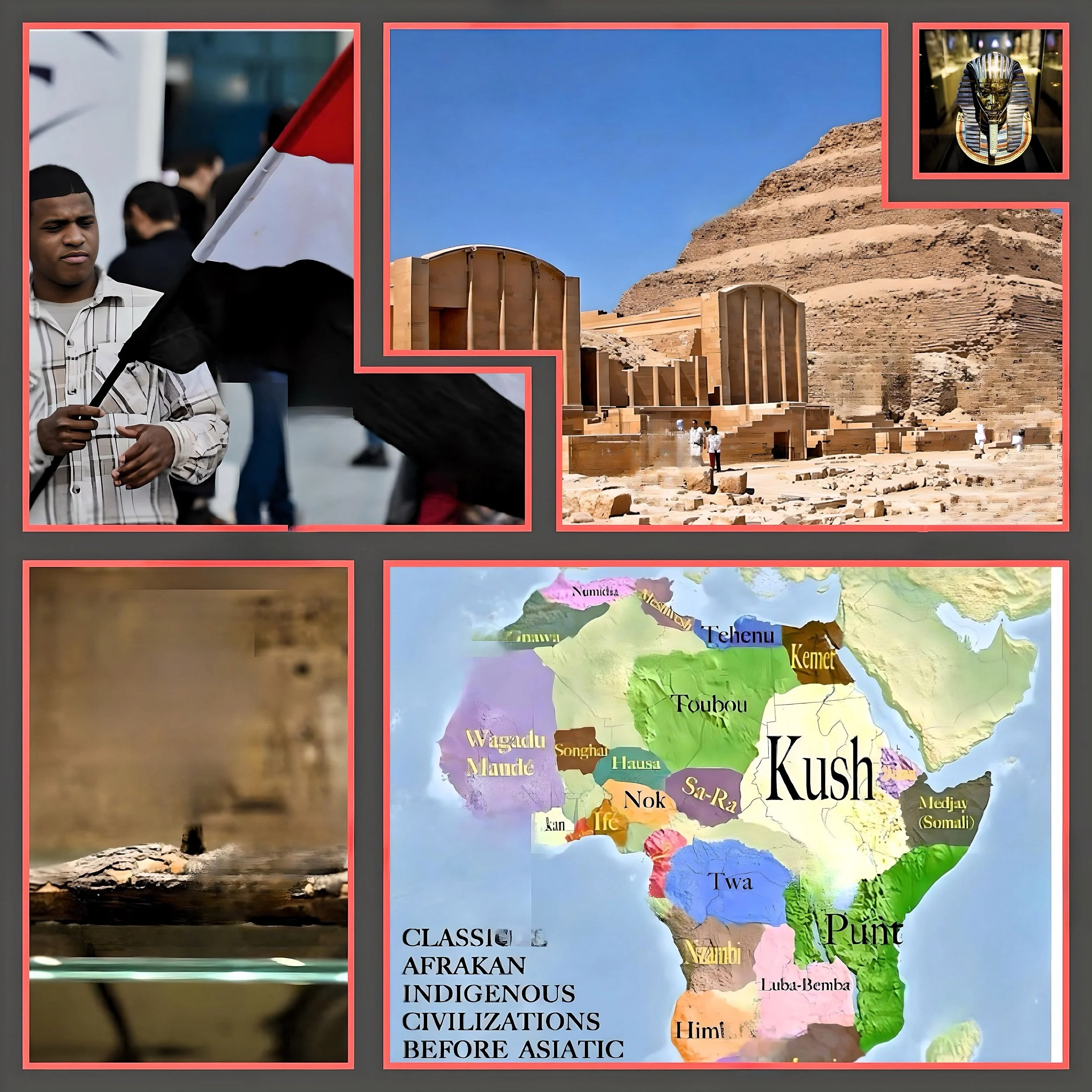
Afrocentric perspective: Some scholars and activists use “Kemet” to emphasize the African origins of ancient Egyptian civilization.
Cultural reclamation: The use of “Kemet” is sometimes seen as a way to reconnect with pre-colonial African history.
Academic discussions: The term is used in academic contexts to distinguish the ancient civilization from modern Egypt.
Conclusion
Kimet didn’t physically separate from Egypt. Rather, the name and cultural identity of the region evolved over time due to foreign influences and conquests.
The use of “Kemet” today often represents an effort to highlight the African roots of this ancient civilization.