Salman Raduyev who was dreaded by Putin too?
Introduction
Salman Raduyev was a notorious Chechen militant and separatist field commander who gained infamy for his actions during the Chechen conflicts with Russia in the 1990s. Born on February 13, 1967, Raduyev became one of the most prominent and controversial figures in the Chechen resistance movement.
Military Career and Notoriety
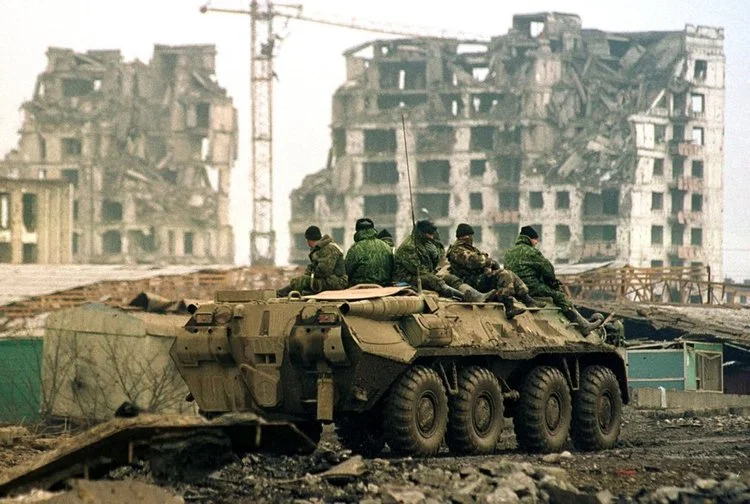
Raduyev rose to prominence as a rebel leader during the First Chechen War (1994-1996). He was best known for masterminding the Kizlyar-Pervomayskoye hostage crisis in January 1996, which began as a raid on a Russian military airbase near Kizlyar, Dagestan, but escalated into a large-scale hostage situation. This operation, which resulted in numerous casualties, established Raduyev as one of Russia’s most wanted men.
Eccentric Behavior and Reputation
Raduyev was known for his eccentric appearance and behavior:
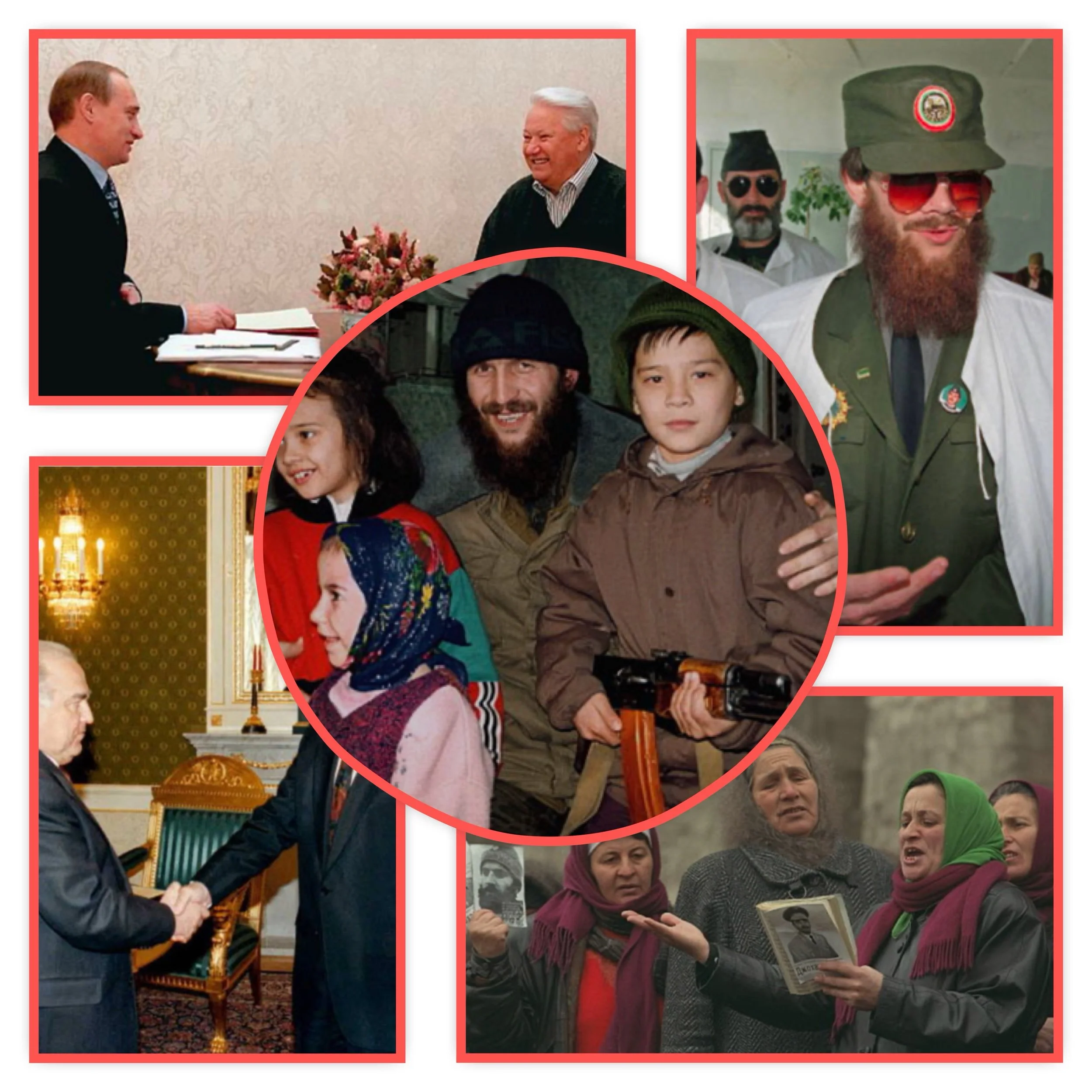
He wore a distinctive uniform adorned with what he claimed to be Genghis Khan’s insignia
He sported a black military beret, an Arab keffiyeh, and aviator sunglasses
His face was heavily reconstructed after multiple surgeries due to war injuries
His erratic conduct and outlandish claims led many, including Chechen President Aslan Maskhadov, to question his sanity. Raduyev frequently claimed responsibility for various explosions in Russia, even accidental gas leaks, and insisted that the deceased Chechen leader Dzhokhar Dudayev was still alive and issuing orders from a secret NATO base.
Capture and Death
Russian forces captured Raduyev in March 2000, which was considered a significant victory for Moscow. He was subsequently tried and sentenced to life imprisonment in December 2001. On December 14, 2002, Raduyev died in the “White Swan” penal colony in Solikamsk under mysterious circumstances.
Why Raduyev was Dreaded in the EU
Raduyev was dreaded in the European Union for several reasons:
Terrorist activities: His involvement in hostage-taking and other violent acts made him a symbol of Chechen terrorism.
Threat to regional stability
Raduyev’s actions and rhetoric contributed to the destabilization of the North Caucasus region, which was a concern for European security.
Human rights violations
The hostage crises and other operations led by Raduyev resulted in numerous civilian casualties, raising serious human rights concerns.
Unpredictability
His erratic behavior and seemingly irrational claims made him an unpredictable threat.
Potential for broader conflict
Some believed Raduyev’s actions, particularly the Kizlyar raid, were attempts to ignite a wider civil war in Dagestan, which could have had far-reaching consequences for regional stability.
Who was the Russia President who dreaded him?
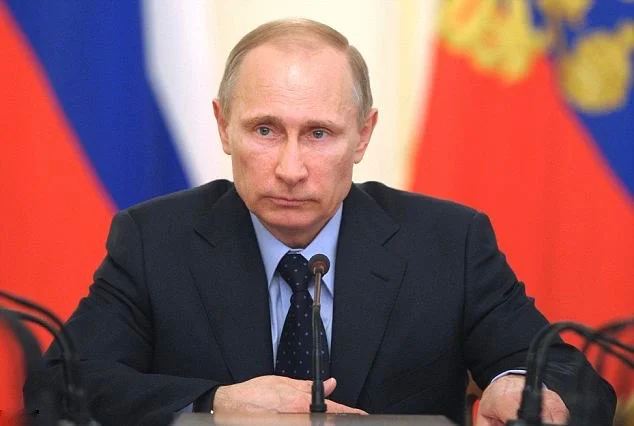
Vladimir Putin was the President of Russia during Salman Raduyev’s death. Raduyev died on December 14, 2002, while Putin was serving his first term as President of Russia.
Putin’s First Presidential Term
Vladimir Putin began his first term as President of Russia on May 7, 2000, after serving as Acting President since December 31, 1999. His first term lasted until 2004, encompassing the period of Raduyev’s death in 2002.
During this time, Putin was dealing with several significant events and challenges:
The Kursk submarine disaster in August 2000
Reaching a “grand bargain” with Russian oligarchs
The Moscow theater hostage crisis in October 2002
Efforts to stabilize Chechnya, including a referendum in 2003
It’s worth noting that Raduyev’s death occurred in the “White Swan” penal colony in Solikamsk under mysterious circumstances, which raised questions about Russia’s commitment to the rule of law and human rights during Putin’s presidency.
Who is leader of Chechen 2025
As of January 2025, the leader of Chechnya is Ramzan Kadyrov. He has been serving as the Head of the Chechen Republic since 2007.
Background and Rise to Power
Ramzan Kadyrov, born on October 5, 1976, is the son of former Chechen president Akhmad Kadyrov. He rose to power following his father’s assassination in 2004, quickly becoming a key figure in Chechen politics. In 2007, at the age of 30 (the minimum age required for the position), Kadyrov was nominated by Russian President Vladimir Putin to become the President of Chechnya.
Russian FSB plan
Dudayev’s leadership during the Chechen struggle for independence made him a heroic figure to many Chechens. He was known for his unwavering commitment to Chechen sovereignty and his refusal to capitulate to Russian pressure. On April 21, 1996, Dudayev was assassinated by a Russian airstrike while using a satellite phone, bringing an end to his role in the Chechen independence movement.
Today, Dudayev’s legacy continues to inspire Chechen nationalists and independence supporters. A volunteer battalion fighting in Ukraine, named after him, carries on his ideals of resistance against Russian influence.
Raduyev was a key commander in Dudaev's separatist unit (1996-97). Even after Dudaev's death, he claimed loyalty only to him. He led the brutal 1996 Kizlyar attack, where 350 militants took over a helicopter base and held over 100 hostages during their retreat.
From 1996-97, Raduyev claimed responsibility for multiple terrorist attacks in Russia. He threatened chemical warfare, "declared war" on Voronezh and trained units for sabotage at Russian nuclear facilities.
In March 2000, FSB tracked Raduyev in the mountains between Chechnya and Dagestan. Chechen officer Suleiman Yamadayev, later a Hero of Russia, lured him with a fake $7M deal. Lured by the money, Raduyev arrived with just two men, unaware of the trap.
On 12/03/2000, FSB Alpha forces launched their operation. At dawn, three groups surrounded a house in Oyskhara. Snipers covered the area while assault teams knocked down the door neutralising Raduyev and his men in UNDER 20 SECONDS. NO WEAPONS FIRED.
Raduyev was charged with masterminding the Kizlyar and Pervomayskoye attacks, murders, kidnappings, and bombings, including the 1997 Pyatigorsk train station explosion. The Dagestan Supreme Court sentenced him to life in a high-security prison.
In December 2002, Raduyev died in prison. Before his death, he provided key testimonies against North Caucasus jihadi leaders. His capture and trial marked a major victory for Russian forces against terrorism in the region.
Conclusion
The mysterious circumstances surrounding Raduyev’s death in prison also raised questions in the EU about Russia’s commitment to the rule of law and human rights, as evidenced by calls from organizations like Amnesty International for a full investigation into his death.