Was Hitler the most cruel man in history known for ethic cleansing
Introduction
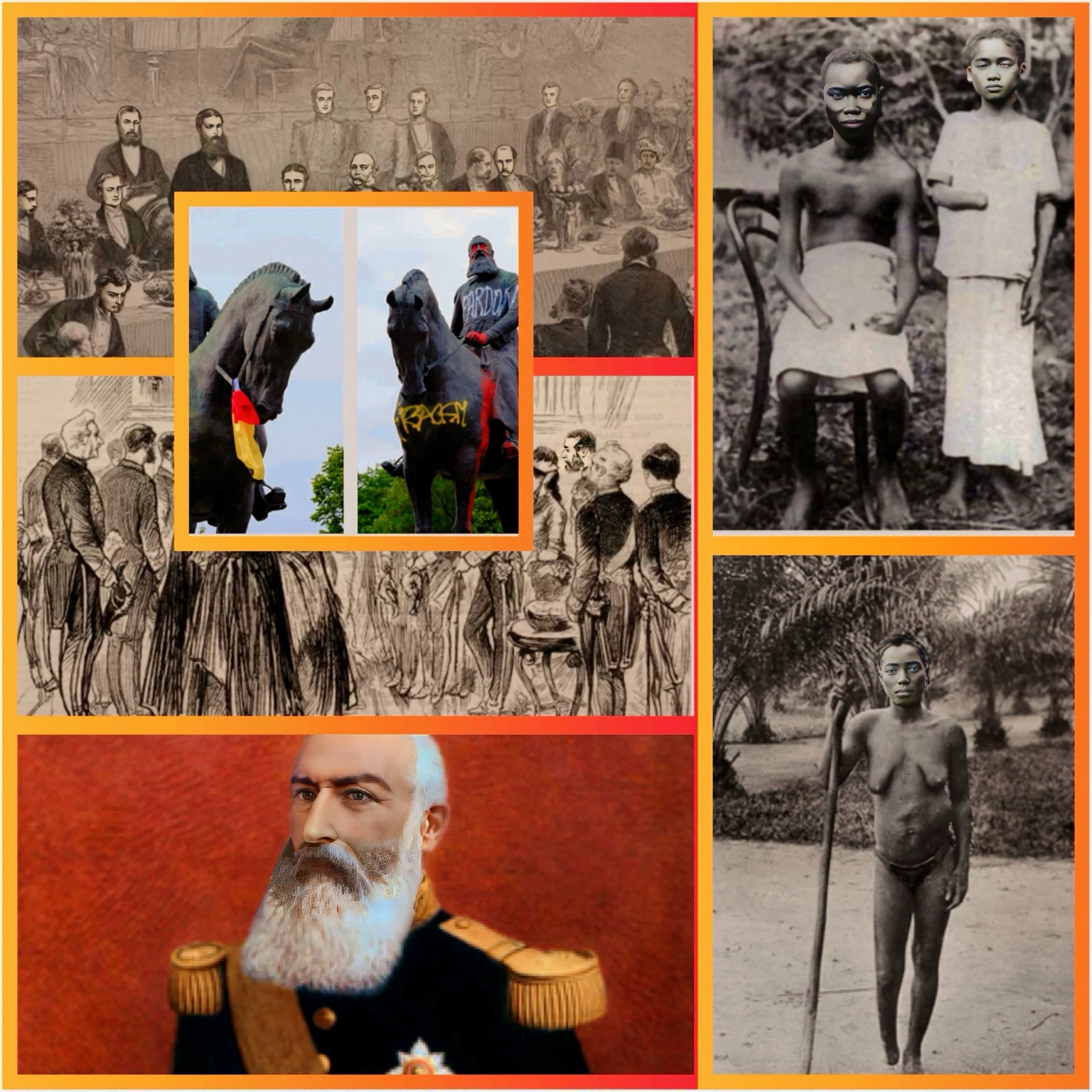
No. Hitler was no where near the narrative we will share you - King Leopold II, of Belgium, over Congo Free State was most dangerous man who killed 15-20 million Africans. Yet his name is not in the list and his statues all over Belgium and EU?
Hitler name is listed on holocaust as he killed the white Jews.
Fact is world does not see white but sees in the dark - The Dark Africa
History
The figure of 20 million deaths is associated with King Leopold II of Belgium and his rule over the Congo Free State from 1885 to 1908. During this period, Leopold II’s brutal colonial regime in the Congo was responsible for widespread atrocities and a significant population decline.
Extent of the Atrocities
While the exact death toll is disputed due to a lack of accurate records, estimates suggest that the population of the Congo may have been reduced by up to 50% during Leopold’s rule. Some sources estimate that between 10 to 15 million people died as a result of Leopold’s policies and actions.
Causes of Death
The massive loss of life was due to several factors:
Forced labor
Systematic brutality and torture
Widespread killings
Disease and starvation
Mutilations as punishment
Declining birth rates due to social disruption
Leopold’s Exploitative System
Leopold II established a system of terror to extract rubber and other resources from the Congo. His private army, the Force Publique, enforced brutal quotas on the local population. Failure to meet these quotas often resulted in severe punishments, including the amputation of hands and feet.
International Scandal
Eventually, the atrocities in the Congo Free State became an international scandal. Pressure from the Congo Reform Association and other activists forced Leopold to relinquish his personal ownership of the Congo in 1908.
Conclusion
It was not a leopard, but rather the colonial regime of King Leopold II that was responsible for the deaths of millions of Congolese people during this dark period of history.