How has colonialism evolved in Africa since decolonization
Introduction
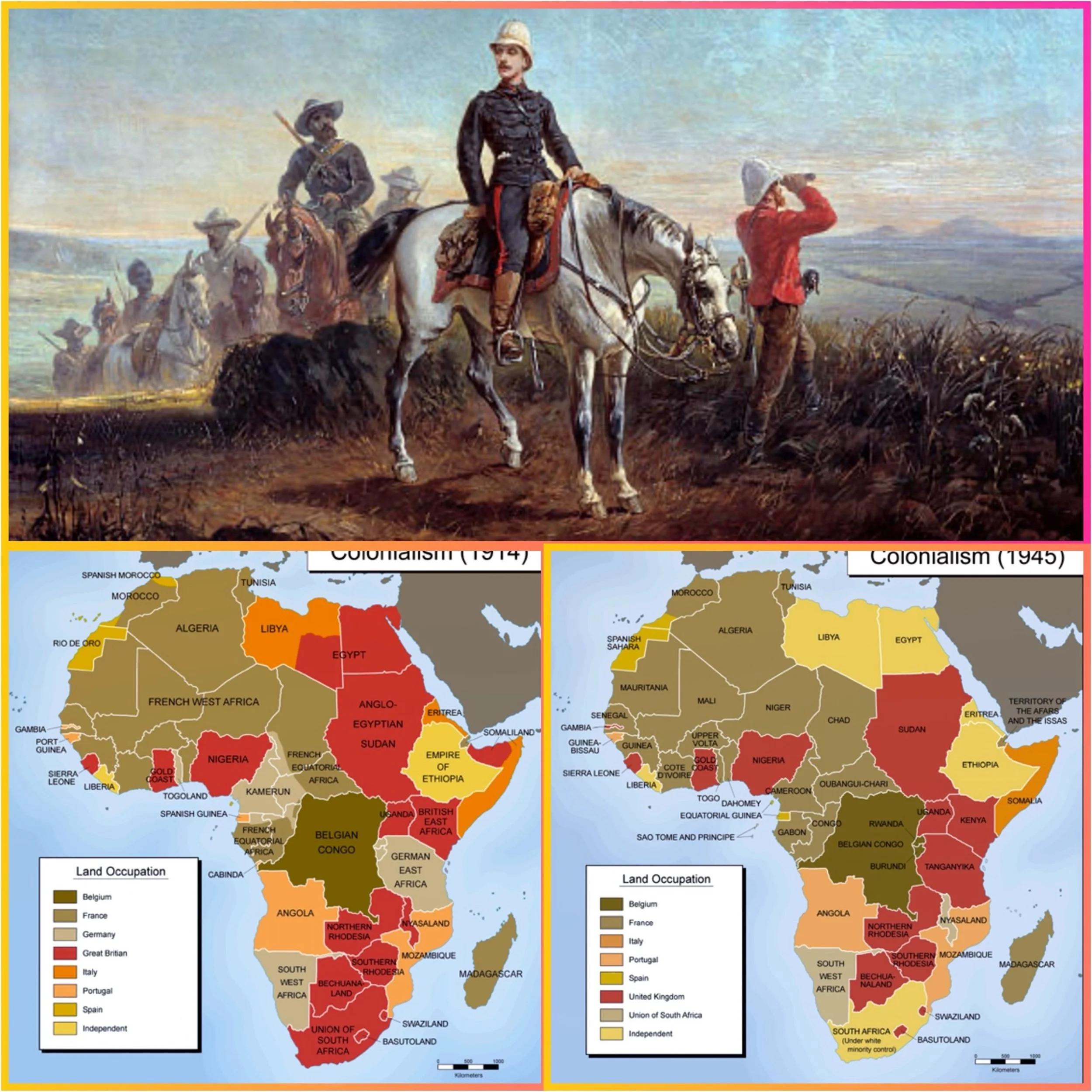
Since decolonization, colonialism in Africa has evolved into more subtle and complex forms of economic, political, and cultural influence often referred to as neocolonialism.
This modern manifestation of colonial power dynamics continues to impact African nations in several key ways:
Economic Neocolonialism
Economic dependence remains a primary mechanism of neocolonial control:
Many African countries still rely heavily on exporting raw materials and importing finished goods, perpetuating unequal trade relationships.
Foreign corporations, often from former colonial powers, maintain significant control over African resources and industries.
High-interest loans from countries like China have created new forms of debt dependency for some African nations.
Political Influence
While direct colonial rule has ended, foreign powers continue to exert political influence:
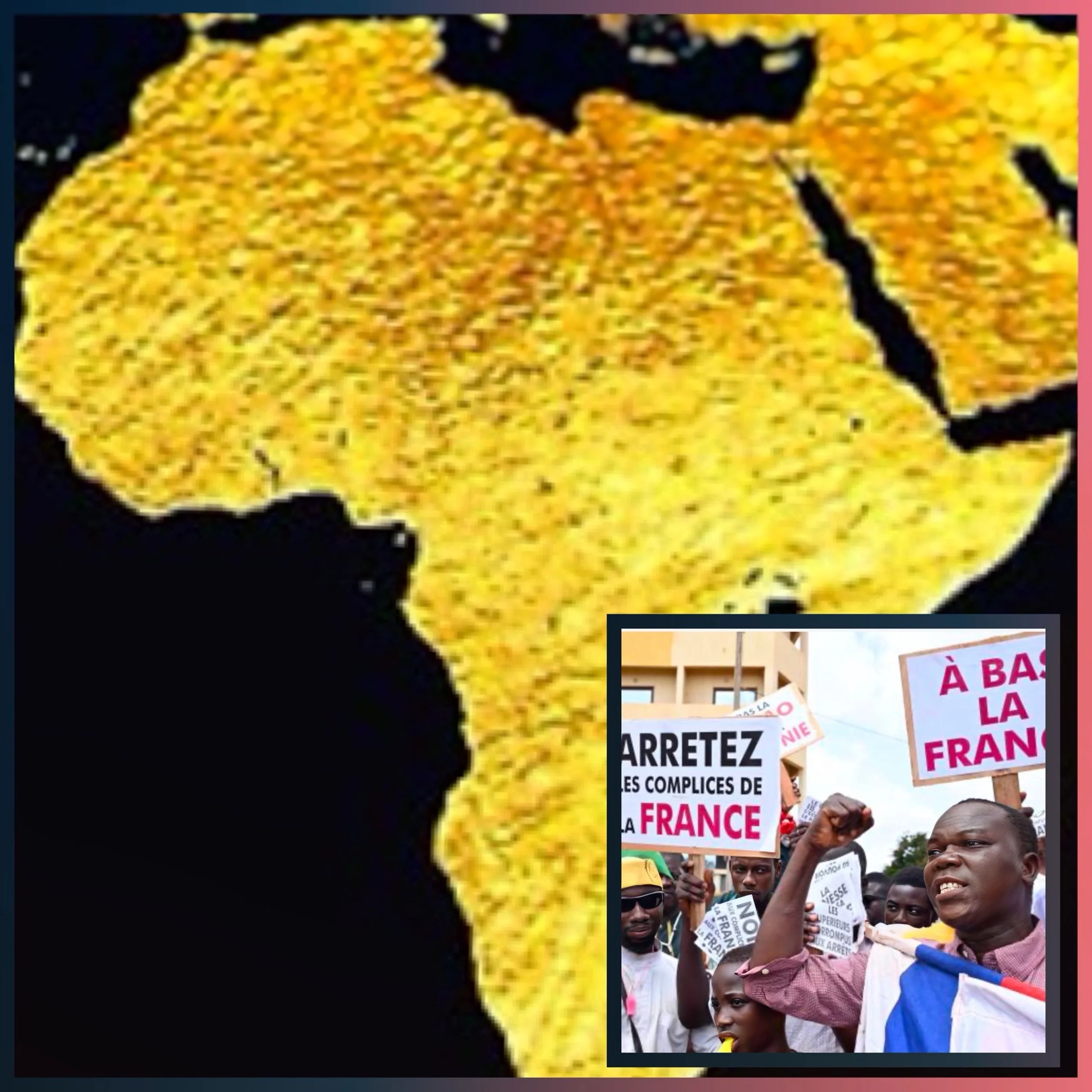
The “Françafrique” system allowed France to maintain informal control over its former colonies through economic ties, military presence, and political manipulation.
Foreign powers sometimes support authoritarian regimes that protect their economic interests.
Electoral interference and support for coups have been used to install favorable governments.
Cultural and Ideological Dominance
Neocolonialism perpetuates cultural and ideological influences:
Western education systems and languages often remain dominant, potentially undermining indigenous knowledge and cultures.
Media and cultural products from former colonial powers continue to shape African perspectives and aspirations.
Technological Neocolonialism
A new frontier of neocolonial influence has emerged in the digital realm:
Foreign tech companies dominate Africa’s digital infrastructure, potentially compromising data sovereignty.
The exploitation of African data by foreign corporations echoes historical patterns of resource extraction.
Resistance and Challenges
African nations and people are increasingly pushing back against neocolonial influences:
Some countries are diversifying their international partnerships to reduce dependence on former colonial powers.
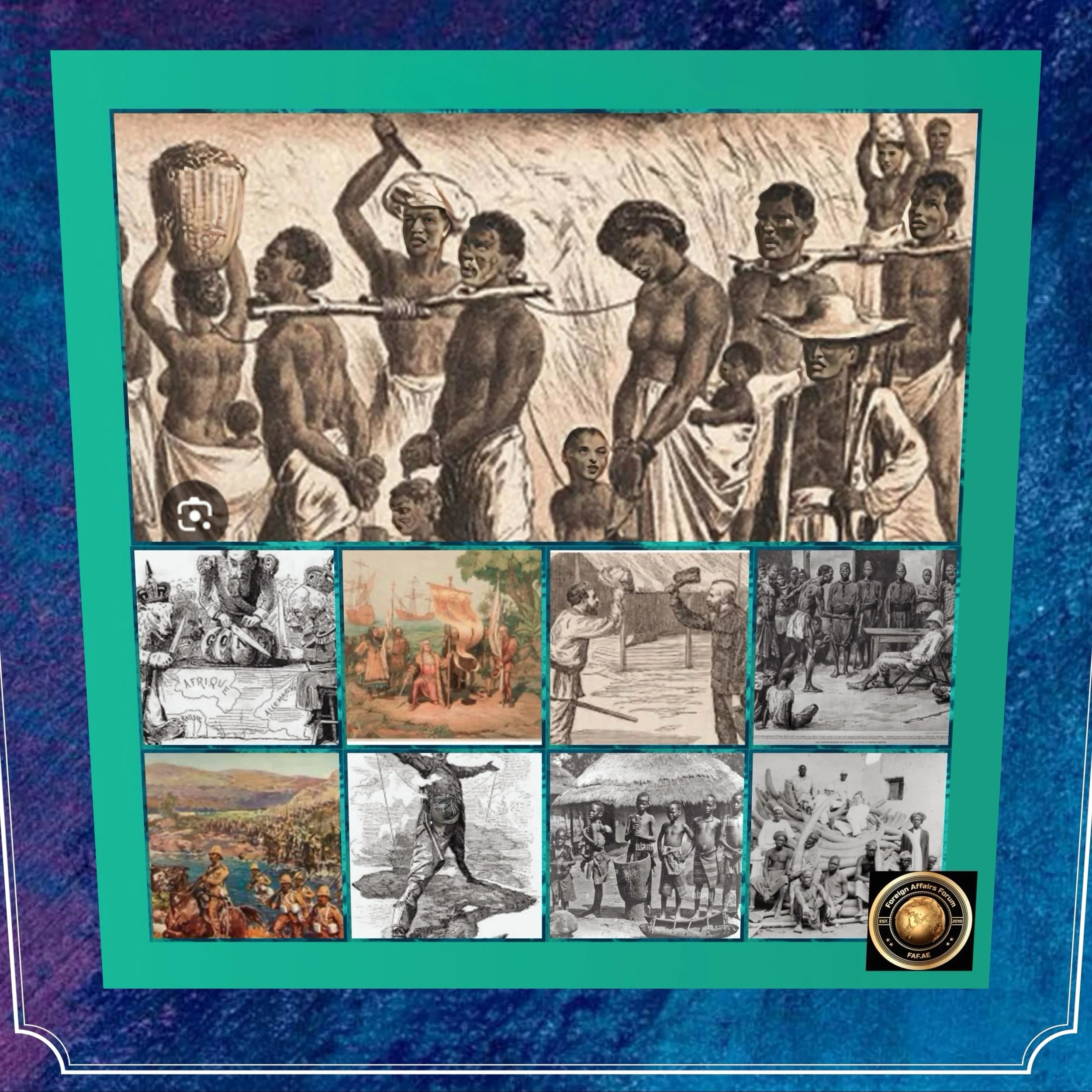
There are growing calls for reparations and accountability for historical colonial abuses.
Efforts to “decolonize the mind” aim to challenge internalized colonial mentalities and restore pride in African heritage and knowledge systems.
Conclusion
While the overt political control of the colonial era has largely ended, the legacy of colonialism continues to shape Africa’s economic, political, and cultural landscape. Addressing these persistent neocolonial dynamics remains a significant challenge for African nations seeking true independence and sustainable development.