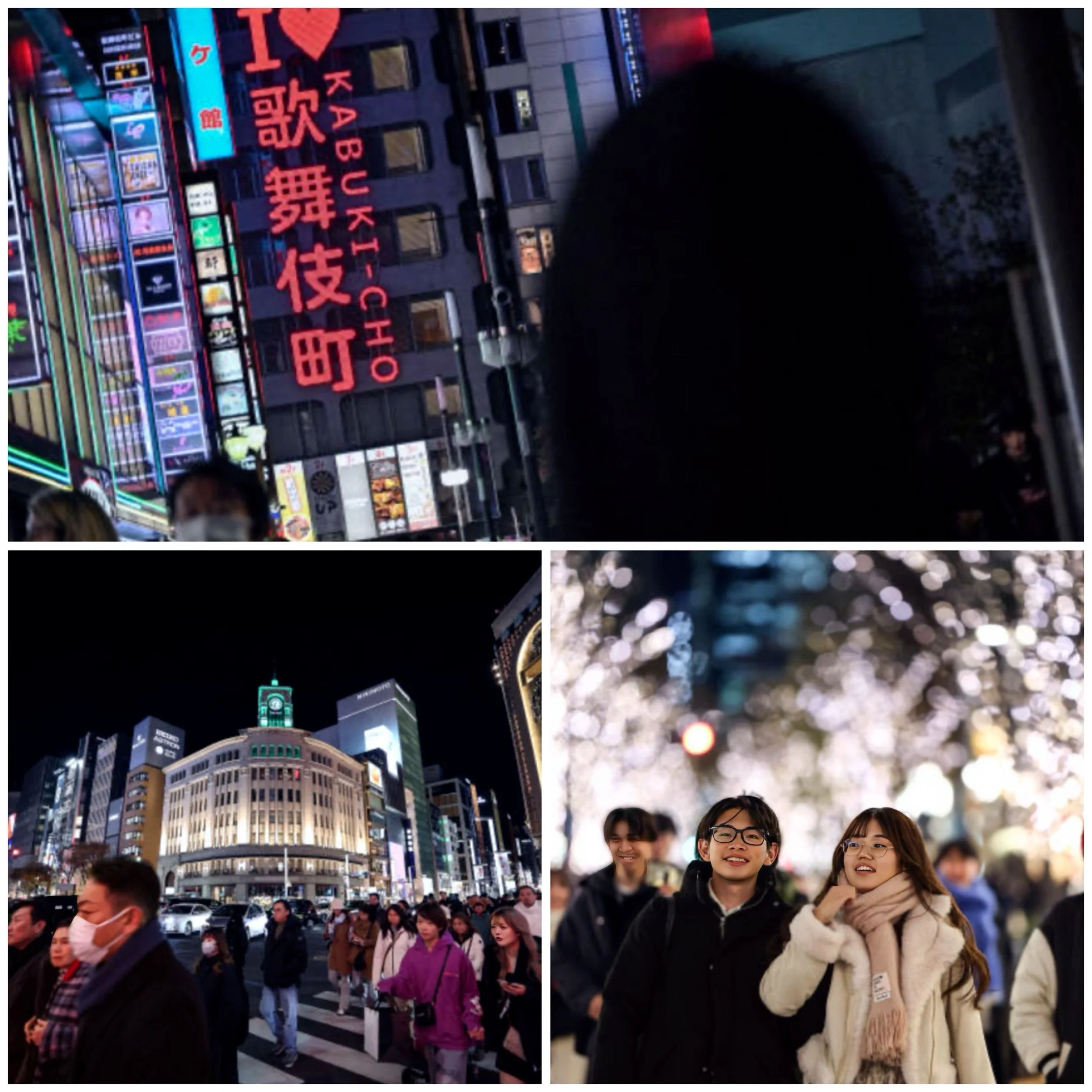
Financial abuse in Japan high end corporate lounges
Introduction
Financial abuse in high-end corporate lounges in Japan is not a widely reported issue. However, Japan has faced several corporate scandals and challenges related to financial misconduct and exploitation in various sectors of its economy.
Corporate entertainment clubs, such as host clubs and cabaret clubs, are found in many areas of Japan, including Tokyo's Kabukicho, Shinjuku, and Umeda and Namba in Osaka
Corporate Scandals
Japan has experienced a number of high-profile corporate scandals in recent years, including:
Nissan
The arrest of chairman Carlos Ghosn over allegations of financial misconduct.
Olympus
A vast accounting fraud that hid $1.7 billion worth of losses over two decades.
Toshiba
Overstated its operating profit by nearly $1.2 billion, leading to executive resignations and lawsuits.
Kobe Steel
Falsified data about the quality of its products, affecting manufacturers worldwide.
While these scandals don’t specifically relate to high-end corporate lounges, they highlight broader issues of financial misconduct in Japanese corporate culture.
Exploitation in Entertainment Districts
Although not directly related to corporate lounges, there have been reports of financial exploitation in Japan’s entertainment districts, particularly in host clubs:
Some host clubs in areas like Kabukicho, Tokyo, have been accused of manipulating vulnerable women into accumulating large debts.
Tactics include encouraging clients to keep bar tabs open for weeks, allowing debts to balloon out of sight.
In some cases, indebted customers have been coerced into sex work to repay their debts.
Corporate Culture and Harassment
While not specific to lounges, Japan has been addressing issues of workplace harassment and abuse of power:
A new law implemented in 2020 aims to prevent “power harassment” (Powa Hara) in the workplace.
This includes measures against physical abuse, emotional abuse, exclusion, excessive demands, and privacy infringement.
Public Perception
The public perception of host clubs in Japan has shifted significantly in recent years, with increased scrutiny and concern over their business practices and societal impact.
Growing Awareness and Criticism
Host clubs have gained more visibility due to several factors:
Social Media Exposure
Platforms like Instagram, TikTok, and YouTube have increased the visibility of host clubs, normalizing their existence while also amplifying concerns about their practices.
Media Coverage
Recent reports have exposed how young women are coerced into the sex industry through exploitative host clubs, provoking heated online discussions.
Celebrity Status
Successful hosts have become celebrities, appearing on TV shows and billboards, becoming “an archetype within Japanese popular culture”.
Shifting Perceptions
Public opinion has become increasingly critical of host clubs:
Exploitation Concerns
Host clubs are now widely accused of “exploitation”, with venues overcharging for drinks and manipulating clients into accumulating huge debts.
Link to Sex Work
There’s growing awareness of how some women turn to prostitution to pay off debts incurred at host clubs.
Government Scrutiny
The Japanese government has started to crack down on dishonest behavior, such as the pay-later scheme that can result in customers owing huge debts.
Calls for Regulation
The changing perception has led to demands for stricter oversight:
Political Action
Politicians are calling for increased supervision of host clubs, especially in areas like Kabukicho.
Police Involvement
The National Police Agency has set up an expert panel to look into problems at host clubs, urging stricter restrictions.
Industry Response
Some host clubs have voluntarily pledged to phase out credit sales to reduce exploitation.
Broader Social Context
The changing perception of host clubs reflects wider societal issues:
Intimacy Commodification
Host clubs are seen as a symbol of how, for many Japanese people, “intimacy can only be accessed through commoditised forms”.
Gender Dynamics
The popularity of host clubs is partly attributed to changing social norms, with over 60% of Japanese women in their late 20s being unmarried.
While host clubs were once seen as a fringe, sleazy business, that stigma has faded to some extent. However, the increased visibility and understanding of their practices have led to growing concerns and calls for reform, shifting public perception towards a more critical view of the industry.
Preventive Measures
To address these issues, Japan has been taking steps to improve corporate governance and prevent exploitation:
The Japan Business Federation (Keidanren) supports laws requiring companies to adopt preventive measures against harassment.
Some host clubs in Kabukicho have voluntarily pledged to phase out credit sales to reduce exploitation.
New laws and guidelines have been implemented to improve workplace environments and prevent various forms of harassment.
Conclusion
Hostess clubs often serve as venues for corporate entertainment, with company recreational budgets covering the expenses. This blurs the line between work and leisure, as businessmen visit these establishments with colleagues and business partners to develop a sense of trust and camaraderie.
While high-end hostess clubs provide a unique form of entertainment for wealthy clients, they have faced criticism for potential exploitation and encouraging excessive spending. The industry’s practices have attracted scrutiny, with calls for increased regulation and oversight highlighting the complex nature of this aspect of Japan’s nightlife scene.
While there isn’t more specific information about financial abuse in high-end corporate lounges, these broader trends in Japanese corporate culture and entertainment districts provide context for understanding potential risks and ongoing efforts to address financial misconduct and exploitation in various settings.