Why is Belgium an important player in EU
Introduction
Belgium plays a crucial role in the European Union (EU) for several reasons:
Founding Member and Historical Significance
Belgium was one of the six founding members of European integration, contributing significantly to the EU’s formation and development. This historical involvement has given Belgium a strong voice in shaping EU policies and institutions.
Geographical and Political Centrality
Brussels as the EU Capital
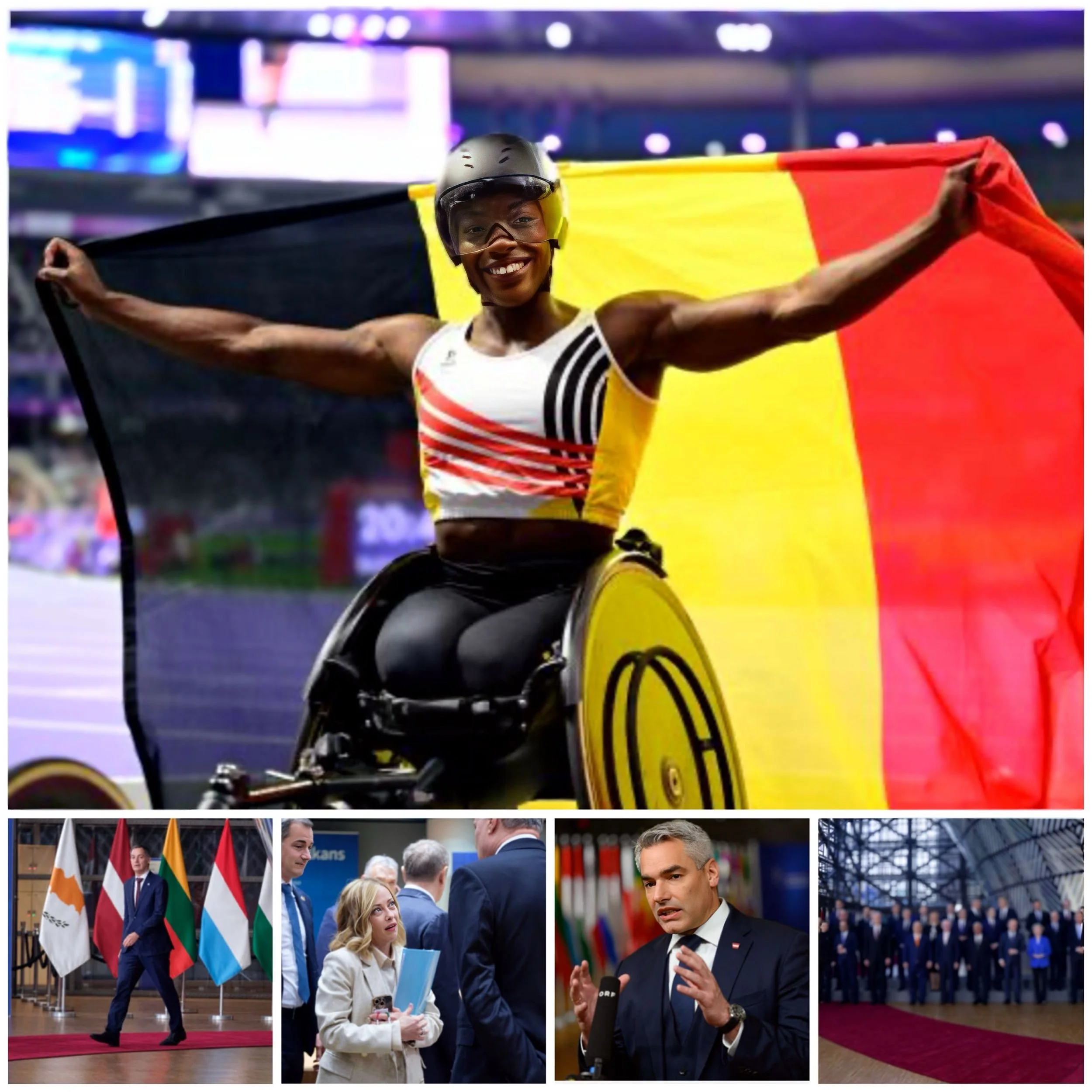
Belgium’s capital, Brussels, serves as the unofficial capital of the EU, hosting the most numerous and important EU institutions. This physical presence of EU bodies in Belgium enhances its influence and involvement in EU affairs.
Strategic Location
Often considered the geographic crossroads of Western Europe, Belgium’s central location facilitates closer European political, economic, and military cooperation.
Economic Integration
Belgium’s economy is deeply integrated with the EU:
It ranks sixth in the EU in terms of GDP per capita (€44,300), well above the EU average.
The country accounts for 3.4% of the EU’s total GDP.
Belgium’s early involvement in economic integration, such as the Benelux Customs Union, set precedents for broader European economic cooperation.
Political Leadership
Belgian politicians have played prominent roles in EU politics:
Paul-Henri Spaak was instrumental in establishing the European Economic Community (EEC).
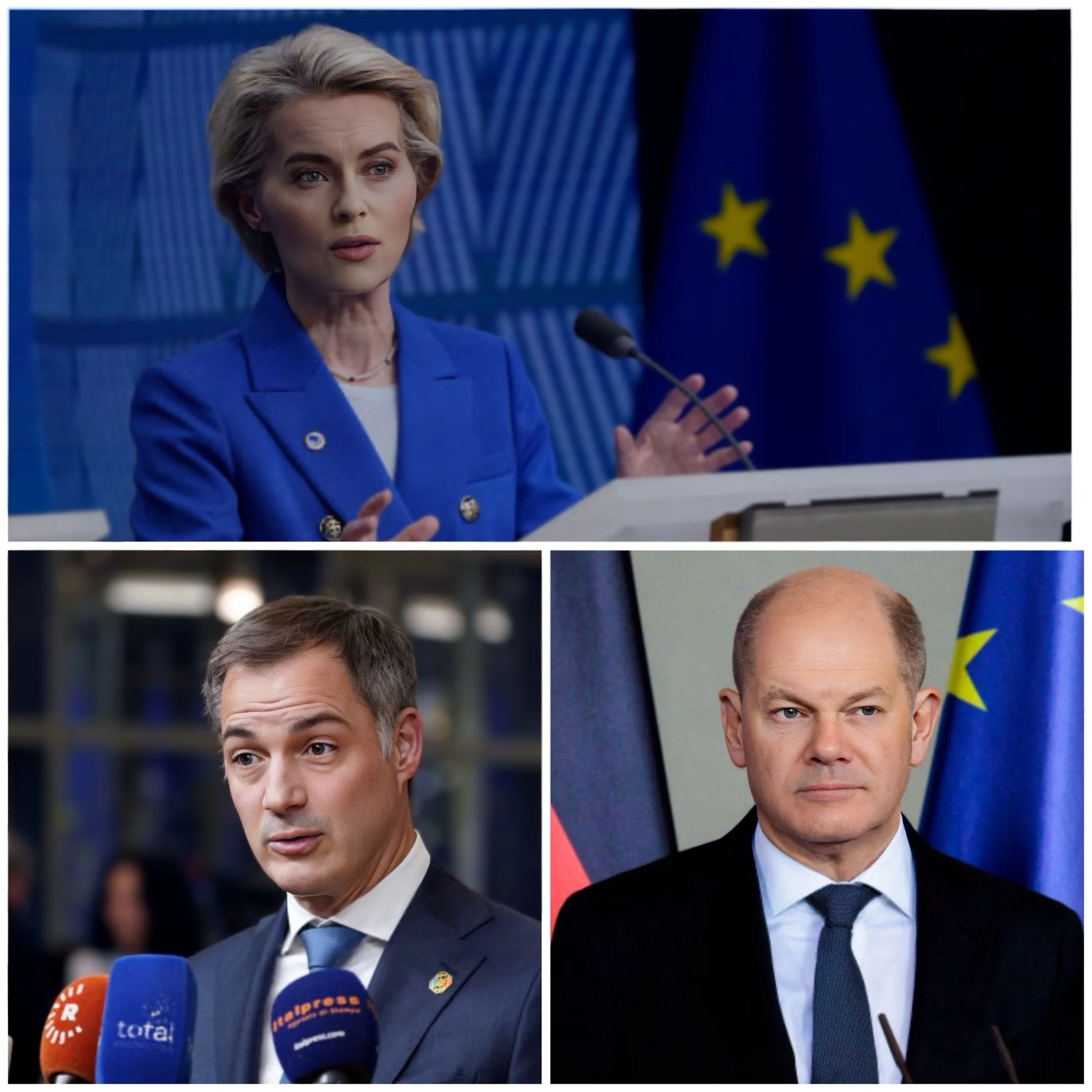
Herman Van Rompuy and Charles Michel have served as Presidents of the European Council.
Many Belgian diplomats and politicians have held key positions in various EU institutions.
Pro-European Stance
Belgium generally maintains a pro-European position:
It often supports initiatives to strengthen European institutions and further transfer powers to the European level.
Belgian public opinion has historically shown great confidence in European institutions compared to other member states.
Diplomatic Role
Belgium frequently acts as a mediator in EU negotiations, leveraging its experience in managing a complex federal system to help bridge differences between member states.
Financial Contributions
Belgium actively contributes to various EU initiatives, including:
Pledging €6 million to the European Investment Bank’s Fund supporting Ukraine.
Participating in multiple EU funding mechanisms and support programs.
Conclusion
While Belgium’s influence in the EU is significant, it’s important to note that its pro-European stance has evolved over time and is not absolute, with some regional variations in support, particularly in Flanders. Nonetheless, Belgium remains a key player in shaping and implementing EU policies and initiatives.