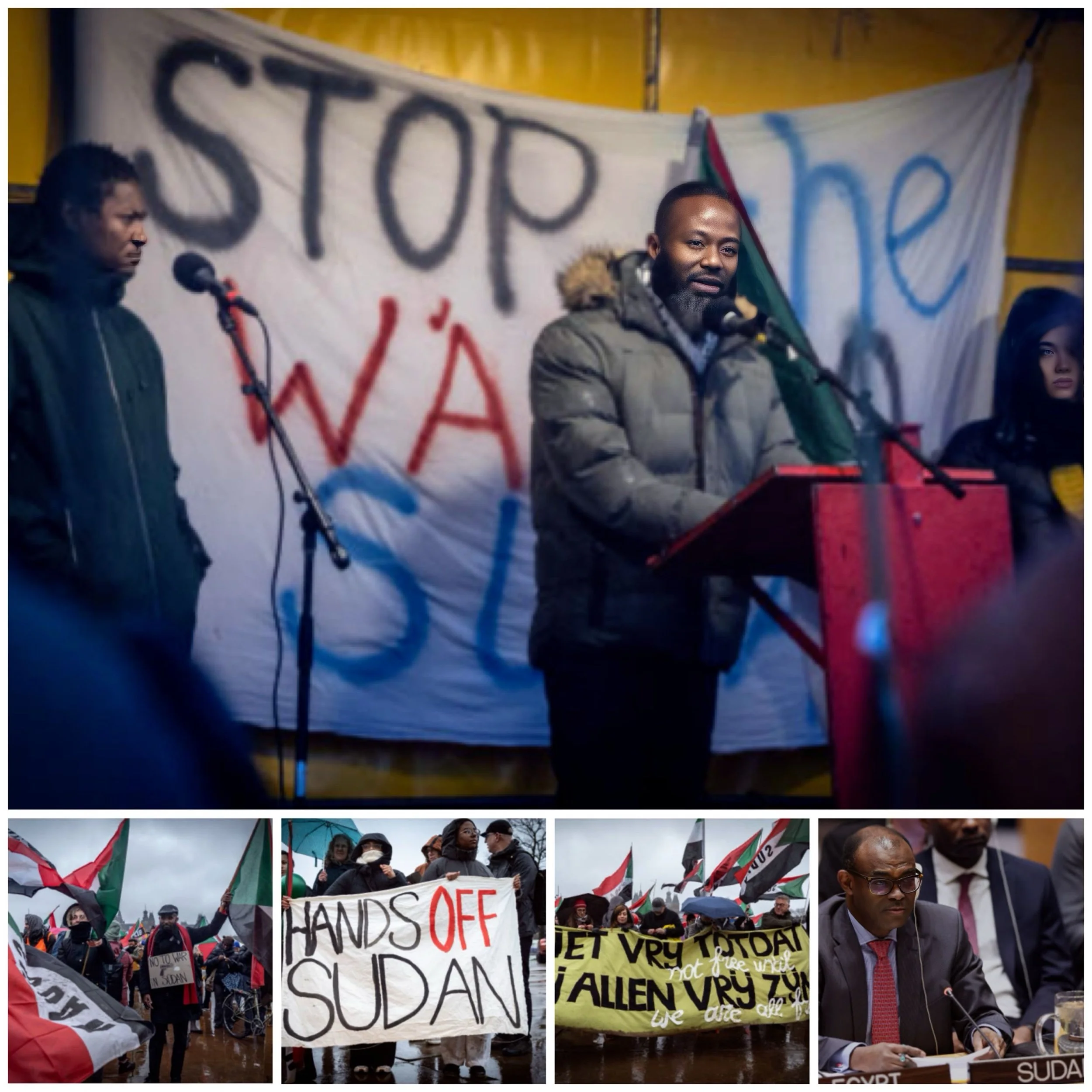
Sudan 2024: Worsening humanitarian crisis, famine and foreign interference
Introduction
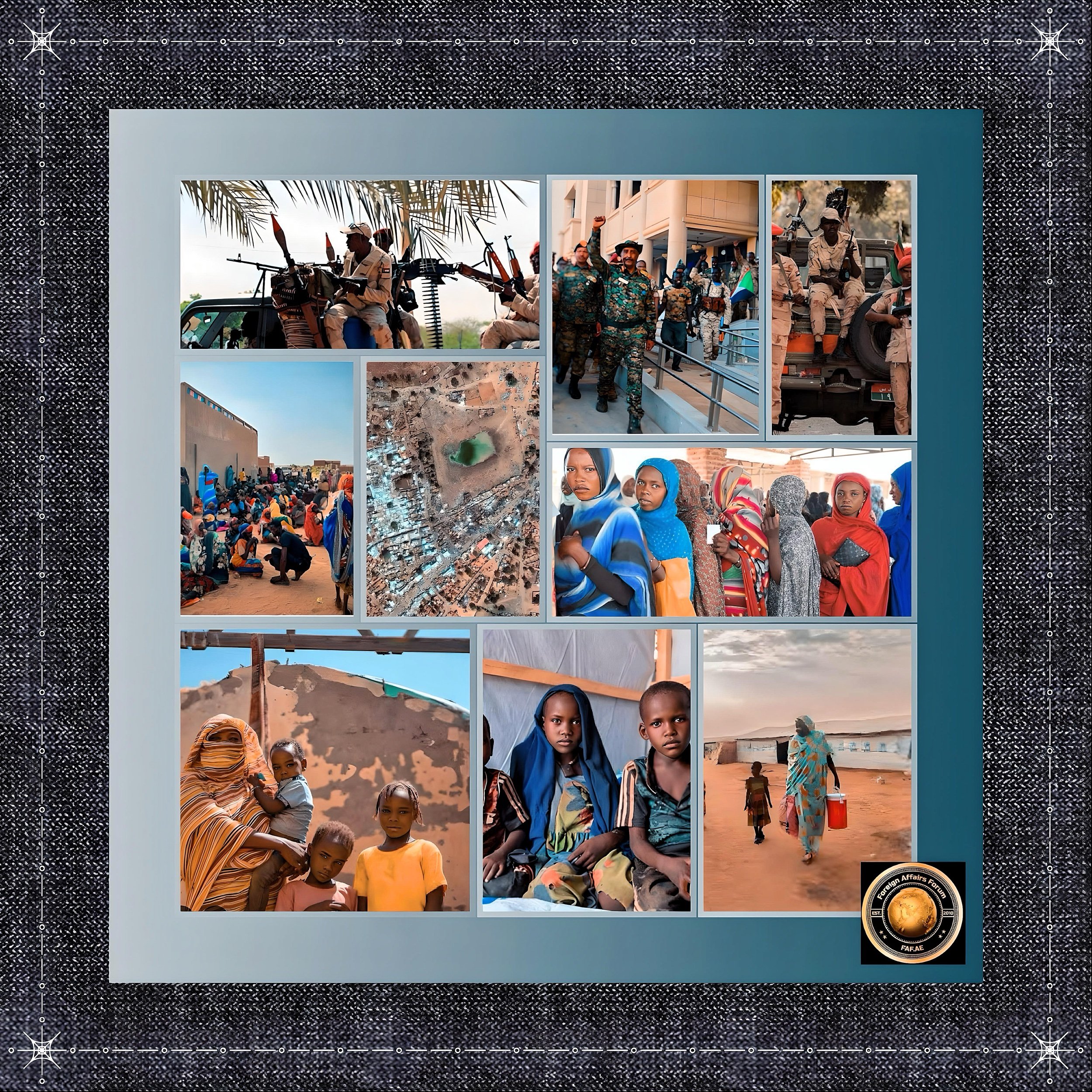
Sudan’s humanitarian crisis has reached catastrophic levels in 2024, with widespread famine, massive displacement, and ongoing conflict exacerbated by foreign interference. The situation has deteriorated significantly since the outbreak of civil war in April 2023 between the Sudanese Armed Forces (SAF) and the Rapid Support Forces (RSF).
Humanitarian Crisis and Famine
Scale of the Crisis
Nearly 26 million people (about half of Sudan’s population) are in urgent need of humanitarian assistance
Over 24.6 million people are experiencing high levels of acute food insecurity
The UN projects that more than 30 million people will need assistance in 2025
Famine Conditions
Famine has been officially recognized in several areas, including:
Zamzam refugee camp in North Darfur
Abu Shouk and Al Salam camps in North Darfur
Western Nuba Mountains in South Kordofan
Famine is projected in five additional areas in North Darfur between December 2024 and May 2025
17 additional areas are at risk of famine
Health Crisis
As of October 31, 2024, Sudan reported 30,312 cholera cases and 886 deaths across 11 states
Dengue fever and malaria remain widespread
73,000 children are projected to suffer from severe acute malnutrition in 2024
Displacement and Humanitarian Access
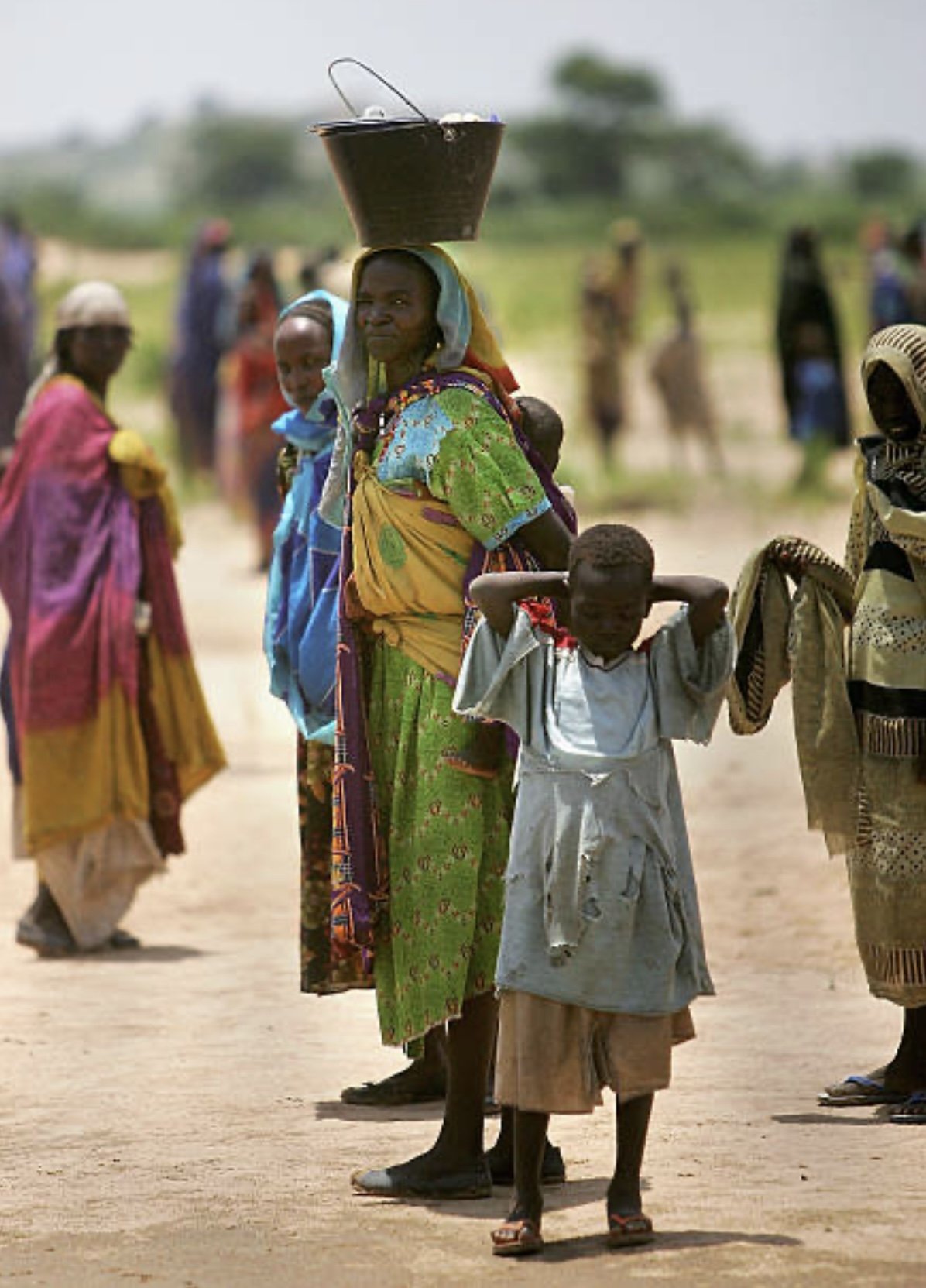
Over 11.5 million people have been displaced by the war as of November 2024
Nearly 8.5 million have fled to neighboring countries like Chad, Egypt, and South Sudan
Humanitarian access is severely restricted due to conflict, bureaucratic impediments, and intentional blockages by warring parties
Foreign Interference
The conflict in Sudan is exacerbated by external actors:
Libyan warlord Khalifa Haftar has been supporting the RSF and exploiting the crisis for economic and political gain
The United Arab Emirates (UAE) has been implicated in arms supplies to the RSF
Egypt, Russia, and other regional powers have vested interests in the conflict’s outcome
International Response
The international community’s response has been criticized as inadequate:
UNICEF Sudan’s response remains only 44% funded
The World Food Programme warns that the crisis is not receiving sufficient political and diplomatic attention
Calls for increased and flexible funding to support rapid scale-up of relief operations
Urgent Needs
Immediate action to preposition supply stocks before the next hunger season
Unrestricted humanitarian access to affected areas
A ceasefire to prevent further spread of famine
Increased diplomatic efforts to secure cross-border supply routes
Urgent funding to sustain essential services, particularly in nutrition, child protection, and healthcare
Conclusion
The situation in Sudan remains dire, with the conflict showing no signs of abating. The combination of man-made famine, widespread displacement, and foreign interference has created what UN officials describe as the world’s largest displacement crisis and potentially the world’s largest hunger crisis. Immediate and concerted international action is crucial to address this catastrophic humanitarian situation.