We should have a wartime mindset? -NATO Chief- A step towards WW III
Introduction
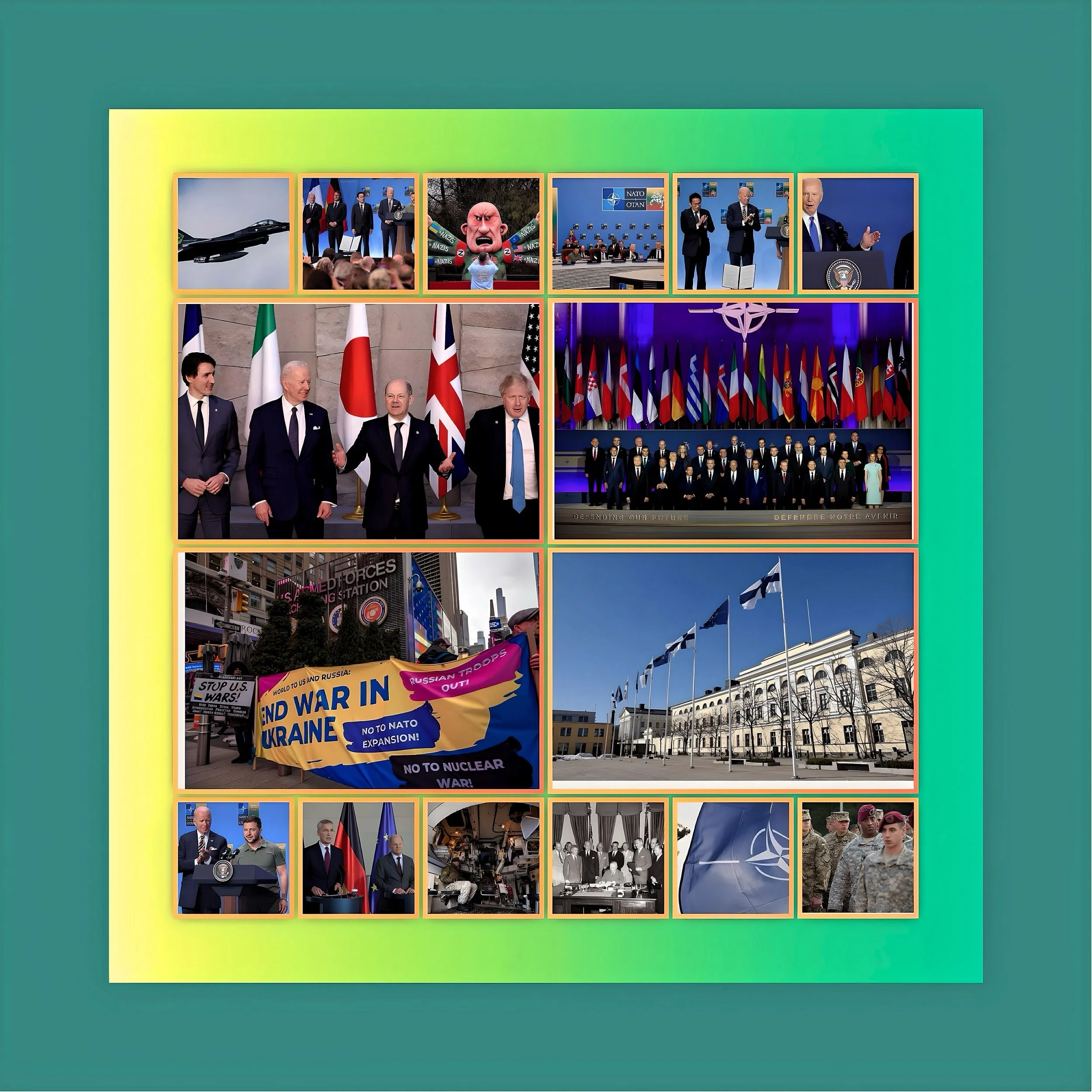
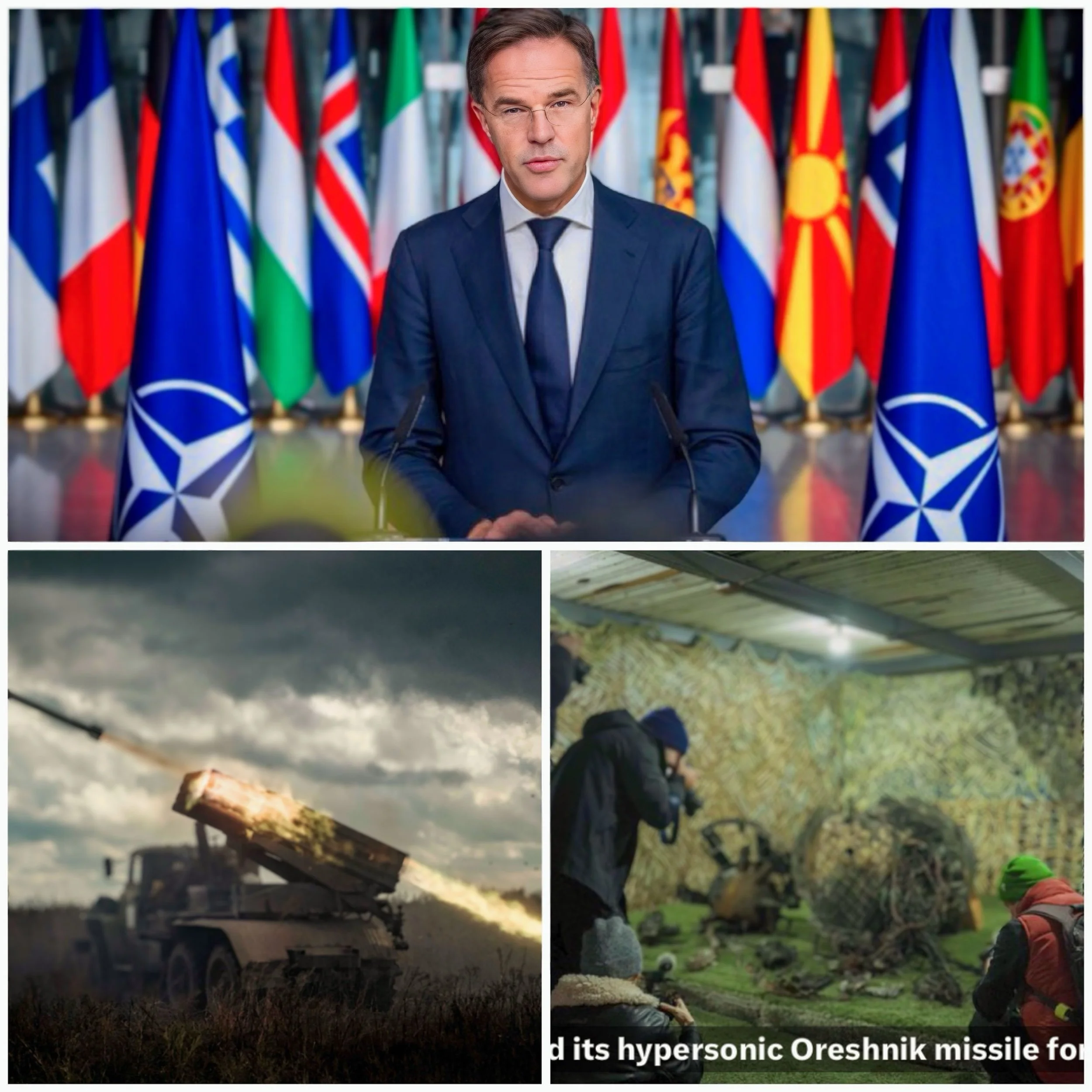
NATO Secretary General Mark Rutte has emphasized the urgent need for a “wartime mindset” among NATO members in response to escalating threats from Russia.
He warned that Russia is preparing for a prolonged confrontation, not just with Ukraine but potentially with Europe as well. Rutte called for significant increases in defense spending, beyond the current NATO guideline of 2% of GDP, to enhance military readiness and production capabilities.
He highlighted recent hostile actions by Russia and urged nations to boost their defense budgets and production to counter these threats effectively
Lack of wartime mindset
Not adopting a wartime mindset can lead to several significant consequences:
Lack of Preparedness
Failing to recognize imminent threats may result in inadequate defenses, leaving nations vulnerable to attacks or crises, as seen in historical contexts.
Diminished Urgency
A peacetime mentality can foster complacency, undermining the motivation needed for critical investments in defense and resilience.
Increased Vulnerability
Without a proactive approach, societies may struggle to respond effectively to emerging challenges, whether military or environmental, jeopardizing long-term stability and security.
Missed Opportunities for Unity
A wartime mindset encourages collaboration and sacrifice; without it, divisions may deepen, hindering collective action against common threats.
History of wartime mindset
Historical examples demonstrate the effectiveness of a wartime mindset in several contexts:
World War I Propaganda
The U.S. effectively mobilized public support through propaganda, fostering a sense of duty and adventure that encouraged enlistment. Campaigns like the Committee on Public Information helped shape public perception and morale, leading to increased military participation despite initial reluctance.
British Home Front
During WWI, British propaganda emphasized unity and sacrifice, helping maintain public support despite hardships. This created a resilient national spirit that bolstered war efforts and minimized defeatism.
American Civil War
The North’s wartime mindset, characterized by a commitment to the Union and abolition, galvanized troops and civilians alike, ultimately contributing to their victory over the Confederacy through sustained resolve and resource mobilization.
These examples illustrate how a collective wartime mentality can galvanize societies, enhance military effectiveness, and foster resilience in the face of adversity.
Affect of wartime mentality on EU
NATO’s stance can significantly impact European economies in various ways:
Increased Defense Spending
NATO’s emphasis on military readiness may compel member states to boost defense budgets, potentially diverting funds from social programs and economic development.
Economic Resilience Initiatives
NATO’s focus on economic security could lead to collaborative efforts to strengthen supply chains and reduce dependencies on adversarial nations, fostering a more robust economic environment.
Foreign Investment Growth
Historical data shows that NATO membership can lead to increased foreign investments, as seen in Eastern European countries post-accession, which may enhance GDP growth and economic stability.
Market Stability
A unified NATO stance against threats can bolster investor confidence, contributing to overall market stability and economic growth in Europe.
US reaction to NATO’s comment
The U.S, Biden administration, is likely to respond positively to Mark Rutte’s call for a wartime mindset within NATO, aligning with its strategic interests in countering Russian aggression.
U.S. officials may emphasize the importance of increased defense spending among NATO allies to ensure collective security and military readiness. However, reactions could vary based on the political landscape, especially with the recent U.S. elections potentially influencing support for NATO initiatives.
The Biden administration generally advocates for strong transatlantic ties, while a Republican-led government might prioritize different defense strategies, affecting NATO cohesion and funding commitments.
On the flip side, Trump’s recent comment on leaving NATO is unpredictable what will happen in near future. Trump also stated US will not support Ukraine membership at NATO.
Putin has been very patient with recent Ukraine ACTMUS attacks and has warned consequences. But it is also believed he is waiting for Trump to join office which would have a favorable outcome for Russia.
Ukraine should stop aggression on an already lost war. An estimated 1,000,000 Ukrainian soldiers have died in 2.5 years from the war with Russia.
Further, Russia has to maintain its calm.
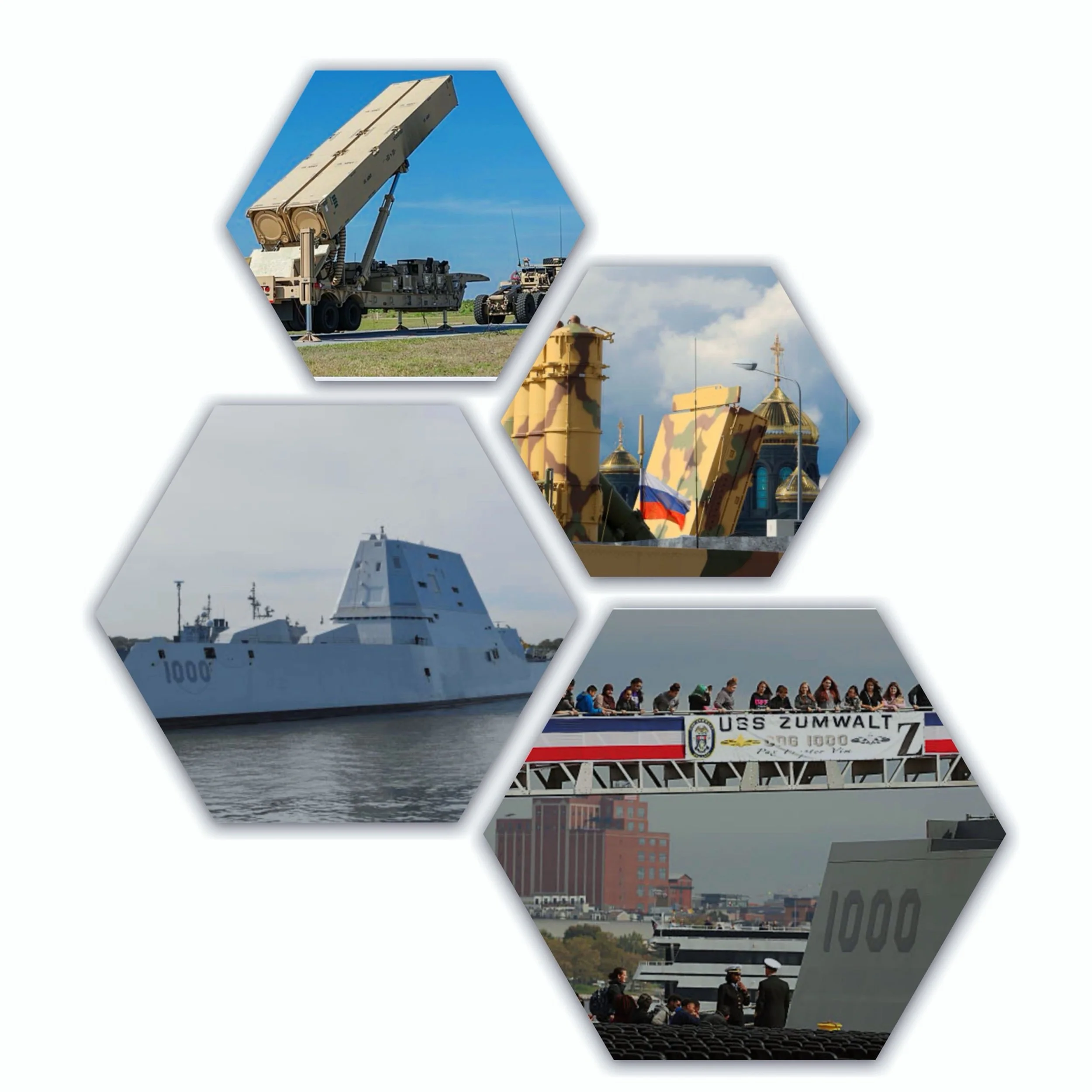
Retaliation from Russia using hypersonic Oreshnik missile with nuclear war heads will have devastating affect globally. EU should put pressure on Ukraine to stop and wait for a diplomatic solution.
Unfortunately Ukraine land is already lost and will be annexed by Russia.
America won’t be able to make any case due to their support of Israel annex issue in Palestine state and now in Syria.
NATO at that moment will not directly involve in such a case happens as Ukraine is not a member state. If they did it would start World War III
Affect of Oreshnik missle in recent attack at Dnipro
The silent black-and-white surveillance camera video of the Russia missile attack in the Ukrainian city of Dnipro was brief but chilling: Six huge fireballs pierced the darkness and slammed into the ground at astonishing speed.
Conclusion
Overall, NATO’s strategic posture can shape the economic landscape by influencing defense spending priorities, investment flows, but at serious cost of regional Instability, which neither US and EU will agree knowing the devastating affects of WWII.