Navigating Uncharted Waters in the Russia-Ukraine Conflict
A New Chapter in Global Tensions
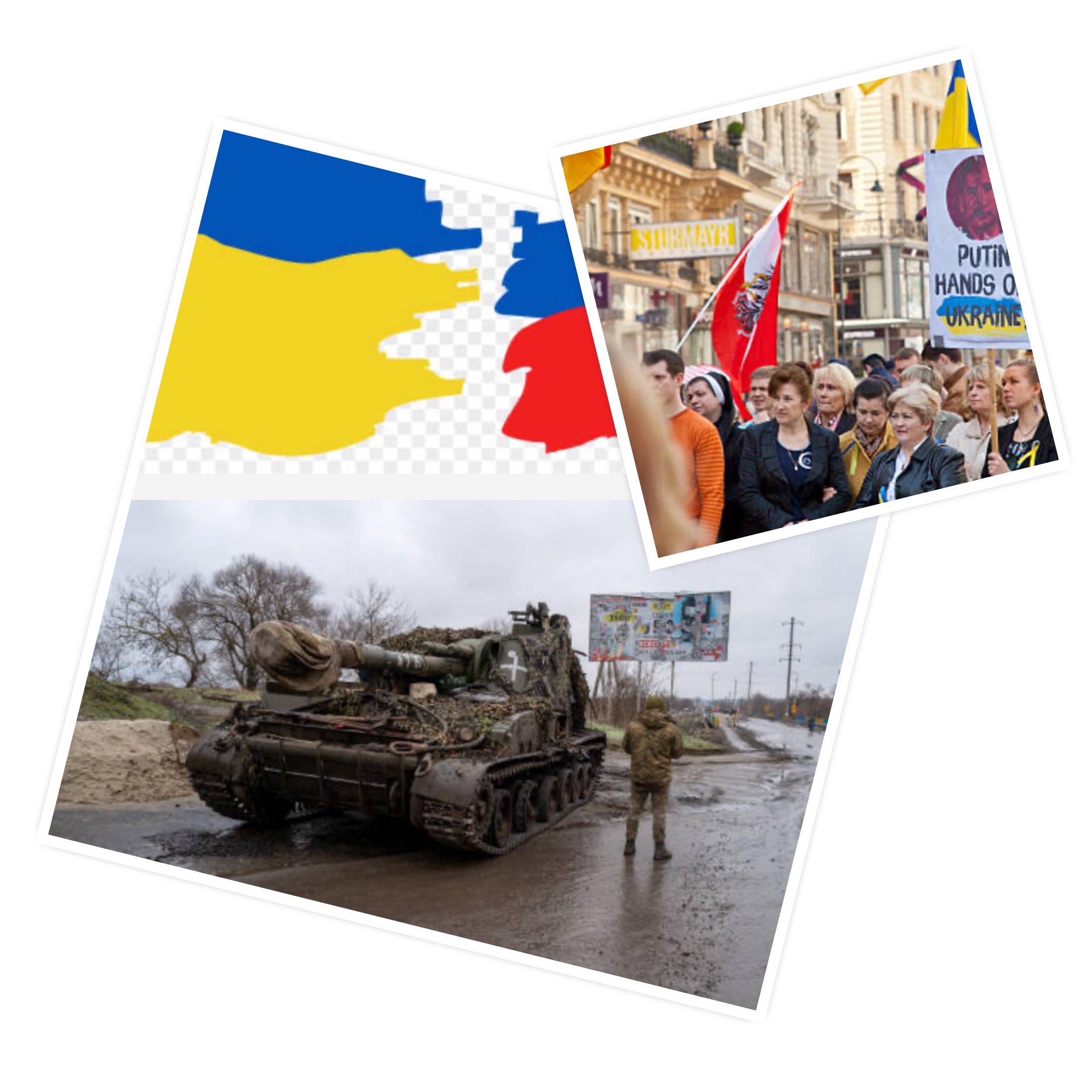
The conflict between Russia and Ukraine has been a focal point in global affairs, drawing interest from political analysts to everyday news enthusiasts. This ongoing situation not only shapes regional dynamics but also influences international relations on a grand scale. Understanding the potential future of this conflict is vital for anyone keen on global developments. This article explores the complex layers of the Russia-Ukraine war, providing insights into its possible trajectories and implications.
Historical Context of the Russia-Ukraine Conflict
To understand the future, it is essential to revisit the past. The tensions between Russia and Ukraine have deep historical roots, stretching back centuries. The annexation of Crimea by Russia in 2014 marked a significant turning point, escalating conflicts that had simmered since the dissolution of the Soviet Union. These events set the stage for the current crisis and frame the geopolitical maneuvers we observe today.
The cultural and historical ties between the two nations add another layer of complexity. Ukraine's strategic location and resources have often made it a pawn in larger geopolitical games. Understanding this history is key to assessing future developments in the region.
Current State of Affairs
The conflict has evolved significantly since its inception. Today, it is characterized by sporadic clashes, diplomatic skirmishes, and the looming threat of larger military engagements. The situation is fluid, with shifts in alliances and strategies shaping the landscape. Recent ceasefire agreements, peace talks, and international sanctions each play a role in this intricate web of relations.
Despite numerous efforts, lasting peace remains elusive. The geopolitical interests of major powers continue to complicate negotiations, leaving the region in a state of uncertainty. Observers worldwide watch closely, analyzing each move with the hope of forecasting future outcomes.
Key Players and Their Motivations
Several actors have vested interests in the Russia-Ukraine conflict. Russia's strategic motivations revolve around regional influence, security concerns, and economic interests. Ukraine, on the other hand, strives for sovereignty, territorial integrity, and alignment with Western powers.
International players, including the European Union, the United States, and NATO, bring their own agendas to the table. These entities are motivated by a blend of strategic interests, ideological standpoints, and economic considerations. Understanding these motivations is crucial for predicting the actions and reactions of each stakeholder.
Potential Scenarios for the Future
Predicting the future is fraught with uncertainty, yet several scenarios could unfold. One possibility is a frozen conflict, where tensions persist without significant escalation or resolution. Alternatively, a renewed military confrontation could occur if diplomatic efforts falter.
Another scenario involves a comprehensive peace agreement, facilitated by international mediation and concessions from both sides. This outcome, while challenging, would require significant shifts in current policies and attitudes. Each scenario carries distinct implications for regional stability and international relations.
The Role of Diplomacy and Negotiations
Diplomacy is a critical tool in resolving the Russia-Ukraine conflict. Past negotiations have achieved limited success, often hindered by mistrust and divergent interests. However, renewed diplomatic efforts could pave the way for a sustainable resolution.
Key to this process is the involvement of neutral mediators and the willingness of both parties to engage in meaningful dialogue. Confidence-building measures and incremental agreements on less contentious issues can lay the groundwork for broader peace initiatives.
Economic Impacts of the Conflict
The economic ramifications of the conflict extend beyond the immediate region. Sanctions, trade disruptions, and geopolitical instability impact global markets. For Ukraine, the war strains an already fragile economy, affecting growth prospects and investor confidence.
Russia faces economic challenges as well, with sanctions limiting access to global markets and technologies. International stakeholders must consider these economic factors when formulating strategies for conflict resolution and regional development.
Humanitarian Concerns and Impact on Civilians
The humanitarian toll of the conflict is profound. Displaced populations, casualties, and infrastructure damage have created a crisis requiring urgent attention. International humanitarian organizations work tirelessly to provide aid, but challenges persist.
Addressing these humanitarian concerns is integral to achieving lasting peace. Solutions must encompass not only political and military dimensions but also social and economic rehabilitation for affected communities.
The Influence of Media and Information Warfare
Media plays a pivotal role in shaping perceptions of the conflict. Propaganda, misinformation, and biased reporting complicate the narrative, influencing public opinion and policy decisions. Understanding the dynamics of information warfare is essential for navigating the complexities of the conflict.
Efforts to counter misinformation and promote accurate reporting are crucial for fostering informed dialogue. Transparency and accountability in media practices can contribute to a more nuanced understanding of the situation.
International Reactions and Their Implications
The international community's response to the Russia-Ukraine conflict varies widely. Some nations adopt a hardline stance against perceived aggression, while others advocate for dialogue and compromise. These reactions have significant implications for global alliances and power dynamics.
The role of international organizations, such as the United Nations, in facilitating dialogue and promoting peace is vital. Their ability to influence outcomes depends on cohesive strategies and the cooperation of member states.
Long-Term Prospects for Peace and Stability
Achieving long-term peace and stability in the region requires vision, commitment, and collaboration. It involves addressing root causes, fostering reconciliation, and building resilient institutions. The international community must support efforts towards sustainable development and governance reforms.
While challenges abound, the potential benefits of peace extend far beyond the region. A stable and prosperous Eastern Europe contributes to global security, economic growth, and human development.
Call to Action and Further Resources
For those interested in exploring the Russia-Ukraine conflict further, numerous resources are available. Engaging with diverse perspectives, participating in dialogues, and supporting diplomatic efforts can contribute to a deeper understanding of the situation.
Consider joining forums, attending conferences, or accessing scholarly articles to expand your knowledge. By staying informed and involved, you can play a role in shaping the future of this critical global issue.
In conclusion, the future of the Russia-Ukraine conflict is uncertain, yet filled with possibilities. Understanding the complex interplay of historical, political, and economic factors is essential for navigating this evolving landscape. Through informed dialogue and strategic action, the global community can work towards a more peaceful and stable future. It yet to be seen claims made by Trump to stop the war in one phone call.